Tratamiento de Bocio tóxico por difusión en Israel — obtenga 3 coincidencias personalizadas de clínicas


Revisado médicamente por
Fahad Mawlood
Cómo funciona
¿Cuál es el precio del diagnóstico y los tratamientos de Bocio tóxico por difusión en Israel? Descubra ahora
Descubra las mejores clínicas de tratamiento de Bocio tóxico por difusión en Israel: 3 opciones verificadas y Precios







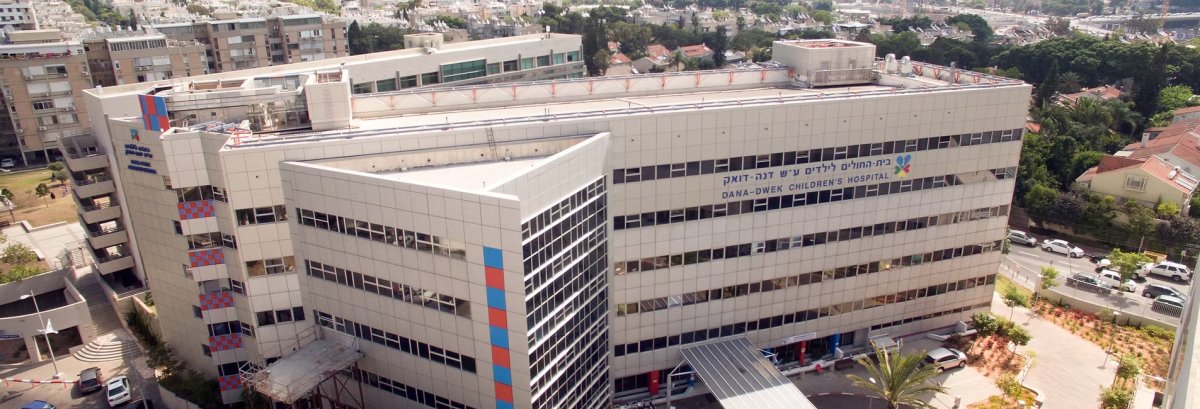
Tel Aviv Sourasky Medical Center (Ichilov)
Obtenga una evaluación médica para Bocio tóxico por difusión en Israel: consulte con doctores experimentados ahora
Ver todos los médicos
Oren-asaf
El Dr. Asaf Oren es un médico especialista en trastornos endocrinos pediátricos en el Hospital Infantil Dana-Dwek.
- Formación de subespecialidad (fellowship) en endocrinología pediátrica en el Hospital for Sick Children de Toronto, un centro de primer nivel
- Su experiencia incluye un puesto de alto nivel en el hospital infantil del Centro Médico de Tel Aviv
- Se desempeña como instructor clínico en la facultad de medicina de la Universidad de Tel Aviv
- También imparte conferencias para programas avanzados de enfermería y en la Universidad de Toronto

Ilana Itzhakov
La Dra. Ilana Itzhakov se especializa en enfermedades de la tiroides en el Centro Médico Ichilov, con más de 37 años de práctica dedicada a la endocrinología.
- Formación de residencia en endocrinología en el Centro Médico Ichilov
- Experta en insuficiencia suprarrenal crónica y diabetes
- Participa activamente en la investigación de nuevos tratamientos endocrinos
- Miembro de asociaciones médicas especializadas

Naomi Vayntrub
Dirige el Departamento de Endocrinología y Metabolismo Pediátrico en el Centro Médico Sourasky – Hospital Ichilov, el centro médico universitario más grande de Israel.
- _doctor_57_años_ de experiencia como endocrinólogo pediátrico
- Especializado en el tratamiento de trastornos de la tiroides en niños
- Formado en centros de primer nivel en Toronto y Nueva York
- Investigador y docente activo en la Universidad de Tel Aviv

Uri Eal
El Dr. Eal se especializa exclusivamente en endocrinología pediátrica y dirige el Departamento de Neuroendocrinología en el hospital infantil líder de Israel.
- Se formó durante más de 24 años en un hospital de primer nivel en EE. UU. en pediatría y neuroendocrinología.
- Ha dirigido la Clínica de Endocrinología y Diabetes Juvenil durante más de una década.
- También es profesor clínico senior en la facultad de medicina de la Universidad de Tel Aviv.
- Comparte regularmente su experiencia en conferencias científicas internacionales.
- Autor de alrededor de 30 publicaciones profesionales en su campo.
Compartir contenido
Historias en video de pacientes de Bookimed
 Olena Sikoza
Preguntas frecuentes sobre el tratamiento de Bocio tóxico por difusión en Israel
¿Qué procedimientos de diagnóstico inicial puedo esperar al llegar a Israel para el tratamiento del bocio tóxico difuso (enfermedad de Graves)?
Los pacientes que llegan a Israel para el tratamiento del bocio tóxico difuso se someten a un protocolo de diagnóstico integral de 3 a 4 días. Los especialistas en centros como el Sourasky Medical Center confirman el origen autoinmune. Evalúan los impactos sistémicos utilizando paneles hormonales, pruebas de anticuerpos e imágenes avanzadas de la tiroides para determinar la terapia.
- Consulta especializada: Los endocrinólogos realizan exámenes físicos para detectar bocio y temblores.
- Imágenes avanzadas: La ecografía con Doppler color evalúa la estructura de la glándula y el flujo sanguíneo.
- Cribado hormonal: Los análisis de sangre miden la TSH, T3 y T4 para evaluar la gravedad.
- Pruebas de anticuerpos: Las pruebas de TRAb o TSI de alta sensibilidad verifican el diagnóstico de la enfermedad de Graves.
- Escáneres funcionales: La gammagrafía con Tecnecio-99m confirma el patrón difuso de absorción.
Perspectiva del experto de Bookimed: Los centros israelíes como el Sourasky Medical Center (Ichilov) aprovechan volúmenes masivos de pacientes, tratando a más de 400.000 personas al año. Esta profundidad de experiencia es fundamental para la enfermedad de Graves. Nuestros datos muestran que, debido a que estos especialistas manejan miles de casos hormonales complejos, a menudo detectan complicaciones sistémicas sutiles que
¿Cuáles son las principales opciones de tratamiento no quirúrgico disponibles en Israel?
Israel ofrece opciones no quirúrgicas avanzadas como la terapia con yodo radiactivo y protocolos basados en fármacos para el bocio tóxico difuso. Los centros acreditados por la JCI en Tel Aviv y Jerusalén utilizan imágenes de diagnóstico modernas para calibrar dosis precisas. Endocrinólogos expertos gestionan estos tratamientos para regular la función tiroidea sin intervención quirúrgica invasiva.
- Tratamiento farmacológico: Los médicos prescriben medicamentos antitiroideos como metimazol y propiltiouracilo para reducir los niveles hormonales.
- Manejo de síntomas: Los betabloqueantes se utilizan comúnmente para controlar la frecuencia cardíaca rápida y los temblores.
- Yodo radiactivo: Este tratamiento no quirúrgico definitivo utiliza una cápsula oral para reducir el tejido tiroideo.
- Monitoreo experto: Los especialistas realizan análisis de sangre frecuentes para ajustar las dosis hormonales y garantizar la seguridad.
Perspectiva del experto de Bookimed: Los centros médicos israelíes demuestran una escala de atención significativa, con el Hadassah Medical Center tratando aproximadamente a 1,000,000 de pacientes al año. Los grandes volúmenes a menudo significan que endocrinólogos como el Dr. Naftali Shtern o la Dra. Naomi Vayntrub manejan casos excepcionalmente diversos. Esta alta rotación de pacientes garantiza que los médicos estén altamen
¿Cuándo se recomienda la cirugía en Israel y qué implica la operación?
La cirugía en Israel se recomienda para el bocio tóxico difuso cuando los medicamentos fallan o causan efectos secundarios graves como la agranulocitosis. También está indicada para bocios grandes que causan dificultad para respirar o tragar. Los cirujanos realizan tiroidectomías subtotal o total en centros acreditados por la JCI para garantizar la estabilidad de las hormonas tiroideas.
- Desencadenantes quirúrgicos: Recomendado después de una recaída tras la reducción gradual de medicamentos o hepatitis inducida por fármacos.
- Tamaño de la glándula: Los bocios grandes con síntomas compresivos requieren intervención quirúrgica urgente.
- Tecnología de seguridad: La monitorización nerviosa intraoperatoria protege el nervio laríngeo para preservar la voz.
- Tipos de tiroidectomía: Los procedimientos implican la extirpación subtotal o total según los riesgos de recurrencia.
Perspectiva del experto de Bookimed: Los departamentos de oncología y endocrinología israelíes, como los del Sourasky Medical Center, reportan un alto volumen de casos complejos. Sus cirujanos, incluido el Prof. Naftali Shtern, a menudo combinan la investigación académica con la práctica clínica. Esto significa que los pacientes se benefician del acceso a las últimas tecnologías asistidas por robot y protocolos de preservación nerviosa desarrollados internamente.
¿Qué clínicas y especialistas en Israel son altamente recomendados para esta afección?
Israel ofrece centros líderes para el tratamiento del bocio tóxico difuso. Instituciones como el Centro Médico Sourasky y el Centro Médico Hadassah brindan atención endocrinológica avanzada. Las instalaciones acreditadas por la JCI ofrecen enfoques multidisciplinarios. Especialistas experimentados manejan la enfermedad de Graves utilizando yodo radiactivo, medicamentos o cirugía tiroidea especializada.
- Instituciones especializadas: El Centro Médico Sourasky atiende a más de 1.800.000 pacientes cada año.
- Experiencia académica: El Prof. Dr. Naftali Shtern dirige el Instituto de Endocrinología en Sourasky.
- Atención pediátrica: La Dra. Naomi Vayntrub se especializa en endocrinología pediátrica con más de 20 años de experiencia.
- Investigación clínica: La Dra. Ilana Itzhakov desarrolla nuevos tratamientos para enfermedades endocrinas complejas.
Perspectiva del experto de Bookimed: Los datos muestran que el Centro Médico Sourasky es una opción destacada para los trastornos endocrinos. La clínica emplea a más de 2.200 médicos en 240 departamentos. Este alto nivel de especialización permite una colaboración fluida. Por ejemplo, si el bocio afecta los ojos, los pacientes acceden a neurooftalmólogos de inmediato. El Dr. Naftali Shtern ha dirigido el Instituto de Endocrinología desde 1988. Este liderazgo a largo plazo garantiza protocolos estables
¿Cómo gestionan los hospitales israelíes las complicaciones asociadas como la orbitopatía tiroidea (TED)?
Los hospitales israelíes gestionan la orbitopatía tiroidea (TED) a través de clínicas integradas que unen la endocrinología y la oftalmología oculoplástica. Los especialistas en centros como el Sourasky Medical Center y el Hadassah Medical Center ofrecen evaluaciones el mismo día. El uso de pulsos intravenosos de metilprednisolona y la cirugía avanzada de descompresión orbitaria ayudan a estabilizar los síntomas y proteger la visión.
- Terapia médica dirigida: Los pulsos intravenosos de metilprednisolona en dosis altas reducen eficazmente la inflamación orbitaria activa.
- Tratamientos biológicos: Los inhibidores de IGF-1R como el teprotumumab detienen directamente la actividad fibroblástica orbitaria.
- Cirugía rehabilitadora: Las secuencias estandarizadas incluyen descompresión orbitaria, reparación de estrabismo y realineación de párpados.
- Diagnóstico avanzado: La resonancia magnética orbitaria de alta resolución y las pruebas automatizadas de campo visual monitorean los nervios ópticos.
Perspectiva del experto de Bookimed: Los centros médicos israelíes manejan volúmenes masivos, con el Hadassah Medical Center tratando aproximadamente a 1,000,000 de pacientes al año. Esta escala permite subdepartamentos altamente especializados, como el Instituto de Endocrinología en Sourasky dirigido por el Prof. Dr. Naftali Shtern. Los pacientes se benef
¿Cuál es la duración recomendada de la estancia para cada modalidad de tratamiento y es posible viajar después?
El tratamiento del bocio tóxico difuso en Israel requiere generalmente de 1 a 3 días de hospitalización para la cirugía. La terapia con yodo radiactivo es mayoritariamente un procedimiento ambulatorio. Viajar es seguro 72 horas después de la cirugía si no surgen complicaciones. Los protocolos de seguridad radiológica pueden retrasar los vuelos internacionales de 3 a 7 días.
- Estancia quirúrgica: La tiroidectomía suele requerir de 1 a 3 noches en cama de hospital.
- Duración del radioyodo: Este procedimiento a menudo implica el alta el mismo día o una sola noche de estancia.
- Autorización para viajar: Los pacientes generalmente vuelan de 3 a 10 días después de completar los protocolos terapéuticos.
- Periodo de observación: Las primeras 24 a 72 horas son críticas para monitorear los niveles de calcio.
Perspectiva del experto de Bookimed: Los centros israelíes como el Sourasky Medical Center (Ichilov), que trata a más de 400.000 pacientes al año, priorizan la estabilización rápida. Los datos muestran que endocrinólogos destacados como la Dra. Naomi Vayntrub se centran en la estabilización metabólica antes del alta. Para el yodo radiactivo, la principal barrera para viajar no es la recuperación física, sino los detectores de radiación en la seguridad del aeropuerto. Los pacientes deben llevar un certificado médico oficial para explicar los nivel
¿Por qué Israel es uno de los principales destinos para la neurocirugía?
Israel es un centro líder en neurocirugía gracias a su combinación de avances médicos de alta tecnología y una experiencia quirúrgica de primer nivel. Instalaciones avanzadas como el Centro Médico Sheba utilizan sistemas de navegación basados en IA y resonancia magnética intraoperatoria en tiempo real. Centros especializados reportan una tasa de éxito del 98% en procedimientos complejos, como la craneotomía con el paciente despierto y el tratamiento de trastornos del movimiento.
- Tecnología avanzada: Las clínicas utilizan ultrasonido enfocado guiado por resonancia magnética (MRgFUS) y sistemas robóticos para realizar incisiones.
- Experiencia quirúrgica: Cirujanos como el Dr. Zvi Ram lideran asociaciones internacionales con más de 25 años de experiencia.
- Acceso rápido: Los pacientes internacionales generalmente pueden programar cirugías complejas de cerebro o columna en un plazo de 2 a 4 semanas.
- Atención médica acreditada: Grandes centros como Sourasky (Ichilov) y Assuta están acreditados por la JCI, lo que confirma su seguridad.
Opinión experta de Bookimed: Los datos muestran una clara diferencia entre las opciones de tratamiento públicas y privadas en Israel. Centros privados, como el Centro Médico Assuta, realizan más de 92.000 cirugías al año y permiten a los pacientes elegir a un cirujano líder específico. Esto supone una ventaja signi
¿Qué tipos de enfermedades neuroquirúrgicas se tratan en Israel?
Los neurocirujanos israelíes tratan una amplia gama de afecciones, desde tumores cerebrales y de médula espinal hasta trastornos funcionales complejos. Los centros especializados utilizan tecnologías de vanguardia, como el bisturí de rayos gamma, la estimulación cerebral profunda y la resonancia magnética intraoperatoria, para un diagnóstico altamente preciso de la epilepsia, la enfermedad de Parkinson y las patologías cerebrovasculares.
- Enfermedades oncológicas: tratamiento de gliomas, meningiomas y tumores hipofisarios mediante resección de la base del cráneo.
- Trastornos funcionales: tratamiento de la enfermedad de Parkinson y del temblor esencial mediante estimulación cerebral profunda.
- Patologías de columna: corrección de escoliosis, hernias discales y tumores espinales mediante sistemas robóticos.
- Tratamiento de las enfermedades cerebrovasculares: tratamiento quirúrgico de aneurismas cerebrales y malformaciones arteriovenosas mediante intervenciones endovasculares.
- Neurocirugía pediátrica: atención especializada en hidrocefalia y anomalías congénitas en centros pediátricos especializados.
Opinión experta de Bookimed: Los hospitales israelíes suelen combinar diversas especialidades para abordar casos complejos. En el Centro Médico Sourasky, neurocirujanos como el Dr. Zvi Lidar combinan neurocirugía y ortopedi
¿Qué hospitales en Israel son más conocidos por sus departamentos de neurocirugía?
Israel alberga centros neuroquirúrgicos de renombre mundial, como el Centro Médico Sourasky, el Centro Médico Sheba y el Centro Médico Hadassah. Estas instituciones son líderes mundiales en el tratamiento de tumores cerebrales complejos, enfermedades de la columna vertebral y trastornos del movimiento. Utilizan tecnologías de vanguardia como el bisturí de rayos gamma, sistemas robóticos y resonancia magnética intraoperatoria.
- Suraski (Ichilov): realiza más de 2.500 operaciones neuroquirúrgicas al año en Tel Aviv con una tasa de éxito del 98%.
- Centro Médico Sheba: clasificado entre los diez mejores hospitales del mundo, trata a 1,9 millones de pacientes al año.
- Centro Médico Hadassah: Nominado al Premio Nobel de la Paz. Líder en neurocirugía pediátrica y terapia génica.
- Centro Médico Assuta: el centro médico privado más grande de Israel. Especializado en cirugías mínimamente invasivas de columna y cerebro.
- Hospital Infantil Schneider: un centro líder en neurocirugía pediátrica que trata a 275.000 niños al año.
Opinión experta de Bookimed: Nuestros datos muestran que, si bien la mayoría de los pacientes buscan tratamiento en Tel Aviv, el Centro Médico Rambam en Haifa ofrece una atención única para neurotraumatismos. Cuenta con una unidad especializada en cuidados neurocríticos que atiende a aproximadamente un milló
¿Quiénes son los principales neurocirujanos en Israel?
Entre los neurocirujanos israelíes más destacados se encuentran los profesores Zvi Ram, Shlomi Constantini e Itzhak Fried, del Centro Médico Sourasky. Estos especialistas ocupan puestos de liderazgo en la Asociación Europea de Sociedades de Neurocirugía (EANS) y la Sociedad Mundial de Neurocirugía Estereotáctica y Funcional (WSSFN). Utilizan técnicas avanzadas de mapeo intraoperatorio y sistemas robóticos.
- Profesor Zvi Ram: experto en cirugía mínimamente invasiva de tumores cerebrales y terapia genética para el cáncer.
- Profesor Shlomi Constantini: Se especializa en procedimientos neuroendoscópicos pediátricos complejos y microcirugía para tumores cerebrales.
- Profesor Itzhak Fried: una autoridad en cirugía de epilepsia, mapeo cerebral funcional y estimulación cerebral profunda.
- Dr. Eli Ashkenazi: Cirujano ortopédico líder en el Hospital Assuta, especializado en el innovador sistema TOPS.
Opinión de los expertos de Bookimed: Los datos de Sourasky y Sheba indican una fuerte correlación entre un alto volumen quirúrgico y la seguridad del paciente. Por ejemplo, Sourasky realiza más de 34.000 cirugías oncológicas al año con una tasa de éxito del 90 %. Los pacientes que requieren la extirpación de un tumor complejo deberían priorizar centros como estos, donde los cirujanos realizan cientos de procedimientos especializados al año.