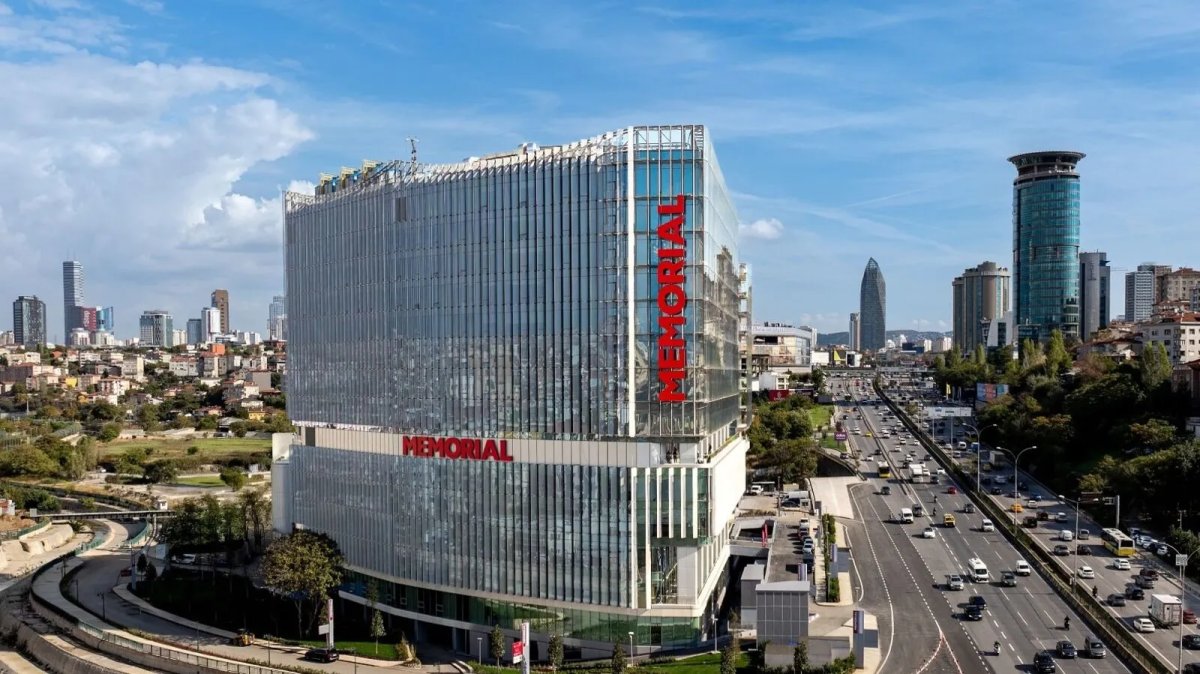
Memorial Göztepe Hospital
Turquía, Estambul


Revisado médicamente por
Fahad Mawlood
Bookimed no añade cargos extra a los precios de los tratamientos de Anemia de Fanconi. Las tarifas proceden de las listas de precios oficiales de las clínicas. Pagará directamente en la clínica por su tratamiento a su llegada al país.
Bookimed está comprometido con su seguridad. Solo trabajamos con las clínicas que mantienen altos estándares internacionales en el tratamiento de Anemia de Fanconi y cuentan con las licencias necesarias para atender a pacientes internacionales en todo el mundo.
Bookimed ofrece asistencia experta gratuita. Un coordinador médico personal le apoya antes, durante y después de su tratamiento, resolviendo cualquier problema. Nunca estará solo en su viaje médico de tratamiento de Anemia de Fanconi.

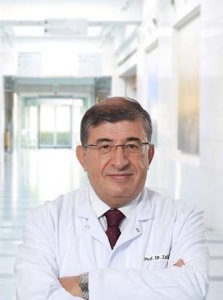
El Dr. Zafer Gulbas fundó y dirige el Centro de Trasplante de Médula Ósea más grande de Turquía en el Centro Médico Anadolu. Es hematólogo-oncólogo especializado en cánceres de sangre complejos y trastornos de la coagulación. El Dr. Gulbas se formó en instituciones líderes a nivel mundial, incluyendo MD Anderson y Fred Hutchinson en los EE. UU. Realiza trasplantes autólogos y alogénicos para leucemia, linfoma y anemia aplásica.
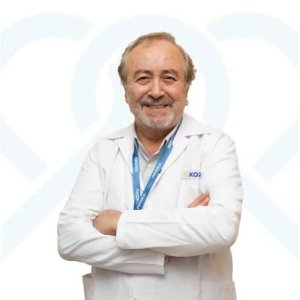
El Dr. Kadri Yamac es internista y hematólogo. Obtuvo su título de médico en la Facultad de Medicina de la Universidad de Ankara (1976–1982). Completó la formación en Medicina Interna en la Facultad de Medicina de la Universidad de Gazi (1984–1989). Posteriormente realizó la subespecialidad en Hematología en la Facultad de Medicina de la Universidad de Gazi (1990–1993). En 1995 fue nombrado profesor asociado en la Facultad de Medicina de la Universidad de Gazi. Fue promovido a profesor en 200
 Olena Sikoza
Hospitales turcos especializados como el Anadolu Medical Center y Acibadem Altunizade ofrecen atención avanzada para la anemia de Fanconi. Estos centros cuentan con departamentos dedicados de hematología-oncología y unidades de trasplante de médula ósea. Muchos mantienen la acreditación de la Joint Commission International y certificaciones específicas de la European Blood and Marrow Transplantation para síndromes complejos de insuficiencia medular.
Perspectiva del experto de Bookimed: El éxito en la anemia de Fanconi depende de la experiencia con trasplantes alogénicos para síndromes hereditarios. El Anadolu Medical Center reporta una tasa de éxito del 81% específicamente para trasplantes autólogos. Este alto volumen a menudo conduce a un mejor manejo de los regímenes de acondicionamiento únicos requeridos. El Dr. Zafer Gulba
Los centros turcos tratan la anemia de Fanconi mediante el trasplante curativo de células madre hematopoyéticas. Las unidades especializadas en el Anadolu Medical Center utilizan protocolos de Johns Hopkins Medicine. Las opciones incluyen trasplantes de hermanos compatibles y de donantes no emparentados. Los centros proporcionan terapia con andrógenos y transfusiones desleucocitadas para controlar la insuficiencia de la médula ósea antes de la cirugía.
Perspectiva del experto de Bookimed: El Anadolu Medical Center destaca porque el Dr. Zafer Gulbas ha realizado más de 3,300 procedimientos. Este alto volumen es crítico para los casos de anemia de Fanconi. Tales condiciones raras requieren cirujanos que manejen miles de trasplantes para garantizar la seguridad. La asociación del centro con Johns Hopkins brinda acceso a proto
Los centros de referencia turcos reportan tasas de supervivencia general para pacientes con anemia de Fanconi que superan el 70% al 80% después de un trasplante de médula ósea. El éxito depende de regímenes de acondicionamiento especializados de intensidad reducida. Instalaciones líderes como ACIBADEM reportan tasas de supervivencia cercanas al 85% utilizando técnicas avanzadas de trasplante haploidéntico y de donantes no emparentados.
Perspectiva del experto de Bookimed: El éxito a menudo depende de la experiencia institucional acumulada en lugar de solo de la tecnología. Por ejemplo, el Dr. Zafer Gulbas en el Anadolu Medical Center ha supervisado más de 3,000 trasplantes desde 2010. Este alto volumen permite a los centros refinar el delicado equilibrio de acondicionamiento requeri
Los médicos turcos son altamente competentes en el tratamiento de la anemia de Fanconi a través de centros especializados en hematología y trasplante de médula ósea. Expertos como el Dr. Zafer Gulbas han realizado más de 3,000 trasplantes desde 2010. Las instalaciones turcas a menudo utilizan los protocolos de Johns Hopkins Medicine International para el manejo de trastornos sanguíneos genéticos complejos.
Perspectiva del experto de Bookimed: Los centros de hematología turcos ven volúmenes más altos de anemia de Fanconi que muchas instalaciones europeas. Esto se debe a una prevalencia genética local que alcanza el 78% en ciertos grupos de pacientes. Solo el Dr. Zafer Gulbas tiene más de 260 publicaciones y 5,000 citas sobre trastornos sanguíneos. Este volumen crea una experiencia concentrada en el manejo de los riesgos de toxi
El seguimiento postrasplante para pacientes internacionales con anemia de Fanconi (AF) en Turquía requiere una supervisión intensiva del prendimiento del donante y de la enfermedad de injerto contra huésped (EICH). La atención dura varios años e implica análisis de sangre frecuentes y el control de la inmunosupresión. Los principales centros de hematología de Turquía mantienen una coordinación a largo plazo con los médicos del país de origen para garantizar la seguridad del paciente.
Opinión experta de Bookimed: Los centros de hematología turcos a menudo requieren que los pacientes internacionales permanezcan cerca durante 3 a 4 meses después del alta. El Dr. Zafer Gulbas en el Centro Médico Anadolu ha realizado más de 3,300 procedimientos, lo que enfatiza por qué los equipos experimentados priorizan este período. Esta estancia prolongada