Tratamiento de Miocardiopatía dilatada en Austria — obtenga 3 coincidencias personalizadas de clínicas


Revisado médicamente por
Fahad Mawlood
Cómo funciona
¿Cuál es el precio del diagnóstico y los tratamientos de Miocardiopatía dilatada en Austria? Descubra ahora
De $150. Las intervenciones especializadas, como la contrapulsación externa mejorada, van desde $3,000 hasta $4,500. Los gastos totales dependen de la etapa de la enfermedad, la duración de la estancia hospitalaria y el nivel de la clínica. Los pacientes a menudo encuentran ahorros del 10-20% en comparación con otros centros privados de Europa Occidental. Los principales centros de tratamiento incluyen Viena, Graz y Salzburgo.
Costos típicos del tratamiento de la miocardiopatía dilatada en Austria
- Consulta con un cardiólogo: $190 – $340
- Ecografía cardíaca: de $150
- Consulta con un cirujano cardíaco: $220 – $400
- Contrapulsación externa mejorada (EECP): $3,000 – $4,500
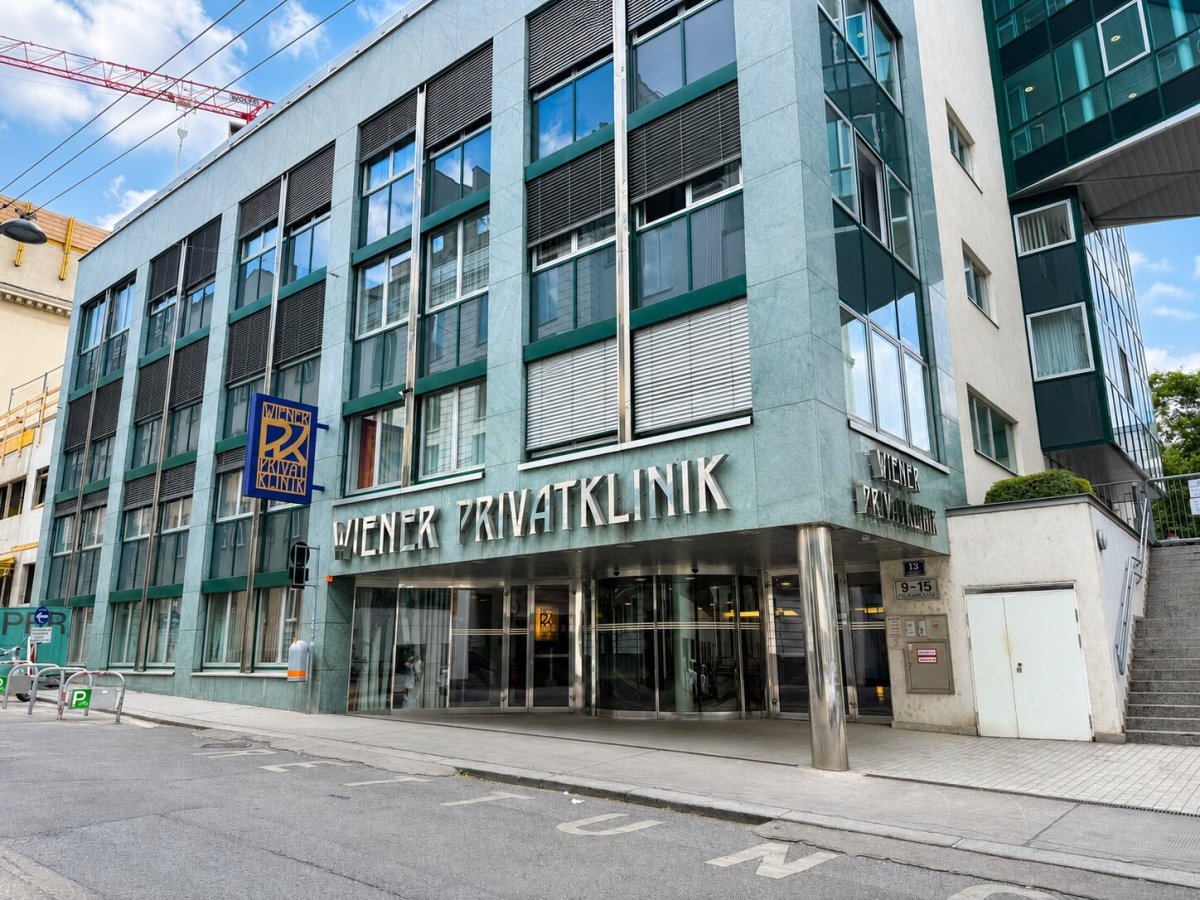
Perspectiva de expertos de Bookimed: Los pacientes con insuficiencia cardíaca se benefician de la atención especializada en Wiener Privatklinik. Médicos de nivel catedrático como David Weidenauer brindan un manejo avanzado de la miocardiopatía. Esta clínica fue reconocida como uno de los mejores hospitales del mundo por Newsweek en 2021. Para necesidades centradas en el diagnóstico, la Clínica Privada Leech en Graz ofrece imágenes integradas de resonancia magnética y tomografía computarizada. Las instalaciones privadas en Viena mantienen tasas de complicaciones significativamente inferiores al promedio. Los centros de alto nivel ofrecen asistencia multilingüe para las llegadas internacionales. Elegir un centro multidisciplinario garantiza transiciones fluidas entre el diagnóstico y la intervención.
| Austria | España | Turquía | |
|---|---|---|---|
| Contrapulsación externa mejorada (CEM) | ≈ $3,000 | ≈ $1,500 | ≈ $1,100 |
Descubra las mejores clínicas de tratamiento de Miocardiopatía dilatada en Austria: 4 opciones verificadas y Precios






Clínica Privada Leech

JUVENIS
Obtenga una evaluación médica para Miocardiopatía dilatada en Austria: consulte con doctores experimentados ahora
Ver todos los médicos
Christoph Kopp
El Dr. Kopp combina décadas de experiencia en cardiología con un fuerte enfoque en la atención preventiva y el diagnóstico avanzado en Wiener Privatklinik.
- Especializado en imagen cardíaca y terapia de insuficiencia cardíaca
- Realiza ecocardiografía, pruebas de esfuerzo y TC coronaria
- Graduado de la Universidad Médica de Viena
- Formado en el Hospital General de Viena

David Weidenauer
El Dr. David Weidenauer se especializa en imagenología cardíaca y cardiología intervencionista en la Wiener Privatklinik, centrándose en la atención personalizada para afecciones cardíacas complejas.
- Graduado con distinción de la Universidad Médica de Viena
- Formado en el Hospital General de Viena (AKH), uno de los centros médicos más importantes de Austria
- Experto en ecocardiografía, TC cardíaca y diagnóstico de ritmo
- Se centra en el tratamiento basado en la evidencia para la miocardiopatía dilatada
Compartir contenido
Historias en video de pacientes de Bookimed
 Olena Sikoza
Preguntas frecuentes sobre el tratamiento de Miocardiopatía dilatada en Austria
¿Cuáles son los principales métodos de tratamiento para la miocardiopatía dilatada que se utilizan en Austria?
El tratamiento farmacológico de la miocardiopatía dilatada en Austria cumple con los estándares de la Sociedad Europea de Cardiología. Los centros especializados emplean la terapia cuádruple, que incluye medicamentos ARNI, betabloqueantes e inhibidores de SGLT2. Estos fármacos mejoran la función cardíaca y previenen la remodelación en centros médicos acreditados por JCI e ISO en Viena y Graz.
- Terapia cuádruple: incluye el uso de ARNI, betabloqueantes, antagonistas de los mineralocorticoides e inhibidores de SGLT2.
- Precisión diagnóstica: Las clínicas utilizan imágenes de resonancia magnética cardíaca y pruebas genéticas para seleccionar la terapia farmacológica óptima.
- Control de la frecuencia cardíaca: Los especialistas utilizan la monitorización Holter y el ECG para tratar las arritmias secundarias.
- Diagnóstico avanzado: El profesor Christoph Kopp realiza exámenes especializados mediante cateterismo.
Opinión de los expertos de Bookimed: Las clínicas privadas de Viena, como la Wiener Privatklinik, ofrecen una combinación única de atención médica con respaldo científico. El Dr. David Weidenauer y el profesor Christoph Kopp se incorporaron procedentes del prestigioso Hospital General de Viena (AKH). Esto permite a los pacientes acceder a la experiencia de expertos de alto nivel en un entorno confortable, con los tiempos de espera reducidos
¿Qué dispositivos implantables existen si el tratamiento farmacológico resulta ineficaz?
Los centros de cardiología austriacos ofrecen una variedad de dispositivos implantables para pacientes con miocardiopatía dilatada en los que el tratamiento médico resulta ineficaz. Los especialistas implantan desfibriladores cardioversores implantables (DCI) para prevenir la muerte súbita cardíaca o realizan terapia de resincronización cardíaca (TRC) para mejorar la función cardíaca. Los principales hospitales de Viena y Graz garantizan que estos procedimientos se llevan a cabo en instalaciones con certificación ISO.
- Desfibriladores cardíacos implantables (DCI): Monitorizan las arritmias potencialmente mortales y administran descargas eléctricas para restablecer el ritmo cardíaco.
- Terapia de resincronización cardíaca (TRC): coordina las contracciones ventriculares para maximizar la eficiencia de bombeo en la insuficiencia cardíaca avanzada.
- Monitores de frecuencia cardíaca: Los registradores de bucle implantables registran datos de ECG a largo plazo para diagnosticar arritmias difíciles de diagnosticar.
- Resincronización con desfibrilación: los dispositivos CRT-D combinan la administración de corriente sincronizada con la capacidad de administrar una descarga que puede salvar vidas en casos complejos.
Opinión experta de Bookimed: Los indicadores de calidad en la Wiener Privatklinik y la Döbling Privatklinik demuestran una atención signifi
¿Qué tratamientos quirúrgicos modernos para la miocardiopatía dilatada en fase terminal están disponibles en Austria?
En Austria, los tratamientos quirúrgicos avanzados para la miocardiopatía dilatada en fase terminal incluyen el trasplante cardíaco ortotópico y el soporte circulatorio mecánico. Austria utiliza un sistema de donación voluntaria de órganos a través de la red Eurotransplant. Esto aumenta la disponibilidad de corazones de donantes para pacientes en centros importantes como Viena y Graz.
- Trasplante de corazón: Considerado el tratamiento de referencia para los síntomas graves e intratables de insuficiencia cardíaca.
- Dispositivos de asistencia ventricular: Los dispositivos de asistencia ventricular izquierda (DAVI) de tercera generación brindan soporte durante el período previo al trasplante o son dispositivos de soporte vital permanentes.
- Corazón artificial total: se utiliza en casos en los que la miocardiopatía dilatada provoca una insuficiencia grave de ambos ventrículos del corazón.
- Reconstrucción de la válvula mitral: Un procedimiento quirúrgico de alto riesgo destinado a corregir la fuga funcional causada por la dilatación ventricular.
Opinión de expertos de Bookimed: Muchos pacientes buscan diagnósticos avanzados en clínicas privadas. Sin embargo, los procedimientos quirúrgicos complejos, como el implante de un ventrículo izquierdo, suelen requerir la participación de especialistas de centros académicos. Por ejemplo, el Dr. Christoph Ko
¿Qué hospitales públicos de Austria están reconocidos como los mejores para el tratamiento de la miocardiopatía dilatada?
Los hospitales universitarios públicos austriacos ofrecen atención especializada para la miocardiopatía dilatada (MCD). Entre las instituciones más destacadas se encuentran el Hospital General de Viena, el Hospital Universitario de Innsbruck y el Hospital Universitario de Graz. Estos centros ofrecen pruebas genéticas integrales, resonancia magnética cardíaca y asistencia circulatoria mecánica avanzada, como trasplantes de corazón y dispositivos de asistencia ventricular.
- Hospital General de Viena: el mayor centro que ofrece programas de rehabilitación especializados para niños y adultos con miocardiopatía.
- Hospital Universitario de Innsbruck: Lidera la investigación clínica a nivel mundial y ofrece el programa de monitorización por telemedicina HerzMobil Tirol.
- Hospital Universitario de Graz: especializado en resonancia magnética cardíaca de alta precisión y uno de los líderes en registros nacionales de investigación sobre miocardiopatías.
- Hospital Universitario Kepler: Se especializa en desfibriladores cardíacos implantables de doble cámara y terapia de resincronización cardíaca para la prevención de arritmias.
Opinión de los expertos de Bookimed: Los datos de los pacientes demuestran que los resultados clínicos más efectivos se obtienen en centros que combinan la investigación académica con una amplia experiencia clínica. Especialistas
¿Es la rehabilitación cardíaca estructurada un tratamiento estándar tras un diagnóstico de miocardiopatía dilatada en Austria?
La rehabilitación cardíaca estructurada es el tratamiento estándar en Austria tras el diagnóstico de miocardiopatía dilatada. El sistema sanitario austriaco sigue estrictas directrices internacionales (LLKardReha-DA-CH). Estos protocolos recomiendan la terapia basada en el ejercicio para la insuficiencia cardíaca. Los programas suelen constar de varias etapas, abarcando tanto la terapia intensiva como el tratamiento de mantenimiento a largo plazo.
- Fase II de rehabilitación: Este programa básico es el estándar después del alta hospitalaria o la estabilización inicial de la afección.
- Duración: Los pacientes participan en un programa de internamiento de 3 semanas o en un programa ambulatorio de 6 semanas.
- Un enfoque integral del tratamiento: los protocolos incluyen ejercicio supervisado, ajustes en la dosis de los medicamentos y asesoramiento nutricional para los pacientes.
- Accesibilidad económica: Los costos de estos programas estructurados suelen estar cubiertos por organismos gubernamentales de seguridad social.
Opinión de expertos de Bookimed: Si bien la rehabilitación es un procedimiento estándar, la elección de la ciudad influye significativamente en los tiempos de espera. Centros en Viena, como Wiener Privatklinik o el Hospital Privado Döbling, ofrecen una alta densidad de apoyo diagnóstico. Sin embargo, las plazas de rehabilitación a
¿Qué cambios en el estilo de vida y la dieta son necesarios para los pacientes con miocardiopatía dilatada en Austria?
En Austria, los pacientes con miocardiopatía dilatada deben seguir estrictamente una dieta y un estilo de vida específicos. Estos protocolos incluyen limitar la ingesta de sodio a menos de 3 gramos al día y la de líquidos a entre 1,5 y 2 litros. Entre los cambios clave en el estilo de vida se encuentran el control diario del peso, el abandono total del tabaquismo y la abstinencia absoluta de alcohol para prevenir un mayor daño al músculo cardíaco.
- Limita la ingesta de sodio: Limita la ingesta de sal a menos de 3 gramos al día para prevenir la retención de líquidos.
- Regule la ingesta de líquidos: Limite la ingesta diaria total a 1,5-2 litros, incluyendo sopas y café.
- Control diario: Pese a su mascota todas las mañanas para detectar aumentos de peso repentinos de más de 2 kilogramos.
- Precaución con la altitud: Evite las zonas de gran altitud, por encima de los 1500-2000 metros, para reducir el esfuerzo que sufre su corazón.
Opinión de expertos de Bookimed: La coordinación con especialistas como el Dr. David Weidenauer de la Wiener Privatklinik es fundamental para el tratamiento de la miocardiopatía dilatada (MCD). Esta institución cuenta con profesores de la Universidad Médica de Viena, quienes realizan diagnósticos exhaustivos. La infraestructura del hospital permite un control preciso y un ajuste adecuado de la dosis de diuréticos, lo cua
¿Deberían hacerse pruebas a mis familiares biológicos después de que me diagnostiquen miocardiopatía dilatada?
Se recomienda realizar pruebas de detección a los familiares biológicos, ya que la miocardiopatía dilatada puede ser un trastorno genético hereditario. Hasta el 50 % de los casos de causa desconocida son familiares. Las pruebas de detección permiten identificar precozmente cambios asintomáticos, lo que posibilita el inicio de un tratamiento preventivo y retrasa el desarrollo de insuficiencia cardíaca. Se recomienda realizar las pruebas primero a los familiares de primer grado.
- Grupo objetivo de familiares: la atención se centra en los padres biológicos, los hermanos y los hijos.
- Examen clínico: El examen incluye un electrocardiograma (ECG) y una ecografía del corazón.
- Frecuencia de las pruebas de detección: Los familiares sanos deben someterse a nuevas pruebas cada 3-5 años.
- Enfoque genético: Las pruebas iniciales realizadas a un paciente diagnosticado ayudan a evaluar los factores de riesgo para toda la familia.
Opinión experta de Bookimed: Elegir un centro de diagnóstico como la Wiener Privatklinik o el Hospital Privado Döbling en Viena ofrece una clara ventaja. Estas clínicas cuentan con profesores de la Universidad Médica de Viena. Estos especialistas combinan la cardiología clínica con pruebas genéticas de vanguardia. Nuestros datos muestran que los principales centros austriacos presentan tasas de complicaciones significativamente i