Displasia del desarrollo de la cadera en China: las 4 mejores clínicas para su tratamiento


Revisado médicamente por
Fahad Mawlood
¿Cuál es el precio del diagnóstico y los tratamientos de Displasia del desarrollo de la cadera en China? Descubra ahora
El costo del tratamiento de la displasia del desarrollo de la cadera (DDC) en China suele oscilar entre $11,000 y $18,500 para una intervención quirúrgica especializada. El reemplazo total de cadera para casos más complejos generalmente cuesta entre $9,500 y $18,000. Los gastos finales dependen del nivel del hospital, los materiales de implante elegidos y la necesidad de tecnología asistida por robot. Los pacientes a menudo ahorran aproximadamente entre un 50% y un 70% en comparación con los costos médicos en EE. UU. Shanghái y Pekín son las principales ciudades para estos procedimientos ortopédicos.
Costos típicos del tratamiento de la displasia del desarrollo de la cadera (DDC) en China
- Reemplazo total de cadera por displasia del desarrollo de la cadera: $11,000 – $18,500
- Reemplazo total de cadera: $9,500 – $18,000
- Artroplastia de revisión de cadera: $14,000 – $23,000
- Artroplastia de revisión de rodilla: $12,500 – $21,000
Perspectiva de expertos de Bookimed: Para casos complejos de DDC, buscar centros de nivel III de Clase A acreditados por JD garantiza los estándares clínicos más altos en China. Expertos como el Dr. Wei Li en el Beijing Amcare Hospital, con más de 10,000 procedimientos, se especializan en reemplazos de articulaciones de cadera y rodilla. Los pacientes que requieren recuperación postoperatoria se benefician de centros como el Yanda International Hospital. Esta instalación combina la excelencia quirúrgica con alas de rehabilitación dedicadas para pacientes adultos.
| China | España | Turquía | |
|---|---|---|---|
| Revisión de artroplastia de rodilla | ≈ $12,500 | ≈ $15,000 | de $8,000 |
| Revisión de artroplastia de cadera | ≈ $14,000 | ≈ $13,500 | de $8,000 |
| Reemplazo total de cadera para la displasia del desarrollo de la cadera | ≈ $11,000 | de $30,300 | de $7,500 |
| Reemplazo total de cadera | ≈ $9,500 | ≈ $11,500 | de $14,500 |
| Cirugía de recubrimiento de cadera | ≈ $14,000 | de $33,700 | ≈ $8,500 |
Sus beneficios y garantías con Bookimed
Precios directos
Bookimed no añade cargos extra a los precios de los tratamientos de Displasia del desarrollo de la cadera. Las tarifas proceden de las listas de precios oficiales de las clínicas. Pagará directamente en la clínica por su tratamiento a su llegada al país.
Sólo clínicas y médicos verificados
Bookimed está comprometido con su seguridad. Solo trabajamos con las clínicas que mantienen altos estándares internacionales en el tratamiento de Displasia del desarrollo de la cadera y cuentan con las licencias necesarias para atender a pacientes internacionales en todo el mundo.
Asistencia 24/7 gratuita
Bookimed ofrece asistencia experta gratuita. Un coordinador médico personal le apoya antes, durante y después de su tratamiento, resolviendo cualquier problema. Nunca estará solo en su viaje médico de tratamiento de Displasia del desarrollo de la cadera.

Su coordinador médico personal de Bookimed
- Le apoya en cada etapa
- Ayuda a elegir la clínica y el médico adecuados
- Asegura un acceso rápido y conveniente a la información
Descubra las mejores clínicas de tratamiento de Displasia del desarrollo de la cadera en China: 4 opciones verificadas y Precios



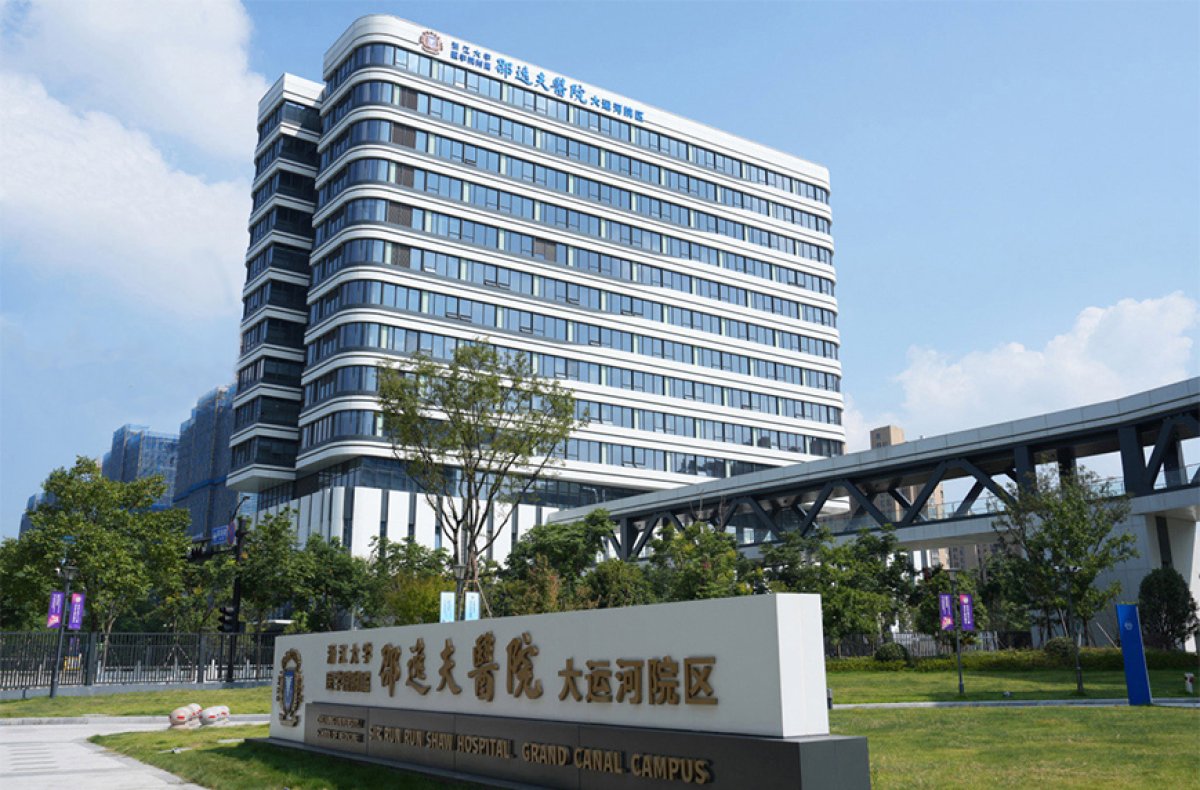


Shanghai Pubin Children’s Hospital
Obtenga una evaluación médica para Displasia del desarrollo de la cadera en China: consulte con doctores experimentados ahora
Ver todos los médicos
Chen Biao
El profesor Cheng Biao es médico jefe, profesor y tutor de doctorado en Ortopedia en el Hospital Tongji de Shanghái. Se especializa en patología articular compleja y traumatismos deportivos. Sus áreas de enfoque son la artroplastia y la artroscopia.
Su ámbito abarca la artroplastia de rodilla y cadera, la meniscectomía y la reparación del manguito rotador, del LCA y de la lesión de Bankart. También trata la displasia del desarrollo de la cadera (DDC), la inestabilidad rotuliana y del h

Peng Hao
Compartir contenido
Historias en video de pacientes de Bookimed
 Olena Sikoza
Preguntas frecuentes sobre el tratamiento de Displasia del desarrollo de la cadera en China
¿Cómo se detecta y diagnostica la displasia de cadera en los hospitales chinos?
En China, la displasia de cadera se diagnostica mediante protocolos específicos para cada edad que combinan la exploración física y las pruebas de imagen. A los bebés de hasta 4 meses se les realiza una ecografía en modo B. Después de los 6 meses, a medida que los huesos se osifican, los hospitales cambian a radiografías pélvicas. Los centros especializados utilizan el método de Graf y diagnósticos basados en inteligencia artificial para mejorar la precisión.
- Diagnóstico precoz: La ecografía es el método de referencia para la detección precoz en lactantes menores de 4 meses.
- Transición a la osificación: Después de 6 meses, las radiografías se convierten en las principales herramientas de diagnóstico.
- Signos físicos: Los médicos comprueban si hay pliegues cutáneos irregulares y limitación de la abducción de la cadera.
- Pruebas mecánicas: Los cirujanos realizan las maniobras de Ortolani y Barlow para detectar la inestabilidad articular.
- Clasificación de Graf: Los radiólogos utilizan ángulos alfa y beta específicos para clasificar el grado de madurez de la articulación de la cadera.
Opinión de expertos de Bookimed: Si bien muchas instituciones médicas ofrecen evaluaciones iniciales, elegir un hospital de Clase A, Nivel III como Yanda International es crucial para casos complejos. Estas instituciones de primer nivel a
¿Cuál es el tratamiento no quirúrgico estándar para recién nacidos en China?
El tratamiento no quirúrgico estándar para recién nacidos en China se centra en la detección temprana y el uso de ortesis. Los pediatras utilizan el corsé de Pavlik para estabilizar la displasia de cadera. Este método guía el desarrollo articular durante las primeras seis semanas de vida. La tasa de éxito para la corrección temprana alcanza el 95 %.
- Fijación temprana: Las órtesis de abducción, como la órtesis de Pavlik, mantienen las caderas en una posición óptima.
- Cribado rutinario: El cribado neonatal universal facilita la detección temprana de enfermedades y la intervención precoz.
- Ecografía: Las clínicas suelen utilizar técnicas de imagen para controlar el desarrollo de la cadera sin radiación.
- Terapia integral: El masaje pediátrico especializado puede utilizarse en combinación con dispositivos ortopédicos para mejorar la movilidad.
Opinión de expertos de Bookimed: La calidad de la atención neonatal en China se concentra principalmente en centros de nivel 3. Profesores como el Dr. Wei Li del Hospital Amcare de Pekín han realizado más de 10 000 cirugías ortopédicas. Estos especialistas priorizan los tratamientos conservadores para los bebés con el fin de evitar futuras intervenciones quirúrgicas. La participación de expertos con amplia experiencia académica ayuda a garantizar la selección precisa de ortesis para los recién nacidos.
¿Qué ocurre si el tratamiento inicial con dispositivos ortopédicos resulta ineficaz o si el diagnóstico se retrasa después de la infancia?
El fracaso del tratamiento ortésico o un retraso en el diagnóstico conllevan la transición de la ortesis a la reducción quirúrgica y la realineación ósea. Los resultados dependen de la edad del paciente. El retraso en el tratamiento aumenta el riesgo de artrosis precoz y necrosis avascular. Los cirujanos pueden realizar una reducción abierta o una osteotomía para estabilizar la articulación.
- Transición a un nuevo método de tratamiento: después de 6 meses de usar vendajes, su uso se reduce drásticamente debido a su baja eficacia.
- Cirugía: La reducción abierta permite extirpar el tejido que obstruye la cavidad y fijar el hueso.
- Corrección ósea: Una osteotomía modifica la forma de la pelvis o del fémur para cubrir mejor la articulación.
- Requisitos del yeso: Los yesos postoperatorios tipo espica inmovilizan la articulación de la cadera durante aproximadamente 3 meses.
Opinión experta de Bookimed: Cirujanos experimentados en China, como el Dr. Wei Li del Hospital Amcare de Pekín, cuentan con más de 40 años de experiencia en el tratamiento de casos complejos. Los especialistas que realizan un gran volumen de procedimientos suelen utilizar imágenes dinámicas durante las reducciones cerradas para evitar cirugías abiertas innecesarias. Esta precisión es crucial para minimizar el riesgo de necrosis aséptica en niños mayores.
Comentar
¿Cómo pueden los padres cuidar a un niño que usa un corsé ortopédico de Pavlik las 24 horas del día, los 7 días de la semana?
Los padres deben vigilar el estado del corsé de Pavlik, manteniéndolo siempre en su lugar para asegurar la correcta posición de la cadera. Se deben adaptar los procedimientos de higiene y vestimenta, sin retirar nunca las correas. Es fundamental vigilar cuidadosamente el estado de la piel. Las técnicas especiales de envoltura previenen la contaminación y protegen las caderas en su posición de abducción.
- Higiene de la piel: Para limpiar los pliegues de la piel, utilice una esponja con jabón suave, sin mojar las correas.
- Cómo cambiar un pañal: Coloque un pañal de una talla más grande debajo de las correas de la parte posterior sin levantar las piernas del bebé.
- Opciones de vestimenta: Use monos holgados con broches en la parte delantera o pantalones de pijama para minimizar la restricción de movimiento.
- Posición para dormir: Asegúrate de que el colchón sea firme y plano para que las piernas de tu bebé puedan extenderse de forma natural.
Opinión de expertos de Bookimed: Cirujanos experimentados en China, como el Dr. Wei Li del Hospital Amcare de Pekín, se especializan en el tratamiento de casos complejos de displasia de cadera. Si bien el tratamiento general es el estándar, nuestros datos muestran que las clínicas que realizan más de 10 000 cirugías ortopédicas suelen utilizar almohadillas personalizadas para mejorar la sujeción del asiento
¿Qué es una férula de cadera (o cabestrillo) después de una reducción cerrada o abierta y cómo se debe cuidar?
Una escayola de cadera es una férula rígida de yeso o fibra de vidrio que se utiliza para inmovilizar la pelvis y las piernas tras una reducción de cadera por displasia. Mantiene la cadera en la posición correcta para una cicatrización completa. Los cuidados adecuados incluyen mantener la escayola seca y vigilar la piel.
- Estructura y cobertura: Se extiende desde la mitad del pecho hasta una o ambas rodillas o tobillos.
- Mantenga la higiene: utilice el método del doble pañal para evitar que la humedad penetre en el yeso.
- Necesidad de cambiar la posición del cuerpo: Para prevenir las úlceras por presión, se debe cambiar la posición del paciente cada 2-4 horas.
- Controla la circulación: Comprueba a diario que tus dedos de los pies se mantengan rosados, calientes y puedan moverse con libertad.
Opinión de un experto de Bookimed: Si bien muchos creen que la inmovilización con yeso requiere equipo de movilidad especializado, el Dr. Wei Li del Hospital Amcare de Beijing, quien ha tratado más de 10 000 casos ortopédicos, ha demostrado que modificaciones sencillas en el hogar, como almohadas en cuña y ropa holgada, suelen ser más efectivas. Esto coincide con los datos de los principales hospitales chinos de nivel III, que atienden a más de 2 500 000 pacientes anualmente.
Comentarios de los pacientes: Los padres señalan que sus
¿Cuáles son las opciones de tratamiento para los jóvenes con displasia de cadera sintomática en China?
En China, la displasia de cadera sintomática en jóvenes se trata con métodos conservadores o cirugías que preservan el órgano, como la osteotomía periacetabular. En casos avanzados, se requiere una artroplastia total de cadera. Los centros especializados en China suelen utilizar la planificación preoperatoria en 3D y la navegación robótica para abordar problemas estructurales complejos y la osteoartritis secundaria.
- Terapia conservadora: incluye modificación de la actividad y fisioterapia durante 3 a 6 meses.
- Osteotomía periacetabular: La cirugía de reorientación ósea preferida que se utiliza para reposicionar el acetábulo poco profundo sobre la cabeza femoral.
- Artroscopia de cadera: ayuda a detectar desgarros del labrum o síndrome de pinzamiento en pacientes con displasia de cadera límite.
- Reemplazo total de cadera: cirugía reconstructiva definitiva para deformidades articulares graves o pérdida extensa de cartílago.
Opinión de expertos de Bookimed: Cirujanos chinos de renombre, como el Dr. Wei Li del Hospital Amcare de Pekín, han realizado más de 10 000 cirugías. Este elevado volumen de intervenciones es habitual en hospitales de categoría A, nivel III, como el Hospital Internacional Yanda. Los pacientes deberían priorizar estas instituciones de élite, ya que ofrecen atención especializada para casos complejos de displasia de cadera que