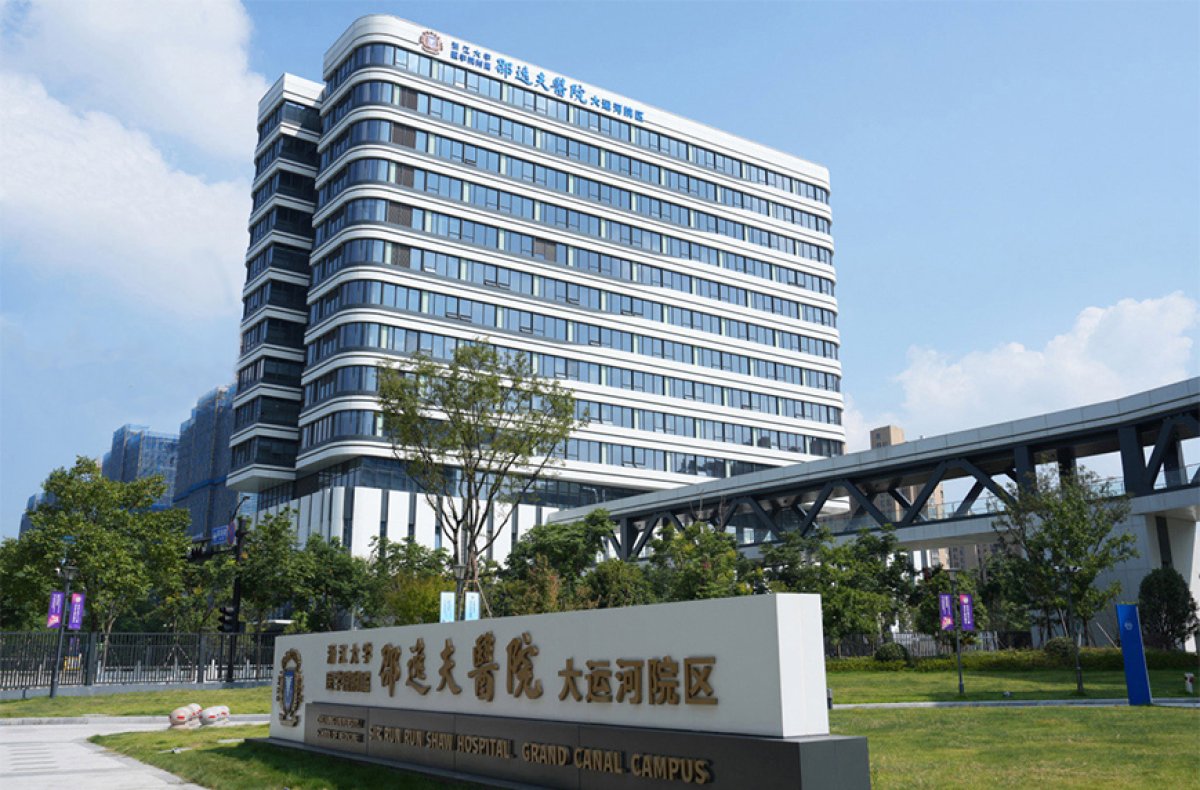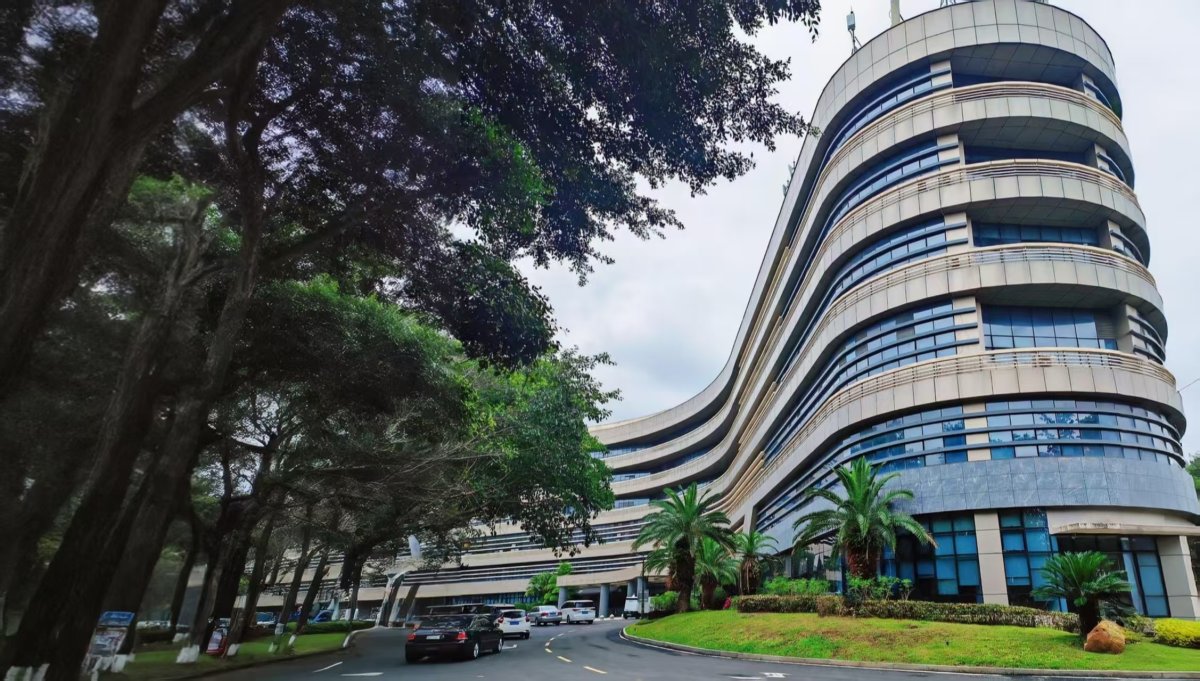
Boao International Medical Center
China, Qionghai


Revisado médicamente por
Fahad Mawlood
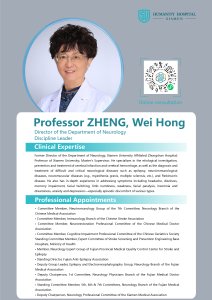
El profesor ZHENG Wei Hong es director del Departamento de Neurología y líder de la especialidad. Anteriormente fue director de Neurología del Hospital Zhongshan afiliado a la Universidad de Xiamen. Es profesor en la Universidad de Xiamen y tutor de maestría.
Su enfoque clínico incluye la investigación etiológica, la prevención y el tratamiento del infarto cerebral y la hemorragia cerebral. Asimismo, diagnostica y trata enfermedades neurológicas complejas, como la epilepsia, los trasto
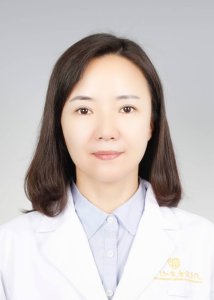
La profesora Liang Xiaoxiao es Directora del Departamento y Jefa de Servicio de Neurorrehabilitación. Cuenta con una maestría en neurología. Es experta en neuromodulación para trastornos de la conciencia, la cognición y el movimiento. Su labor se centra en casos de enfermedad cerebrovascular, enfermedad de Parkinson y afecciones relacionadas. También realiza inyecciones de toxina botulínica guiadas por ecografía para el blefaroespasmo, el espasmo hemifacial, la espasticidad de las extremidade
 Olena Sikoza
El tratamiento del dolor de cabeza en China es seguro para pacientes internacionales que buscan atención en hospitales acreditados por la JCI (Clase A, Nivel III). Estas instituciones combinan la neurología occidental con la medicina tradicional basada en la evidencia. Los centros de primer nivel cumplen con los protocolos de seguridad internacionales y emplean especialistas que integran el diagnóstico cerebral con métodos de tratamiento estandarizados.
Opinión de expertos de Bookimed: La distinción entre hospitales de diferentes niveles es el indicador más fiable de seguridad en China. Los hospitales de clase A/nivel III, como Yanda International, son centros académicos que deben superar rigurosas inspecciones gubernamentales. Estos centros suelen contar con departamentos especializados, como un equipo especializado en
Los hospitales chinos suelen tratar las cefaleas primarias, como las migrañas, las cefaleas tensionales y las cefaleas en racimos. Centros médicos como el Hospital Internacional Yanda combinan la neurología occidental con la medicina tradicional china. Los especialistas tratan las cefaleas secundarias causadas por problemas sinusales o de la columna cervical mediante protocolos híbridos en centros acreditados por la JCI.
Opinión de expertos de Bookimed: Si bien en muchos países los dolores de cabeza se tratan como síntomas aislados, los hospitales terciarios chinos de categoría A, como el Hospital Internacional Yanda, emplean un enfoque integral de la neurología. Nuestros datos muestran que estos centros atienden a más de 2.500.000 pacientes anualmente, ofreciendo diagnósticos o
Los pacientes que llegan a China para recibir tratamiento para el dolor de cabeza pueden contar con acceso inmediato a imágenes de alta resolución en centros médicos de categoría III. Instituciones como el Hospital Internacional de Yanda se especializan en neurología y combinan diagnósticos tradicionales con más de 28 000 tecnologías modernas. Los protocolos estándar incluyen resonancia magnética de 3T, angiografía por tomografía computarizada y monitorización electroencefalográfica poco después del ingreso.
Opinión de un experto de Bookimed: Si bien muchas instituciones médicas internacionales tienen largas listas de espera, los hospitales chinos de categoría A III están diseñados para atender un volumen de pacientes excepcionalmente alto. El Hospital
En China, una evaluación completa del dolor de cabeza y el tratamiento inicial suelen durar entre 5 y 15 días. Las pruebas de diagnóstico rápido, como la resonancia magnética, a menudo se completan en 3 horas. Los programas integrales en hospitales de categoría A y nivel III combinan la neurología con la medicina tradicional china y generalmente siguen un cronograma clínico estructurado de 15 días.
Reseña de expertos de Bookimed: El Hospital Internacional Yanda en Pekín cuenta con la acreditación JCI Clase A Nivel III. Atiende a 2.500.000 pacientes anualmente y combina métodos tradicionales con 28.500 tecnologías modernas. Este alto volumen de casos permite a especialistas como el Dr. Fan Yun Ping manejar eficazmente casos complejos. Los pacientes deberían elegir este centro de primer nivel para accede
Las clínicas chinas suelen combinar fármacos occidentales con la medicina tradicional china para tratar dolores de cabeza y migrañas. Este enfoque integral es el estándar nacional en los hospitales. Los médicos suelen recetar triptanes o analgésicos junto con remedios herbales y acupuntura para mejorar la eficacia y reducir la frecuencia de los ataques.
Opinión experta de Bookimed: El Hospital Internacional Yanda mantiene una alta calificación de Clase A III, atendiendo a 2.500.000 pacientes anualmente. Este elevado volumen de trabajo confirma la eficacia de los protocolos neurológicos especializados desarrollados por expertos como el Dr. Fan Yun Ping, autor de ocho libros sobre medicina integrativa. Esto subraya que el tratamiento chino para el dolor de cabeza va más allá de la medicina tradicional. Se trata de un ca
El tratamiento de seguimiento para el dolor de cabeza en China incluye un plan de alta digital. Este plan abarca el monitoreo remoto de los síntomas y la gestión de la medicación mediante consultas en línea. Los especialistas organizan visitas virtuales para evaluar su progreso. Además, ajustan su terapia, combinando medicina china y occidental, tras su regreso a casa.
Opinión de expertos de Bookimed: Si bien muchos esperan protocolos occidentales estándar, nuestros datos muestran que las mejores clínicas de Pekín se especializan en un enfoque integral del tratamiento. El Dr. Fan Yun Ping, del Hospital Internacional Yanda, se centra en combinar la neurología con l
La mayoría de los turistas extranjeros necesitan una visa para entrar a China y recibir tratamiento para el dolor de cabeza. Generalmente, pueden obtener una visa de turista de categoría L o una visa de negocios de categoría M. Se requieren certificados médicos especiales e invitaciones de hospitales para el proceso de solicitud y prórroga.
Opinión experta de Bookimed: Los hospitales chinos de categoría A y nivel III, como el Hospital Internacional Yanda, atienden a 2.500.000 pacientes al año. Estos grandes centros cuentan con sistemas especializados para la tramitación rápida de documentos de viaje. Nuestros datos indican que las clínicas que integran la neurología occidental con la medicina tradicional china proporcionan las cartas de recomendación más completas para las comisiones de visado.
Comentarios de los pacientes: