Enfermedad de tiroides Tratamiento en China — Costos 2026


Revisado médicamente por
Fahad Mawlood
¿Cuál es el precio del diagnóstico y los tratamientos de Enfermedad de tiroides en China? Descubra ahora
Sus beneficios y garantías con Bookimed
Precios directos
Bookimed no añade cargos extra a los precios de los tratamientos de Enfermedad de tiroides. Las tarifas proceden de las listas de precios oficiales de las clínicas. Pagará directamente en la clínica por su tratamiento a su llegada al país.
Sólo clínicas y médicos verificados
Bookimed está comprometido con su seguridad. Solo trabajamos con las clínicas que mantienen altos estándares internacionales en el tratamiento de Enfermedad de tiroides y cuentan con las licencias necesarias para atender a pacientes internacionales en todo el mundo.
Asistencia 24/7 gratuita
Bookimed ofrece asistencia experta gratuita. Un coordinador médico personal le apoya antes, durante y después de su tratamiento, resolviendo cualquier problema. Nunca estará solo en su viaje médico de tratamiento de Enfermedad de tiroides.

Su coordinador médico personal de Bookimed
- Le apoya en cada etapa
- Ayuda a elegir la clínica y el médico adecuados
- Asegura un acceso rápido y conveniente a la información
Descubra las mejores clínicas de tratamiento de Enfermedad de tiroides en China: 2 opciones verificadas y Precios



Obtenga una evaluación médica de tratamiento de Enfermedad de tiroides en China: haga una consulta con 7 médicos experimentados ahora
Ver todos los médicos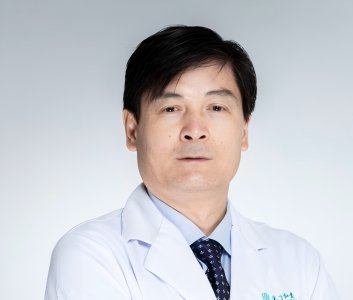
chen Yong Gang
Dr. CHEN Yonggang: Médico jefe. Jefe de Ecografía. Experto principal del equipo de ablación tiroidea. Exdirector de Ecografía del Hospital Zhongshan afiliado a la Universidad de Xiamen.
Tiene más de 30 años de experiencia en terapia tumoral mínimamente invasiva y ecografía intervencionista. Combina imagen en tiempo real con ablación precisa. Fue pionero en la biopsia a mano alzada, realizando punción dirigida con una sola mano y sin dispositivos auxiliares. Ha realizado de forma indepe
tian Jian Qing
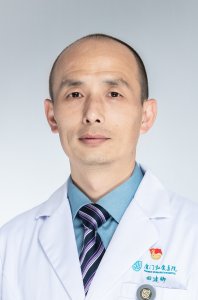
El Dr. Tian Jian Qing es director de Endocrinología y experto sénior en terapéutica endocrina y metabólica. Cuenta con más de 20 años de experiencia clínica. Anteriormente trabajó en el Hospital General del Mando Militar de Xinjiang y en el Hospital Renji de la Universidad Jiao Tong de Shanghái.
Ha publicado más de 20 artículos en revistas SCI y en revistas chinas de referencia. Es editor jefe de cuatro monografías y coeditor de otras cuatro. Ha elaborado más de 1.000 materiales de edu
Compartir contenido
Historias en video de pacientes de Bookimed
 Olena Sikoza
Preguntas frecuentes sobre el tratamiento de Enfermedad de tiroides en China
¿Es segura la cirugía de tiroides en China para pacientes extranjeros?
La cirugía de tiroides en China es segura para pacientes internacionales en hospitales acreditados por la JCI (Janade Center for International). Estos centros líderes reportan una tasa de supervivencia del 98,5 % para el cáncer de tiroides. Los cirujanos de las principales instituciones médicas realizan miles de cirugías al año. Utilizan sistemas robóticos y técnicas endoscópicas para evitar cicatrices.
- Acreditación hospitalaria: Centros líderes como el Hospital Internacional Yanda cuentan con la acreditación JCI, lo que confirma su seguridad.
- Clasificación clínica: Clase A, Nivel III, representa el nivel más alto en China.
- Experiencia quirúrgica: Los cirujanos especialistas mantienen un alto nivel de pericia técnica gracias a un gran volumen anual de pacientes.
- Tecnologías de vanguardia: La clínica ofrece ablación por microondas y diagnóstico de enfermedades tiroideas mediante inteligencia artificial.
Opinión de un experto de Bookimed: La seguridad del paciente en China está estrechamente ligada al sistema de clasificación hospitalaria. El Hospital Internacional Yanda atiende a 2.500.000 pacientes al año y cuenta con 3.000 camas. Esta magnitud permite la especialización en un campo específico. Un especialista como el Dr. Tian Jian Qing, experto en trastornos metabólicos y tiroideos, posee un conocimiento más profundo que los cirujanos ge
¿Qué métodos quirúrgicos se utilizan habitualmente para tratar las enfermedades de la tiroides en China?
En China, se priorizan los métodos mínimamente invasivos para el tratamiento quirúrgico de las enfermedades tiroideas. Los cirujanos suelen utilizar técnicas endoscópicas y robóticas para eliminar las cicatrices visibles en el cuello. Entre las técnicas clave se incluyen el abordaje transareolar, el abordaje transoral vestibular y las técnicas axilotorácicas bilaterales. Los centros especializados también utilizan la ablación térmica para tratar los nódulos benignos.
- Abordaje endoscópico: Los cirujanos acceden a la glándula tiroides a través de una incisión areolar o transoral.
- Sistemas robóticos: Instrumentos de precisión como el da Vinci proporcionan aumento 3D para casos complejos.
- Neuromonitorización: La monitorización intraoperatoria es un procedimiento estándar que se utiliza para proteger los nervios vocales.
- Ablación térmica: La ablación por radiofrecuencia y la ablación por microondas pueden reducir el tamaño de los nódulos sin necesidad de incisiones quirúrgicas.
Opinión de expertos de Bookimed: Los datos de pacientes muestran que los hospitales chinos de nivel III Clase A, como el Hospital Internacional Yanda, combinan los estándares internacionales JCI con un alto volumen de cirugías. Estos centros de alto rendimiento realizan más de 9000 cirugías al año. Este volumen permite a los especialistas perfeccionar las técnicas robót
¿Me quedarán cicatrices visibles en el cuello después de una cirugía de tiroides en China?
La visibilidad de la cicatriz tras una cirugía de tiroides en China depende de la técnica quirúrgica elegida. La cirugía abierta tradicional deja una cicatriz fina y permanente en los pliegues del cuello. Las técnicas modernas con acceso remoto, como el abordaje transoral o transaxilar, evitan por completo las incisiones en el cuello. Los cirujanos experimentados utilizan suturas internas para asegurar una óptima desaparición de la cicatriz.
- Cirugía de acceso remoto: Las técnicas transorales o axilares no dejan cicatrices visibles en el cuello.
- Incisión tradicional: Las incisiones estándar, de 2,5 a 5 cm de longitud, suelen integrarse en los pliegues naturales de la piel en pocos meses.
- Cierre profesional de heridas: Los centros especializados utilizan suturas internas y pegamento médico para minimizar las cicatrices.
- Cuidados postoperatorios: El gel de silicona y la protección solar son esenciales para prevenir la formación de cicatrices elevadas.
Opinión de los expertos de Bookimed: Los datos de los pacientes demuestran que elegir un centro médico acreditado por la JCI (Clase A III), como el Hospital Internacional Janda, garantiza el acceso a departamentos con un alto volumen de procedimientos, que realizan más de 9000 al año. Estos centros especializados suelen ofrecer un enfoque integral, combinando protocolos internacionales con méto
¿Cuánto tiempo necesito permanecer en China para la cirugía de tiroides y el seguimiento posterior?
Los pacientes internacionales deben planificar una estancia en China de 10 a 21 días. Este periodo incluye las consultas preoperatorias, la cirugía y el seguimiento postoperatorio necesario. La mayoría de los hospitales chinos requieren de 3 a 7 días de hospitalización. Los pacientes deben permanecer en el país hasta que sus niveles de calcio se estabilicen.
- Periodo de hospitalización: La estancia hospitalaria suele durar de 3 a 7 días para controlar el estado del paciente.
- Preparación preoperatoria: Los exámenes diagnósticos y las consultas con el cirujano durarán entre 2 y 5 días.
- Para pasar el control de aduanas: Las aerolíneas suelen exigir un certificado médico de aptitud para volar, expedido en un plazo máximo de 10 días.
- Restricciones de actividad: Evite levantar objetos pesados y realizar ejercicios extenuantes durante al menos 3 semanas.
Opinión de expertos de Bookimed: Si bien los protocolos locales suelen permitir el alta tras cinco días, los pacientes internacionales en centros médicos acreditados por la JCI, como el Hospital Internacional de Yanda, deben prever una estancia de 14 días. Esto permitirá realizar los análisis de sangre obligatorios y comprobar la estabilidad de la función de las cuerdas vocales antes de vuelos largos. Los principales centros de Pekín y Xiamen priorizan la movilización temprana para prevenir la fo
¿Cuál es el tiempo de recuperación postoperatoria y las restricciones de actividad física?
La recuperación tras una cirugía de tiroides en China suele durar entre dos y ocho semanas. La mayoría de los pacientes retoman sus labores de oficina en siete días. Se recomienda limitar la actividad física y el levantamiento de objetos pesados durante seis semanas. Los grandes centros, como el Hospital Internacional de Yanda, utilizan protocolos acreditados por la JCI para garantizar la seguridad del paciente.
- Reposo inmediato: Durante las primeras 72 horas, limite sus desplazamientos a los estrictamente necesarios.
- Actividad física ligera: Comience a dar paseos tranquilos a partir del tercer día para prevenir la formación de coágulos sanguíneos.
- Restricciones al levantar peso: Evite levantar objetos que pesen más de 1,5 kg durante las dos primeras semanas.
- Aumente gradualmente la intensidad del ejercicio: Después de 4 a 8 semanas, retome el ejercicio de bajo impacto, como la bicicleta estática.
- Recuperación completa: regreso a los deportes de alta intensidad y al entrenamiento de fuerza en un plazo de 3 a 6 meses.
Según los expertos de Bookimed: Los pacientes suelen pasar por alto los beneficios de la medicina integrativa disponible en Pekín y Xiamen. El Dr. Fan Yun Ping y el Dr. Tian Jian Qing se especializan en combinar protocolos quirúrgicos occidentales con enfoques tradicionales chinos. Esta sinergia busc
¿Los hospitales chinos aceptan los resultados de mis análisis de laboratorio y pruebas diagnósticas realizadas en el extranjero?
Los hospitales chinos generalmente aceptan los resultados de análisis de laboratorio e imágenes diagnósticas obtenidas en el extranjero para consultas preliminares. Los índices de aprobación más altos se observan en departamentos internacionales e instituciones acreditadas por la JCI. Para uso médico oficial, a menudo se requiere repetir las pruebas para garantizar la responsabilidad legal. Los resultados no deben tener una antigüedad superior a seis meses. Se requieren copias impresas traducidas y archivos de imágenes digitales para su verificación.
- Tasas de aceptación: Los hospitales internacionales aceptan tarjetas médicas extranjeras con más frecuencia que los hospitales estatales.
- Requisitos de formato: Proporcione los resultados originales sellados de los análisis de sangre y las imágenes en unidades USB.
- Normas de traducción: Traducción de documentos al chino para su uso en organismos gubernamentales oficiales.
- Validez: La mayoría de los expertos chinos creen que los registros solo son válidos durante seis meses.
- Control oficial: Para someterse a un examen médico al ingresar al país, se requiere una confirmación de los centros de servicios médicos locales para los médicos visitantes.
Opinión de expertos de Bookimed: Las pruebas repetidas se realizan casi universalmente, incluso dentro del sistema de salud
¿Qué servicios de apoyo están disponibles para los pacientes internacionales con problemas de tiroides?
Los pacientes internacionales con problemas de tiroides en China reciben apoyo a través de hospitales acreditados por la Joint Commission International (JCI) y redes de defensa globales. Entre los servicios especializados se incluye la coordinación multilingüe en centros importantes como el Hospital Internacional de Yanda. Los pacientes utilizan sistemas virtuales de búsqueda de especialistas y recursos educativos de organizaciones como la Federación Internacional de Tiroides.
- Coordinación hospitalaria: El Hospital Internacional Janda ofrece apoyo multilingüe especializado para pacientes internacionales.
- Especialización: La Dra. Tian Jian Qing trata casos complejos de enfermedades tiroideas y endocrinas durante el embarazo.
- Servicios lingüísticos: Las instituciones suelen especializarse en apoyar el estudio del ruso, el árabe y otros idiomas asiáticos.
- Redes globales: La Alianza contra el Cáncer de Tiroides ofrece literatura local y grupos de apoyo para pacientes.
Opinión de expertos de Bookimed: Los principales centros de China atienden a un gran número de pacientes; el Hospital Yanda, por ejemplo, recibe 2.500.000 visitas al año. Esta alta frecuencia de visitas permite a especialistas como el Dr. Fan Yun Ping acumular una amplia experiencia clínica. Los pacientes deben buscar médicos que hayan publicado numerosos artículos científicos y