Ureteroscopia flexible en Alemania: las 3 mejores clínicas y sus precios


Revisado médicamente por
Fahad Mawlood
¿Cuál es el precio de Ureteroscopia flexible en Alemania? Descubra ahora
El costo de la ureteroscopia flexible en Alemania suele oscilar entre $4,800 y $7,800. El precio varía según la clínica, la experiencia del cirujano y la complejidad de los cálculos renales o ureterales tratados. UU.
Los paquetes alemanes suelen incluir la consulta inicial, análisis de sangre preoperatorios, medicación postoperatoria, visitas de seguimiento y soporte al paciente 24/7. El personal que habla inglés y los planes de atención personalizados son habituales. A menudo se proporcionan comidas durante la estancia en la clínica. En EE. UU., el precio base suele excluir el cuidado postoperatorio, los seguimientos y los medicamentos, que se facturan por separado. Siempre confirmar qué está incluido en la clínica elegida.
| Alemania | España | Turquía | |
|---|---|---|---|
| Ureteroscopia flexible | ≈ $4,800 | ≈ $4,300 | ≈ $2,300 |
Sus beneficios y garantías con Bookimed
Precios directos
Bookimed no añade cargos adicionales a los precios de Ureteroscopia flexible. Las tarifas proceden de las listas de precios oficiales de las clínicas. Pagará directamente en la clínica por su Ureteroscopia flexible a su llegada al país.
Sólo clínicas y médicos verificados
Bookimed está comprometido con su seguridad. Solo trabajamos con las clínicas que mantienen altos estándares internacionales en Ureteroscopia flexible y tienen las licencias necesarias para atender a pacientes internacionales en todo el mundo.
Asistencia 24/7 gratuita
Bookimed ofrece asistencia experta gratuita. Un coordinador médico personal le apoya antes, durante y después del tratamiento, resolviendo cualquier problema. Nunca estará solo en su viaje médico de Ureteroscopia flexible.

Su coordinador médico personal de Bookimed
- Le apoya en cada etapa
- Ayuda a elegir la clínica y el médico adecuados
- Asegura un acceso rápido y conveniente a la información
Descubra las mejores clínicas de Ureteroscopia flexible en Alemania: 3 opciones verificadas y Precios
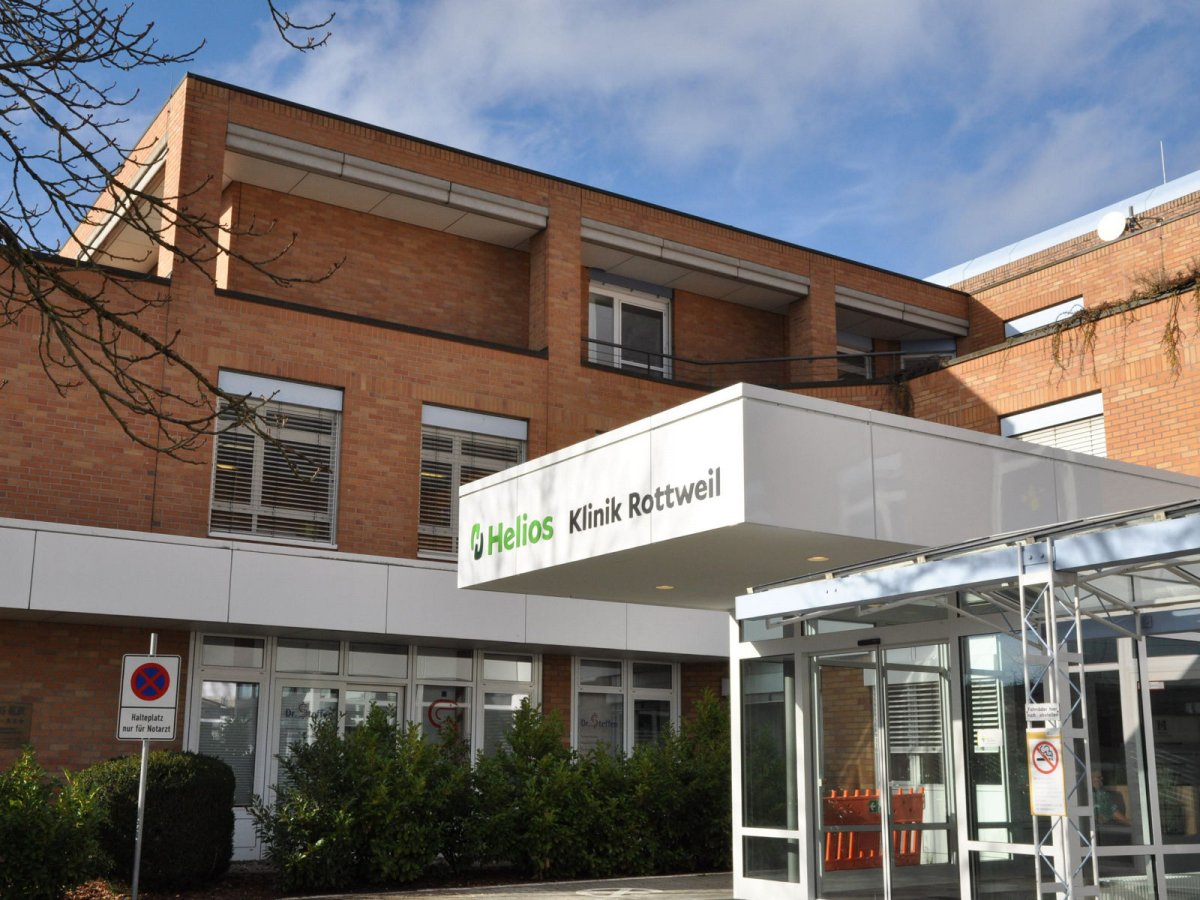



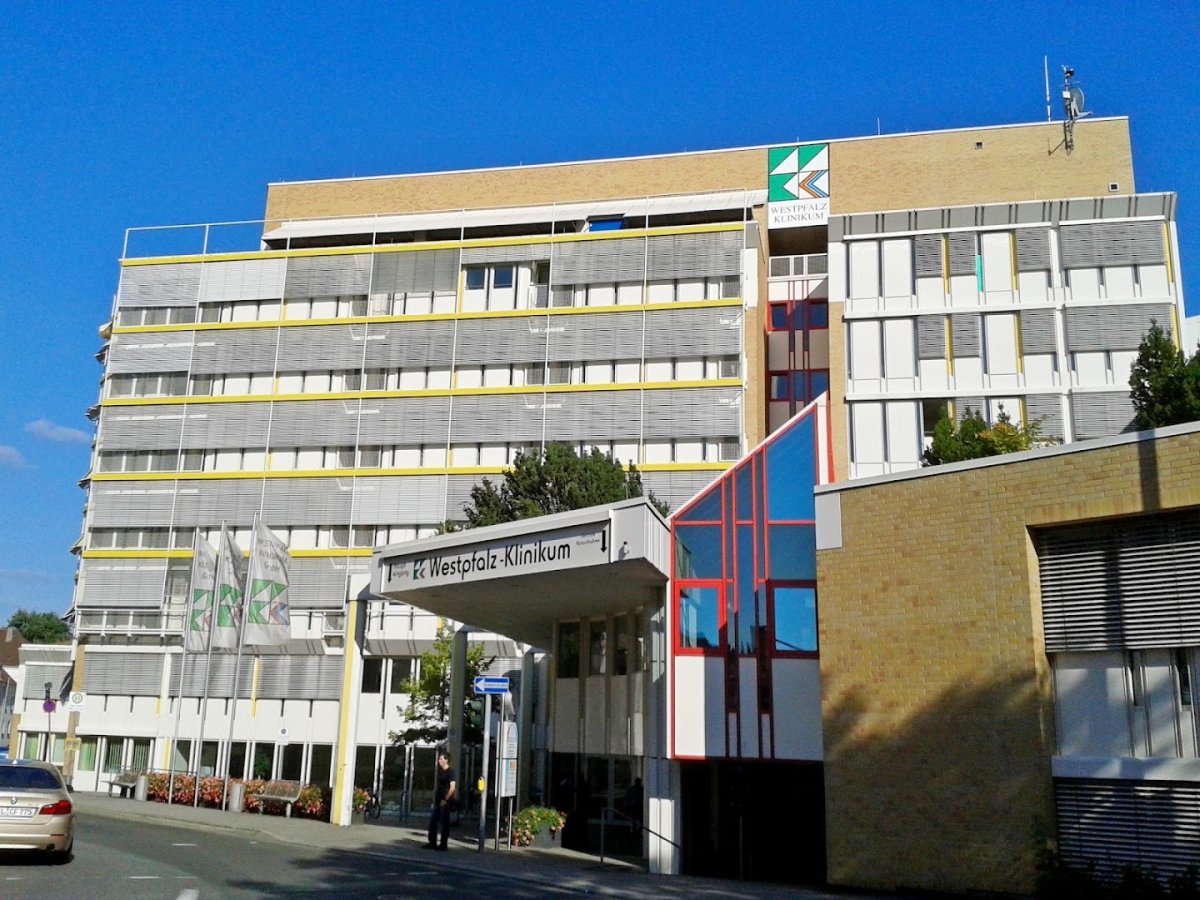
Westpfalz-Klinikum GmbH


Descripción general de Ureteroscopia flexible en Alemania
- Ureterorrenoscopia flexible (URS) - de $4,800La operación utiliza un tubo delgado y flexible para diagnosticar y tratar afecciones renales y ureterales de manera eficiente y segura.
- Depósito de Bookimed: 200 $ o 200 €.
- Depósito de la clínica: Pague un porcentaje fijo por adelantado.
Historias en video de pacientes de Bookimed
Reseñas
Todas las reseñasCompartir contenido
 Olena Sikoza
Preguntas frecuentes sobre Ureteroscopia flexible en Alemania
¿Qué es la ureteroscopia flexible (fURS) y cómo se realiza en Alemania?
La ureteroscopia flexible en Alemania es un procedimiento endoscópico mínimamente invasivo que trata los cálculos renales mediante un endoscopio orientable equipado con cámara. Los urólogos alemanes navegan a través de la uretra y la vejiga para fragmentar los cálculos con láser de alta definición. Esta técnica avanzada evita incisiones y garantiza una eliminación precisa de los cálculos en hospitales académicos especializados.
- Técnica quirúrgica: Los cirujanos utilizan endoscopios flexibles delgados de 7.5 F para alcanzar cálices renales de difícil acceso.
- Gestión de cálculos: La litotricia láser utiliza fibras de 200 micrómetros para un polvo o fragmentación precisa de los cálculos.
- Herramientas de acceso: Las vainas de acceso ureteral reducen la presión intrarrenal y facilitan la eliminación eficiente de múltiples cálculos.
- Protocolos de seguridad: Las clínicas exigen un control estricto de las infecciones del tracto urinario y pruebas de imagen preoperatorias antes de la intervención.
Perspectiva del experto de Bookimed: Los hospitales académicos alemanes como Solingen o Helios Wuppertal suelen utilizar equipos de dos cirujanos para casos complejos. Aunque esto aumenta las necesidades de personal, mejora significativamente la eficiencia al tratar múltiples cálculos. Los pacientes se benefician de tiempos de anestesia más cortos, ya
¿Cuáles son los principales riesgos y cómo se evitan las infecciones?
La ureteroscopia flexible en Alemania conlleva riesgos principales de infección del tracto urinario y sepsis, aunque las tasas de éxito siguen siendo altas. Los cirujanos evitan las complicaciones asegurando cultivos de orina negativos antes de la operación, administrando antibióticos perioperatorios y manteniendo una presión de irrigación baja dentro de departamentos de urología especializados como el Hospital Universitario Helios de Wuppertal.
- Prevención de infecciones: Los cirujanos posponen los procedimientos hasta que cualquier infección activa del tracto urinario se haya eliminado por completo.
- Protocolo de antibióticos: Los pacientes reciben antibióticos perioperatorios de rutina para bloquear la migración bacteriana durante la cirugía.
- Control de presión: Los médicos mantienen una presión de irrigación baja para evitar el reflujo hacia los riñones.
- Gestión de la duración: Los equipos de expertos limitan el tiempo del procedimiento para reducir la exposición sistémica a las bacterias.
Perspectiva de expertos de Bookimed: Las clínicas alemanas como el Centro Médico de Solingen tratan a más de 60.000 pacientes al año bajo estrictos estándares de la Sociedad Alemana del Cáncer. Este alto volumen permite a los cirujanos dominar las técnicas de baja presión. Los datos muestran que las instalaciones de primer nivel se centran en la sin
¿Cuánto tiempo dura el procedimiento y cuál es el cronograma típico de recuperación?
La ureteroscopia flexible en Alemania generalmente toma de 30 a 90 minutos. Los pacientes suelen lograr una recuperación completa en 1 a 2 semanas. Los hospitales universitarios alemanes suelen ofrecer el alta el mismo día o al día siguiente, priorizando una vigilancia postoperatoria enfocada durante las primeras 72 horas críticas para los pacientes internacionales.
- Duración quirúrgica: Los procedimientos suelen durar menos de 60 minutos para cálculos renales únicos y pequeños.
- Estancia hospitalaria: La mayoría de los pacientes califican para el alta el mismo día o para una breve observación nocturna.
- Recuperación inicial: Los síntomas como la urgencia urinaria y la incomodidad alcanzan su punto máximo durante las primeras 24 a 72 horas.
- Regreso al trabajo: Los trabajadores de oficina suelen volver al trabajo en 3 a 7 días.
Perspectiva de expertos de Bookimed: Los datos del Hospital Universitario Helios de Wuppertal y Solingen indican un enfoque en la eficiencia de alto volumen. Estos centros atienden hasta 150.000 pacientes al año. Este volumen sugiere que los cirujanos poseen una alta competencia técnica, lo que a menudo minimiza el tiempo bajo anestesia. Los tiempos de procedimiento más cortos se correlacionan directamente con una reducción de la inflamación postoperatoria y tasas de alta más rápidas.
Consenso de los p
¿Se inserta siempre un stent ureteral (Doble J) y cómo se maneja?
Un stent ureteral no es obligatorio para la ureteroscopia flexible en Alemania. Los cirujanos lo insertan de forma selectiva para asegurar el drenaje de la orina, manejar la inflamación ureteral o evitar la obstrucción por fragmentos de cálculos. Cuando se usa, permanece de 5 a 14 días y requiere extracción mediante cistoscopia o un hilo de tracción.
- Criterios de inserción: La decisión se basa en el tamaño del cálculo, el trauma ureteral o la complejidad del procedimiento.
- Manejo de síntomas: La hidratación y los relajantes vesicales ayudan a manejar la micción frecuente y el dolor leve en el flanco.
- Duración del stent: La mayoría de los pacientes requieren un stent temporal solo por 1 a 2 semanas.
- Técnica de extracción: Los urólogos retiran los stents utilizando un telescopio flexible o un hilo de tracción externo.
Perspectiva de expertos de Bookimed: Los hospitales académicos alemanes como Solingen o Helios Wuppertal suelen seguir protocolos de colocación selectiva de stents. Los datos indican que las clínicas con grandes volúmenes de pacientes (más de 60.000 al año) priorizan evitar los stents para cálculos pequeños y sin complicaciones. Los cirujanos en estos centros aprovechan endoscopios flexibles avanzados para minimizar el trauma ureteral que normalmente requiere un stent.
Consenso de los pacientes: Aunqu
¿Dónde se encuentran los principales centros para fURS en Alemania?
Los principales centros para fURS en Alemania se encuentran en hospitales universitarios y centros especializados en cálculos en ciudades como Solingen, Múnich y Düsseldorf. Estas instalaciones utilizan ureteroscopios flexibles digitales y láseres potentes de tulio u holmio para tratar cálculos renales y ureterales complejos de forma mínimamente invasiva.
- Centros especializados en cálculos: Los hospitales académicos como el de Solingen manejan un alto volumen de endourología diagnóstica y terapéutica.
- Tecnología láser avanzada: Los centros utilizan láseres de fibra de tulio para la fragmentación precisa de cálculos durante la fURS.
- Estatus de hospital académico: Las principales instalaciones a menudo sirven como centros de enseñanza universitaria, asegurando tratamientos respaldados por la investigación.
- Estándares de instalaciones acreditadas: Las instituciones preferidas mantienen certificaciones de la Sociedad Alemana del Cáncer o IASIOS para la seguridad.
Opinión de los expertos de Bookimed: Los datos de los pacientes muestran una clara ventaja al elegir hospitales académicos como Solingen o Helios Wuppertal en lugar de clínicas más pequeñas. Estos centros más grandes tratan hasta 150 000 pacientes al año y a menudo albergan unidades de endourología dedicadas. Este gran volumen se correlaciona directamente con técnicas quirúrgicas r
¿Qué hospitales en Alemania tienen las calificaciones más altas en neurocirugía?
Alemania alberga algunos de los departamentos de neurocirugía más prestigiosos del mundo, liderados por la Charité – Universitätsmedizin Berlin y el Hospital Universitario de Heidelberg. Estos centros destacan en el tratamiento de tumores cerebrales complejos y enfermedades cerebrovasculares. Para maximizar la eficacia de sus procedimientos, utilizan tecnologías de vanguardia como la resonancia magnética intraoperatoria y la neuronavegación asistida por computadora.
- Charité Berlín: Realiza más de 5000 cirugías al año. La clínica está dirigida por el reconocido neurocirujano Dr. Peter Vaikoczy.
- Centro Médico Solingen: El Dr. Ralf Buhl ha realizado más de 4.000 cirugías, incluidas cirugías de columna mínimamente invasivas.
- Clínica Asklepios Nord: equipada con el único sistema de resonancia magnética intraoperatoria bilateral de Alemania para garantizar precisión quirúrgica en tiempo real durante la extirpación del tumor.
- Clínica Nordwest: reconocida por la revista Newsweek como un hospital líder por su innovación en tecnología de ultrasonido 3D.
Opinión experta de Bookimed: Los datos muestran que elegir centros con un alto volumen quirúrgico suele llevar a recomendaciones de tratamiento más conservadoras. En el Centro Médico Solingen, que atiende a más de 60.000 pacientes al año, los cirujanos suelen sugerir fisioterapia en lugar de cirugía
¿Cuáles son las tasas de éxito de los procedimientos neuroquirúrgicos complejos en Alemania?
En Alemania, los procedimientos neuroquirúrgicos de alta complejidad demuestran una seguridad excepcional. Las tasas de éxito en las fusiones espinales alcanzan el 99 %. La tasa de supervivencia en las resecciones de tumores cerebrales primarios es del 97 %. La independencia funcional es alta. Más del 82 % de los pacientes reciben el alta inmediatamente después del tratamiento. Los centros alemanes priorizan la preservación de la función neurológica mediante técnicas modernas de mapeo.
- Resección de tumores: los cirujanos logran una resección tumoral completa en el 87,2% de los casos de metástasis cerebrales.
- Éxito en el tratamiento de enfermedades vasculares: los hospitales alemanes informan de una tasa de supervivencia del 98,7% para aneurismas no rotos.
- Mejora del estado neurológico: casi el 43% de los pacientes experimentan una mejora de los parámetros funcionales después de resecciones complejas.
- Seguridad de las intervenciones quirúrgicas: En grandes centros quirúrgicos, las tasas de supervivencia de los pacientes después de la cirugía de columna son del 98-99%.
Opinión experta de Bookimed: Cirujanos experimentados como el Dr. Uwe Köhler, de la Clínica Asklepios Altona, realizan más de 2000 cirugías al año. Los datos muestran que estos especialistas mantienen tasas de éxito de hasta el 90 %, incluso en los tumores cerebrales más comp
¿Qué tecnologías avanzadas suelen estar disponibles en las clínicas neuroquirúrgicas alemanas?
Las clínicas neuroquirúrgicas alemanas incorporan regularmente instrumentos digitales de alta precisión y visualización en tiempo real a la práctica quirúrgica. Entre las tecnologías clave se encuentra la neuronavegación computarizada para cirugías de cerebro y médula espinal. Instituciones como la Clínica Asklepios Nord utilizan la resonancia magnética intraoperatoria para verificar la extirpación de tumores en tiempo real. Estos sistemas proporcionan a los cirujanos navegación GPS 3D.
- Neuronavegación: proporciona visualización 3D y seguimiento de instrumentos en tiempo real para lograr precisión quirúrgica hasta el nivel submilimétrico.
- Imágenes intraoperatorias: sistemas como iMRI y O-arm CT permiten la confirmación inmediata de una resección exitosa.
- Neuromonitorización: Monitorea las funciones motoras y sensoriales durante la cirugía para proteger el sistema nervioso.
- Diagnóstico de fluorescencia: se utiliza el colorante 5-ALA para resaltar los bordes del tumor para una eliminación más completa.
- Asistencia robótica: Sistemas como el Da Vinci mejoran la precisión en procedimientos complejos y mínimamente invasivos.
Opinión experta de Bookimed: Grandes centros como la Charité – Universitätsmedizin de Berlín realizan más de 4000 procedimientos neuroquirúrgicos al año, lo que crea un entorno rico en datos para p
¿Qué formación especializada reciben los neurocirujanos en ejercicio en Alemania?
En Alemania, los neurocirujanos deben completar una residencia especializada de seis años tras graduarse de la facultad de medicina. Este programa estructurado incluye cuidados intensivos, práctica clínica y una revista quirúrgica obligatoria. Posteriormente, los candidatos aprueban un examen estatal para obtener el título de residente (Facharzt für Neurochirurgie).
- Residencia clínica: requiere de 48 a 72 meses de práctica neuroquirúrgica especializada.
- Cuidados intensivos: incluye una pasantía obligatoria de 6 meses en una unidad de cuidados intensivos neuroquirúrgicos.
- Revista quirúrgica: los cirujanos documentan cientos de cirugías, incluidas craneotomías y cirugías de columna.
- Examen de licencia: Los solicitantes deben aprobar un examen médico oral y práctico administrado por el estado.
Opinión experta de Bookimed: La formación neuroquirúrgica alemana se centra en una amplia experiencia quirúrgica. Por ejemplo, el Dr. Ralf Buhl, del Centro Médico Solingen, ha realizado más de 4000 cirugías. El Dr. Jürgen Kiwit, del Hospital Meoklinik, cuenta con más de 25 años de experiencia. Este riguroso sistema garantiza que los especialistas de los principales centros aborden casos complejos con una precisión demostrada.
Comentarios de los pacientes: Los pacientes se sienten seguros al saber que sus médicos han recibido año
¿Qué requisitos de idioma y de licencia se exigen a los cirujanos extranjeros que deseen formarse u observar procedimientos neuroquirúrgicos en Alemania?
Los neurocirujanos extranjeros deben cumplir estrictos requisitos de idioma y licencia para realizar formación o prácticas en Alemania. La formación requiere una licencia médica válida o un permiso temporal. Los internos deben obtener la autorización de un hospital específico. Ambas opciones requieren un alto nivel de alemán para participar en debates clínicos y realizar procedimientos quirúrgicos complejos con seguridad.
- Conocimientos de idiomas: Para la formación clínica se requiere un nivel general de alemán B2 y un nivel de lenguaje médico C1 (Fachsprachprüfung).
- Licencia clínica: Los cirujanos necesitan un permiso para la práctica permanente (Approbation) o un permiso profesional (Berufserlaubnis) para prácticas supervisadas temporales.
- Estado de observación: La hospitalización permite la observación de procedimientos quirúrgicos sin responsabilidad médica ni licencia formal.
- Evaluación de la cualificación: Los graduados médicos no pertenecientes a la UE a menudo tienen que pasar por un proceso de validación del diploma en un plazo de 3 a 6 meses.
Opinión experta de Bookimed: Las clínicas alemanas con un alto volumen de pacientes, como Nordwest Clinic o Asklepios Nord, suelen priorizar a los candidatos que ya han pasado una evaluación preliminar de la documentación. Nuestros datos muestran que profesores como el Dr. Uwe Köhler y el D