Resección histeroscópica del tabique uterino (septoplastia histeroscópica) en Alemania: clínica verificada y sus precios


Revisado médicamente por
Fahad Mawlood
¿Cuál es el precio de Resección histeroscópica del tabique uterino (septoplastia histeroscópica) en Alemania? Descubra ahora
El costo de la resección histeroscópica del tabique uterino (septoplastia histeroscópica) en Alemania suele oscilar de $2,300 a $4,300. Los precios pueden variar según el hospital, la experiencia del cirujano, la complejidad del tabique uterino y si se requieren tratamientos de fertilidad adicionales o anestesia. UU.
Los hospitales alemanes suelen incluir la consulta preoperatoria, anestesia general o local, el procedimiento histeroscópico, el uso de instrumentos histeroscópicos avanzados y una visita de seguimiento. La estancia hospitalaria (a menudo ambulatoria o de 1 noche) y los medicamentos estándar también están incluidos. En EE. UU., el precio indicado suele cubrir solo los honorarios del cirujano, con cargos separados por anestesia, uso de las instalaciones y atención postoperatoria. Siempre confirmar qué servicios están incluidos en la clínica elegida.
| Alemania | España | Turquía | |
|---|---|---|---|
| Resección histeroscópica del tabique uterino (septoplastia histeroscópica) | ≈ $2,300 | ≈ $2,300 | de $3,400 |
Sus beneficios y garantías con Bookimed
Precios directos
Bookimed no añade cargos adicionales a los precios de Resección histeroscópica del tabique uterino (septoplastia histeroscópica). Las tarifas proceden de las listas de precios oficiales de las clínicas. Pagará directamente en la clínica por su Resección histeroscópica del tabique uterino (septoplastia histeroscópica) a su llegada al país.
Sólo clínicas y médicos verificados
Bookimed está comprometido con su seguridad. Solo trabajamos con las clínicas que mantienen altos estándares internacionales en Resección histeroscópica del tabique uterino (septoplastia histeroscópica) y tienen las licencias necesarias para atender a pacientes internacionales en todo el mundo.
Asistencia 24/7 gratuita
Bookimed ofrece asistencia experta gratuita. Un coordinador médico personal le apoya antes, durante y después del tratamiento, resolviendo cualquier problema. Nunca estará solo en su viaje médico de Resección histeroscópica del tabique uterino (septoplastia histeroscópica).

Su coordinador médico personal de Bookimed
- Le apoya en cada etapa
- Ayuda a elegir la clínica y el médico adecuados
- Asegura un acceso rápido y conveniente a la información
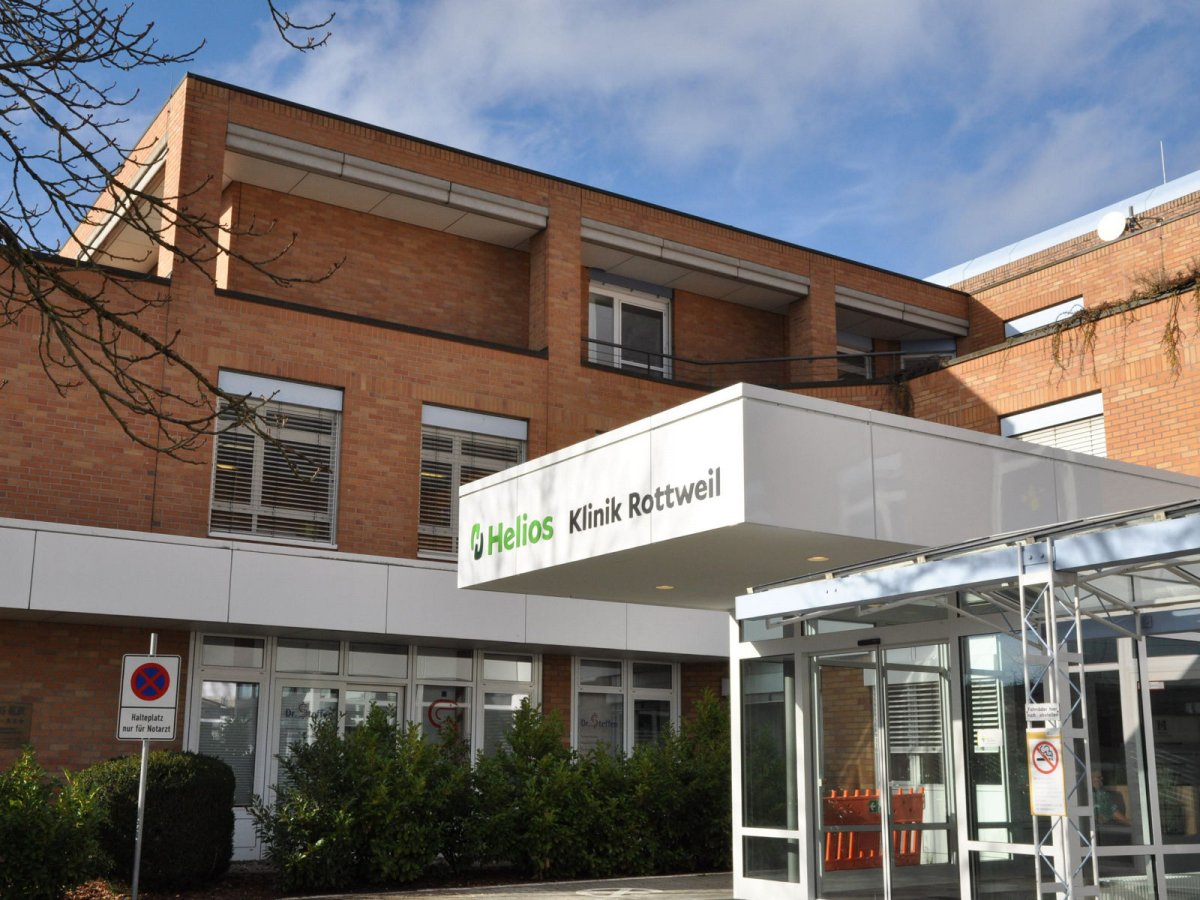
Descubra las mejores clínicas de Resección histeroscópica del tabique uterino (septoplastia histeroscópica) en Alemania: 1 opciones verificadas y Precios

Descripción general de Resección histeroscópica del tabique uterino (septoplastia histeroscópica) en Alemania
- Depósito de Bookimed: 200 $ o 200 €.
- Depósito de la clínica: Pague un porcentaje fijo por adelantado.
Obtenga una evaluación médica para Resección histeroscópica del tabique uterino (septoplastia histeroscópica) en Alemania: Elija su especialista entre los mejores en el campo
Ver todos los médicos
Séverine Iborra
La Dra. Séverine Iborra dirige el Departamento de Ginecología y Obstetricia del Städtisches Klinikum Solingen, especializándose en procedimientos mínimamente invasivos como la resección histeroscópica de tabique.
- Certificada en oncología ginecológica y obstetricia especializada
- Formada en instituciones de primer nivel en Francia y Alemania
- Experta en técnicas histeroscópicas avanzadas para anomalías uterinas
- Miembro activo de las principales sociedades ginecológicas alemanas
Historias en video de pacientes de Bookimed
Compartir contenido
 Olena Sikoza
Preguntas frecuentes sobre Resección histeroscópica del tabique uterino (septoplastia histeroscópica) en Alemania
¿Cuál es el objetivo de la resección histeroscópica de septo?
El objetivo principal de la resección histeroscópica de septo es eliminar el tejido fibroso que divide la cavidad uterina. Esto restaura una forma uterina normal para mejorar la implantación del embrión y optimizar el entorno para un embarazo saludable. Se dirige específicamente a la prevención de abortos espontáneos recurrentes y la reducción de complicaciones obstétricas.
- Resultados del embarazo: Aumenta significativamente las tasas de futuros embarazos saludables, alcanzando a menudo un 50-80% de éxito.
- Reducción de abortos: Minimiza los riesgos de aborto espontáneo al expandir la cavidad uterina restringida.
- Restauración anatómica: Crea una cavidad única y unificada para prevenir la presentación fetal anormal y la posición de nalgas.
- Alivio de síntomas: Alivia el dolor menstrual severo y el sangrado anormal causado por el septo estructural.
Perspectiva del experto de Bookimed: Las clínicas alemanas como el Hospital Universitario Helios Wuppertal integran la resección en centros de alto volumen que tratan a 150,000 pacientes anualmente. Si bien el procedimiento se centra en la anatomía, cirujanos como la Dra. Séverine Iborra priorizan el diagnóstico oncológico y molecular. Esto asegura que el septo sea el único factor antes de proceder. Combinar esta precisión quirúrgica con los estándares de la Sociedad Alemana del Cáncer proporcion
¿Cuáles son los posibles riesgos o complicaciones del procedimiento?
La resección histeroscópica de septo en Alemania es un procedimiento seguro con tasas bajas de complicaciones. Los riesgos principales incluyen perforación uterina, infecciones secundarias y sobrecarga de líquidos por los medios de distensión. Los hospitales universitarios alemanes mitigan esto mediante tecnologías de visualización avanzadas y un monitoreo intraoperatorio riguroso para garantizar la seguridad del paciente.
- Perforación uterina: Los cirujanos utilizan imágenes precisas para evitar lesiones si el septo es grueso.
- Manejo de fluidos: El monitoreo estricto previene desequilibrios electrolíticos por la absorción de líquidos durante la cirugía.
- Adherencias intrauterinas: Las técnicas de traumatismo mínimo reducen el riesgo de cicatrices que podrían afectar la fertilidad.
- Infección postoperatoria: Las clínicas siguen los estándares de la Sociedad Alemana de Ginecología para minimizar los riesgos bacterianos.
Perspectiva del experto de Bookimed: Los hospitales universitarios alemanes como Helios Wuppertal utilizan equipos multidisciplinarios que atienden a 150,000 pacientes anualmente. Este alto volumen en 28 departamentos asegura que incluso complicaciones raras, como la sobrecarga de líquidos, sean manejadas por especialistas. Elegir a una médica jefa como la Dra. Séverine Iborra, quien posee certificaciones avanzadas en diagnó
¿Cómo se elimina físicamente el septo?
La resección del septo por histeroscopia en Alemania elimina físicamente la división de la pared uterina mediante un enfoque mínimamente invasivo. Los cirujanos insertan un histeroscopio a través del cuello uterino para visualizar la cavidad. El tejido se incide o se rasura con microinstrumentos especializados hasta que el útero asume una forma normal.
- Acceso con instrumentos: Los cirujanos pasan un histeroscopio delgado a través de la abertura natural del cuello uterino.
- División de tejidos: El septo se corta o se rasura con tijeras frías o asas electroquirúrgicas.
- Guía visual: Una cámara de alta definición permite un remodelado preciso sin realizar incisiones abdominales externas.
- Normalización de la cavidad: Los especialistas dividen gradualmente el tejido fibroso hasta que la cavidad uterina alcanza su capacidad total.
Perspectiva de expertos de Bookimed: Los hospitales universitarios alemanes como Helios Wuppertal aprovechan el alto volumen de pacientes para perfeccionar la precisión de la resección. Los cirujanos líderes a menudo prefieren las tijeras frías sobre la electrocirugía. Esta técnica preserva mejor el endometrio sano circundante para futuros embarazos. Muchos especialistas alemanes combinan esto con monitoreo laparoscópico para garantizar los márgenes de seguridad más altos.
Consenso de los pacientes:
¿Cuánto tiempo debo esperar después de la cirugía antes de intentar el embarazo?
Después de una resección del septo por histeroscopia en Alemania, las pacientes suelen esperar de 1 a 3 meses antes de intentar el embarazo. Los cirujanos requieren que el revestimiento uterino sane por completo y suelen confirmar esto durante una histeroscopia o ecografía de control después de 1 o 2 ciclos menstruales normales.
- Cronograma de curación: La mayoría de las pacientes reciben el visto bueno para concebir después de 1 a 3 ciclos menstruales.
- Autorización médica: Una ecografía de seguimiento garantiza que la cavidad uterina sea normal antes de intentar el embarazo.
- Enfoque quirúrgico: Los especialistas alemanes utilizan técnicas mínimamente invasivas para preservar el delicado tejido endometrial.
- Mitigación de riesgos: Esperar previene complicaciones como adherencias intrauterinas o problemas con la implantación del embrión.
Perspectiva de expertos de Bookimed: Las clínicas alemanas como el Hospital Universitario Helios de Wuppertal enfatizan la integridad estructural a través de departamentos de ginecología especializados. Los datos sugieren que especialistas como la Dra. Séverine Iborra, quien posee doble certificación en obstetricia y oncología, priorizan un chequeo diagnóstico después del primer periodo. Esto asegura que el septo se eliminó por completo sin dejar cicatrices antes de comenzar los tratamientos de fertilidad.
¿Puede volver a crecer el septo uterino después de la resección?
Un septo uterino no puede volver a crecer una vez que se ha eliminado por completo. Una nueva detección suele indicar la presencia de tejido residual debido a una resección inicial incompleta. El tejido cicatricial postoperatorio o las adherencias intrauterinas también pueden aparecer como un septo en estudios de imagen de seguimiento, como una sonohisterografía.
- Resección incompleta: Los cirujanos a veces dejan pequeñas porciones para evitar dañar la pared uterina.
- Adherencias intrauterinas: El tejido en proceso de curación puede adherirse, imitando la apariencia de un septo.
- Distorsión de la imagen: Los cambios postoperatorios pueden dificultar que los médicos interpreten las ecografías con precisión.
- Medidas preventivas: Los médicos pueden recetar estrógeno para asegurar que el revestimiento uterino sane correctamente.
Perspectiva de expertos de Bookimed: Las clínicas alemanas como el Hospital Universitario Helios de Wuppertal atienden a más de 150,000 pacientes al año. Sus cirujanos altamente especializados, como la Dra. Séverine Iborra, priorizan la visualización directa durante la histeroscopia. Las investigaciones sugieren que confirmar un contorno normal de la cavidad inmediatamente después de la cirugía reduce significativamente la necesidad de procedimientos repetidos.
Consenso de los pacientes: Muchas
¿Cuál es el tiempo típico de recuperación tras una resección del septo uterino por histeroscopia?
La mayoría de las pacientes logran una recuperación física inicial entre 1 y 3 días después de una resección del septo por histeroscopia. Este enfoque alemán mínimamente invasivo permite un rápido retorno al trabajo y a las actividades ligeras. La cicatrización interna completa del útero suele requerir de 6 a 8 semanas antes de intentar concebir.
- Regreso al trabajo: La mayoría de las personas retoman sus actividades profesionales en las 48 horas posteriores al procedimiento.
- Restricciones de actividad: El ejercicio intenso y la natación suelen reanudarse tras el cese del sangrado, aproximadamente a la semana.
- Duración de los síntomas: Los calambres abdominales leves y el manchado suelen desaparecer en 7 días.
- Cicatrización interna: La restauración completa de los tejidos del revestimiento uterino toma aproximadamente 2 meses.
Perspectiva de expertos de Bookimed: Las clínicas alemanas como el Hospital Universitario Helios de Wuppertal tratan a 150,000 pacientes al año con técnicas mínimamente invasivas. Aunque la recuperación física es rápida, cirujanos como la Dra. Séverine Iborra enfatizan la ventana de curación de 8 semanas. Este periodo es vital para que el revestimiento uterino se estabilice antes del embarazo.
Consenso de los pacientes: Muchas se sienten recuperadas en 3 días, pero notan que el flujo dura un
¿Qué hospitales en Alemania tienen las calificaciones más altas en neurocirugía?
Alemania alberga algunos de los departamentos de neurocirugía más prestigiosos del mundo, liderados por la Charité – Universitätsmedizin Berlin y el Hospital Universitario de Heidelberg. Estos centros destacan en el tratamiento de tumores cerebrales complejos y enfermedades cerebrovasculares. Para maximizar la eficacia de sus procedimientos, utilizan tecnologías de vanguardia como la resonancia magnética intraoperatoria y la neuronavegación asistida por computadora.
- Charité Berlín: Realiza más de 5000 cirugías al año. La clínica está dirigida por el reconocido neurocirujano Dr. Peter Vaikoczy.
- Centro Médico Solingen: El Dr. Ralf Buhl ha realizado más de 4.000 cirugías, incluidas cirugías de columna mínimamente invasivas.
- Clínica Asklepios Nord: equipada con el único sistema de resonancia magnética intraoperatoria bilateral de Alemania para garantizar precisión quirúrgica en tiempo real durante la extirpación del tumor.
- Clínica Nordwest: reconocida por la revista Newsweek como un hospital líder por su innovación en tecnología de ultrasonido 3D.
Opinión experta de Bookimed: Los datos muestran que elegir centros con un alto volumen quirúrgico suele llevar a recomendaciones de tratamiento más conservadoras. En el Centro Médico Solingen, que atiende a más de 60.000 pacientes al año, los cirujanos suelen sugerir fisioterapia en lugar de cirugía
¿Cuáles son las tasas de éxito de los procedimientos neuroquirúrgicos complejos en Alemania?
En Alemania, los procedimientos neuroquirúrgicos de alta complejidad demuestran una seguridad excepcional. Las tasas de éxito en las fusiones espinales alcanzan el 99 %. La tasa de supervivencia en las resecciones de tumores cerebrales primarios es del 97 %. La independencia funcional es alta. Más del 82 % de los pacientes reciben el alta inmediatamente después del tratamiento. Los centros alemanes priorizan la preservación de la función neurológica mediante técnicas modernas de mapeo.
- Resección de tumores: los cirujanos logran una resección tumoral completa en el 87,2% de los casos de metástasis cerebrales.
- Éxito en el tratamiento de enfermedades vasculares: los hospitales alemanes informan de una tasa de supervivencia del 98,7% para aneurismas no rotos.
- Mejora del estado neurológico: casi el 43% de los pacientes experimentan una mejora de los parámetros funcionales después de resecciones complejas.
- Seguridad de las intervenciones quirúrgicas: En grandes centros quirúrgicos, las tasas de supervivencia de los pacientes después de la cirugía de columna son del 98-99%.
Opinión experta de Bookimed: Cirujanos experimentados como el Dr. Uwe Köhler, de la Clínica Asklepios Altona, realizan más de 2000 cirugías al año. Los datos muestran que estos especialistas mantienen tasas de éxito de hasta el 90 %, incluso en los tumores cerebrales más comp
¿Qué tecnologías avanzadas suelen estar disponibles en las clínicas neuroquirúrgicas alemanas?
Las clínicas neuroquirúrgicas alemanas incorporan regularmente instrumentos digitales de alta precisión y visualización en tiempo real a la práctica quirúrgica. Entre las tecnologías clave se encuentra la neuronavegación computarizada para cirugías de cerebro y médula espinal. Instituciones como la Clínica Asklepios Nord utilizan la resonancia magnética intraoperatoria para verificar la extirpación de tumores en tiempo real. Estos sistemas proporcionan a los cirujanos navegación GPS 3D.
- Neuronavegación: proporciona visualización 3D y seguimiento de instrumentos en tiempo real para lograr precisión quirúrgica hasta el nivel submilimétrico.
- Imágenes intraoperatorias: sistemas como iMRI y O-arm CT permiten la confirmación inmediata de una resección exitosa.
- Neuromonitorización: Monitorea las funciones motoras y sensoriales durante la cirugía para proteger el sistema nervioso.
- Diagnóstico de fluorescencia: se utiliza el colorante 5-ALA para resaltar los bordes del tumor para una eliminación más completa.
- Asistencia robótica: Sistemas como el Da Vinci mejoran la precisión en procedimientos complejos y mínimamente invasivos.
Opinión experta de Bookimed: Grandes centros como la Charité – Universitätsmedizin de Berlín realizan más de 4000 procedimientos neuroquirúrgicos al año, lo que crea un entorno rico en datos para p
¿Qué formación especializada reciben los neurocirujanos en ejercicio en Alemania?
En Alemania, los neurocirujanos deben completar una residencia especializada de seis años tras graduarse de la facultad de medicina. Este programa estructurado incluye cuidados intensivos, práctica clínica y una revista quirúrgica obligatoria. Posteriormente, los candidatos aprueban un examen estatal para obtener el título de residente (Facharzt für Neurochirurgie).
- Residencia clínica: requiere de 48 a 72 meses de práctica neuroquirúrgica especializada.
- Cuidados intensivos: incluye una pasantía obligatoria de 6 meses en una unidad de cuidados intensivos neuroquirúrgicos.
- Revista quirúrgica: los cirujanos documentan cientos de cirugías, incluidas craneotomías y cirugías de columna.
- Examen de licencia: Los solicitantes deben aprobar un examen médico oral y práctico administrado por el estado.
Opinión experta de Bookimed: La formación neuroquirúrgica alemana se centra en una amplia experiencia quirúrgica. Por ejemplo, el Dr. Ralf Buhl, del Centro Médico Solingen, ha realizado más de 4000 cirugías. El Dr. Jürgen Kiwit, del Hospital Meoklinik, cuenta con más de 25 años de experiencia. Este riguroso sistema garantiza que los especialistas de los principales centros aborden casos complejos con una precisión demostrada.
Comentarios de los pacientes: Los pacientes se sienten seguros al saber que sus médicos han recibido año