Tratamiento de Enfermedad de moyamoya en Corea del Sur — obtenga 3 coincidencias personalizadas de clínicas


Revisado médicamente por
Fahad Mawlood
Cómo funciona
¿Cuál es el precio del diagnóstico y los tratamientos de Enfermedad de moyamoya en Corea del Sur? Descubra ahora
Descubra las mejores clínicas de tratamiento de Enfermedad de moyamoya en Corea del Sur: 4 opciones verificadas y Precios




Clínica de columna y articulaciones Leadheal


Obtenga una evaluación médica para Enfermedad de moyamoya en Corea del Sur: consulte con doctores experimentados ahora
Ver todos los médicos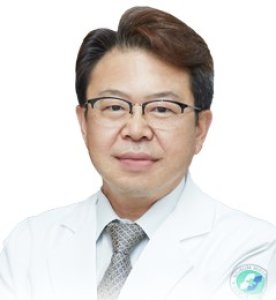
Han Yeongmin
El Dr. Han Yeongmin es neurocirujano (MD, PhD). Es director médico y director del Centro de Neurocirugía del Hospital St. Mary’s de Incheon. Trata enfermedades cerebrovasculares y trastornos de los nervios periféricos. También se especializa en tumores cerebrales y cirugía de base de cráneo. Las afecciones incluyen ictus, hemorragia cerebral, infarto cerebral y enfermedad de Moyamoya. Realiza PEN, PNP y SNB. También ofrece discectomía microscópica y endoscópica, reemplazo de disco artificial,
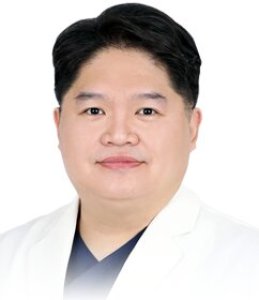
Yang Se Yeon
El Dr. Yang Se Yeon es neurocirujano y jefe del Departamento de Neurocirugía del Hospital Naeun. Se especializa en infarto cerebral, hemorragia cerebral, aneurisma cerebral, enfermedad de moyamoya, estenosis de la arteria carótida, vértigo vascular y traumatismo craneoencefálico.
Se graduó de la Facultad de Medicina de la Universidad Católica de Corea, donde también obtuvo una maestría en Medicina. Completó el internado y la residencia en Neurocirugía en el Catholic Medical Center. Pos
Compartir contenido
Historias en video de pacientes de Bookimed
 Olena Sikoza
Preguntas frecuentes sobre el tratamiento de Enfermedad de moyamoya en Corea del Sur
¿Por qué Corea del Sur es un destino líder para el tratamiento de la enfermedad de Moyamoya?
Corea del Sur es un centro líder para el tratamiento de Moyamoya debido a su alta prevalencia regional y maestría quirúrgica. Los neurocirujanos locales realizan una gran cantidad de procedimientos de revascularización. Instituciones como el Hospital Severance cuentan con la acreditación de la Joint Commission International (JCI). Estos centros brindan atención multidisciplinaria especializada tanto para pacientes pediátricos como adultos.
- Experiencia quirúrgica: Los cirujanos perfeccionan técnicas de bypass directo, indirecto y combinado para un flujo sanguíneo óptimo.
- Volumen clínico: La alta incidencia regional permite a los centros tratar Moyamoya como una práctica estándar.
- Infraestructura especializada: Los hospitales principales integran neurocirugía, neurología y pediatría en sistemas de diagnóstico integral.
- Credenciales avanzadas: Las instalaciones principales obtienen clasificaciones como "Mejor Hospital del Mundo" de Newsweek durante años consecutivos.
Perspectiva del experto de Bookimed: Corea ocupa el tercer lugar a nivel mundial para solicitudes médicas en nuestro sistema, lo que demuestra su alta demanda. Mientras que el Hospital Severance gestiona 1.6 millones de pacientes ambulatorios anualmente, especialistas como el Dr. Yang Seyeon se enfocan específicamente en la revascularización de Moyamoya. Esta combinación de es
¿Cuál es el enfoque de tratamiento principal utilizado en Corea para la enfermedad de Moyamoya?
La revascularización quirúrgica es el tratamiento principal para la enfermedad de Moyamoya en la República de Corea. Los cirujanos priorizan la revascularización combinada para restaurar el flujo sanguíneo cerebral y prevenir accidentes cerebrovasculares. Este método integra el bypass directo con la sinangiosis indirecta. Las instalaciones coreanas modernas proporcionan estos procedimientos especializados para pacientes sintomáticos.
- Revascularización quirúrgica: Restaura el flujo sanguíneo utilizando el sistema de la arteria carótida externa.
- Bypass combinado: Fusiona la conexión arterial directa con la sinangiosis pial indirecta.
- Bypass STA-MCA: Conecta la arteria temporal directamente con la arteria cerebral media.
- Enfoque preventivo: Tiene como objetivo intervenir antes de que ocurran accidentes cerebrovasculares mayores en personas sintomáticas.
Perspectiva del experto de Bookimed: Los centros de gran volumen como el Hospital Severance manejan más de 1 millón de pacientes ambulatorios anualmente. Esta escala masiva permite a los neurocirujanos coreanos ver casos de Moyamoya con frecuencia. Especialistas como el Dr. Yang Seyeon se centran en enfermedades vasculares, incluyendo estenosis carotídea y aneurismas. Su experiencia en instalaciones de alto tráfico conduce a técnicas quirúrgicas altamente refinadas para enfermedades vascula
¿Qué hospitales son más conocidos por la cirugía de Moyamoya en Corea del Sur?
Los principales hospitales de Corea del Sur para la cirugía de Moyamoya incluyen el Hospital Gangnam Severance, el Hospital Severance y el Hospital Bundang de la Universidad Nacional de Seúl. Estos centros acreditados por la JCI se especializan en revascularización directa e indirecta. Utilizan neuroimagen avanzada para restaurar el flujo sanguíneo cerebral y prevenir accidentes cerebrovasculares en los pacientes.
- Técnicas quirúrgicas: Los centros ofrecen bypass directo, sinangiosis indirecta o métodos de revascularización combinados.
- Credenciales hospitalarias: Las mejores instalaciones cuentan con acreditaciones de la Joint Commission International (JCI) y clasificaciones de Newsweek.
- Experiencia en neurología: Gangnam Severance ofrece neurodiagnóstico especializado e intervenciones quirúrgicas cerebrovasculares complejas.
- Volumen de investigación: El Hospital Bundang de la Universidad Nacional de Seúl lidera la investigación epidemiológica sobre Moyamoya.
Perspectiva del experto de Bookimed: Aunque el prestigio es importante, busque un liderazgo específico en los departamentos de neurocirugía. El Dr. Yang Seyeon, en el Hospital Naeun, lo ilustra al haber pasado de dirigir la neurocirugía en G-Sam a su función actual. El volumen de casos personales de un jefe de departamento a menudo dicta la precisión quirúrgica más que el tamaño gen
¿Qué diagnóstico por imagen se utiliza habitualmente en Corea del Sur para la enfermedad de Moyamoya?
Las clínicas de Corea del Sur priorizan la resonancia magnética (MRI) y la angiografía por resonancia magnética (MRA) como herramientas de diagnóstico no invasivas principales para la enfermedad de Moyamoya. La angiografía por sustracción digital (DSA) sigue siendo el estándar de oro para la estadificación y la planificación quirúrgica. Los centros especializados también utilizan exploraciones SPECT o PET para evaluar el flujo sanguíneo cerebral y la capacidad de reserva vascular.
- MRI y MRA: Herramientas principales utilizadas para visualizar la estenosis de la arteria carótida interna y los vacíos en los ganglios basales.
- Angiografía por sustracción digital: Estándar de oro esencial para el diagnóstico definitivo y la estadificación precisa según la clasificación de Suzuki.
- Imagen de perfusión: Las exploraciones SPECT o PET evalúan el deterioro hemodinámico antes de considerar la intervención quirúrgica.
- Angiografía por TC (tomografía computarizada): Proporciona una evaluación vascular rápida cuando la resonancia magnética no es factible para el paciente.
Perspectiva de expertos de Bookimed: Aunque los protocolos de diagnóstico son rigurosos, la selección de la clínica influye significativamente en la atención especializada. Los centros con múltiples perfiles, como el Severance Hospital, atienden a más de 1,6 millones de pacientes ambu
¿Cuáles son los resultados típicos y los tiempos de recuperación tras una cirugía de revascularización en Corea del Sur?
La cirugía de revascularización en Corea del Sur genera mejoras neurológicas estables dentro de los 6 meses. Los pacientes a menudo logran una estabilidad hemodinámica a largo plazo durante 5 años. Los principales centros acreditados por la JCI en Seúl utilizan métodos de bypass combinados directos e indirectos. Estas técnicas maximizan el flujo sanguíneo cerebral y previenen futuros accidentes cerebrovasculares.
- Plazo de estabilidad: El estado clínico suele permanecer estable durante 5 años después de la cirugía.
- Aumento del flujo sanguíneo: Los métodos de bypass combinados mejoran significativamente los niveles de flujo sanguíneo cerebral regional.
- Alta hospitalaria: La mayoría de los centros dan el alta a los pacientes dentro de 1 semana después de un monitoreo neurovascular exitoso.
- Reanudación de actividades: Los pacientes generalmente reanudan sus actividades diarias normales dentro de 6 a 8 semanas.
Perspectiva de expertos de Bookimed: Los datos sugieren que seleccionar hospitales universitarios multidisciplinarios como el Severance Hospital brinda una mayor seguridad para los pacientes con Moyamoya. Estas instituciones combinan la neurocirugía con unidades pediátricas y cardiovasculares especializadas bajo un mismo techo. Este enfoque integrado es vital, ya que el Moyamoya a menudo requiere un monitoreo de por vida de la salud v
¿Qué medicamentos se administran normalmente después de la cirugía de la enfermedad de Moyamoya en Corea?
Los neurocirujanos surcoreanos suelen recetar agentes antiplaquetarios y medicamentos para la presión arterial después de la cirugía de Moyamoya. La aspirina a dosis bajas es el estándar para la prevención de accidentes cerebrovasculares a largo plazo. Los especialistas en instalaciones acreditadas por la Joint Commission International también utilizan cilostazol. Reduce eficazmente los riesgos de mortalidad en poblaciones de pacientes coreanos.
- Terapia antiplaquetaria: La aspirina diaria a dosis bajas previene coágulos en los injertos de bypass.
- Cilostazol: Este medicamento mejora los resultados de manera única según los datos nacionales coreanos.
- Presión arterial: Los bloqueadores de los canales de calcio controlan la presión y previenen los espasmos vasculares.
- Prevención de convulsiones: Los anticonvulsivos profilácticos como el levetiracetam ayudan a prevenir eventos postoperatorios.
Perspectiva del experto de Bookimed: Corea ocupa el puesto 3 en solicitudes médicas globales en nuestra plataforma. Centros de alto volumen como el Hospital Severance manejan millones de pacientes ambulatorios. Sus médicos a menudo ajustan la duración del tratamiento antiplaquetario en función de técnicas específicas de bypass. Los procedimientos combinados pueden requerir ciclos de medicación más largos que la revascularización indirecta sola.