Tratamiento de Congestión nasal en Corea del Sur — obtenga 3 coincidencias personalizadas de clínicas


Revisado médicamente por
Fahad Mawlood
Cómo funciona
¿Cuál es el precio del diagnóstico y los tratamientos de Congestión nasal en Corea del Sur? Descubra ahora
Descubra las mejores clínicas de tratamiento de Congestión nasal en Corea del Sur: 2 opciones verificadas y Precios


Obtenga una evaluación médica para Congestión nasal en Corea del Sur: consulte con doctores experimentados ahora
Ver todos los médicos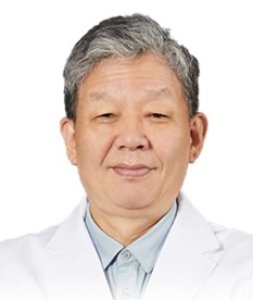
Kim Gyeonrae
El Dr. Kim Gyeonrae, MD, PhD, es otorrinolaringólogo (especialista en ORL). Es Director Médico Honorario del Departamento de Otorrinolaringología del Hospital Naeun. Su práctica se centra en enfermedades nasales, rinosinusitis y sinusitis crónica, rinitis, rinitis alérgica y cirugía endoscópica funcional de senos paranasales (FESS).
Credenciales: MMed, Universidad de Hanyang. Doctorado en Medicina, Universidad de Wonkwang. Formación (fellowship) en el Medical College of Georgia y en Th
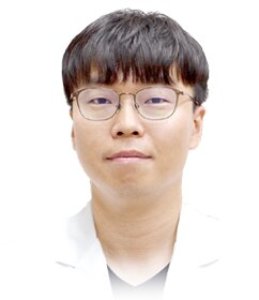
Kim Geonho
El Dr. Kim Geonho es otorrinolaringólogo y jefe del Servicio de Otorrinolaringología del Hospital Naeun. Trata enfermedades de amígdalas y adenoides, sinusitis y rinitis. También atiende el ronquido y la apnea del sueño, los cambios de la voz por trastornos de las cuerdas vocales, las enfermedades de las glándulas salivales y los trastornos tiroideos.
Se graduó en la Facultad de Medicina de la Universidad de Hanyang. Realizó el internado, la residencia y la subespecialización clínica e
Compartir contenido
Historias en video de pacientes de Bookimed
 Olena Sikoza
Preguntas frecuentes sobre el tratamiento de Congestión nasal en Corea del Sur
¿Cuáles son las causas comunes de la congestión nasal que se tratan en Corea?
Las causas comunes de la congestión nasal en Corea incluyen la rinitis alérgica provocada por pólenes de roble y abedul. Los factores ambientales como el polvo fino y las partículas también causan hinchazón crónica. Los problemas estructurales como desviaciones del tabique y rinitis hipertrófica se tratan frecuentemente en clínicas de Seúl utilizando endoscopia avanzada.
- Factores ambientales: La exposición al polvo amarillo y la contaminación urbana causa una inflamación significativa de la mucosa.
- Alérgenos estacionales: Los pólenes de árboles en primavera y los pólenes de malezas en otoño desencadenan una rinitis alérgica grave.
- Anomalías estructurales: Las desviaciones del tabique causan obstrucción física de la vía aérea y respiración bucal crónica.
- Inflamación crónica: La rinitis hipertrófica y la sinusitis conducen a una hinchazón persistente y acumulación de moco.
Perspectiva del experto de Bookimed: Las clínicas coreanas como VG Plastic Surgery a menudo se especializan en rinoplastia funcional. Este enfoque trata problemas respiratorios y preocupaciones estéticas simultáneamente. Mientras que muchos pacientes buscan cambios cosméticos, los cirujanos priorizan las reparaciones estructurales como la septoplastia. Este enfoque dual asegura un mejor flujo de aire junto con mejoras visuales para los pacientes internacionales.
¿Qué tratamientos de primera línea utilizan los médicos coreanos para la congestión nasal crónica relacionada con la rinitis alérgica?
Los médicos coreanos tratan la congestión nasal crónica principalmente con antihistamínicos orales y esteroides intranasales. Los especialistas a menudo combinan estos agentes para obtener mejores resultados. Los centros médicos coreanos mantienen estrictos estándares de calidad con la acreditación KOIHA. Esto garantiza que los pacientes reciban protocolos terapéuticos seguros y basados en evidencia.
- Antihistamínicos orales: Los internistas y pediatras coreanos los utilizan como el tratamiento inicial más común.
- Esteroides intranasales: Son el agente de primera línea preferido para la congestión por muchos especialistas coreanos.
- Antihistamínicos intranasales: Los especialistas en otorrinolaringología a menudo prefieren estos aerosoles nasales como terapia inicial.
- Antagonistas de leucotrienos: Los pediatras los recetan frecuentemente junto con otros medicamentos para manejar los síntomas nasales persistentes.
- Decocciones de hierbas: Las instituciones de medicina coreana tradicional utilizan Socheongryong-tang como un tratamiento de primera línea fundamental.
Perspectiva del experto de Bookimed: La mayoría de las personas pasan por alto que las clínicas de Seúl como VG Plastic Surgery deben cumplir con los estándares de acreditación KOIHA. Esta acreditación confirma que las instalaciones coreanas siguen las reg
¿Se recetan medicamentos a base de hierbas para la congestión nasal en Corea?
Los médicos registrados en Medicina Coreana recetan frecuentemente decocciones de hierbas como el Socheongryong-tang para la congestión nasal. Estos remedios tradicionales sirven como tratamiento principal para la rinitis alérgica. A menudo están personalizados según la constitución física y los síntomas específicos del paciente. Esta práctica está regulada por el Ministerio de Salud y Bienestar.
- Decocciones personalizadas: Los médicos ajustan las fórmulas herbarias según los síntomas y la constitución individual del paciente.
- Proyecto piloto gubernamental: Un proyecto piloto de seguro nacional cubre las decocciones de hierbas para la rinitis alérgica.
- Prescripciones tradicionales: Socheongryong-tang es una fórmula ampliamente utilizada para la congestión y el goteo nasal.
- Administración clínica: Las clínicas especializadas en Medicina Coreana proporcionan estos tratamientos en lugar de las farmacias estándar.
- Supervisión regulatoria: Instalaciones como VG Plastic Surgery mantienen la acreditación KOIHA para los estándares internacionales de seguridad.
Perspectiva del experto de Bookimed: Los pacientes en Corea a menudo utilizan un enfoque de doble vía para los problemas sinusales. Buscan medicina occidental para un alivio inmediato, pero pasan a la medicina coreana para el manejo crónico. Elegir una clínica co
¿Qué terapias de acción rápida son efectivas para la congestión nasal en Corea?
Las terapias de acción rápida efectivas en Corea incluyen sprays descongestionantes de venta libre como Otrivin y soluciones salinas hipertónicas. Las farmacias locales los proporcionan para una reducción inmediata de la hinchazón. Para problemas estructurales o crónicos, clínicas especializadas en Seúl ofrecen una evaluación avanzada y alivio a largo plazo mediante procedimientos especializados.
- Sprays descongestionantes: Otrivin proporciona alivio en minutos al estrechar los vasos sanguíneos nasales.
- Solución salina hipertónica: Fess Natural Spray utiliza una concentración de sal del 3% para reducir la hinchazón de la membrana.
- Límite de uso: Los médicos recomiendan dejar de usar sprays descongestionantes después de 7 días para evitar el efecto rebote.
- Evaluación clínica: Centros acreditados por KOIHA como VG Plastic Surgery proporcionan diagnósticos profesionales para problemas respiratorios.
Perspectiva del experto de Bookimed: Aunque las farmacias ofrecen soluciones rápidas, los centros médicos coreanos mantienen estrictos estándares de seguridad KOIHA. Clínicas como VG Plastic Surgery atienden a pacientes de 47 países. A menudo tratan las obstrucciones nasales como parte de una rinoplastia funcional. Esto combina la mejora de la respiración con el refinamiento estético para una solución permanente.
Consenso de los p
¿Recomiendan los médicos coreanos los lavados nasales con solución salina para la congestión nasal?
Los médicos coreanos recomiendan encarecidamente los lavados nasales con solución salina como tratamiento de primera línea para la congestión nasal. La Sociedad Coreana de Rinología respalda este método para la rinosinusitis crónica y la rinitis alérgica. Elimina eficazmente los alérgenos y la mucosidad para mejorar la respiración. Esta práctica segura es el protocolo estándar tras las cirugías nasales en Corea.
- Terapia de primera línea: Las guías médicas coreanas priorizan la irrigación para el manejo de problemas sinusales crónicos.
- Cuidados postoperatorios: Los cirujanos prescriben lavados después de una septoplastia o rinoplastia para prevenir la formación de costras.
- Control de la inflamación: Las soluciones salinas reducen la hinchazón de la mucosa nasal sin utilizar medicamentos agresivos.
- Seguridad clínica: Los lavados son una forma natural de eliminar bacterias e irritantes ambientales.
Perspectiva del experto de Bookimed: Las clínicas coreanas como VG Plastic Surgery mantienen la acreditación KOIHA, lo que refleja estrictos estándares internacionales de seguridad. Los pacientes a menudo reciben protocolos detallados de irrigación después de una rinoplastia funcional. Los médicos suelen priorizar estos lavados naturales porque reducen la necesidad de descongestionantes a largo plazo. Este enfoque explica por qué la irrigación s
¿Dónde en Corea pueden los pacientes encontrar clínicas especializadas para el tratamiento de la congestión nasal?
Los pacientes encuentran clínicas especializadas para la congestión nasal en distritos de Seúl como Gangnam y Jung. Estos centros brindan tratamientos avanzados para la desviación septal y la sinusitis crónica. Las instalaciones a menudo cuentan con la acreditación KOIHA. Esto garantiza que la atención médica siga estándares de seguridad internacionales reconocidos.
- Ubicación de la clínica: La mayoría de los centros especializados operan en los distritos de Gangnam o Jung.
- Enfoque de tratamiento: Las clínicas tratan la rinitis crónica, la desviación del tabique y la hipertrofia de cornetes.
- Herramientas de diagnóstico: Los especialistas utilizan tomografías computarizadas en 3D y endoscopia nasal para el diagnóstico.
- Opciones quirúrgicas: Los procedimientos incluyen septoplastia y rinoplastia funcional para mejorar la respiración.
Opinión del experto de Bookimed: Muchos centros coreanos como VG Plastic Surgery combinan la cirugía nasal funcional con técnicas estéticas. Los datos muestran que estas instalaciones manejan más de 1.000 operaciones al año. Este volumen sugiere una alta experiencia en el equilibrio entre la mejora de la respiración y la corrección de la forma de la nariz. Los pacientes deben verificar si los cirujanos son especialistas certificados para garantizar la seguridad.
Consenso de los pacientes: