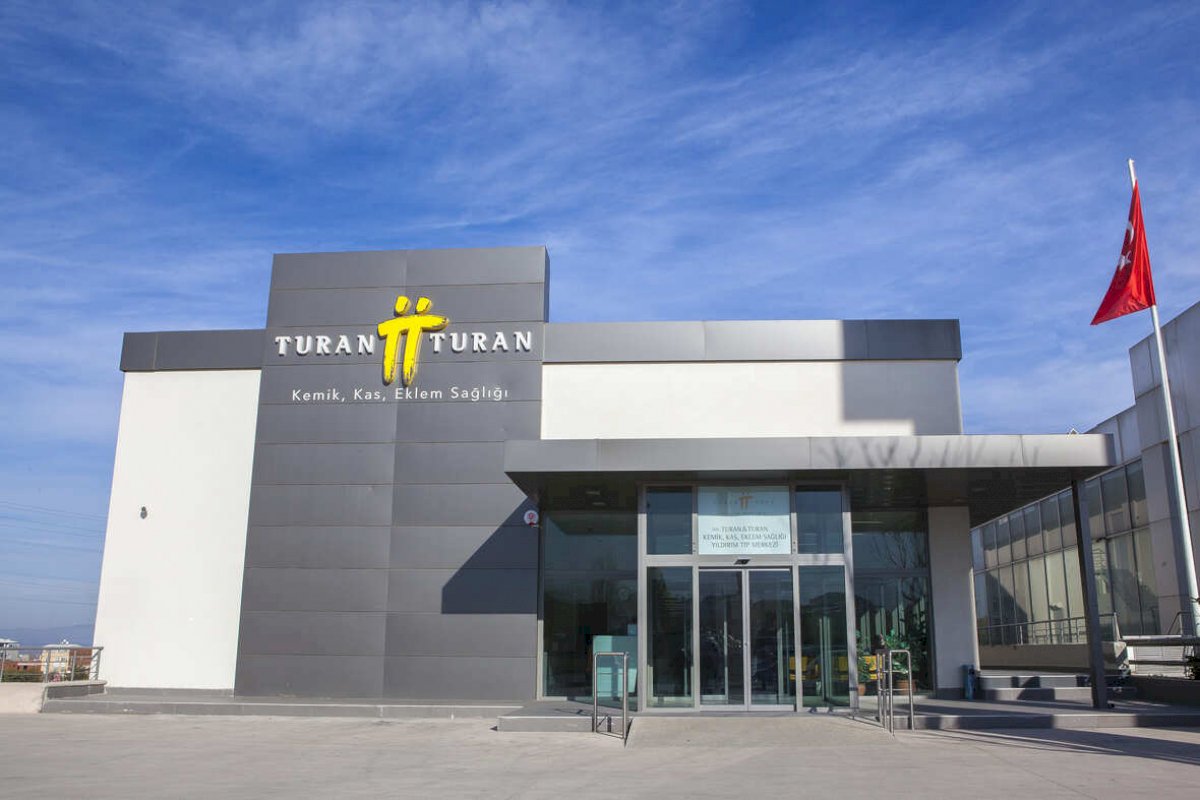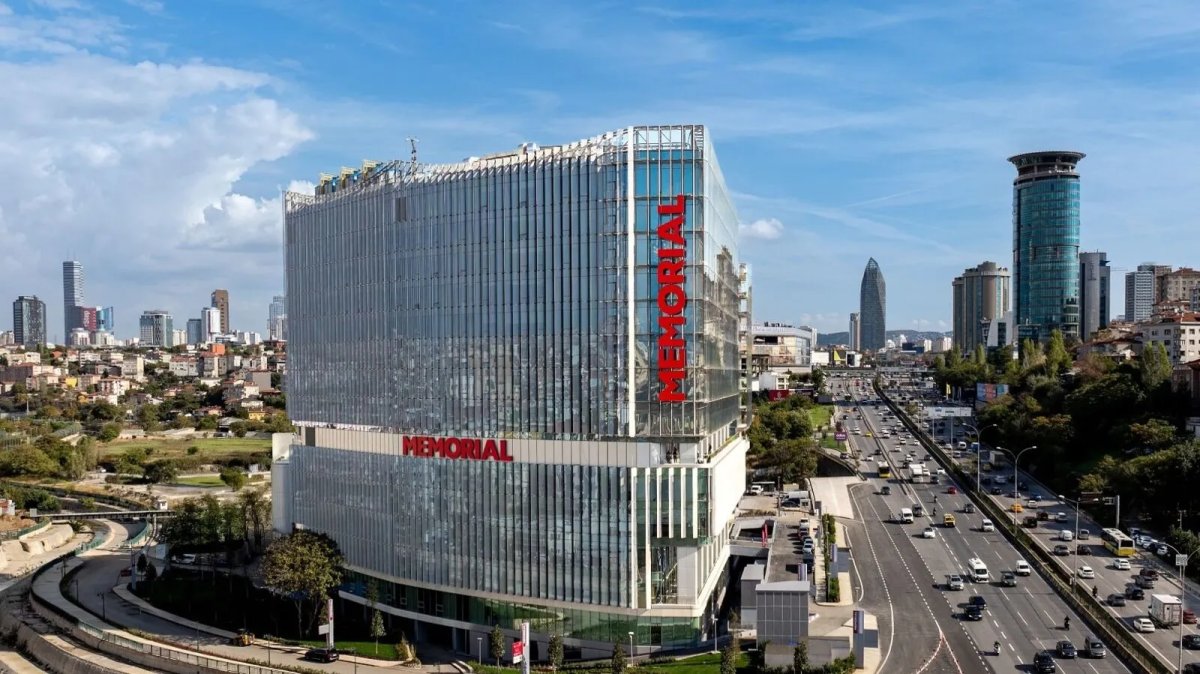
Memorial Göztepe Hospital
Turquía, Estambul


Revisado médicamente por
Fahad Mawlood
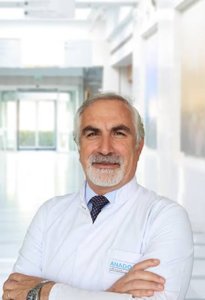
El Dr. Zulfikar Polat es especialista en gastroenterología y medicina interna. Se formó en la Academia Militar de Medicina de Gülhane en Ankara, donde completó su especialidad y obtuvo el título de profesor asociado. Es profesor en la Universidad İstanbul Aydın. Su experiencia de posgrado incluye la Academia Militar de Medicina de Gülhane en Ankara y la Universidad İstanbul Aydın. También trabajó en el Centro Médico Anadolu, afiliado a Johns Hopkins Medicine (EE. UU.).
Su enfoque clíni
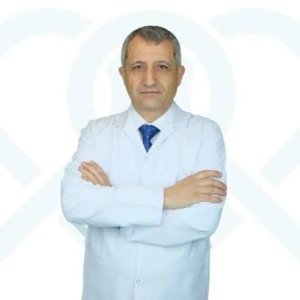
El Prof. Dr. İbrahim Doğan es gastroenterólogo. Se graduó en Medicina por la Facultad de Medicina de la Universidad de Ankara en 1991. En 1996 se especializó en Medicina Interna en la Universidad de Gazi. Completó la subespecialidad en Gastroenterología en la Universidad de İnönü en 2001.
Su carrera académica se desarrolló en la Universidad de Gazi. Fue docente (2002), profesor asistente (2003), profesor asociado (2007) y profesor titular (2012). Trabajó como investigador en la Univers
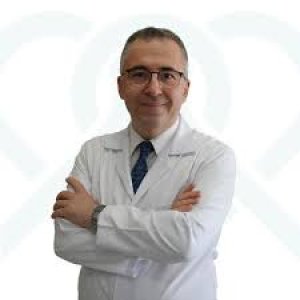
El Prof. Dr. Musa Aydınlı es especialista en medicina interna y gastroenterólogo. Se graduó en Medicina por la Universidad de Hacettepe en 1997. Completó la formación en medicina interna en 2003 y en gastroenterología en 2007 en la misma institución. Trabajó en el Hospital de Formación e Investigación de Kayseri de 2007 a 2009. Prestó servicio en el Departamento de Gastroenterología de la Universidad de Gaziantep entre 2009 y 2014. Fue nombrado profesor asociado en 2012 y profesor titular en
 Olena Sikoza
Los médicos turcos tratan la hepatitis tóxica eliminando inmediatamente el agente causal y estabilizando la función hepática. Los centros acreditados por la JCI utilizan recambio plasmático terapéutico y diagnósticos avanzados para tratar las lesiones inducidas por productos químicos. Los hepatólogos especialistas supervisan la regeneración hepática o realizan trasplantes de emergencia si ocurre una insuficiencia aguda.
Perspectiva del experto de Bookimed: El éxito en el tratamiento de la hepatitis tóxica depende de la precisión diagnóstica rápida. El Dr. Zulfikar Polat del Anadolu Medical Center aporta experiencia internacional como miembro de la American Association for the Study of Liver Diseases. Su afiliación con Johns Hopkins Medicine garantiza que los pacientes reciban protocolos
Turquía ofrece atención hepática especializada dentro de centros médicos multidisciplinarios e instalaciones acreditadas por la JCI. Los departamentos especializados de gastroenterología y hepatología tratan la hepatitis tóxica mediante imágenes avanzadas. Centros importantes como el Liv Hospital Ulus y el Anadolu Medical Center proporcionan la monitorización en UCI y los servicios de trasplante necesarios para casos graves.
Perspectiva del experto de Bookimed: Nuestros datos sugieren priorizar hospitales con programas de trasplante activos incluso para casos de toxicidad no quirúrgicos. Centros como el Liv Hospital Ulus, que realiza 13,200 operaciones al año, mantienen capacidades de UCI de nivel superior. Esto garantiza una intervención inmediata si la lesión indu
Los centros turcos reportan una tasa de supervivencia a 1 año superior al 90% para el tratamiento de la insuficiencia hepática. Los resultados a largo plazo para pacientes trasplantados oscilan entre el 75% y el 85% a cinco años. Instalaciones especializadas como el Liv Hospital Ulus mantienen la acreditación de la Joint Commission International para procedimientos complejos de trasplante de órganos.
Perspectiva del experto de Bookimed: Los centros de gran volumen como el Liv Hospital Ulus realizan más de 13,200 operaciones al año. Este volumen se correlaciona con la competencia técnica en procedimientos complejos. Los pacientes deben buscar especialistas como el Prof. Dr. Zulfikar Polat, quien está afiliado a Johns Hopkins Medicine. El alto volumen institucional y las afiliaciones académicas internacionales son los indicadores más fuertes del éxito del procedimien
La duración de la estancia para el tratamiento de la hepatitis tóxica en Turquía suele oscilar entre 3 y 14 días. El calendario depende de la estabilidad de las enzimas hepáticas y de la gravedad de la lesión inducida por sustancias químicas o fármacos. Los centros de gastroenterología turcos priorizan la estabilización de la función hepática y la confirmación de la eliminación de los desencadenantes tóxicos antes del alta.
Perspectiva del experto de Bookimed: Si bien muchas estancias médicas en Turquía tienen una duración fija, la recuperación del hígado es impredecible. El profesor Dr. Zulfikar Polat del Centro Médico Anadolu enfatiza que los vuelos de regreso solo deben confirmarse después de que las pruebas de función hepática muestren una tendencia a la baja. Los datos muestran que 1 o 2 días adicionales para análisis de sangre antes del vuelo reducen sign