Tratamiento de Paresia de las cuerdas vocales en Turquía — obtenga 3 coincidencias personalizadas de clínicas


Revisado médicamente por
Fahad Mawlood
Cómo funciona
¿Cuál es el precio del diagnóstico y los tratamientos de Paresia de las cuerdas vocales en Turquía? Descubra ahora
Descubra las mejores clínicas de tratamiento de Paresia de las cuerdas vocales en Turquía: 3 opciones verificadas y Precios






Obtenga una evaluación médica de tratamiento de Paresia de las cuerdas vocales en Turquía: haga una consulta con 8 médicos experimentados ahora
Ver todos los médicos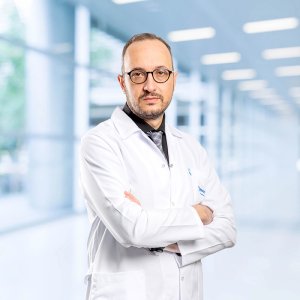
Dr Emre Gunbey
El Dr. Emre Gunbey se especializa en cirugías de ORL, incluidos procedimientos de cuerdas vocales en el Hospital Lokman Hekim de Estambul.
- Profesor asistente de ORL con más de una década de experiencia
- Formado en la Clínica Mayo en técnicas de observación de ORL
- Miembro de la Junta Europea de Otorrinolaringología
- Experto en cirugías endoscópicas de senos paranasales y tumores de cabeza y cuello
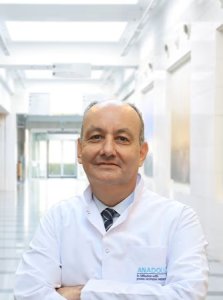
Mehmet Emre Ustundag
El Prof. Dr. M. Emre Üstündağ es profesor de Otorrinolaringología–Cirugía de Cabeza y Cuello en el Anadolu Medical Center de Gebze. Es profesor en la Universidad de Kocaeli desde 2006. Completó su título de médico (MD) y la residencia en ORL en la Universidad de Estambul entre 1983 y 1995. Ha trabajado en las universidades de Estambul y Kocaeli y en los hospitales Acıbadem. Además, mantiene consulta privada desde 2006.
Enfoque clínico: oncología y cirugía de cabeza y cuello; rinología

Dogukan Aydenizoz
El Dr. Dogukan Aydenizoz se especializa en otorrinolaringología con enfoque en la paresia de las cuerdas vocales en el complejo hospitalario Medical Park Antalya.
- Más de nueve años de experiencia en ORL
- Formado en el Hospital de Formación e Investigación de Antalya
- Miembro de la Asociación Turca de Cirugía Plástica Facial
- Ofrece un enfoque centrado en el paciente para una comunicación clara
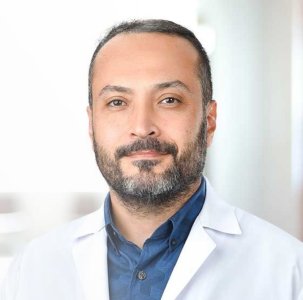
Erkan Vuralkan
El Dr. Vuralkan cuenta con más de _doctor_10371_años_ de experiencia en otorrinolaringología, especializándose en paresia de las cuerdas vocales en el hospital VM Medical Park Florya.
- Certificado en otorrinolaringología y cirugía de cabeza y cuello
- Ha publicado múltiples estudios sobre tratamientos otorrinolaringológicos
- Miembro de la Asociación Turca de Otorrinolaringología y Rinología
- Investigación galardonada sobre la prevención de la ototoxicidad
Compartir contenido
Historias en video de pacientes de Bookimed
 Olena Sikoza
Preguntas frecuentes sobre el tratamiento de Paresia de las cuerdas vocales en Turquía
¿Qué opciones de tratamiento están disponibles para la paresia de cuerdas vocales en Turquía?
Los centros de otorrinolaringología turcos tratan la paresia de las cuerdas vocales mediante terapia de voz especializada, laringoplastia por inyección y tiroplastia de medialización quirúrgica. Las herramientas de diagnóstico como la endoscopia por fibra óptica garantizan una atención específica para los pacientes en Estambul y Antalya. Los cirujanos expertos se centran en restaurar el cierre de las cuerdas vocales para mejorar la calidad de la voz y la protección de las vías respiratorias.
- Terapia de voz: Ejercicios especializados fortalecen los músculos vocales y mejoran la compensación en casos leves de paresia.
- Laringoplastia por inyección: Las inyecciones de relleno aumentan el volumen de las cuerdas vocales para cerrar brechas y mejorar el cierre.
- Tiroplastia de medialización: Los cirujanos colocan implantes permanentes para empujar las cuerdas paralizadas hacia la línea media.
- Procedimientos de aritenoides: El reposicionamiento quirúrgico avanzado optimiza el cierre para pacientes con debilidad vocal significativa.
Perspectiva de expertos de Bookimed: La experiencia en otorrinolaringología turca se concentra en especialistas como el Dr. Mehmet Emre Ustundag y el Dr. Erkan Vuralkan, quienes poseen becas internacionales. Los pacientes se benefician de cirujanos con altos volúmenes de procedimientos, como aquellos que realizan más
¿Cuál es el cronograma de recuperación esperado después de una cirugía de cuerdas vocales en Turquía?
La recuperación sigue un cronograma estructurado que comienza con 3 a 5 días de reposo vocal absoluto. La mayoría de los pacientes recuperan una claridad vocal significativa dentro de 2 a 4 semanas. La curación completa y la reducción de la hinchazón generalmente toman 3 meses. El uso de la voz a nivel de rendimiento generalmente se reanuda después de 6 semanas de terapia dedicada.
- Reposo inicial: Se requiere silencio estricto durante 72 horas para prevenir la tensión en el sitio quirúrgico.
- Regreso funcional: Los pacientes generalmente reanudan la conversación normal de 10 a 14 días después del procedimiento.
- Hinchazón quirúrgica: La inflamación del tejido interno se resuelve gradualmente durante un período de 12 semanas.
- Terapia de voz: La rehabilitación guiada a menudo comienza 1 semana después de la operación para optimizar la coordinación muscular.
Perspectiva de expertos de Bookimed: La experiencia clínica muestra que la recuperación de la paresia vocal difiere de la simple eliminación de lesiones. Especialistas como el profesor asistente Dr. Emre Gunbey enfatizan que la curación relacionada con los nervios lleva más tiempo. Los pacientes deben planificar una estadía de 7 días para garantizar que el crucial primer seguimiento ocurra antes de volar.
Consenso de los pacientes: Muchos notan que la primera sema
¿Qué implica la fonocirugía en las clínicas de otorrinolaringología de Turquía?
La fonocirugía en las clínicas de otorrinolaringología de Turquía implica procedimientos microquirúrgicos especializados para restaurar la función de la voz. Los cirujanos utilizan técnicas transorales para corregir la paresia de las cuerdas vocales y el daño estructural. Estas intervenciones incluyen laringoplastia por inyección o remodelación del marco laríngeo para mejorar la calidad de la voz y reducir la disfonía.
- Acceso quirúrgico: Los cirujanos realizan los procedimientos de forma transoral a través de la boca utilizando microscopios quirúrgicos.
- Objetivo del tratamiento: El objetivo principal es corregir las anomalías de las cuerdas vocales sin incisiones externas.
- Duración: La mayoría de las cirugías de restauración vocal duran aproximadamente de 30 a 45 minutos.
- Cronología de recuperación: Los pacientes suelen seguir un reposo vocal estricto durante 1 semana después de la cirugía.
Perspectiva del experto de Bookimed: Los especialistas en otorrinolaringología turcos como el Dr. Furkan Sokmen realizan procedimientos complejos de tiroplastia además de las microcirugías comunes. Este rango muestra que las clínicas en ciudades como Adana y Estambul manejan tanto reparaciones de tejidos blandos como cambios estructurales en el marco laríngeo. Los pacientes deben verificar si un centro ofrece tiroplastia completa en lugar de solo iny
¿Es obligatoria la terapia de voz postoperatoria en Turquía?
La terapia de voz postoperatoria en Turquía se recomienda encarecidamente, pero no es estrictamente obligatoria para todos los pacientes. Aunque los cirujanos la enfatizan para obtener resultados óptimos, los requisitos varían según la clínica. La terapia generalmente comienza 3 semanas después de la cirugía, siguiendo un período obligatorio de 7 a 14 días de reposo vocal total.
- Reposo vocal: El silencio obligatorio de hasta 14 días previene la formación de cicatrices quirúrgicas.
- Recuperación funcional: La terapia corrige la tensión muscular y los patrones de respiración compensatorios debidos a la debilidad nerviosa.
- Protocolos de la clínica: Los laringólogos que colaboran con logopedas suelen exigir planes de rehabilitación estructurados.
- Cronología: Las sesiones formales comienzan generalmente después de la fase de curación inicial de 3 semanas.
Perspectiva del experto de Bookimed: Nuestros datos reflejan que centros de gran volumen como el Hospital Memorial Göztepe utilizan herramientas de diagnóstico avanzadas, como la TC de 512 cortes, para una evaluación anatómica precisa. En casos de paresia, la cirugía por sí sola a menudo no logra solucionar la tensión compensatoria. Elegir clínicas con más de 300 camas a menudo garantiza el acceso a departamentos de logopedia en el mismo lugar para el cuidado postoperatorio inmediato.
¿Quiénes son los especialistas líderes en parálisis de las cuerdas vocales en Turquía?
Los especialistas líderes en ORL en Turquía para la parálisis de las cuerdas vocales incluyen al Prof. Dr. Mehmet Emre Ustundag, el Dr. Emre Gunbey y el Dr. Yasar Cokkeser. Estos cirujanos certificados se especializan en laringología, tiroplastia de medialización y reinervación. La mayoría ejerce en hospitales de Estambul acreditados por la JCI, utilizando estroboscopia avanzada para un diagnóstico preciso.
- Prof. Dr. Ustundag: Especializado en laringología en el Centro Médico Anadolu tras formarse en la Universidad de Stanford.
- Dr. Emre Gunbey: Ha realizado más de 3.000 procedimientos y cuenta con la certificación de la Junta Europea (ORL-HNS) en Estambul.
- Dr. Yasar Cokkeser: Profesor en la Universidad Istinye con amplia formación de especialización en cirugía de base de cráneo y otología.
- Prof. Asoc. Damar: Se centra en oncología de cabeza y cuello y cirugía de tiroides en Optimed International.
Perspectiva del experto de Bookimed: Aunque muchos cirujanos generales de ORL manejan casos básicos, las tasas de éxito más altas para la restauración de la voz provienen de especialistas con formación específica en laringología. El Prof. Dr. Mehmet Emre Ustundag es una opción destacada porque su formación en Stanford se centró específicamente en laringología y apnea del sueño. Esta hiperespecialización es rara incluso en clínicas turcas de pri
¿Se puede tratar la parálisis temporal de las cuerdas vocales sin cirugía abierta en Turquía?
La parálisis temporal de las cuerdas vocales en Turquía se maneja sin cirugía abierta mediante métodos conservadores y mínimamente invasivos. Los centros especializados utilizan terapia vocal, rellenos y observación para la recuperación nerviosa temporal. Estos procedimientos tienen como objetivo mejorar la calidad de la voz y prevenir la aspiración mientras el nervio sana de forma independiente a lo largo de varios meses.
- Terapia vocal: Logopedas especializados fortalecen los músculos vocales y mejoran el control de la respiración sin pasos invasivos.
- Laringoplastia por inyección: Los cirujanos inyectan un relleno temporal como ácido hialurónico para dar volumen a la cuerda vocal.
- Protocolo de observación: Los médicos supervisan la recuperación nerviosa tras infecciones virales o traumatismos antes de recomendar una intervención quirúrgica.
- Experiencia especializada: Clínicas como el Hospital Memorial Göztepe utilizan juntas multidisciplinarias de tumores para casos complejos de ORL.
Perspectiva del experto de Bookimed: Si bien muchas instalaciones ofrecen atención general de ORL, elegir un hospital como Liv Hospital Vadistanbul o Ulus proporciona acceso a profesores que han observado en instituciones de primer nivel como la UPMC o la Mayo Clinic. Estos especialistas suelen dar prioridad al rejuvenecimiento no quirúrgico y al diagnósti
¿Cómo identifico una clínica con experiencia para la restauración de la voz en Turquía?
Identificar una clínica con experiencia para la restauración de la voz en Turquía requiere encontrar laringólogos especializados en lugar de cirujanos generales de oído, nariz y garganta (ORL). Busque clínicas que realicen laringoplastia, tiroplastia de medialización y videostroboscopia. Los centros turcos de renombre suelen contar con la acreditación de la Joint Commission International (JCI) y mantienen departamentos dedicados a la terapia vocal.
- Especialización del cirujano: Elija otorrinolaringólogos con formación específica en laringología y cirugía vocal funcional.
- Tecnología diagnóstica: Las clínicas con experiencia deben proporcionar videostroboscopia y laringoscopia flexible para una visualización detallada de las cuerdas vocales.
- Atención multidisciplinaria: Los centros mejor valorados coordinan la atención quirúrgica con logopedas especializados para la rehabilitación postoperatoria.
- Credenciales académicas: Seleccione profesores o profesores asociados con investigaciones publicadas en revistas internacionales de cirugía laríngea.
Perspectiva del experto de Bookimed: Si bien los grandes grupos hospitalarios como Memorial o Medical Park ofrecen una infraestructura masiva, el cuidado vocal especializado a menudo prospera en clínicas dirigidas por laringólogos de carrera. El Dr. Emre Gunbey en el Hospital Lokman Hekim de Estambu