Hemos transformado el proceso de búsqueda de clínicas, haciéndolo simple, rápido y personalizado.
Responda algunas preguntasRealice un breve cuestionario para compartir sus objetivos de Discectomía.
Obtenga ofertas personalizadas3 clínicas seleccionadas especialmente según sus respuestas le proporcionan planes de tratamiento personalizados y presupuestos.
Elija la mejor opciónCompare ofertas y elija la clínica que más le convenga.
¿Cuál es el precio de Discectomía en Turquía? Descubra ahora
El costo de una discectomía en Turquía suele oscilar de $4,500 a $9,000. Los precios varían según el hospital, la experiencia del cirujano y si el procedimiento es mínimamente invasivo o abierto. UU.
Los paquetes turcos suelen incluir la consulta inicial, análisis de sangre preoperatorios, medicación postoperatoria, visitas de seguimiento y personal que habla inglés. También son habituales los planes de tratamiento personalizados, las instrucciones de cuidados postoperatorios, las comidas durante la estancia en la clínica y el apoyo al paciente las 24 horas. En EE. UU., el precio indicado suele cubrir solo los honorarios del cirujano, mientras que los cargos hospitalarios, la anestesia y los cuidados posteriores se facturan por separado. Siempre confirmar exactamente qué está incluido con la clínica elegida.
Aviso médico: Datos verificados por Bookimed a partir de October de 2026, basados en solicitudes de pacientes y cotizaciones oficiales de 211 clínicas en todo el mundo. Los costos medianos se basan en facturas reales (2024–2026) y se actualizan mensualmente. Los precios reales pueden variar.
Descubra las mejores clínicas de Discectomía en Turquía: 14 opciones verificadas y Precios
El Prof. Dr. Hakan Hanimoglu ha realizado más de 900 cirugías de columna con 24 años de experiencia en neurocirugía. Una microdiscectomía lumbar puede costar alrededor de 9.000 $, lo que suele incluir la RM preoperatoria, la cirugía guiada por microscopio, una estancia hospitalaria de 3 días y los traslados. La clínica, acreditada por la JCI, ofrece fijación posterior por 25.160 $ si es necesario. El Prof. Hanimoglu combina técnicas de microscopio y navegación para procedimientos mínimamente
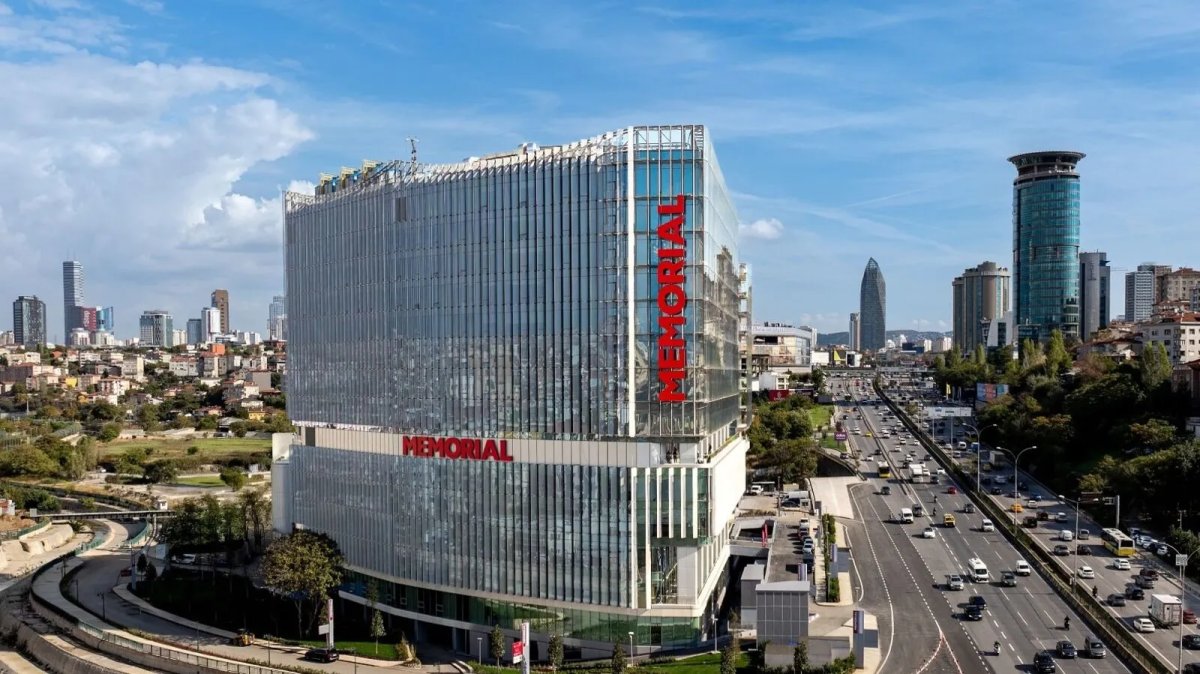
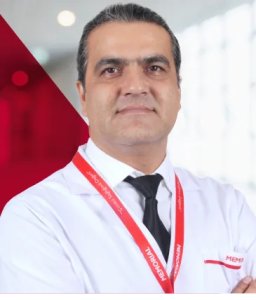
El Prof. Dr. Zafer Orkun Toktas se especializa en discectomía microscópica y endoscópica, con 16 años de experiencia y más de 1.100 procedimientos realizados. En el Hospital Memorial Ataşehir, acreditado por la JCI, el paquete para una discectomía lumbar de un solo nivel tiene un coste aproximado de 7.750 $. Este suele incluir la cirugía, 3 noches de estancia, resonancia magnética preoperatoria, comidas, traslados y consulta postoperatoria. El neurocirujano se formó en los principales hospita
El Prof. Dr. Onur Yaman cuenta con más de 10 años de experiencia en neurocirugía de columna, realizando discectomías microscópicas con neuromonitoreo para mayor precisión. Una discectomía cervical anterior puede costar alrededor de 13.200 $, lo que suele incluir el procedimiento, la inyección de radiofrecuencia, una noche de hospitalización y las pruebas preoperatorias. El Hospital Memorial Bahçelievler cuenta con la acreditación JCI, cumpliendo con los estándares internacionales de seguridad
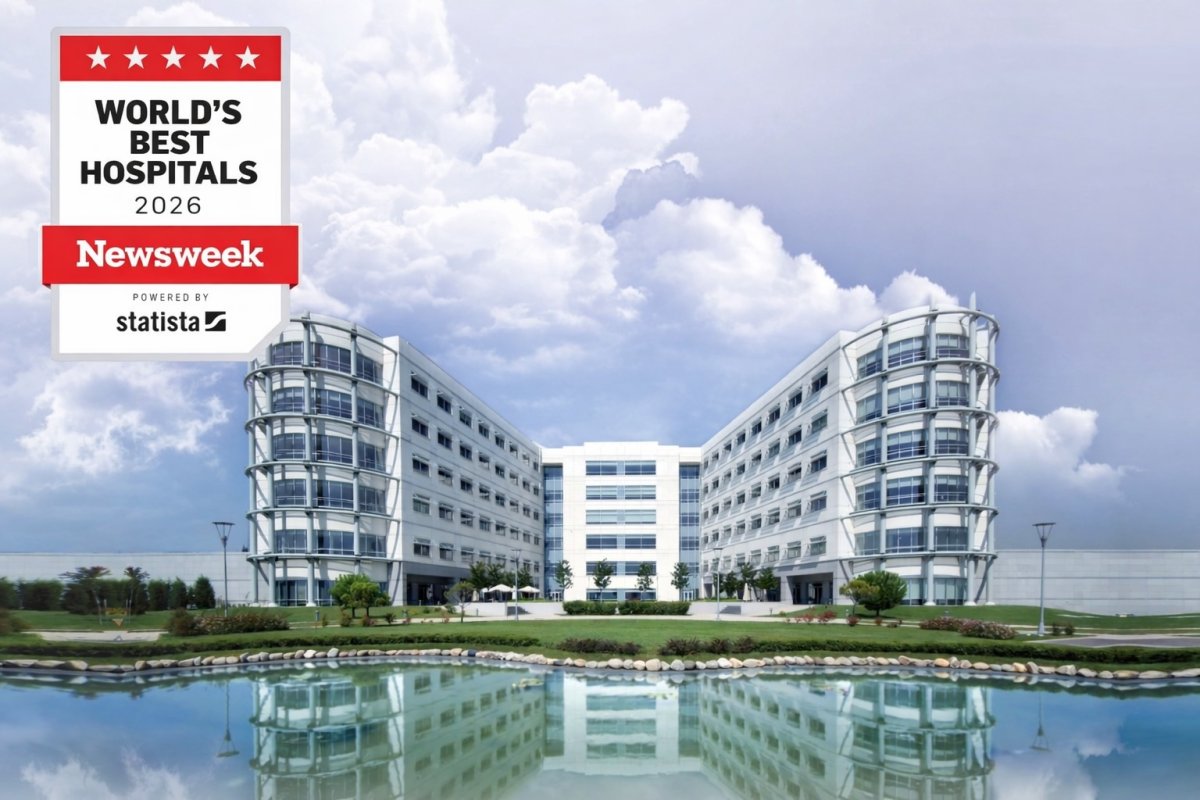
El Prof. Dr. Serdar Kahraman aporta de experiencia neuroquirúrgica con formación en el Johns Hopkins Hospital. El paquete de microdiscectomía lumbar puede costar alrededor de 10.600 USD, cubriendo generalmente la cirugía, 3 noches de estancia, pruebas preoperatorias y traslados. El Anadolu Medical Center cuenta con la acreditación JCI como uno de los 10 mejores hospitales de turismo médico y mantiene una asociación con Johns Hopkins Medicine.
El procedimiento consiste en eliminar una hernia de disco para disminuir la presión del nervio espinal, aliviar el dolor y permitir el movimiento del cuerpo.
Esta operación consiste en diagnosticar y extraer un disco espinal protuberante, lo que alivia el dolor y mejora la movilidad.
¿Cómo encontrar la mejor solución con Bookimed?
Compruebe las opciones disponibles para su caso en el sitio web.
Solicite una consulta gratuita con la evaluación de documentos.
Descargue sus registros médicos y describa sus necesidades.
Reciba planes de tratamiento gratuitos y personalizados con precios y detalles.
Compárelos y finalice su elección.
Acepte la fecha para su próxima visita a la clínica.
Llegue y pague en la clínica. Las comisiones de Bookimed son de 0 $ para usted.
De principio a fin, el coordinador médico de Bookimed le mantiene seguro y cómodo durante su viaje médico
Día 1 - Llegada
Llegada al aeropuerto del país.
Traslado regular al hospital.
Día 2 - Preoperatorio
Consulta con un ortopedista.
Realizar las pruebas médicas necesarias.
Use medias para venas varicosas para la preparación de la cirugía.
Día 3 - Discectomía
Llegada al hospital temprano en la mañana.
Se administra anestesia preoperatoria.
Someterse a una discectomía, que dura aproximadamente de 1 a 2 horas.
Recuperación en una sala de postoperatorio.
Día 4 a 7 - Postoperatorio
Estancia en el hospital para seguimiento.
Iniciar ejercicios ligeros de fisioterapia.
Aumento gradual de la actividad física.
Semana 1 a 2 - Rehabilitación
Alta del hospital.
Traslado a un hotel para descansar.
Continúe con los ejercicios de fisioterapia.
Semana 3 a 4 - Recuperación
Regreso gradual al trabajo liviano y actividades diarias.
Seguimiento periódico con el ortopedista.
Semana 5 en adelante
Regreso a las actividades laborales y deportivas habituales.
Ver el resultado final de la cirugía.
Nota: El programa anterior es una guía general. El proceso de recuperación de cada paciente puede variar según las condiciones de salud individuales.
Lo que les gusta a los pacientes:
Precio. El costo de la discectomía en Turquía oscila entre $ 3000 y $ 5000. Este precio es significativamente más bajo en comparación con el costo promedio de Discectomía en países como los EE. UU., donde el precio promedio ronda los $ 15,000.
Profesionalidad de los médicos . Los pacientes aprecian el alto nivel de experiencia exhibido por los médicos turcos. Muchos de estos cirujanos son miembros de organizaciones médicas internacionales y han realizado numerosos procedimientos de Discectomía.
Nivel de servicio. Los pacientes a menudo elogian el alto nivel de servicio de los hospitales turcos. El personal se describe como amable, cooperativo y atento.
Eficacia de la discectomía. Muchos pacientes reportan un resultado exitoso después de su Discectomía en Turquía, atribuyendo su recuperación a las técnicas modernas utilizadas por los cirujanos turcos.
Logística. Los pacientes aprecian el sistema organizado de los hospitales turcos, desde el ingreso hasta el alta, lo que hace que su estadía sea cómoda y sin estrés.
Lo que no les gusta a los pacientes:
Barrera del idioma. Algunos pacientes han informado dificultades en la comunicación debido a las diferencias de idioma.
Inconvenientes de viaje. Los pacientes de países lejanos han mencionado el largo tiempo de viaje como una desventaja.
Apoyo postoperatorio. Algunos pacientes han expresado la necesidad de un apoyo y seguimiento postoperatorio más completo.
el 100% gratis, no vinculante de sus registros médicos
Planes de tratamiento personalizado instantáneos GRATIS para hacer la elección correcta
Guía experta en la elección del mejor médico de Neurocirugía y la clínica
Paquetes especiales y precios exclusivos para nuestros pacientes
Asistensia de Bookimed 24/7 sin costo alguno, garantizada
Traducción sin complicaciones de sus documentos médicos para clínicas.
El equipo multilingüe de Bookimed garantiza una comunicación cómoda.
Bookimed garantiza pagos transparentes y seguros. Los pacientes pagan en la clínica sin cargos adicionales.
Métodos de pago disponibles:
Cómo conseguir una cita:
1. Documentos: Copias del pasaporte y del billete.
o
2. Depósito:
Depósito de Bookimed: 200 $ o 200 €.
Depósito de la clínica: Pague un porcentaje fijo por adelantado.
10 años de experiencia • 4500+ tratamientos realizados
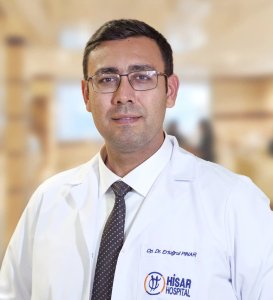
El Dr. Ertugrul Pinar se especializa en enfermedades cerebrales y de la columna vertebral en adultos y niños, aportando su experiencia al Hisar Hospital Intercontinental.
Formado en neurocirugía en la Universidad de Mármara
Maneja casos complejos, incluyendo tumores cerebrales y afecciones de la columna vertebral
Experiencia tanto en entornos de atención médica pública como privada
El médico es un neurocirujano experimentado con más de 15 años de práctica clínica en Turquía. A lo largo de una distinguida carrera, el médico ha trabajado en diversas instituciones médicas de alto perfil, incluyendo el Hospital Memorial Ataşehir, el Hospital VM Medical Park Pendik y el Hospital Bahçeşehir University Medical Park Göztepe.
Especializado en procedimientos neuroquirúrgicos, el médico cuenta con una amplia experiencia en el manejo de condiciones neurológicas complejas y en
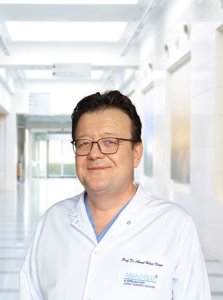
El Prof. Dr. Ahmet Hilmi Kaya se especializa en cirugías de columna, incluida la discectomía, con más de 20 años de experiencia neuroquirúrgica en el Centro Médico Anadolu.
Profesor de Neurocirugía con amplia formación en trastornos de la columna vertebral
Experto en técnicas mínimamente invasivas para hernias discales
Galardonado con múltiples premios por la Sociedad Turca de Neurocirugía
Activo en la investigación de afecciones espinales y neurológicas
Historias en video de pacientes de Bookimed
Elissa
Definitivamente es un proceso largo, ¡pero estoy emocionado/a de ver cómo aparecen los resultados!
Basándome en mi experiencia hasta ahora, le recomendaría esta clínica a un amigo
Si estás pensando en someterte a una discectomía o una fusión lumbar y no sabes a dónde acudir, puedo contarte mi experiencia aquí. Todo el equipo se merece una puntuación de 5 sobre 5. De verdad. Desde la clara comunicación del cirujano hasta la atención del personal, me sentí en buenas manos durante todo el proceso. El entorno de la clínica también era acogedor y estaba muy bien gestionado. Todavía estoy en la fase inicial de la recuperación, pero la confianza que tengo en la atención que recibí marca una gran diferencia. Basándome en mi experiencia hasta ahora, sin duda recomendaría esta clínica a un amigo. Para mí fue la elección acertada.
El costo de mi cirugía aumentó mucho, pero fue porque el cirujano tuvo que hacer más procedimientos de los que originalmente se pensaba. Dr. Kapici Realmente sería mi ángel bendito en la tierra. ¡Hizo un trabajo fantástico!
Copywriter médica certificada responsable del contenido en español de Bookimed. Más de 7 años de experiencia en redacción sobre salud y turismo médico, con formación académica en edición científica y desarrollo de contenidos.
Médico general. Ganador de 4 premios científicos. Sirvió en Asia Occidental. Es el ex jefe del equipo médico que soporta a pacientes de habla árabe. Ahora es responsable del procesamiento de datos y la precisión del contenido médico.
Esta página puede incluir información relacionada con diversas afecciones médicas, tratamientos y servicios de salud disponibles en diferentes países. Tenga en cuenta que el contenido se proporciona sólo con fines informativos y no debe interpretarse como asesoramiento médico o orientación. Por favor consulte con su médico o con un profesional médico calificado antes de comenzar o cambiar el tratamiento médico.
Preguntas frecuentes sobre Discectomía en Turquía
Estas preguntas frecuentes provienen de pacientes reales que buscan atención médica a través de Bookimed. Las respuestas son proporcionadas por coordinadores médicos experimentados y representantes autorizados de las clínicas.
¿Cuál es la tasa de éxito de la discectomía en Turquía?
Las tasas de éxito de la discectomía en Turquía oscilan entre el 90% y el 95%, igualando los mejores estándares mundiales en cirugía de columna. Los altos resultados se deben a técnicas mínimamente invasivas como la microdiscectomía y la cirugía endoscópica, realizadas en centros acreditados por la JCI por neurocirujanos con más de 1.000 procedimientos cada uno.
Éxito de la microdiscectomía: Alivia el dolor radicular en las piernas en el 90% al 95% de los casos clínicos.
Eficacia endoscópica: Logra aproximadamente un 90% de éxito en hernias lumbares mediante incisiones más pequeñas.
Precisión robótica: Sistemas como Mazor X Stealth elevan las tasas de éxito por encima del 95% en los mejores centros.
Riesgo de recurrencia: Los estándares globales mantienen una baja tasa de reherniación de por vida del 5% al 10%.
Perspectiva del experto de Bookimed: El volumen de casos del cirujano es el predictor más fuerte de éxito en Turquía. Aunque muchos generalistas ofrecen discectomía, los pacientes obtienen mejores resultados con especialistas como el Dr. Nezih Ozkan en el Hospital Memorial Şişli o el profesor Ahmet Hilmi Kaya en el Centro Médico Anadolu. Estos expertos suelen realizar más de 200 casos de columna al año, lo que se correlaciona estadísticamente con una tasa de éxito del 92% o superior en comparación con cirujanos generales de menor
¿Qué tan segura es una discectomía y cuáles son los principales riesgos o complicaciones que debo conocer?
La discectomía se considera ampliamente un procedimiento seguro con tasas de éxito de entre el 80% y el 95% para aliviar el dolor de piernas. Aunque las complicaciones graves son raras, los riesgos principales incluyen la recurrencia de la hernia discal en el 5% al 15% de los casos e infecciones menores en el sitio quirúrgico en aproximadamente el 2% al 3% de los pacientes.
Tasa de recurrencia: La hernia discal puede reaparecer en el 5% al 15% de los pacientes después de la cirugía.
Seguridad nerviosa: La irritación nerviosa leve o el entumecimiento temporal ocurren en aproximadamente el 0,2% al 2% de los casos.
Desgarros durales: Las fugas de líquido cefalorraquídeo ocurren en el 1% al 7% de los procedimientos microscópicos.
Impacto de la técnica: La discectomía endoscópica reduce los riesgos de desgarro dural a aproximadamente el 1,1% en comparación con la cirugía abierta.
Opinión de expertos de Bookimed: Los datos muestran que, si bien la microdiscectomía básica es estándar, elegir paquetes con neuromonitoreo intraoperatorio aumenta significativamente la seguridad. Por ejemplo, el Hisar Hospital Intercontinental incluye esta tecnología en sus paquetes endoscópicos para rastrear la función nerviosa en tiempo real. Esto es crucial para casos complejos que involucran fusión espinal, donde los riesgos son naturalmente más altos que en la
¿Es seguro someterse a una cirugía de columna en Turquía?
La cirugía de columna en Turquía es segura cuando se realiza en hospitales acreditados por la Joint Commission International (JCI). Estas instalaciones mantienen tasas de infección y protocolos de seguridad idénticos a los de las mejores clínicas de EE. UU. Las tasas de éxito en procedimientos comunes como la microdiscectomía alcanzan el 95% utilizando tecnología robótica y microquirúrgica avanzada.
Credenciales de expertos: Cirujanos como el Dr. Serdar Kahraman poseen becas de las universidades de Berlín y Zúrich.
Estándares clínicos: Centros de primer nivel como el Anadolu Medical Center están afiliados a Johns Hopkins Medicine.
Tecnología avanzada: Las clínicas utilizan neuromonitoreo y técnicas endoscópicas para proteger la función nerviosa durante la cirugía.
Estancia hospitalaria: La mayoría de los pacientes de discectomía requieren solo de 1 a 3 días de monitoreo hospitalario.
Perspectiva del experto de Bookimed: Los niveles más altos de seguridad se encuentran en los centros multidisciplinarios de Estambul en lugar de en clínicas boutique de columna. Centros como Memorial Şişli o Hisar Hospital atienden a más de 250.000 pacientes al año. Este volumen masivo se traduce en que los cirujanos realizan la misma descompresión espinal miles de veces, lo que reduce significativamente los riesgos de error técnico.
Consenso
¿Qué cualificaciones y acreditaciones internacionales debo buscar al elegir un cirujano de columna y un hospital en Turquía?
Priorice los hospitales con acreditación de la Joint Commission International (JCI) y cirujanos que posean becas internacionales de instituciones como Yale, Harvard o Johns Hopkins. Asegúrese de que su especialista esté certificado por la Sociedad Turca de Neurocirugía o la Sociedad Turca de Ortopedia y Traumatología, y que sea miembro de EuroSpine o AOSpine.
Acreditación hospitalaria: La Joint Commission International (JCI) garantiza estándares globales de seguridad del paciente e higiene.
Becas de cirujanos: Busque formación avanzada en centros clínicos como UCLA o la Cleveland Clinic.
Membresías profesionales: La participación en EuroSpine o NASS indica un compromiso con técnicas quirúrgicas avanzadas.
Experiencia clínica: Los cirujanos de primer nivel a menudo superan los 900 a 1,000 procedimientos espinales exitosos.
Perspectiva del experto de Bookimed: Los indicadores de calidad en Turquía a menudo se alinean con las afiliaciones globales en lugar de solo con los permisos locales. El Centro Médico Anadolu es un ejemplo destacado debido a su afiliación directa con Johns Hopkins. Esta asociación garantiza que los protocolos quirúrgicos para discectomías complejas cumplan con los rigurosos estándares de la medicina académica de EE. UU.
Consenso de los pacientes: Los pacientes enfatizan la importancia de verifi
¿Cuánto dura el periodo de recuperación después de una discectomía?
La recuperación inicial después de una discectomía suele durar de 2 a 6 semanas, mientras que la curación funcional completa a menudo requiere de 3 a 6 meses. La mayoría de los pacientes experimentan un alivio significativo del dolor en cuestión de días, pero deben seguir estrictas restricciones de actividad durante al menos 6 semanas para evitar una reherniación.
Estancia hospitalaria: Los pacientes permanecen 1 día para procedimientos endoscópicos o 3 días para cirugía cervical.
Regreso al trabajo: Los profesionales de oficina a menudo regresan en 2 a 4 semanas; los trabajadores manuales esperan 12 semanas.
Reglas de movimiento: Los cirujanos prohíben agacharse, levantar más de 10 libras (aprox. 4,5 kg) o girar el torso durante las primeras 6 semanas.
Fisioterapia: Los programas de rehabilitación generalmente comienzan de 2 a 3 semanas después de la operación para restaurar la fuerza de la columna.
Perspectiva del experto de Bookimed: Los datos de las mejores clínicas de Estambul muestran que los cirujanos con más de 30 años de experiencia, como el Dr. Serdar Kahraman o el Dr. Mustafa Bozbuga, prefieren los enfoques endoscópicos y microquirúrgicos para minimizar el daño tisular. Estas técnicas avanzadas a menudo reducen la estancia hospitalaria necesaria a solo 24 horas, en comparación con la cirugía abierta tradicional que puede requ
¿Cuáles son los mejores hospitales para una discectomía/cirugía de columna en Turquía?
Los hospitales mejor valorados para la discectomía en Turquía incluyen instalaciones acreditadas por la JCI como Hisar Intercontinental, Memorial Sisli y Anadolu Medical Center. Estos centros se especializan en microdiscectomía mínimamente invasiva y técnicas endoscópicas, ofreciendo atención avanzada de la columna vertebral a través de afiliaciones con instituciones como Johns Hopkins Medicine.
Anadolu Medical Center: Instalación acreditada por la JCI afiliada a Johns Hopkins, que reporta una tasa de éxito quirúrgico del 92 %.
Hisar Hospital Intercontinental: Cuenta con cirujanos con más de 900 procedimientos, proporcionando discectomía endoscópica con neuromonitoreo en tiempo real.
Memorial Sisli Hospital: Primer hospital turco acreditado por la JCI, experto en cirugía espinal microscópica y asistida por robot.
Istanbul Florence Nightingale: Hospital con certificación Smart-and-Green que utiliza imágenes EOS para una planificación quirúrgica ortopédica precisa.
Perspectiva del experto de Bookimed: Los cirujanos expertos en Turquía, como el Dr. Serdar Kahraman en Liv Hospital o el Dr. Akin Akakin en NP Istanbul, a menudo tienen entre 20 y 30 años de experiencia especializada. Los datos muestran que los centros de alto volumen que realizan más de 4,500 cirugías musculoesqueléticas al año ofrecen resultados clínicos superiores para casos
¿Quién NO es un buen candidato para una discectomía?
La discectomía no se recomienda para personas con dolor de espalda primario sin dolor irradiado en las piernas o para aquellos que responden bien al tratamiento conservador. Los pacientes con imágenes poco claras, enfermedad discal multinivel o inestabilidad espinal grave, como la espondilolistesis, también son malos candidatos para este procedimiento de descompresión específico.
Imágenes asintomáticas: La resonancia magnética debe confirmar una hernia discal que coincida con síntomas neurológicos físicos específicos.
Éxito del tratamiento conservador: Los pacientes que mejoran mediante fisioterapia, medicación o inyecciones deben evitar la cirugía.
Riesgos sistémicos: La diabetes no controlada, las enfermedades cardiovasculares graves o las infecciones activas aumentan los riesgos de la anestesia.
Factores de estilo de vida: Fumar y un IMC alto aumentan significativamente los riesgos de reherniación e infección.
Perspectiva del experto de Bookimed: Los cirujanos en Turquía, como Ertugrul Pinar en el Hospital Intercontinental Hisar, con más de 900 cirugías de columna, a menudo pasan de una discectomía simple a una fusión TLIF o PLIF. Esto ocurre cuando se detecta inestabilidad espinal. Elegir un cirujano con experiencia en ambas técnicas garantiza una transición más segura si una discectomía estándar es insuficiente.
Cons
¿Cuánto dura la cirugía real y podré volver a casa el mismo día?
La cirugía de discectomía en Turquía suele durar de 45 a 90 minutos, con un tiempo total en quirófano de hasta 2 horas. Aunque muchos procedimientos son técnicamente ambulatorios, la mayoría de las clínicas turcas incluyen una estancia hospitalaria de 1 día para el seguimiento de la transición y el control del dolor antes de su alta.
Duración de la cirugía: La descompresión real dura de 45 a 90 minutos, dependiendo de la técnica específica utilizada.
Estancia hospitalaria: Espere 1 día de atención hospitalaria para la mayoría de los paquetes de microcirugía estándar.
Cronograma para caminar: Los pacientes generalmente comienzan a caminar dentro de las 4 a 6 horas posteriores a despertar de la anestesia general.
Alta el mismo día: Posible para casos endoscópicos si cumple con los hitos de estabilidad y seguridad urinaria.
Perspectiva del experto de Bookimed: Si bien los costos básicos de la discectomía comienzan en $4,500, elegir un paquete con neuromonitoreo mejora significativamente la seguridad. Clínicas como el Hisar Hospital Intercontinental incluyen esta tecnología en ofertas todo incluido. Este seguimiento nervioso en tiempo real reduce los riesgos y a menudo permite un protocolo de alta más rápido de 1 día.
Consenso de los pacientes: La mayoría de los pacientes informan que vuelven a estar de p
¿Cómo es el cronograma de recuperación? ¿Cuándo puedo volar a casa y volver al trabajo?
La recuperación después de una discectomía en Turquía generalmente permite a los pacientes volar a casa dentro de los 3 a 10 días posteriores a la operación. La mayoría de las personas regresan al trabajo de escritorio en 2 a 4 semanas. La reanudación completa de las actividades diarias básicas generalmente requiere de 4 a 6 semanas de curación cuidadosa.
Momento del vuelo: La mayoría de los cirujanos autorizan a los pacientes internacionales a viajar de 5 a 7 días después de la cirugía.
Regreso al trabajo: El trabajo de escritorio o remoto es factible a las 2 semanas si no siente dolor.
Restricciones físicas: Evite levantar objetos pesados, inclinarse o girar durante al menos 6 semanas.
Hito de movilidad: Caminar diariamente desde el día 1 es esencial para acelerar su recuperación funcional.
Perspectiva del experto de Bookimed: Los datos sugieren una correlación entre la elección de la técnica y la estancia hospitalaria. Mientras que la microdiscectomía en el Hospital Memorial Şişli a menudo implica una estancia estándar, el Anadolu Medical Center ofrece estancias de 1 día para enfoques mínimamente invasivos. Los pacientes que optan por estas incisiones más pequeñas y de alta tecnología a menudo informan transiciones más rápidas al trabajo remoto debido a un menor trauma muscular.
Consenso de los pacientes: Los
¿Qué tecnologías o técnicas quirúrgicas se utilizan en las principales clínicas turcas para minimizar las cicatrices y acelerar la recuperación?
Las principales clínicas turcas minimizan las cicatrices y aceleran la recuperación utilizando técnicas de discectomía endoscópica y microscópica que requieren incisiones tan pequeñas como de 7 a 8 mm. Herramientas avanzadas como la neuromonitorización intraoperatoria y la fluoroscopia con arco en C garantizan una alta precisión, protegiendo los nervios y permitiendo a los pacientes comenzar a caminar pocas horas después de la cirugía.
Enfoque endoscópico: Los cirujanos utilizan incisiones de 7 a 8 mm para llegar a los discos sin cortar el tejido muscular.
Técnica microscópica: La microcirugía de alta definición en el Hospital Memorial Şişli minimiza la tensión tisular y las cicatrices visibles.
Descompresión láser: La descompresión discal percutánea con láser (PLDD) utiliza punciones con aguja, lo que no requiere puntos ni vendajes.
Recuperación rápida: La mayoría de los pacientes califican para el alta el mismo día o una estancia hospitalaria máxima de 1 noche.
Apoyo biológico: Los selladores de fibrina postoperatorios y los productos biológicos antiinflamatorios ayudan a acelerar la regeneración natural de los tejidos.
Perspectiva del experto de Bookimed: Los datos de centros de primer nivel como el Anadolu Medical Center y el Hospital Hisar muestran un cambio claro hacia protocolos totalmente endoscópicos.



 Microdiscectomía lumbar (con microscopio), nivel adicional