






Javier Herrero Jover
España, Barcelona
4.0 Bueno•3 reseñas
46 años de experiencia
10000+ tratamientos realizados
Clínica certificada por


+4
Ubicación: España, Barcelona
El Dr. Javier Herrero Jover es un cirujano plástico certificado en el Centro Médico Teknon de Barcelona. Es pionero en planificación quirúrgica virtual y utiliza simulación 3D para obtener resultados precisos. El Dr. Herrero Jover fundó Alma IT Systems para desarrollar software de imagen médica específico para el paciente. Ha realizado más de 10.000 procedimientos quirúrgicos a lo largo de su carrera.
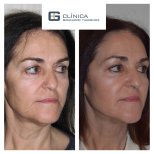
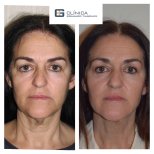
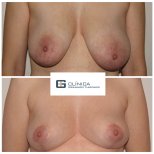
- Especializado en rinoplastia primaria y secundaria, rejuvenecimiento facial y cirugía mamaria.
- Introdujo la tecnología de visualización 3D para mejorar la precisión en procedimientos plásticos y reconstructivos.
- Se desempeña como Presidente del Instituto Mediterráneo de Radiología y Cirugía Asistida por Computadora.
- Autor de más de 150 publicaciones científicas y ponente en más de 350 congresos internacionales.
4.0 Bueno
3 reseñas
Cita con el médico
Precio a consultar
Cita con el médicoPrecio a consultar