Hemangioma en Austria: las 3 mejores clínicas para su tratamiento


Revisado médicamente por
Fahad Mawlood
Cómo funciona
¿Cuál es el precio del diagnóstico y los tratamientos de Hemangioma en Austria? Descubra ahora
El costo del tratamiento de hemangioma en Austria generalmente incluye diagnósticos esenciales como una consulta con un neurólogo, que oscila entre $150 y $300. Para casos que involucran el sistema nervioso central, una consulta con un neurocirujano varía de $230 a $380. Los gastos dependen del tipo de hemangioma, el tamaño de la lesión y el enfoque terapéutico elegido. La mayor parte de la atención especializada se concentra en Viena.
Costos típicos del tratamiento de hemangioma en Austria
- Consulta con un neurólogo: $150 – $300
- Consulta con un neurocirujano: $230 – $380
- TC de los senos paranasales: $190 – $340
- Análisis de sangre extendido: $150 – $400
- Coagulograma: $50 – $150
- ECG: de $60
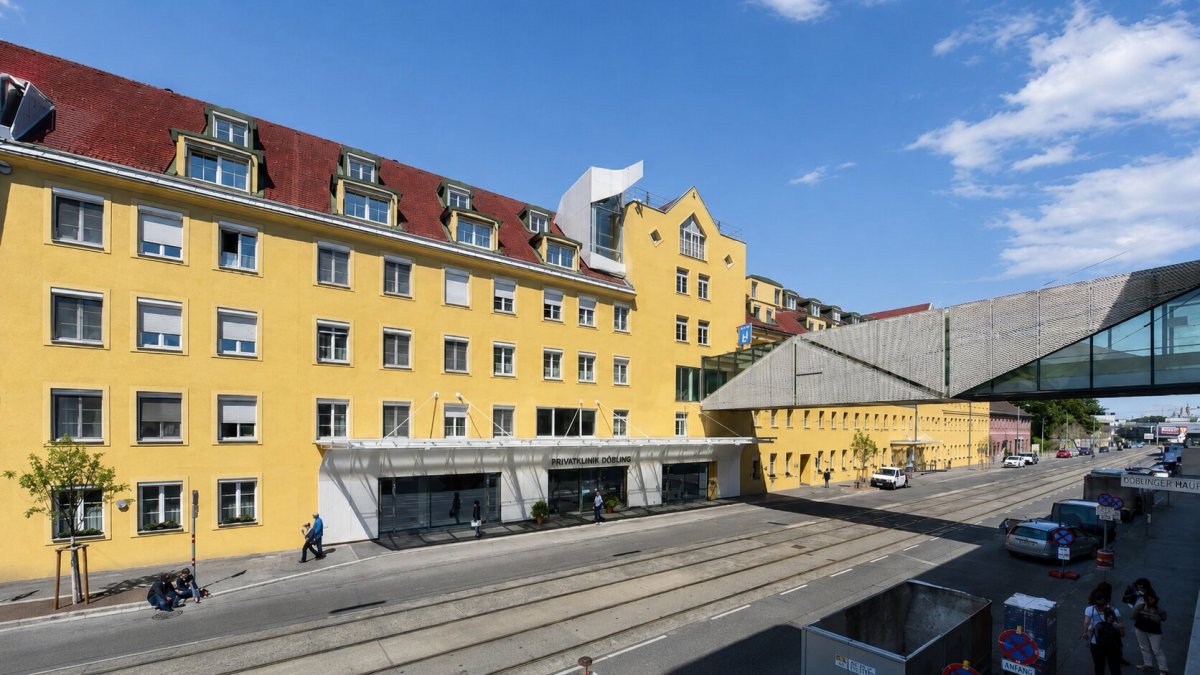
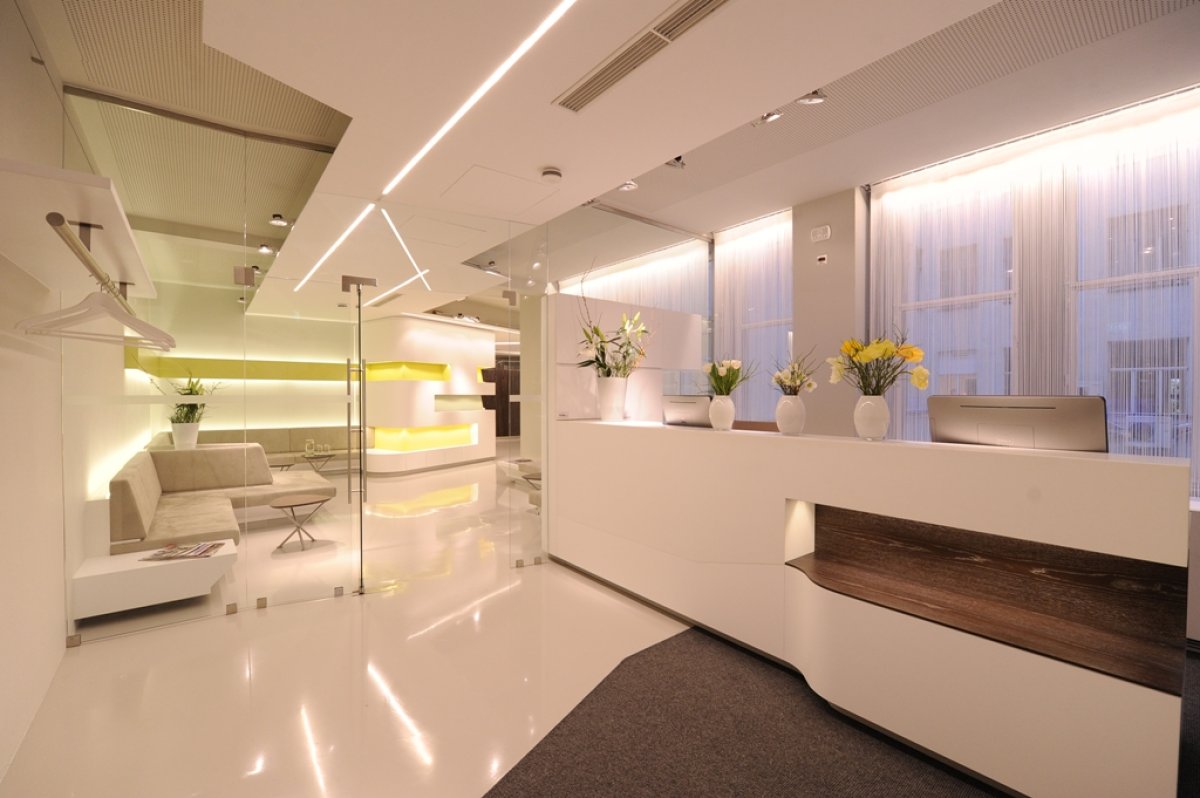
Perspectiva de los expertos de Bookimed: Para casos complejos que involucran tanto a niños como a adultos, los hospitales privados con sede en Viena ofrecen experiencia especializada. El Hospital Privado Döbling es una de las mejores opciones para las familias. Brinda atención con tasas de complicaciones significativamente inferiores a los promedios nacionales. Los pacientes que buscan la infraestructura médica más avanzada deberían considerar el Hospital General de Viena (AKH). Este centro opera 42 clínicas universitarias y atiende a más de 500,000 pacientes al año con tecnologías innovadoras.
Descubra las mejores clínicas de tratamiento de Hemangioma en Austria: 3 opciones verificadas y Precios



Compartir contenido
Historias en video de pacientes de Bookimed
 Olena Sikoza
Preguntas frecuentes sobre el tratamiento de Hemangioma en Austria
¿Qué hospitales de Austria se especializan en el tratamiento de hemangiomas?
Entre los principales hospitales austriacos especializados en el tratamiento de hemangiomas se encuentran el Hospital General de Viena (AKH) y el Hospital Privado de Döbling. Estos centros cuentan con equipos interdisciplinarios de especialistas en dermatología, pediatría y cirugía vascular. Ofrecen tratamientos de vanguardia, como propranolol, procedimientos láser especializados e intervenciones quirúrgicas para anomalías vasculares complejas.
- Especialización científica: El Hospital General de Viena (VGH) presta atención médica a 595.000 pacientes anualmente mediante radiología intervencionista.
- Asistencia sanitaria privada: El hospital privado Döbling implementa los estándares de seguridad JCI para procedimientos quirúrgicos en niños y adultos.
- Especialización en cirugía vascular: El Hospital Universitario de Graz es un Centro Europeo de Referencia VASCERN para anomalías vasculares.
- Tratamientos especializados: Las clínicas de Graz ofrecen terapia con láser de colorante pulsado para tratar lesiones cutáneas.
Opinión de expertos de Bookimed: En Austria, el volumen de pacientes suele determinar el nivel de especialización de los especialistas en anomalías vasculares. El Hospital General de Viena (AKH) cuenta con una plantilla de 1600 médicos y 2200 camas. Este elevado volumen de pacientes, distribuidos en 27 departamentos, garantiza la fr
¿Cuál es el tratamiento estándar de primera línea para el hemangioma infantil en Austria?
En Austria, el tratamiento estándar para los hemangiomas en lactantes de alto riesgo es el propranolol oral. Los médicos suelen recetar una formulación pediátrica especial de este betabloqueante. El tratamiento comienza entre el primer y el quinto mes de vida y suele prolongarse entre seis y doce meses.
- Terapia sistémica: La dosis objetivo de propranolol oral es de 2 a 3 mg/kg/día.
- Tratamiento tópico: Las lesiones pequeñas y superficiales suelen tratarse con gel de maleato de timolol al 0,5 %.
- Protocolos de seguridad: Al tomar las primeras dosis, es necesario someterse a un examen cardiovascular, que incluye un electrocardiograma obligatorio y una consulta médica.
- Opciones adicionales: En algunos casos, se utilizan corticosteroides o terapia láser como tratamientos complementarios.
Opinión de expertos de Bookimed: Clínicas como el Hospital General de Viena (AKH) funcionan como grandes centros médicos. Esto permite a los pediatras coordinar instantáneamente su atención con 42 institutos universitarios. Para los pacientes con hemangioma, esto proporciona acceso rápido a electrocardiogramas y servicios de cardiología pediátrica en el mismo hospital. Estas evaluaciones de seguridad son necesarias antes de iniciar el tratamiento con betabloqueantes.
Opinión del paciente: Los padres señalan que los hemangiomas pueden vol
¿Existen alternativas no sistémicas para el tratamiento de hemangiomas pequeños o superficiales?
Las alternativas no sistémicas para los hemangiomas pequeños o superficiales incluyen betabloqueantes tópicos, terapia láser y vigilancia activa. Estos tratamientos locales actúan directamente sobre la lesión, evitando los efectos generalizados de los medicamentos orales. Los centros especializados en Austria priorizan estos métodos para lesiones sencillas y de bajo riesgo.
- Betabloqueantes tópicos: Los geles de maleato de timolol o propranolol limitan el crecimiento mediante su absorción a través de la piel.
- Terapia láser: Los láseres de colorante pulsado actúan sobre los vasos sanguíneos rojos, reduciendo su decoloración.
- Inyecciones intralesionales: La administración directa de corticosteroides o agentes espesantes provoca una rápida reducción del tamaño de la lesión.
- Observación: Los médicos controlan las lesiones inofensivas porque a menudo se resuelven sin intervención.
Opinión de expertos de Bookimed: Los pacientes que buscan atención médica en Viena se benefician de una alta concentración de centros médicos que cumplen con la norma ISO, como el Hospital General de Viena (AKH) y el Hospital Privado Döbling. Si bien muchos optan por el tratamiento con láser, estos importantes centros suelen combinar diagnósticos exhaustivos, que incluyen análisis de sangre y consultas neurológicas, para confirmar que la mancha roja es efectivamente u
¿Cómo deciden los médicos de cabecera austriacos si derivar a un paciente con un hemangioma a un especialista?
En Austria, los médicos de cabecera derivan a los lactantes con hemangiomas para su evaluación mediante modelos de triaje europeos estandarizados, como la Escala de Gravedad del Hemangioma (HSS). La derivación a un especialista suele producirse antes del primer mes de vida en los casos de alto riesgo. Los médicos priorizan las lesiones que amenazan la visión, la respiración o la integridad estructural en las zonas facial y anogenital.
- Evaluación de riesgos: Los médicos utilizan herramientas como IHReS para determinar la necesidad clínica inmediata.
- Prioridad anatómica: las lesiones cercanas a los ojos, la nariz o los labios requieren un examen obligatorio por parte de un especialista.
- Extensión de las lesiones: la detección de 5 o más lesiones cutáneas requiere la realización urgente de una ecografía hepática.
- Manifestaciones clínicas: La ulceración activa o el sangrado conllevan la derivación inmediata del paciente al hospital.
Opinión de expertos de Bookimed: Los médicos de cabecera en Viena suelen derivar los casos complejos al Hospital General de Viena (AKH) debido a su enorme volumen de pacientes, que asciende a 595 000 al año. Si bien las clínicas más pequeñas ofrecen seguimiento rutinario, el AKH y el Hospital Privado Döbling proporcionan diagnósticos especializados, incluidas consultas neuroquirúrgicas y pruebas de coagulación nec
¿Qué ocurre si el hemangioma es interno o de estructura compleja?
Los hemangiomas internos o complejos requieren monitorización especializada si afectan la función de los órganos o el flujo sanguíneo. Estas lesiones pueden obstruir las vías respiratorias, provocar hemorragias internas o causar estrés cardiovascular. Los especialistas austriacos utilizan técnicas de imagen modernas, como la resonancia magnética y la tomografía computarizada, para evaluar el riego sanguíneo antes de determinar la necesidad de intervención.
- Pruebas de diagnóstico por imagen: la resonancia magnética, la ecografía o la tomografía computarizada confirman la ubicación y la relación con los órganos cercanos.
- Afectación de órganos: Las lesiones hepáticas pueden causar dolor y los hemangiomas de las vías respiratorias pueden dificultar la respiración.
- Consultas con especialistas: En casos complejos, a menudo participan neurocirujanos, neurólogos y radiólogos intervencionistas en la planificación.
- Terapia sistémica: Los betabloqueantes o los corticosteroides ayudan a reducir el tamaño de las lesiones durante los períodos de crecimiento rápido.
- Procedimientos intervencionistas: La embolización o la escleroterapia pueden bloquear el suministro de sangre para privar al tumor de nutrientes de forma segura.
Opinión experta de Bookimed: Los datos del Hospital General de Viena (AKH) muestran que los grandes cent