Tratamiento de Hemangioma en España — obtenga 3 coincidencias personalizadas de clínicas


Revisado médicamente por
Fahad Mawlood
Cómo funciona
¿Cuál es el precio del diagnóstico y los tratamientos de Hemangioma en España? Descubra ahora
De $130
Costos típicos del tratamiento de hemangioma en España
- Consulta con un neurólogo: de $130
- Consulta con un neurocirujano: de $220
- TC de senos paranasales: de $680
- Análisis de sangre extendido: de $200
- Coagulograma: $30 – $60
- ECG: de $110
Perspectiva de expertos de Bookimed: Los pacientes pediátricos con casos vasculares complejos logran los mejores resultados en centros especializados. El Hospital Sant Joan de Déu de Barcelona está clasificado entre las tres mejores instituciones europeas para la atención pediátrica. Para casos neuroquirúrgicos en adultos, el Centro Médico Teknon ofrece experiencia acreditada por la JCI, preferida por celebridades internacionales. Elegir centros multidisciplinarios en Madrid o Barcelona garantiza el acceso a técnicas endovasculares avanzadas y equipos quirúrgicos altamente experimentados.
Descubra las mejores clínicas de tratamiento de Hemangioma en España: 4 opciones verificadas y Precios





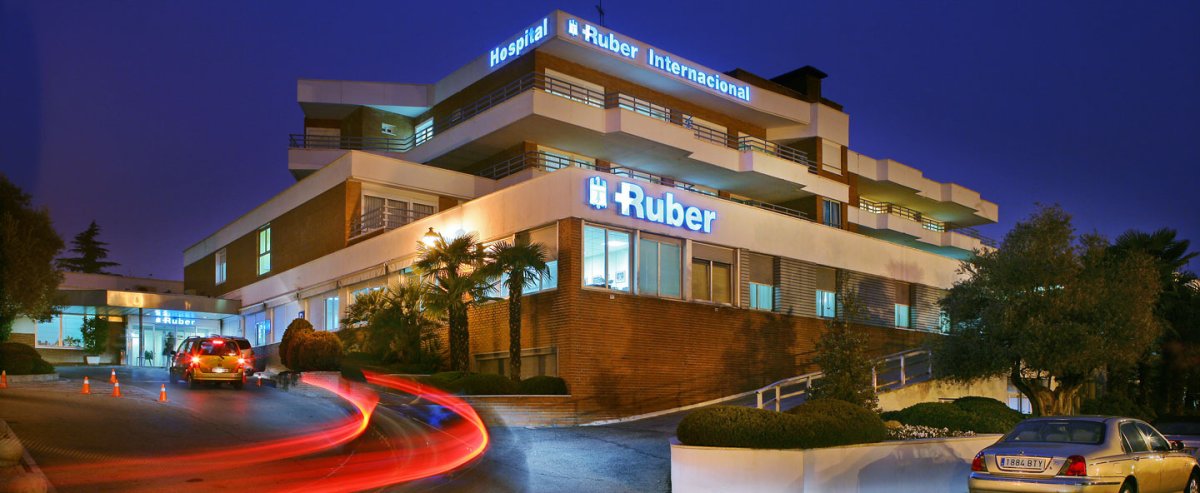


Hospital Sant Joan de Déu Barcelona




Obtenga una evaluación médica para Hemangioma en España: consulte con doctores experimentados ahora
Ver todos los médicos
César García Madrid
El doctor es un experto reconocido en angiología, cirugía vascular y endovascular, especializado en tratamientos mínimamente invasivos y cirugía convencional para la enfermedad del aneurisma aórtico, isquemia crónica de las extremidades inferiores y venas varicosas.<\/p>
Pionero en el tratamiento no quirúrgico de las venas varicosas utilizando radiofrecuencia endoluminal y VenaSeal, el doctor ha sido Director del Instituto Vascular Garcia-Madrid en el Centro Médico Teknon desde 20

Gallardo Pedrajas
El Dr. Gallardo Pedrajas desempeña un papel clave en Quirónsalud Marbella como Jefe de Angiología y Cirugía Vascular, con una amplia experiencia en tratamientos endovasculares mínimamente invasivos.
- Especializado en patologías vasculares, incluyendo malformaciones arteriovenosas
- Certificado en angiología y cirugía vascular con 76 años de experiencia
- Investigador activo con más de 100 conferencias y publicaciones médicas
- Miembro de la Sociedad Europea de Cirugía Vascular (ESVS)
- Profesor asistente en la Universidad de Málaga
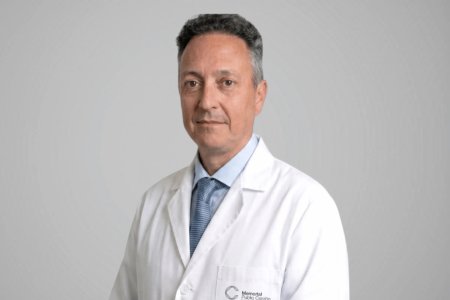
Alberto Romero Maté
El Dr. Alberto Romero Maté es dermatólogo-venereólogo en el Hospital Memorial Publio Cordón de Madrid. Trata hemangiomas y afecciones cutáneas, con especial atención a la inmunología y las enfermedades infecciosas. Trabaja en un centro acreditado por la JCI en la capital española.
El hospital cuenta con 114 médicos y posee varias certificaciones internacionales. El Dr. Romero Maté trata a niños con hemangiomas. La clínica cumple las normas de seguridad verificadas por la Joint Commissio
Compartir contenido
Historias en video de pacientes de Bookimed
 Olena Sikoza
Preguntas frecuentes sobre el tratamiento de Hemangioma en España
¿Cuál es el tratamiento estándar de primera línea para un hemangioma infantil de alto riesgo en España?
El propranolol oral es el tratamiento estándar de primera línea para el hemangioma infantil de alto riesgo en España. Las directrices nacionales de la Academia Española de Dermatología y Venereología (AEDV) exigen su uso. La terapia comienza idealmente entre las 5 semanas y los 5 meses de edad para prevenir una proliferación rápida.
- Dosis terapéutica: Los médicos administran de 1 a 3 mg/kg/día ajustado según el peso.
- Duración del tratamiento: Los pacientes suelen continuar con la medicación durante 6 a 12 meses.
- Monitoreo clínico: Los especialistas realizan un seguimiento de la frecuencia cardíaca, la presión arterial y los niveles de glucosa en sangre.
- Opciones alternativas: El atenolol oral sirve como opción de segunda línea para la intolerancia al propranolol.
Perspectiva del experto de Bookimed: La concentración en España de centros pediátricos especializados como el SJD Barcelona Children's Hospital crea un entorno de gran volumen para las anomalías vasculares. El SJD atiende a 450.000 pacientes al año. Este volumen permite a los equipos integrar métodos de diagnóstico avanzados, incluidos coagulogramas y ECG, en los exámenes iniciales de propranolol. Elegir un centro acreditado por la JCI en Madrid o Barcelona garantiza que se sigan estos estrictos protocolos de monitoreo durante los primeros 5 meses críticos.
Conse
¿Qué síntomas provocan una derivación inmediata a un dermatólogo en España?
Las derivaciones inmediatas a dermatólogos españoles ocurren cuando las lesiones muestran signos ABCDE de malignidad o una evolución rápida. Los médicos de atención primaria priorizan los lunares sospechosos, los nódulos firmes o las úlceras que no cicatrizan. Las reacciones que ponen en peligro la vida, como enrojecimiento intenso o úlceras en las mucosas, también provocan una derivación instantánea a vías oncológicas especializadas de acceso rápido.
- Banderas rojas oncológicas: Los lunares con múltiples colores o diámetros superiores a 6 mm requieren triaje urgente.
- Riesgos de ulceración: Las lesiones que sangran o forman costras durante más de 4 semanas evitan los tiempos de espera estándar.
- Interferencia funcional: Los hemangiomas que afectan la respiración, la visión o la alimentación provocan una revisión inmediata en dermatología pediátrica.
- Brotes inflamatorios: Las infecciones bacterianas que no responden a la terapia dirigida durante 1 semana requieren intervención dermatológica de emergencia.
Perspectiva de expertos de Bookimed: Los centros de atención pediátrica españoles como el SJD Barcelona Children's Hospital atienden a 450.000 pacientes al año. Nuestros datos muestran que los centros especializados a menudo utilizan medicina molecular para casos vasculares complejos. Si una lesión está cerca del ojo o del área de la barb
¿Qué pruebas de imagen avanzadas se requieren antes de someterse a un tratamiento?
Las pruebas de imagen avanzadas para el tratamiento de hemangiomas en España suelen comenzar con una ecografía Doppler. Para lesiones más profundas o complejas, la resonancia magnética (RM) es el requisito estándar. Estas pruebas definen la afectación de los tejidos y mapean el suministro sanguíneo. Los centros acreditados por la JCI en Barcelona y Madrid priorizan estas exploraciones para una planificación quirúrgica o láser precisa.
- Resonancia magnética (RM): Evalúa la profundidad y la afectación de los tejidos blandos en lesiones vasculares complejas o profundas.
- Ecografía Doppler: Proporciona una evaluación inicial no invasiva del flujo sanguíneo y las características de la lesión.
- Tomografía computarizada (TC): Evalúa los hemangiomas que afectan al cráneo, los senos paranasales o las estructuras óseas subyacentes.
- Análisis de laboratorio: Incluye coagulograma y análisis de sangre extendido para garantizar un tratamiento seguro.
Perspectiva del experto de Bookimed: Los centros españoles como el Centro Médico Teknon y el Hospital Ruber Internacional son preferidos por su alto volumen de pacientes y sus estándares JCI. Aunque muchos pacientes esperan una sola exploración, los especialistas de estas clínicas de alto volumen suelen utilizar un mapeo de doble modalidad. La combinación de RM con laboratorios vasculares especializados gara
¿Se puede extender un plan de tratamiento para hemangiomas o iniciarlo más tarde en la infancia?
Los especialistas en España pueden extender o iniciar el tratamiento de un hemangioma más tarde en la infancia para controlar el recrecimiento o las lesiones de aparición tardía. Aunque la intervención temprana dentro del primer mes es ideal, los protocolos con betabloqueantes orales siguen siendo efectivos más allá de la ventana típica de 12 meses. Esta adaptabilidad previene el crecimiento de rebote y las complicaciones funcionales.
- Extensión del tratamiento: Los médicos prolongan la terapia más allá de los 15 meses para detener el crecimiento de rebote.
- Inicio tardío: Comenzar después de los 12 meses ayuda a reducir las lesiones profundas o tardías.
- Indicadores clínicos: El crecimiento activo o la ulceración cutánea justifican iniciar el tratamiento a cualquier edad.
- Protocolos de seguridad: Centros pediátricos como el Hospital Ruber Internacional controlan las dosis ajustadas al peso durante toda la infancia.
Perspectiva del experto de Bookimed: Los datos de centros españoles de primer nivel revelan un cambio hacia cronogramas personalizados en lugar de límites de edad rígidos. El Hospital Sant Joan de Déu de Barcelona, que atiende a 450.000 pacientes al año, utiliza su laboratorio de medicina molecular para refinar estos cronogramas biológicos. Este alto volumen sugiere que los especialistas a menudo extienden la terapia si observa
¿Cuándo recomiendan los médicos españoles tratamientos tópicos en lugar de medicación oral?
Los médicos españoles recomiendan tratamientos tópicos para hemangiomas pequeños y superficiales confinados a la superficie de la piel. Estas terapias localizadas son preferibles si las lesiones no representan un riesgo para la función orgánica. Los médicos priorizan los tópicos para evitar efectos secundarios sistémicos en bebés cuando las lesiones son leves, estables o limitadas a áreas pequeñas.
- Extensión de la enfermedad: Los agentes localizados son la primera línea de tratamiento para hemangiomas que afectan a menos del 5% del cuerpo.
- Presentación clínica: Los médicos seleccionan tópicos para lesiones superficiales de crecimiento lento que no amenazan funciones vitales.
- Fase de mantenimiento: Las soluciones tópicas a menudo sirven en una rutina de mantenimiento de 1 año para prevenir recaídas de las lesiones.
- Perfil de seguridad: La terapia localizada protege a los bebés de efectos secundarios metabólicos sistémicos gastrointestinales, renales o hepáticos.
Perspectiva del experto de Bookimed: Aunque el tamaño pequeño a menudo dicta el uso tópico, los especialistas españoles del SJD Barcelona Children's Hospital enfatizan la ubicación sobre las dimensiones. Incluso un hemangioma diminuto recibe terapia oral si está posicionado cerca de los ojos o las vías respiratorias. Los centros de alto volumen a menudo prefieren este enfoque pro
¿Qué resultados cosméticos reales pueden esperar los padres de los tratamientos en España?
Los padres en España pueden esperar resultados restauradores de alta calidad para los hemangiomas. Alrededor del 40% de los niños logran excelentes resultados estéticos mediante terapias láser o médicas. Los centros especializados se centran en minimizar las marcas residuales. Las estrictas salvaguardias legales en España garantizan que solo los médicos registrados realicen tratamientos vasculares pediátricos.
- Tasas de éxito: Aproximadamente el 40% de los niños tratados logran excelentes resultados cosméticos.
- Centros especializados: El Hospital Infantil SJD de Barcelona es un destino principal para la atención pediátrica.
- Credenciales avanzadas: Cirujanos como el Dr. Gallardo Pedrajas poseen certificaciones de la Sociedad Española de Cirugía Vascular.
- Enfoque restaurador: Los tratamientos buscan la simetría estructural y la minimización de la distorsión tisular.
Perspectiva del experto de Bookimed: Aunque muchos se centran en los grandes hospitales, unidades especializadas como Quirónsalud Marbella ofrecen técnicas endovasculares altamente específicas. El Dr. Gallardo Pedrajas posee doble certificación en laboratorios vasculares y radiología. Elegir a un cirujano con estas credenciales técnicas específicas a menudo garantiza un diagnóstico más preciso para malformaciones vasculares complejas.
Consenso de los pacientes:
¿Qué herramientas de evaluación especializadas utilizan las clínicas médicas españolas para evaluar a los pacientes?
Las clínicas españolas utilizan escalas validadas como el Índice de Barthel y el Mini-Examen Cognoscitivo para evaluar los resultados de los pacientes. Los centros especializados también utilizan protocolos multidisciplinarios para anomalías vasculares. Estas herramientas evalúan la profundidad funcional y las tasas de crecimiento en afecciones como los hemangiomas. El seguimiento estandarizado garantiza una alta seguridad en los centros acreditados por la JCI.
- Índice funcional: El Índice de Barthel mide el desempeño en las actividades diarias en las clínicas de rehabilitación.
- Cribado cognitivo: El Mini-Examen Cognoscitivo sirve como la principal herramienta de cribado de demencia.
- Evaluación del dolor: El Breakthrough Pain Assessment Tool mide los picos repentinos de dolor en las unidades de oncología.
- Seguridad del paciente: Los cuestionarios PREOS-PC-Compact recopilan comentarios sobre la seguridad clínica y la práctica.
Perspectiva de expertos de Bookimed: Los centros de salud españoles priorizan los altos volúmenes de pacientes para perfeccionar los protocolos de evaluación. El Hospital Universitario HM Sanchinarro y el SJD Barcelona Children's Hospital atienden a más de 400.000 pacientes al año. Este flujo masivo de datos permite a los equipos estandarizar el seguimiento de la respuesta al tratamiento en diversos casos vasculares