Parálisis de Déjerine-Klumpke Tratamiento en Austria — Costos 2026


Revisado médicamente por
Fahad Mawlood
¿Cuál es el precio del diagnóstico y los tratamientos de Parálisis de Déjerine-Klumpke en Austria? Descubra ahora
| Austria | España | Turquía | |
|---|---|---|---|
| Tratamiento quirúrgico de las lesiones del plexo braquial (La parálisis de Dejerine-Klumpke) | ≈ $14,500 | de $28,100 | ≈ $7,500 |
Sus beneficios y garantías con Bookimed
Precios directos
Bookimed no añade cargos extra a los precios de los tratamientos de Parálisis de Déjerine-Klumpke. Las tarifas proceden de las listas de precios oficiales de las clínicas. Pagará directamente en la clínica por su tratamiento a su llegada al país.
Sólo clínicas y médicos verificados
Bookimed está comprometido con su seguridad. Solo trabajamos con las clínicas que mantienen altos estándares internacionales en el tratamiento de Parálisis de Déjerine-Klumpke y cuentan con las licencias necesarias para atender a pacientes internacionales en todo el mundo.
Asistencia 24/7 gratuita
Bookimed ofrece asistencia experta gratuita. Un coordinador médico personal le apoya antes, durante y después de su tratamiento, resolviendo cualquier problema. Nunca estará solo en su viaje médico de tratamiento de Parálisis de Déjerine-Klumpke.

Su coordinador médico personal de Bookimed
- Le apoya en cada etapa
- Ayuda a elegir la clínica y el médico adecuados
- Asegura un acceso rápido y conveniente a la información
Descubra las mejores clínicas de tratamiento de Parálisis de Déjerine-Klumpke en Austria: 1 opciones verificadas y Precios




Compartir contenido
Historias en video de pacientes de Bookimed
 Olena Sikoza
Preguntas frecuentes sobre el tratamiento de Parálisis de Déjerine-Klumpke en Austria
¿Cuáles son las opciones de tratamiento no quirúrgico?
En Austria, los tratamientos no quirúrgicos para la parálisis de Klumpke tienen como objetivo restaurar la función nerviosa y prevenir la rigidez muscular persistente. Las principales opciones de tratamiento incluyen fisioterapia intensiva, terapia ocupacional y férulas especializadas. Los equipos médicos priorizan la preservación de la movilidad de la mano y el alivio del dolor neuropático mediante protocolos farmacológicos específicos para mejorar los resultados funcionales.
- Fisioterapia: Los ejercicios tienen como objetivo aumentar el rango de movimiento y prevenir contracturas en la muñeca o los dedos.
- Férula personalizada: Las férulas para los dedos mantienen la posición correcta de la mano y evitan la flexión dolorosa de los dedos.
- Control del dolor: Los medicamentos para el dolor neuropático y los antiinflamatorios pueden ayudar a controlar el dolor y la sensibilidad crónicos en los nervios.
- Estimulación eléctrica: La activación neuromuscular selectiva ayuda a estimular los músculos debilitados y a mantener el tono muscular.
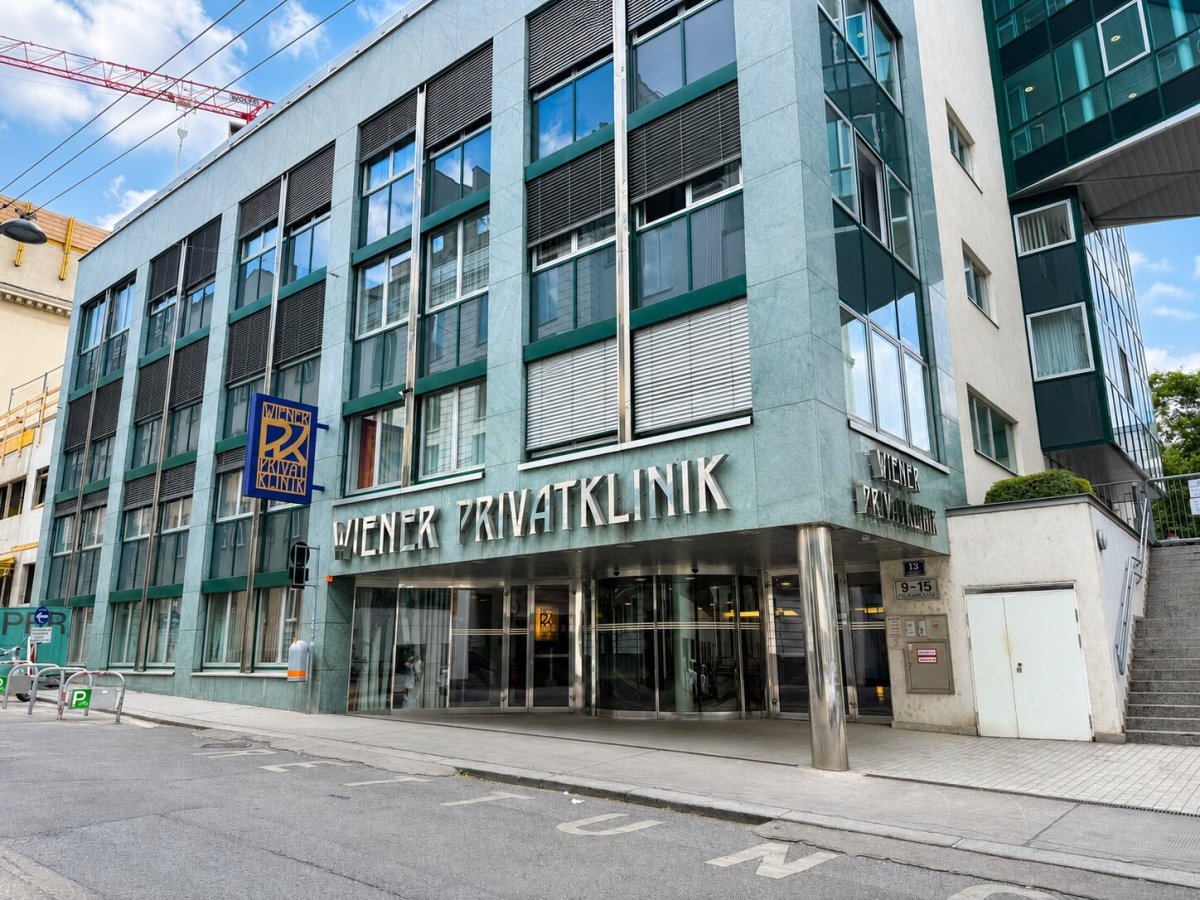
Opinión de expertos de Bookimed: Si bien Austria es un mercado pequeño para el turismo médico, ofrece una especialización de élite. La Clínica Privada de Viena (Wiener Privatklinik) brinda acceso a más de 400 médicos, muchos de ellos profesores de la Universidad Médica de Viena. Esta conexión académica es funda
¿Cuándo es necesaria la cirugía para la parálisis de Klumpke?
La parálisis de Klumpke requiere intervención quirúrgica cuando las raíces nerviosas C8 y T1 están completamente seccionadas o desgarradas. Los especialistas intervienen si no se produce una curación espontánea en un plazo de 3 a 6 meses. En casos graves acompañados de síndrome de Horner o parálisis permanente de la mano, se requiere microcirugía para restaurar la función motora.
- Observación atenta: Los médicos observan si se produce una mejoría espontánea del estado del paciente entre 3 y 6 meses después de la lesión.
- Indicadores diagnósticos: La electromiografía (EMG) que muestra denervación o reinervación insuficiente indica la necesidad de intervención quirúrgica.
- Avulsión nerviosa: Las raíces nerviosas que se seccionan de la médula espinal no pueden sanar sin cirugía.
- Síndrome de Horner: La caída del párpado indica un daño nervioso profundo que requiere una exploración quirúrgica exhaustiva.
Opinión de expertos de Bookimed: En centros como la Clínica Privada de Viena, muchos médicos son profesores de la Universidad Médica de Viena. Esta relación académica es fundamental para el tratamiento de la parálisis de Klumpke. Las investigaciones demuestran que recuperar la motricidad fina sigue siendo la tarea más difícil. Consultar con cirujanos que publican regularmente artículos sobre la reconstrucción del plexo braquial inferior puede mej
¿Qué procedimientos quirúrgicos se utilizan para reparar los nervios?
Los cirujanos reparan los nervios mediante sutura directa, injertos o transferencia nerviosa para restaurar la movilidad de la mano. Procedimientos como la neurorrafia conectan directamente los extremos de los nervios seccionados. El trasplante de nervios rellena los huecos con tejido donante. El injerto nervioso redirige nervios sanos hacia las vías nerviosas disfuncionales. Las clínicas austriacas utilizan la microcirugía para estos delicados procedimientos.
- Injerto nervioso: Rellenar grandes huecos utilizando segmentos nerviosos sensibles extraídos de otros órganos.
- Injerto de nervios: Redirecciona el exceso de nervios sanos para restaurar la función muscular vital.
- Neurorrafia: sutura cuidadosa de los extremos seccionados de los nervios mediante potentes microscopios quirúrgicos.
- Neurolisis: Libera los nervios comprimidos por tejido cicatricial para mejorar la transmisión de señales.
Opinión experta de Bookimed: La Clínica Privada de Viena ofrece una ventaja distintiva gracias a sus más de 400 médicos, muchos de los cuales son profesores de la Universidad Médica de Viena. Esta conexión académica garantiza a los pacientes el acceso a cirujanos especializados. Estos expertos suelen tratar casos complejos, como la luxación radicular. Este nivel de especialización es poco común fuera de los grandes centros académicos.
Opini
¿Qué centros especializados en Austria tratan las lesiones del plexo braquial?
Los centros especializados en el tratamiento de lesiones del plexo braquial en Austria se ubican principalmente en Viena. Instituciones líderes, como la Wiener Privatklinik y el AKH Wien, ofrecen técnicas de vanguardia en microrreconstrucción y restauración biónica. Estas clínicas brindan atención multidisciplinaria para lesiones de nervios periféricos, parálisis causada por traumatismos congénitos y cirugías complejas de injerto nervioso.
- Centro Millesi: ubicado en la clínica privada Wiener, se especializa en cirugía de nervios para adultos y niños.
- AKH Wien: Un centro académico estatal conocido mundialmente por sus proyectos pioneros en la reconstrucción de manos biónicas.
- Hospital Privado Döbling: Ofrece servicios de vanguardia en los campos de la microcirugía y la cirugía especializada de la mano.
- Centro de Traumatología de la AUVA: Especializado en lesiones nerviosas agudas resultantes de accidentes a alta velocidad.
Experiencia Bookimed: La Clínica Privada de Viena destaca por su colaboración con destacados expertos académicos. Muchos de sus 400 médicos son también profesores de la Universidad Médica de Viena. Esta conexión entre la medicina privada y la investigación académica garantiza a los pacientes una atención altamente especializada en el tratamiento de enfermedades de los nervios periféricos. Esto es fundamental para casos c
¿Cuál es la tasa de éxito esperada del tratamiento?
El éxito del tratamiento de la parálisis de Klumpke depende en gran medida de la gravedad de la lesión y del momento de la intervención. En Austria, el tratamiento quirúrgico tiene como objetivo restaurar la funcionalidad del movimiento de la mano y la muñeca. Los especialistas informan de los mejores resultados cuando la reconstrucción nerviosa se realiza dentro de los seis meses posteriores a la lesión. El tratamiento precoz maximiza las posibilidades de recuperar el control motor básico.
- El objetivo principal es la recuperación funcional: el éxito suele significar recuperar la capacidad de agarrar objetos y reducir el dolor.
- Momento de la intervención: La recuperación nerviosa en un plazo de 6 meses ofrece mayores tasas de éxito.
- Rehabilitación a largo plazo: Se requiere terapia ocupacional durante 12 meses o más para la recuperación.
- Información sobre la clínica: Profesores de la Universidad Médica de Viena trabajan en la clínica privada Wiener Privatklinik.
Opinión de expertos de Bookimed: Austria, a pesar de contar con un número reducido de centros especializados, ofrece una alta concentración de expertos. El Hospital Privado de Viena (Wiener Privatklinik) brinda acceso a más de 400 médicos y profesores. Su especialización en cirugía traumatológica permite realizar un gran volumen de procedimientos de reconstrucción nerviosa. Esta c
¿Cuál es el tiempo de recuperación típico?
La recuperación tras el tratamiento de la parálisis de Klumpke en Austria suele producirse durante un periodo neurológico prolongado. La curación inicial de los nervios es lenta, a un ritmo aproximado de 1 milímetro al día. Si bien la movilidad inicial comienza a las pocas semanas, lograr mejoras funcionales significativas en la mano y el antebrazo suele requerir de 6 a 12 meses de rehabilitación intensiva.
- Fase aguda: El reposo y el alivio de la inflamación duran aproximadamente de 1 a 2 semanas después del procedimiento.
- Recuperación temprana: Los ejercicios de amplitud de movimiento pasivo se inician a partir de la semana 2 para prevenir la rigidez articular.
- Regeneración nerviosa: Las mejoras notables en la función muscular suelen comenzar después de unos 3 o 6 meses.
- Recuperación máxima: La remodelación completa y la adaptación funcional pueden tardar 12 meses o más.
Opinión de expertos de Bookimed: Los pacientes de la Clínica Privada de Viena se benefician del tratamiento impartido por profesores de la Universidad Médica de Viena. La evidencia sugiere que el éxito en casos de lesión del plexo inferior depende de la prevención temprana de las contracturas de la mano. Las clínicas vienesas priorizan la terapia ocupacional inmediata, ya que restaurar la función de la mano es la tarea más compleja.
Comentarios de los paci
¿Cómo cubre el seguro austriaco el tratamiento para la parálisis de Klumpke?
El sistema público de salud austriaco cubre el tratamiento de la parálisis de Klumpke con derivación médica obligatoria. El tratamiento quirúrgico y la hospitalización en hospitales públicos están totalmente cubiertos por la seguridad social. Los gastos en clínicas privadas se reembolsan parcialmente según las tarifas estatales. Se requiere justificación médica para la terapia y el uso de dispositivos ortopédicos.
- Cirugías con hospitalización: Los hospitales públicos ofrecen cobertura gratuita para las cirugías de injerto de nervios y tendones.
- Franquicia diaria: Se aplica una tarifa nominal de entre 10 y 25 euros al día a las estancias hospitalarias.
- Sesiones de terapia: La fisioterapia y la terapia ocupacional se ofrecen de forma gratuita a través de instituciones médicas estatales con las que se han celebrado contratos.
- Seguro médico: se requiere un recargo del 10% para ortesis y férulas, con un importe mínimo de 46,20 €.
Opinión de expertos de Bookimed: La evidencia documentada de deterioro funcional objetivo es el factor más importante para la aprobación de la cobertura del seguro. La Clínica Privada de Viena y otros centros austriacos hacen hincapié en los resultados diagnósticos precisos, como los datos de EMG o ENMG. Estos registros suelen tener más peso para las aseguradoras que el propio diagnóstico. Los registros detallados de