Parálisis de Déjerine-Klumpke Tratamiento en España — Costos 2026


Revisado médicamente por
Fahad Mawlood
¿Cuál es el precio del diagnóstico y los tratamientos de Parálisis de Déjerine-Klumpke en España? Descubra ahora
| España | Turquía | México | |
|---|---|---|---|
| Tratamiento quirúrgico de las lesiones del plexo braquial (La parálisis de Dejerine-Klumpke) | de $28,100 | ≈ $7,500 | ≈ $9,500 |
Sus beneficios y garantías con Bookimed
Precios directos
Bookimed no añade cargos extra a los precios de los tratamientos de Parálisis de Déjerine-Klumpke. Las tarifas proceden de las listas de precios oficiales de las clínicas. Pagará directamente en la clínica por su tratamiento a su llegada al país.
Sólo clínicas y médicos verificados
Bookimed está comprometido con su seguridad. Solo trabajamos con las clínicas que mantienen altos estándares internacionales en el tratamiento de Parálisis de Déjerine-Klumpke y cuentan con las licencias necesarias para atender a pacientes internacionales en todo el mundo.
Asistencia 24/7 gratuita
Bookimed ofrece asistencia experta gratuita. Un coordinador médico personal le apoya antes, durante y después de su tratamiento, resolviendo cualquier problema. Nunca estará solo en su viaje médico de tratamiento de Parálisis de Déjerine-Klumpke.

Su coordinador médico personal de Bookimed
- Le apoya en cada etapa
- Ayuda a elegir la clínica y el médico adecuados
- Asegura un acceso rápido y conveniente a la información
Descubra las mejores clínicas de tratamiento de Parálisis de Déjerine-Klumpke en España: 1 opciones verificadas y Precios
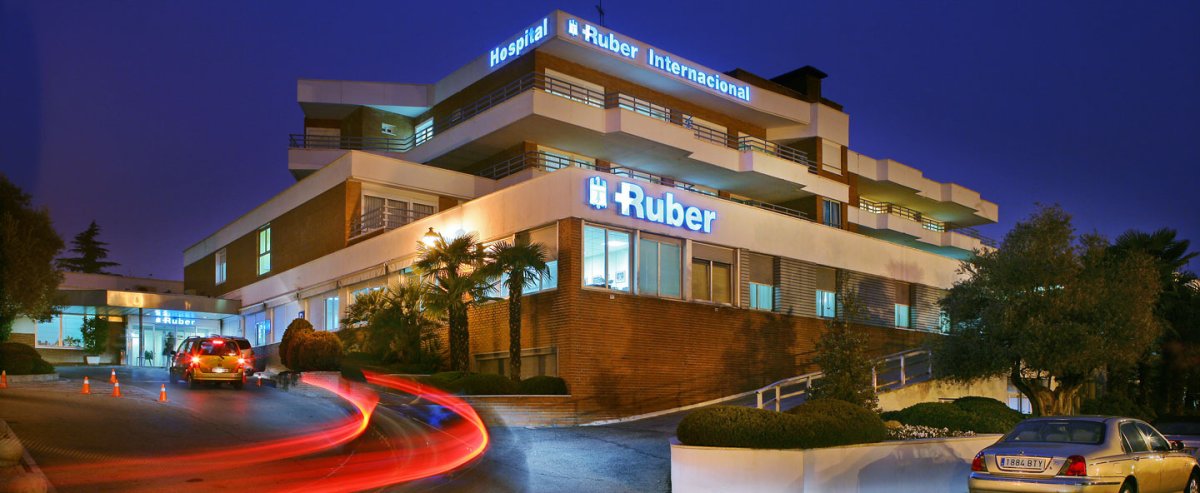


Obtenga una evaluación médica para Parálisis de Déjerine-Klumpke en España: consulte con doctores experimentados ahora
Ver todos los médicos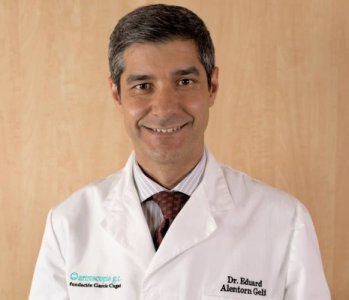
Eduard Alentorn Geli

Javier Albiñana
41 años especializado en condiciones ortopédicas pediátricas – El Dr. Albiñana se centra en casos complejos como la parálisis de Klumpke en Quironsalud Madrid.
- Jefe de Ortopedia Pediátrica en el Hospital La Paz durante 41 años
- Formación de subespecialidad en la Universidad de Iowa y la Universidad de Oxford
- Investigación publicada sobre displasia de cadera y condiciones del desarrollo
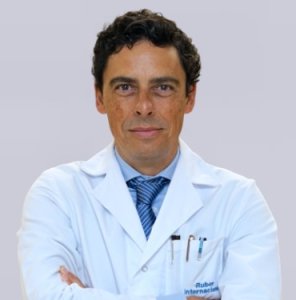
Pablo De La Cuadra
El Dr. Pablo de la Cuadra (Pablo Cuadra de la Virgili) es cirujano ortopédico y traumatólogo en Madrid. Está especializado en lesiones deportivas y cirugía de hombro en el Hospital Ruber Internacional, donde ejerce desde 1999. Cuenta con más de 25 años de experiencia. Dirige una unidad multidisciplinar y un equipo especializado en traumatología. Es un experto reconocido en trastornos complejos del hombro y utiliza técnicas artroscópicas y reconstructivas avanzadas para la inestabilidad y las
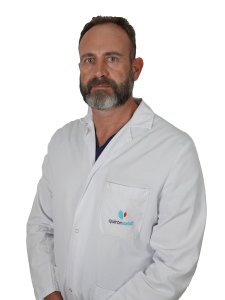
Néstor Antonio Zurita Uroz
El doctor es un especialista de gran prestigio en Cirugía Ortopédica y Traumatología, que actualmente ejerce como Jefe del Departamento de Traumatología en el Hospital Quirónsalud Torrevieja. Con un Doctorado en Medicina y Cirugía, el doctor posee una amplia experiencia en traumatología deportiva, cirugía de rodilla y hombro, y técnicas artroscópicas mínimamente invasivas. El doctor ha prestado atención médica al Equipo Nacional Español de Natación desde 1996 y es editor de la revista europea
Compartir contenido
Historias en video de pacientes de Bookimed
 Olena Sikoza
Preguntas frecuentes sobre el tratamiento de Parálisis de Déjerine-Klumpke en España
¿Qué capacidades diagnósticas ofrecen las clínicas españolas especializadas para la parálisis de Klumpke?
Las clínicas españolas especializadas utilizan resonancia magnética de alta resolución de 3 Teslas y electromiografía para evaluar las lesiones del plexo braquial inferior. Estos centros ofrecen vías diagnósticas integradas que combinan tomografías computarizadas (TC) en 3D y pruebas neurofisiológicas. Cirujanos especializados como el Dr. Joaquim Casañas aplican mapeo intraoperatorio para garantizar una evaluación precisa de los nervios durante los procedimientos de reconstrucción.
- Neuroimagen avanzada: La RM de alta resolución de 3 Teslas mapea la microarquitectura dentro del plexo braquial.
- Pruebas funcionales: La electromiografía mide las corrientes eléctricas para rastrear los niveles de denervación muscular.
- Planificación quirúrgica: Las tomografías 3D localizan sacos de líquido cefalorraquídeo traumáticos que indican avulsión nerviosa.
- Mapeo intraoperatorio: La monitorización en tiempo real durante la cirugía identifica tejido nervioso viable para injertos.
Perspectiva del experto de Bookimed: La coordinación entre neurocirujanos y traumatólogos ortopédicos es un sello distintivo de los mejores centros españoles. En el Centro Médico Teknon, los paquetes quirúrgicos incluyen específicamente consultas con especialistas junto con imágenes 3D avanzadas. Este enfoque multidisciplinario es vital porque la parálisis de Klumpke requiere d
¿Qué opciones quirúrgicas avanzadas existen si los nervios están desgarrados?
Las opciones quirúrgicas avanzadas para los nervios desgarrados incluyen transferencias nerviosas, injertos nerviosos y reanimación muscular. Los cirujanos en España realizan estos complejos procedimientos microquirúrgicos bajo microscopios de alta potencia. Utilizan suturas más delgadas que un cabello humano para restaurar la función motora y la sensibilidad críticas.
- Transferencia nerviosa: Redirección de un nervio sano para evitar segmentos dañados y acelerar la activación muscular.
- Injerto nervioso: Puenteo de brechas con segmentos de nervios sensoriales para guiar el recrecimiento natural de los axones.
- Transferencia muscular: Trasplante de músculos funcionales como el grácil para reemplazar tejido dañado permanentemente.
- Mapeo intraoperatorio: Monitoreo de señales nerviosas durante la cirugía para asegurar una reparación precisa del plexo.
Perspectiva del experto de Bookimed: Los datos muestran que los centros de alto volumen como el Hospital Ruber Internacional y el Centro Médico Teknon se centran en equipos neuro-ortopédicos especializados. Estas unidades gestionan más de 6,000 cirugías al año. Elegir una clínica que incluya tomografías computarizadas 3D y monitoreo intraoperatorio, como se ve en los paquetes de $33,700 de Teknon, es vital. Esta tecnología permite a cirujanos como el Dr. Joaquim Casañas verificar la conductivida
¿Cuáles son los mejores hospitales para el tratamiento de la parálisis de Klumpke en España?
Los mejores hospitales para la parálisis de Klumpke en España incluyen el Centro Médico Teknon y el Hospital Ruber Internacional. Estos centros acreditados por la JCI se especializan en reconstrucción nerviosa microquirúrgica y neurocirugía pediátrica. Utilizan mapeo intraoperatorio e imágenes en 3D para reparar de forma segura lesiones complejas de las raíces C8 y T1.
- Diagnóstico avanzado: Las instalaciones utilizan resonancia magnética de 3 Teslas y tomografías computarizadas en 3D para un mapeo nervioso preciso.
- Experiencia quirúrgica: Los cirujanos realizan microcirugía e injertos nerviosos para lesiones del plexo braquial inferior.
- Monitoreo especializado: El mapeo intraoperatorio protege los nervios sanos durante los delicados procedimientos de reconstrucción.
- Enfoque pediátrico: El Hospital Sant Joan de Déu se especializa en el tratamiento de lesiones nerviosas relacionadas con el nacimiento en bebés.
Perspectiva del experto de Bookimed: El volumen de pacientes es un indicador fiable de la competencia del especialista para esta afección poco común. El Hospital Ruber Internacional atiende a más de 25.000 pacientes internacionales al año en sus unidades de neurociencia y ortopedia. Seleccionar un centro con un volumen quirúrgico tan alto a menudo garantiza el acceso a equipos multidisciplinarios experimentados. Estos equipos coordi
¿Qué terapias no quirúrgicas están disponibles en España?
Las terapias no quirúrgicas en España se centran en la rehabilitación física intensiva para mantener la función muscular y la movilidad articular. Los centros especializados utilizan fisioterapia dirigida, terapia ocupacional y neurorrehabilitación para controlar los síntomas. Los pacientes acceden a estos protocolos en instalaciones acreditadas por la JCI en Madrid y Barcelona para optimizar el potencial de recuperación nerviosa.
- Fisioterapia: Los ejercicios intensivos de rango de movimiento previenen contracturas musculares permanentes y rigidez.
- Terapia ocupacional: El entrenamiento especializado de la función manual y las técnicas adaptativas preservan la independencia diaria.
- Protocolos de férulas: Los aparatos ortopédicos personalizados mantienen el posicionamiento correcto de las extremidades para apoyar la curación nerviosa natural.
- Monitoreo diagnóstico: La resonancia magnética avanzada de 3 Teslas y la electromiografía rastrean el progreso de la conducción nerviosa basal.
Perspectiva de expertos de Bookimed: Los mejores equipos ortopédicos de España, como los del Hospital Ruber Internacional, a menudo integran unidades de trauma especializadas con neurorrehabilitación. Los datos muestran que las clínicas con un alto volumen de pacientes (que alcanzan los 25.000 anuales) proporcionan una infraestructura de fisioterapia más sóli