Sindactilia en Austria: las 3 mejores clínicas para su tratamiento


Revisado médicamente por
Fahad Mawlood
Cómo funciona
¿Cuál es el precio del diagnóstico y los tratamientos de Sindactilia en Austria? Descubra ahora
Descubra las mejores clínicas de tratamiento de Sindactilia en Austria: 3 opciones verificadas y Precios




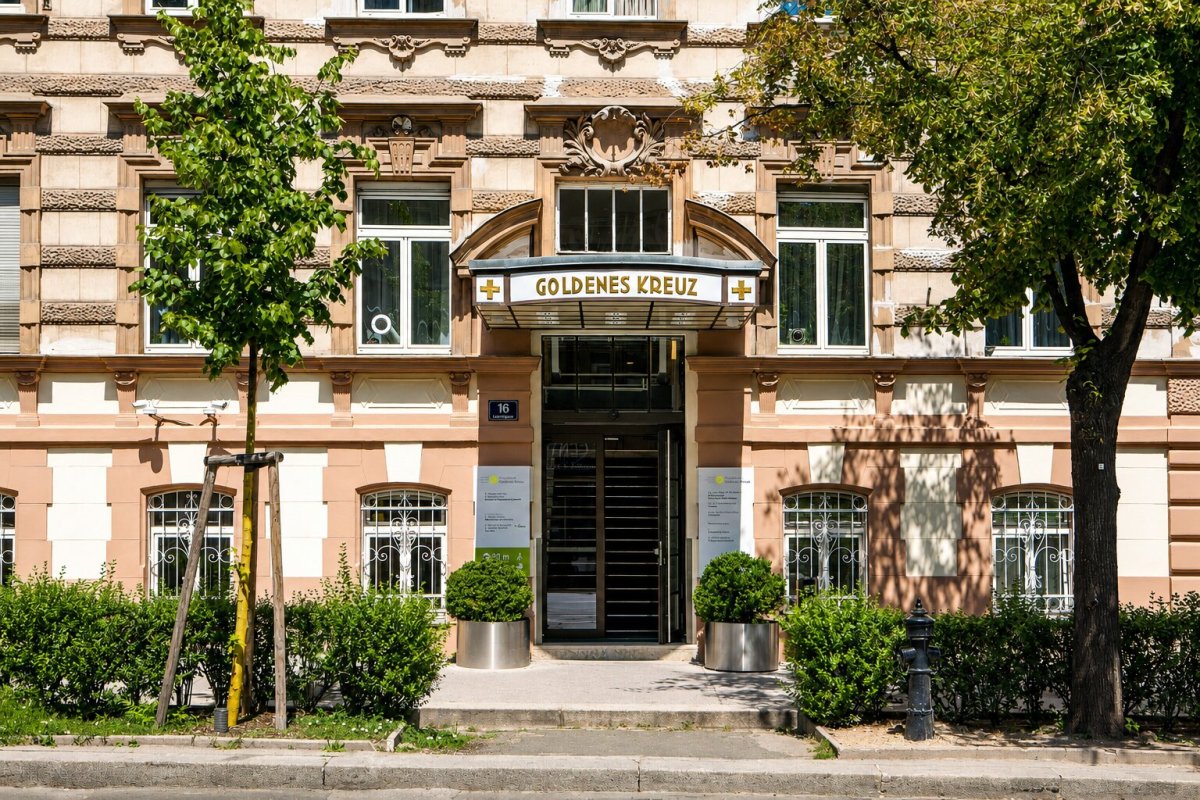
Confraternitaet & Goldenes Kreuz Private Hospital

Clínica Privada Leech
Compartir contenido
Historias en video de pacientes de Bookimed
 Olena Sikoza
Preguntas frecuentes sobre el tratamiento de Sindactilia en Austria
¿Cuál es la mejor edad para programar una cirugía de separación de sindactilia en Austria?
Los cirujanos austriacos suelen programar la cirugía de separación de sindactilia para niños de entre 6 y 24 meses de edad. El momento de la intervención depende de los dedos afectados y de la complejidad de la cirugía. El objetivo es completar la corrección antes de la edad escolar para favorecer el desarrollo motor y el bienestar psicosocial.
- Separación de los dedos en el límite entre grupos: suele producirse de forma temprana, entre los 3 y los 6 meses de edad.
- Dedos centrales: Los cirujanos suelen operar estos dedos entre los 12 y los 18 meses de edad.
- Casos complejos: Cuando los huesos de los dedos se fusionan, se requiere intervención en un plazo de 6 a 12 meses.
- Seguridad anestésica: Esperar hasta los 6 meses permite que el sistema respiratorio del bebé madure.
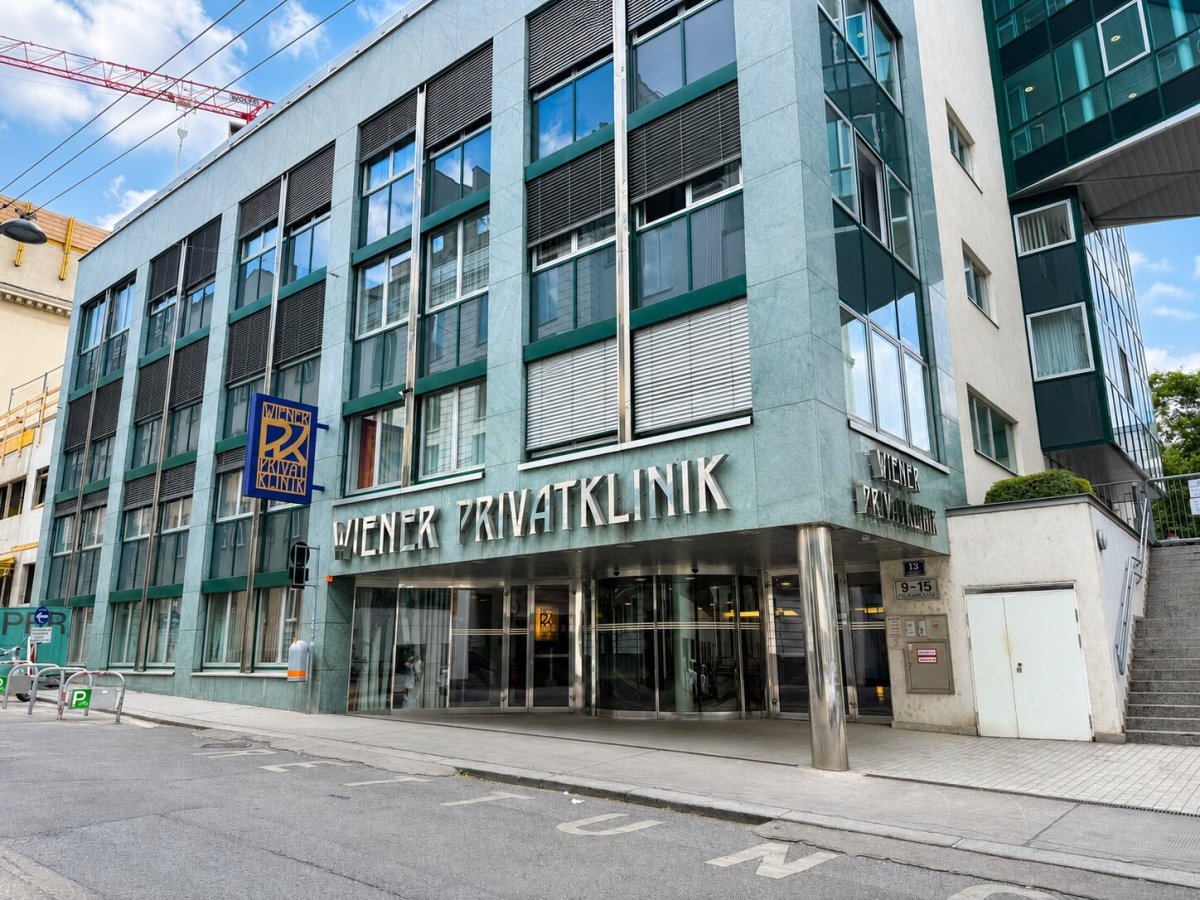
Opinión de expertos de Bookimed: Si bien centros vieneses como Wiener Privatklinik ofrecen atención ortopédica de alta calidad, el factor principal que determina el momento de la intervención es el tamaño anatómico del niño. Esperar hasta los 12 meses suele proporcionar más tejido cutáneo para injertos, lo que reduce el riesgo de deformación del espacio interóseo a medida que el niño crece. Las clínicas acreditadas por la ISO y equipadas con herramientas de diagnóstico modernas, como Leech Private Clinic, garantizan una planificación precisa de las complejas cirugías de fusi
¿Cuáles son los principales riesgos y complicaciones a largo plazo asociados con la separación en la sindactilia?
Los principales riesgos de la separación de la sindactilia incluyen infección, rechazo del injerto de piel y alteración del riego sanguíneo. Las complicaciones a largo plazo suelen estar asociadas con la retracción de la piel, un proceso en el que la piel crece unida entre los dedos durante el desarrollo. Si bien la mayoría de las cirugías mejoran con éxito la función de la mano, los casos complejos con huesos fusionados conllevan un mayor riesgo de rigidez articular.
- Estiramiento del tejido cicatricial: A medida que el bebé crece, el tejido cicatricial puede estirar la piel distalmente.
- Fallo del injerto: Un suministro sanguíneo deficiente o una movilidad reducida pueden provocar el fracaso de los injertos de piel.
- Contractura articular: Las cicatrices densas pueden limitar la extensión de los dedos y provocar una flexión anormal.
- Deformidades en las uñas: En casos graves, a menudo se observan uñas partidas o asimétricas.
Opinión experta de Bookimed: Centros profesionales como la Wiener Privatklinik en Viena utilizan estándares ISO para mantener un alto nivel de seguridad. Nuestros datos muestran que las mejores clínicas austriacas priorizan un enfoque multidisciplinario del tratamiento, que involucra tanto a ortopedistas como a traumatólogos. Este enfoque estructurado es crucial, ya que los casos complejos de sindactilia requieren un ma
¿Qué hospitales y especialistas austriacos gozan de una excelente reputación en el tratamiento de la sindactilia?
Austria alberga clínicas de renombre mundial, como el Hospital Privado de Viena y el Hospital Ortopédico de Speising, especializadas en la corrección de la sindactilia. Especialistas como el Dr. Sebastian Farr y el Profesor Robert Schmidhammer emplean técnicas microquirúrgicas y reconstructivas de vanguardia. Estas clínicas priorizan la obtención de resultados funcionales y estéticos óptimos para las anomalías congénitas de las extremidades.
- Hospital Privado de Viena: Sede del Centro Millesi, especializado en cirugía de mano y nervios periféricos.
- Hospital Ortopédico de Speising: cuenta con un departamento especializado en el tratamiento de anomalías de manos y pies en niños.
- Especialización: El profesor Werner Millesi realiza cirugías reconstructivas complejas en niños pequeños y adultos.
- Acreditación: Wiener Privatklinik y Leech Private Clinic cuentan con la certificación de calidad ISO 9001.
Opinión de expertos de Bookimed: Si bien la ortopedia general está muy extendida, los mejores resultados en Austria se obtienen gracias a los profesores universitarios. La Clínica Privada de Viena cuenta con más de 400 médicos, la mayoría graduados de la Universidad Médica de Viena. Estos especialistas suelen realizar injertos de piel y separaciones óseas en una sola sesión. Esta amplia experiencia clínica garantiza la resolución inmediata de probl
¿Cómo abordan los cirujanos austriacos la pérdida de piel que se produce durante la disección?
Los cirujanos austriacos abordan las deficiencias cutáneas en las separaciones de los dedos debidas a la sindactilia mediante técnicas reconstructivas avanzadas, como la plastia en Z y el injerto de colgajo cutáneo con tejido local. Estas técnicas permiten la expansión del tejido existente para cubrir las zonas expuestas de los dedos. Clínicas en Viena y Graz utilizan estos protocolos en instalaciones con certificación ISO para garantizar resultados funcionales óptimos.
- Diseño de colgajos locales: Los cirujanos utilizan colgajos en zigzag o rectangulares, tomando piel de los dedos.
- Técnica quirúrgica: El uso de colgajos como la plastia en Z reduce la contractura cicatricial y mejora la movilidad de los dedos.
- Injertos de piel: Los injertos de la ingle o la muñeca rellenan los huecos cuando la piel local es insuficiente.
- División por etapas: En casos complejos, es necesario dividir los espacios interdigitales individualmente para proteger el suministro vital de sangre.
Opinión de expertos de Bookimed: La concentración de especialistas médicos en Viena representa una ventaja significativa para las cirugías reconstructivas complejas. La Clínica Privada de Viena cuenta con más de 400 médicos, entre ellos numerosos profesores de la Universidad Médica de Viena. Esta sólida formación académica garantiza que los planes quirúrgicos para el tratami
¿Cómo es el programa de recuperación postoperatoria y el plan de rehabilitación?
La recuperación tras el tratamiento de la sindactilia en Austria implica un programa estructurado de 12 meses centrado en la protección de la herida y la función de la mano. Centros ortopédicos especializados, como la Wiener Privatklinik, ofrecen atención postoperatoria en condiciones que cumplen con la norma ISO. Los pacientes pasan de la inmovilización inmediata a una terapia intensiva de la mano para garantizar una alineación y movilidad óptimas de los dedos.
- Inmovilización inicial: Los apósitos voluminosos protegen los injertos quirúrgicos durante los primeros 14 días.
- Retirada de puntos: Normalmente, su equipo médico le retirará los puntos o grapas en un plazo de 2 semanas.
- Inicio de la rehabilitación: La terapia estructurada de la mano comienza después del primer cambio importante de vendaje.
- Maduración funcional: La remodelación completa del tejido y la restauración de su resistencia tardan entre 3 y 12 meses.
Opinión experta de Bookimed: Los datos clínicos de centros austriacos muestran una tendencia hacia sistemas de rehabilitación multietapa. Instituciones como Confraternitaet y Goldenes Kreuz tratan a 7000 pacientes al año con programas de tratamiento estructurados. Elegir una clínica con su propio departamento de rehabilitación, como la Clínica Privada Leech, simplifica la transición de la cirugía a la terapia. Este enfoque in