Sindactilia en Alemania: las 11 mejores clínicas para su tratamiento


Revisado médicamente por
Fahad Mawlood
Cómo funciona
¿Cuál es el precio del diagnóstico y los tratamientos de Sindactilia en Alemania? Descubra ahora
Descubra las mejores clínicas de tratamiento de Sindactilia en Alemania: 11 opciones verificadas y Precios




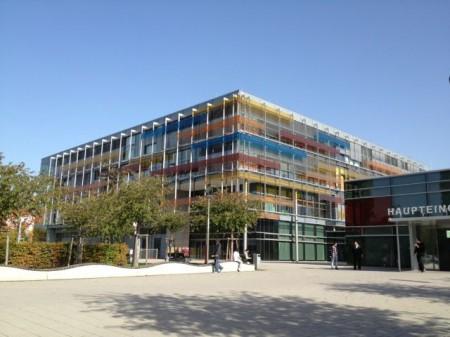
University Hospital in Haydelberge

Hannover Medical School









Lippe Detmold Clinic
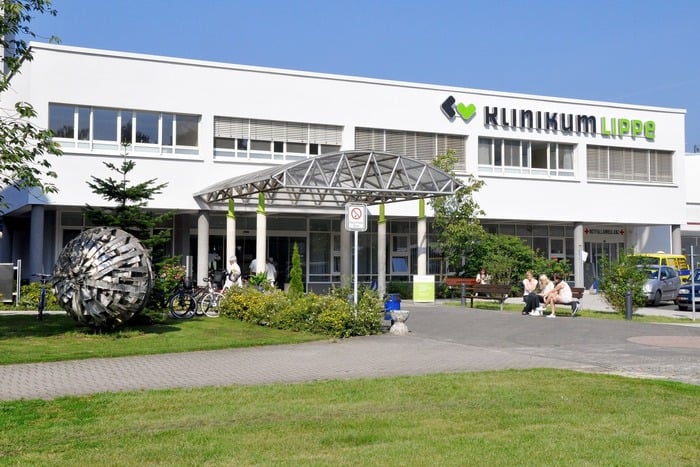
Lippe Lemgo Clinic
Compartir contenido
Historias en video de pacientes de Bookimed
 Olena Sikoza
Preguntas frecuentes sobre el tratamiento de Sindactilia en Alemania
¿Por qué un cirujano no puede simplemente cortar la piel entre los dedos unidos?
Cortar entre dedos unidos es imposible porque la sindactilia a menudo involucra estructuras vitales compartidas. Un corte simple puede seccionar arterias o nervios digitales compartidos. Esto conduce a la muerte del tejido o entumecimiento permanente. Los ortopedistas alemanes utilizan reconstrucciones complejas para garantizar la funcionalidad y el crecimiento de la mano.
- Suministro de sangre: Los dedos a menudo comparten una arteria. Una separación correcta preserva la circulación hacia ambos.
- Integridad nerviosa: Los nervios entrelazados requieren una separación microscópica. Esto preserva la sensibilidad en las puntas de los dedos.
- Prevención de cicatrices: Los cortes rectos causan contracturas. Los cirujanos utilizan la plastia en Z en zigzag para permitir la flexión.
- Cobertura de piel: La separación crea un déficit de piel. Los cirujanos a menudo utilizan injertos de sitios donantes.
Perspectiva del experto de Bookimed: Alemania ocupa el segundo lugar a nivel mundial en solicitudes ortopédicas en nuestra plataforma. Este alto volumen de más de 980 casos se correlaciona con centros especializados como el Hospital Universitario de Heidelberg. Estas instituciones gestionan flujos masivos de más de 300,000 personas al año. Su experiencia con fusiones complejas garantiza una reestructuración ósea precisa que las clínicas más pequeñas p
Si mi hijo tiene varios dedos palmeados, ¿se pueden separar todos a la vez?
Los cirujanos no pueden separar los lados adyacentes de un solo dedo en una sola operación. Esto protege el suministro de sangre esencial que corre a lo largo de ambos lados de cada dedo. Para tres o más dedos palmeados consecutivos, los médicos utilizan un enfoque quirúrgico por etapas. Esto garantiza una curación segura de los tejidos.
- Regla del suministro de sangre: Operar ambos lados simultáneamente conlleva el riesgo de perder el dedo de la mano o del pie.
- Cronograma por etapas: Las cirugías posteriores se realizan con un intervalo de 3 a 6 meses para una curación estable de la piel.
- Opciones simultáneas: Los espacios interdigitales no adyacentes o las extremidades separadas a menudo pueden tratarse juntos de forma segura.
- Ventana de tratamiento: Los procedimientos suelen comenzar entre el 1 y los 2 años de edad por seguridad.
Perspectiva del experto de Bookimed: Las clínicas alemanas como las de Renania del Norte-Westfalia o el Centro Médico de Solingen gestionan grandes volúmenes de pacientes con una especialización de nivel académico. Los datos muestran que estos centros aprovechan redes multidisciplinarias para coordinar reparaciones complejas por etapas. Este enfoque es vital para la sindactilia compleja, donde la fusión ósea requiere una reconstrucción ortopédica avanzada junto con injertos de piel.
Consenso de
¿Cuál es la mejor edad para programar una cirugía de sindactilia en Alemania?
Los cirujanos pediátricos alemanes generalmente recomiendan programar la cirugía de sindactilia entre los 6 meses y los 2 años de edad. El momento depende de qué dedos estén fusionados y de la complejidad de la membrana. La intervención temprana previene deformidades en el crecimiento y asegura que el niño sea lo suficientemente grande para una anestesia segura.
- Dedos periféricos: La separación ocurre alrededor de los 6 meses para fusiones pulgar-índice o anular-meñique.
- Dedos centrales: La cirugía para los dedos medios generalmente ocurre entre los 12 y 24 meses.
- Casos complejos: Los procedimientos para fusiones óseas o de uñas requieren liberaciones por etapas que comienzan a los 6 meses.
- Sindactilia de los dedos del pie: Los especialistas a menudo retrasan la cirugía hasta los 18 años a menos que la función esté gravemente afectada.
Perspectiva del experto de Bookimed: Nuestros datos muestran que Alemania es un destino de primer nivel para la ortopedia, especialmente en hospitales académicos de alta capacidad. Instalaciones como el Hospital Universitario de Essen atienden a más de 370,000 pacientes al año con imágenes digitales avanzadas. Estos centros de investigación intensiva a menudo manejan liberaciones complejas por etapas que las clínicas más pequeñas pueden diferir. Al elegir un centro, priorice los hospitales académicos en c
¿Cuál es la diferencia entre el tratamiento de manos palmeadas y pies palmeados en las clínicas alemanas?
Las clínicas alemanas distinguen el tratamiento de la sindactilia por urgencia funcional frente a elección estética. La cirugía de mano es una necesidad médica para el desarrollo motor. La cirugía de pie es a menudo electiva. Los especialistas priorizan la separación de los dedos para asegurar un agarre adecuado y prevenir la deformación ósea durante el crecimiento.
- Prioridad de tratamiento: La cirugía de mano asegura habilidades de agarre esenciales. Los procedimientos de pie son a menudo opcionales.
- Momento quirúrgico: Los cirujanos operan las manos entre los 6 y 18 meses. La cirugía de pie espera.
- Técnicas de incisión: Los médicos utilizan la plastia en Z en zigzag para compartir piel y prevenir contracturas de los dedos.
- Enfoque clínico: Los pies se manejan de forma conservadora a menos que una fusión ósea compleja cause dolor al caminar.
Perspectiva de expertos de Bookimed: Los centros médicos alemanes como el Complejo Clínico de Renania del Norte-Westfalia y el Hospital Universitario de Heidelberg mantienen volúmenes masivos de pacientes, alcanzando más de 145,000 y 312,000 anualmente. Esta alta frecuencia crea un vasto conjunto de datos para técnicas reconstructivas pediátricas complejas. Muchas clínicas se centran en la atención multidisciplinaria en 15 a 50 departamentos especializados para garantizar la seguridad de la anestes
¿Qué instituciones médicas alemanas se especializan en anomalías congénitas de la mano?
Las instituciones alemanas especializadas en anomalías congénitas de la mano incluyen el Hospital Infantil Católico Wilhelmstift, el Hospital Universitario de Heidelberg y la Escuela de Medicina de Hannover. Estos centros ofrecen cirugía pediátrica y microcirugía especializadas. Se centran en reconstrucciones complejas para afecciones como sindactilia, polidactilia e hipoplasia del pulgar en unidades dedicadas.
- Atención pediátrica especializada: El Wilhelmstift de Hamburgo alberga el departamento de mano pediátrica más grande de Alemania.
- Investigación de nivel académico: La Escuela de Medicina de Hannover integra la investigación científica con la cirugía reconstructiva compleja de la mano.
- Reconstrucción avanzada: El Hospital Universitario de Heidelberg utiliza centros dedicados de ortopedia y cirugía plástica.
- Experiencia regional: El Centro Médico de Solingen sirve como hospital universitario docente.
Opinión de expertos de Bookimed: La red de hospitales universitarios de Alemania crea una ventaja distintiva para los casos complejos. Los grandes centros como la Escuela de Medicina de Hannover y el Hospital Universitario de Heidelberg atienden a más de 300.000 pacientes al año. Este alto volumen permite a estas instituciones mantener clínicas especializadas específicamente para malformaciones raras de manos y pies. Los pacientes debe
¿Qué deben esperar las familias internacionales con respecto a las estancias hospitalarias y la recuperación?
Las familias internacionales deben esperar una estancia hospitalaria de 2 a 5 días en los centros ortopédicos alemanes. Los cirujanos priorizan la estabilización inicial y la monitorización durante las primeras 72 horas críticas. La recuperación implica cuidados especializados del yeso y múltiples evaluaciones de seguimiento para garantizar la correcta alineación y curación de los dedos.
- Estancia hospitalaria: Los niños suelen permanecer de 48 a 72 horas para el control del dolor y la monitorización.
- Manejo del yeso: Mantener el vendaje seco e intacto es el principal desafío postquirúrgico.
- Aptitud para volar: Los cirujanos suelen autorizar a los pacientes para viajar en avión de 5 a 7 días después de la operación.
- Atención de seguimiento: Las familias deben planificar varias visitas postoperatorias antes de regresar a casa de forma segura.
Perspectiva del experto de Bookimed: Los hospitales universitarios alemanes como Heidelberg o Hannover gestionan volúmenes masivos de pacientes, superando a menudo los 300.000 anuales. Este alto rendimiento significa que los protocolos para las admisiones internacionales son extremadamente eficientes. Las familias deben elegir instalaciones con certificación ISO como el Meoclinic Hospital para garantizar una gestión de calidad estandarizada durante la sensible fase de recuperación.
Con
¿Qué hospitales en Alemania tienen las calificaciones más altas en neurocirugía?
Alemania alberga algunos de los departamentos de neurocirugía más prestigiosos del mundo, liderados por la Charité – Universitätsmedizin Berlin y el Hospital Universitario de Heidelberg. Estos centros destacan en el tratamiento de tumores cerebrales complejos y enfermedades cerebrovasculares. Para maximizar la eficacia de sus procedimientos, utilizan tecnologías de vanguardia como la resonancia magnética intraoperatoria y la neuronavegación asistida por computadora.
- Charité Berlín: Realiza más de 5000 cirugías al año. La clínica está dirigida por el reconocido neurocirujano Dr. Peter Vaikoczy.
- Centro Médico Solingen: El Dr. Ralf Buhl ha realizado más de 4.000 cirugías, incluidas cirugías de columna mínimamente invasivas.
- Clínica Asklepios Nord: equipada con el único sistema de resonancia magnética intraoperatoria bilateral de Alemania para garantizar precisión quirúrgica en tiempo real durante la extirpación del tumor.
- Clínica Nordwest: reconocida por la revista Newsweek como un hospital líder por su innovación en tecnología de ultrasonido 3D.
Opinión experta de Bookimed: Los datos muestran que elegir centros con un alto volumen quirúrgico suele llevar a recomendaciones de tratamiento más conservadoras. En el Centro Médico Solingen, que atiende a más de 60.000 pacientes al año, los cirujanos suelen sugerir fisioterapia en lugar de cirugía
¿Cuáles son las tasas de éxito de los procedimientos neuroquirúrgicos complejos en Alemania?
En Alemania, los procedimientos neuroquirúrgicos de alta complejidad demuestran una seguridad excepcional. Las tasas de éxito en las fusiones espinales alcanzan el 99 %. La tasa de supervivencia en las resecciones de tumores cerebrales primarios es del 97 %. La independencia funcional es alta. Más del 82 % de los pacientes reciben el alta inmediatamente después del tratamiento. Los centros alemanes priorizan la preservación de la función neurológica mediante técnicas modernas de mapeo.
- Resección de tumores: los cirujanos logran una resección tumoral completa en el 87,2% de los casos de metástasis cerebrales.
- Éxito en el tratamiento de enfermedades vasculares: los hospitales alemanes informan de una tasa de supervivencia del 98,7% para aneurismas no rotos.
- Mejora del estado neurológico: casi el 43% de los pacientes experimentan una mejora de los parámetros funcionales después de resecciones complejas.
- Seguridad de las intervenciones quirúrgicas: En grandes centros quirúrgicos, las tasas de supervivencia de los pacientes después de la cirugía de columna son del 98-99%.
Opinión experta de Bookimed: Cirujanos experimentados como el Dr. Uwe Köhler, de la Clínica Asklepios Altona, realizan más de 2000 cirugías al año. Los datos muestran que estos especialistas mantienen tasas de éxito de hasta el 90 %, incluso en los tumores cerebrales más comp
¿Qué tecnologías avanzadas suelen estar disponibles en las clínicas neuroquirúrgicas alemanas?
Las clínicas neuroquirúrgicas alemanas incorporan regularmente instrumentos digitales de alta precisión y visualización en tiempo real a la práctica quirúrgica. Entre las tecnologías clave se encuentra la neuronavegación computarizada para cirugías de cerebro y médula espinal. Instituciones como la Clínica Asklepios Nord utilizan la resonancia magnética intraoperatoria para verificar la extirpación de tumores en tiempo real. Estos sistemas proporcionan a los cirujanos navegación GPS 3D.
- Neuronavegación: proporciona visualización 3D y seguimiento de instrumentos en tiempo real para lograr precisión quirúrgica hasta el nivel submilimétrico.
- Imágenes intraoperatorias: sistemas como iMRI y O-arm CT permiten la confirmación inmediata de una resección exitosa.
- Neuromonitorización: Monitorea las funciones motoras y sensoriales durante la cirugía para proteger el sistema nervioso.
- Diagnóstico de fluorescencia: se utiliza el colorante 5-ALA para resaltar los bordes del tumor para una eliminación más completa.
- Asistencia robótica: Sistemas como el Da Vinci mejoran la precisión en procedimientos complejos y mínimamente invasivos.
Opinión experta de Bookimed: Grandes centros como la Charité – Universitätsmedizin de Berlín realizan más de 4000 procedimientos neuroquirúrgicos al año, lo que crea un entorno rico en datos para p
¿Qué formación especializada reciben los neurocirujanos en ejercicio en Alemania?
En Alemania, los neurocirujanos deben completar una residencia especializada de seis años tras graduarse de la facultad de medicina. Este programa estructurado incluye cuidados intensivos, práctica clínica y una revista quirúrgica obligatoria. Posteriormente, los candidatos aprueban un examen estatal para obtener el título de residente (Facharzt für Neurochirurgie).
- Residencia clínica: requiere de 48 a 72 meses de práctica neuroquirúrgica especializada.
- Cuidados intensivos: incluye una pasantía obligatoria de 6 meses en una unidad de cuidados intensivos neuroquirúrgicos.
- Revista quirúrgica: los cirujanos documentan cientos de cirugías, incluidas craneotomías y cirugías de columna.
- Examen de licencia: Los solicitantes deben aprobar un examen médico oral y práctico administrado por el estado.
Opinión experta de Bookimed: La formación neuroquirúrgica alemana se centra en una amplia experiencia quirúrgica. Por ejemplo, el Dr. Ralf Buhl, del Centro Médico Solingen, ha realizado más de 4000 cirugías. El Dr. Jürgen Kiwit, del Hospital Meoklinik, cuenta con más de 25 años de experiencia. Este riguroso sistema garantiza que los especialistas de los principales centros aborden casos complejos con una precisión demostrada.
Comentarios de los pacientes: Los pacientes se sienten seguros al saber que sus médicos han recibido año