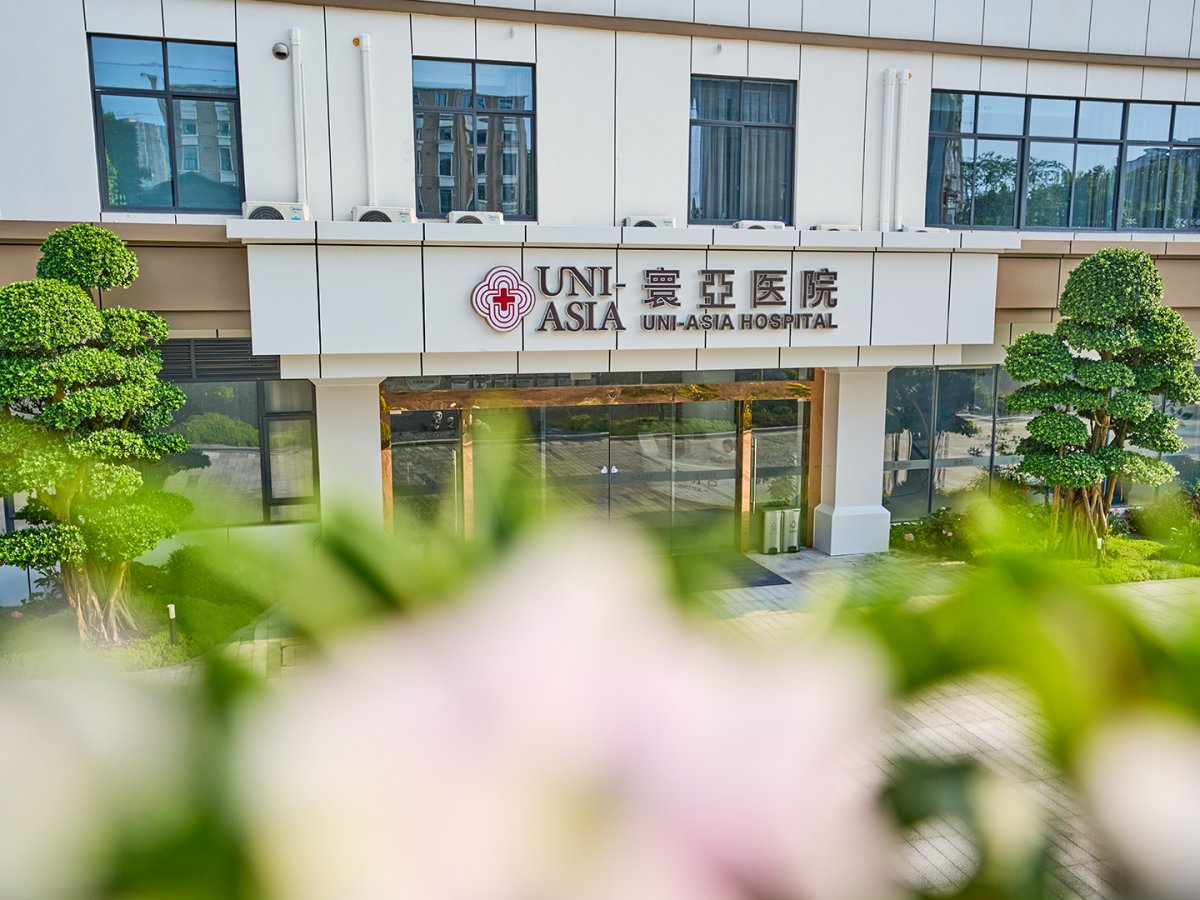
Fuda Cancer Hospital
China, Cantón


Revisado médicamente por
Fahad Mawlood
Tongue cancer treatment cost in China typically includes specialized diagnostics and advanced surgical interventions. A standard treatment plan often involves tongue cancer surgery, which ranges from $12,500 to $27,500. Total expenses depend on the cancer stage, the need for reconstructive surgery, and the clinic tier. International patients often save approximately 50-70% compared to US prices. Leading treatment hubs include Guangzhou, Chengdu, and Beijing.
Typical Tongue Cancer Treatment Costs in China
Bookimed Expert Insight: Advanced and late-stage patients benefit from specialized technologies like NanoKnife or cryosurgery. Fuda Cancer Hospital in Guangzhou is a leader here, having performed over 10,000 cryosurgeries. For complex cases, Sichuan Cancer Hospital offers multidisciplinary care as a top-ranked national facility. These JCI-accredited centers provide high-value care with costs typically 2-3 times lower than in Western Europe.
| China | España | Turquía | |
|---|---|---|---|
| Halcyon | ≈ $9,000 | ≈ $6,500 | ≈ $9,500 |
| Glosectomía parcial | ≈ $4,500 | ≈ $7,500 | ≈ $4,500 |
| Cirugía de cáncer de lengua | ≈ $12,500 | de $24,000 | de $8,300 |
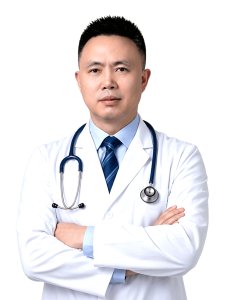
Médico jefe y profesor. Experto de nivel 1 en el Centro Oncológico del West China Hospital, Sichuan University (clasificado n.º 2 en China). Completó un posdoctorado en radiología intervencionista en el Chinese PLA General Hospital. Dirige equipos multidisciplinarios (MDT) para tumores complejos. Experto en oncología intervencionista mínimamente invasiva para cánceres de hígado, pulmón y páncreas.
Acreditaciones: Miembro del consejo, WATA. Miembro de los comités de CACA y CMDA sobre in
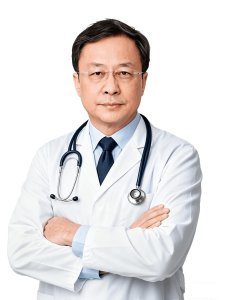
El profesor Luo Xiaoping es un radiólogo intervencionista reconocido a nivel nacional y una autoridad destacada en el oeste de China. Comenzó a realizar intervenciones vasculares pioneras a principios de la década de 1990. Ayudó a fundar el Grupo de Intervencionismo del Segundo Hospital Afiliado de la Universidad Médica de Chongqing.
Ha realizado más de 100 000 procedimientos intervencionistas, incluidos unos 4 000 casos complejos. Sus competencias clave incluyen TACE para el carcinoma
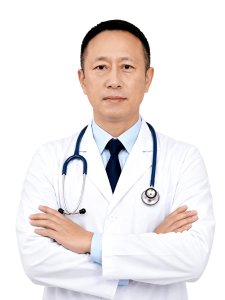
El Dr. He Weibing es pionero de la crioablación con argón‑helio en China, con más de 20 años de práctica en primera línea. Fue miembro fundador del Hospital Oncológico Fuda (Guangzhou). Cofundó su Centro de Tratamiento Tumoral Mínimamente Invasivo y fue subdirector ejecutivo. También ayudó a crear el Grupo de Ablación de la Asociación China contra el Cáncer. Ha sido operador principal en más de 10.000 procedimientos.
Se especializa en crioablación tumoral y domina la braquiterapia con

El profesor Xiao Yueyong es médico jefe del Departamento de Radiodiagnóstico del Hospital General del EPL de China. Es un experto líder en oncología intervencionista mínimamente invasiva. Es el primer presidente de WATA (2025–). Preside la Sociedad Internacional (2020–) y la Sociedad Asiática (2012–) de Crioterapia. También es subjefe del Grupo de Expertos de la NHC sobre regulaciones de ablación tumoral (2009–).
Ha realizado más de 100 000 procedimientos mínimamente invasivos guiados
 Olena Sikoza
El enfoque médico estándar para el cáncer de lengua en China sigue una estrategia multimodal centrada en la cirugía radical y la atención multidisciplinaria. Los cirujanos suelen realizar glosectomías complementadas con disección de cuello para tumores que superan los 4 mm de profundidad. Los protocolos postoperatorios a menudo integran radioterapia o quimiorradioterapia con medicina tradicional china para minimizar la toxicidad.
Perspectiva del experto de Bookimed: Mientras que los estándares occidentales se centran en la cirugía y la radiación, las instituciones chinas de primer nivel como el Fuda Cancer Hospital se distinguen por ofrecer 12 opciones mínimamente invasivas distintas. Estas clínicas gestionan con frecuencia a más de 30.000 pacientes internacionales integrando terapia intervencionista vascular e hipertermia por microondas. Esta experiencia especializada permite
Las cirugías mínimamente invasivas y robóticas están ampliamente disponibles para el cáncer de lengua en China en centros médicos de atención terciaria. Los cirujanos utilizan la cirugía robótica transoral (TORS) y la microcirugía láser para extirpar tumores a través de la boca. Estos métodos evitan grandes incisiones en el cuello y preservan las funciones del habla y la deglución.
Perspectiva del experto de Bookimed: Aunque los principales centros de Pekín y Shanghái lideran en volumen robótico, el Hospital Oncológico Fuda en Guangzhou ofrece un enfoque especializado distinto. Utilizan más de 10 tipos de terapias mínimamente invasivas, incluidas la criocirugía y el NanoKnife, específicamente para cánceres avanzados o en estadios tardíos. Esto proporciona una alternativa crítica para los pacientes que pueden no ser candidatos para una resección robótica estándar p
La cirugía de cáncer de lengua afecta el habla y la deglución, pero la gravedad depende del tamaño de la resección. La mayoría de los pacientes recuperan una gran claridad al hablar unos meses después de una glossectomía parcial. La glossectomía total requiere métodos de comunicación alternativos y ajustes dietéticos significativos para garantizar una deglución segura y una nutrición adecuada.
Perspectiva del experto de Bookimed: Centros avanzados como el Fuda Cancer Hospital en Guangzhou combinan la precisión quirúrgica con terapias mínimamente invasivas como la criocirugía o el NanoKnife. Este enfoque tiene como objetivo preservar más tejido sano en comparación con la cirugía de escisión amplia tradicional. Minimizar la pérdida de tejido sano es la forma más eficaz de proteger la movilidad o
La Medicina Tradicional China no puede curar el cáncer de lengua como tratamiento independiente. No existe evidencia científica que la respalde como reemplazo de la oncología convencional. El cáncer de lengua es agresivo y requiere cirugía, radioterapia o quimioterapia urgente. Retrasar estos tratamientos estándar reduce significativamente las tasas de supervivencia.
Perspectiva de expertos de Bookimed: Aunque los pacientes a menudo buscan MTC en China, centros líderes acreditados por la JCI como el Fuda Cancer Hospital atienden a más de 30,000 pacientes internacionales priorizando técnicas occidentales mínimamente invasivas. Utilizan NanoKnife y criocirugía para la destrucción de tumores. Utilice la MTC solo como ayuda para la recuperación, nunca como la herramienta principal para l
Los principales centros oncológicos chinos ofrecen asistencia en inglés a través de departamentos internacionales dedicados. Estas alas especializadas cuentan con coordinadores bilingües e informes médicos emitidos en inglés. Instalaciones como el Fuda Cancer Hospital de Guangzhou, acreditado por la JCI, han tratado a más de 30.000 pacientes internacionales de 100 países.
Perspectiva del experto de Bookimed: Aunque muchos piensan que el sitio web en inglés de un hospital implica una atención bilingüe completa, el verdadero cuello de botella es el flujo de trabajo no clínico. Incluso en grandes centros, los sistemas de facturación y farmacia a menudo permanecen solo en chino. Elegir un centro con un alto volumen internacional como el Fuda Cancer Hospital generalmente garantiza una experiencia logística más fluida.
Consenso de los pacientes: Los pacientes enfatizan la necesidad de una comunicación escrita en inglés en
El seguimiento remoto para pacientes con cáncer de lengua tratados en China está disponible a través de consultas digitales y revisión de escaneos. Centros especializados como el Fuda Cancer Hospital utilizan triaje virtual para monitorear la cicatrización de heridas. Los pacientes estables a menudo pasan a un modelo híbrido que combina exámenes físicos locales con supervisión remota.
Perspectiva del experto de Bookimed: El éxito en el seguimiento remoto con clínicas chinas depende en gran medida de la documentación más que de las videollamadas en vivo. Dado que el Fuda Cancer Hospital atiende a pacientes de más de 100 países, priorizan la revisión de datos clínicos sobre discos o enlaces en la nube. Asegúrese de que todos los informes de patología y las imágenes de PET/CT estén traducidos antes de partir para ga
China requiere que los pacientes internacionales obtengan una visa S2 de asuntos privados para tratamientos prolongados contra el cáncer de lengua, como cirugía o radioterapia. Aunque algunos países disfrutan de una entrada sin visa de 30 días, los protocolos oncológicos a menudo superan este plazo. Debe obtener una carta de invitación médica oficial del hospital tratante.
Perspectiva del experto de Bookimed: La coordinación es clave porque los principales centros oncológicos como el Fuda Cancer Hospital en Guangzhou atienden a más de 30,000 pacientes internacionales. Estos centros de alto volumen cuentan con departamentos dedicados para emitir las invitaciones específicas con sello rojo necesarias para la aprobación de la visa. Asegurar este documento antes de viajar es vital, ya que justifica la duración de la estancia ante los funcionarios de inmigración.
Consenso de