Cáncer de lengua Tratamiento en India — Costos 2026


Revisado médicamente por
Fahad Mawlood
¿Cuál es el precio del diagnóstico y los tratamientos de Cáncer de lengua en India? Descubra ahora
| India | España | Turquía | |
|---|---|---|---|
| Halcyon | ≈ $5,500 | ≈ $6,500 | ≈ $9,500 |
| Glosectomía parcial | ≈ $3,200 | ≈ $7,500 | ≈ $4,500 |
| Cirugía de cáncer de lengua | de $5,500 | de $24,000 | de $8,300 |
Sus beneficios y garantías con Bookimed
Precios directos
Bookimed no añade cargos extra a los precios de los tratamientos de Cáncer de lengua. Las tarifas proceden de las listas de precios oficiales de las clínicas. Pagará directamente en la clínica por su tratamiento a su llegada al país.
Sólo clínicas y médicos verificados
Bookimed está comprometido con su seguridad. Solo trabajamos con las clínicas que mantienen altos estándares internacionales en el tratamiento de Cáncer de lengua y cuentan con las licencias necesarias para atender a pacientes internacionales en todo el mundo.
Asistencia 24/7 gratuita
Bookimed ofrece asistencia experta gratuita. Un coordinador médico personal le apoya antes, durante y después de su tratamiento, resolviendo cualquier problema. Nunca estará solo en su viaje médico de tratamiento de Cáncer de lengua.

Su coordinador médico personal de Bookimed
- Le apoya en cada etapa
- Ayuda a elegir la clínica y el médico adecuados
- Asegura un acceso rápido y conveniente a la información
Descubra las mejores clínicas de tratamiento de Cáncer de lengua en India: 16 opciones verificadas y Precios









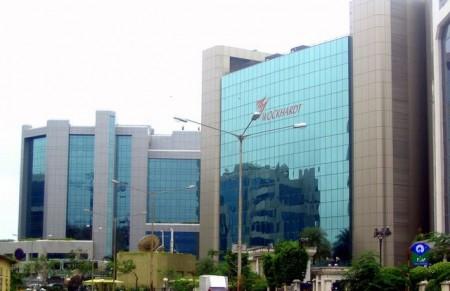
Wockhardt Hospital





Obtenga una evaluación médica de tratamiento de Cáncer de lengua en India: haga una consulta con 8 médicos experimentados ahora
Ver todos los médicos
Manish Kumar
El Dr. Manish Kumar es oncólogo quirúrgico en SilverStreak Multispecialty Hospital, en Gurgaon. Trata cánceres de cabeza y cuello, incluidos los cánceres orales, de tiroides y de laringe. El Dr. Kumar recibió el premio Lala Kotu Ram Memorial Oration por su labor en otorrinolaringología y cirugía de cabeza y cuello. Trabaja en un centro acreditado por la JCI.
- Realiza resecciones de cáncer oral con reconstrucción mediante colgajos libres microvasculares.
- Trata el cáncer de la

Sirshendu Roy
Sirshendu Roy se especializa en cirugía de cáncer de cabeza y cuello con 25 años de experiencia en el HCG Manavata Cancer Centre.
- Formado en el Tata Memorial Hospital, el principal centro oncológico de la India
- Realiza cirugías reconstructivas complejas tras la extirpación de tumores
- Experto en procedimientos oncológicos tanto curativos como paliativos

Sridhar P.S.
El Dr. Sridhar P.S. se especializa en radioterapia para el cáncer de lengua, con una amplia formación y membresías profesionales en oncología.
- Doctor en Medicina en radioterapia por la Universidad Hindú de Benarés
- Diplomado por el Consejo Nacional de Radioterapia
- Miembro de la Asociación de Oncología Radioterápica de la India
- Miembro de la Sociedad de Neurooncología y del Grupo Oncológico de Bangalore

Chaitainya Borde
El Dr. Chaitainya Borde ha realizado más de 30,000 exploraciones PET y ha tratado a 1,000 pacientes con cáncer de tiroides en el HCG Manavata Cancer Centre.
- _doctor_2774_años_ de experiencia en medicina nuclear
- Especializado en terapias con radioyodo y Lu-177 RN
- Publicaciones en diversas revistas médicas
- Experto en todo tipo de exploraciones nucleares y PET-CT
Compartir contenido
Historias en video de pacientes de Bookimed
 Olena Sikoza
Preguntas frecuentes sobre el tratamiento de Cáncer de lengua en India
¿Cuál es la tasa de éxito del tratamiento del cáncer de lengua en la India?
La tasa de éxito del tratamiento del cáncer de lengua en la India oscila entre el 50% y el 67% para todos los estadios combinados. Los casos en estadio temprano localizados en la lengua alcanzan tasas de supervivencia a 5 años de entre el 70% y el 90%. Los casos avanzados que requieren atención multimodal muestran tasas de supervivencia del 30% al 55%.
- Supervivencia en estadio temprano: Los tumores localizados en estadios 1 y 2 alcanzan hasta un 90% de supervivencia.
- Resultados en estadio avanzado: Los casos en estadios 3 y 4 oscilan entre el 30% y el 55% de supervivencia.
- Impacto de la ubicación: Los tumores en la parte frontal de la lengua muestran una supervivencia del 62,8% frente al 38,8% en los tumores de la base de la lengua.
- Estado de los ganglios: Los pacientes sin propagación del cáncer a los ganglios del cuello mantienen tasas de supervivencia del 79%.
Perspectiva del experto de Bookimed: El volumen de pacientes a menudo actúa como un indicador de experiencia especializada en oncología de alto riesgo. Centros líderes como los Manipal Hospitals atienden a más de 2.000.000 de pacientes al año. Esta escala masiva permite a cirujanos como el Dr. Raj Nagarkar realizar más de 50.000 procedimientos. Es más probable que los especialistas con gran volumen de casos hayan visto variaciones raras en la anatomía tumoral. Esto les ayuda a
¿Puede el cáncer de lengua reaparecer después de un tratamiento completo?
El cáncer de lengua puede reaparecer incluso después de un tratamiento primario exitoso. Las células microscópicas pueden permanecer sin ser detectadas por las imágenes estándar. Aproximadamente el 80% de las recurrencias ocurren dentro de los primeros 24 meses. El monitoreo es vital para detectar recaídas locales, regionales o distantes a tiempo. Esto asegura que la vigilancia de por vida siga siendo una prioridad médica.
- Riesgo temprano: La mayoría de las recurrencias aparecen dentro de los 2 años posteriores a la finalización del tratamiento.
- Signos de alto riesgo: Esté atento a úlceras que no sanan, dolor persistente o nuevos bultos en el cuello.
- Tipos de recurrencia: El cáncer puede regresar localmente, en los ganglios linfáticos o extenderse a los pulmones.
- Seguimiento experto: Los escaneos regulares y el PET/CT ayudan a identificar cambios microscópicos antes de que aparezcan los síntomas.
Perspectiva del experto de Bookimed: Oncólogos con sede en la India como el Prof. Dr. Raj Nagarkar y el Dr. Ahmer Arif Shaikh enfatizan la rehabilitación funcional junto con el monitoreo de recurrencias. La experiencia importa significativamente. Los especialistas del HCG Manavata Cancer Centre han realizado más de 50,000 cirugías. Este alto volumen a menudo se correlaciona con un mejor monitoreo a largo plazo, ya que manejan más de 30,000 esca
¿Necesitaré cirugía reconstructiva después de una glosectomía?
La cirugía reconstructiva depende del tamaño del tumor y del volumen de tejido extirpado. Las glosectomías pequeñas a menudo requieren solo un cierre directo. Las resecciones más grandes, como las hemiglosectomías o las glosectomías totales, requieren una reconstrucción con colgajo libre microvascular. Los centros oncológicos de la India utilizan estas técnicas para preservar la función del habla y la deglución.
- Glosectomía pequeña: Los cirujanos suelen utilizar el cierre primario con puntos absorbibles para espacios pequeños.
- Hemiglosectomía: La reconstrucción suele ser necesaria para restaurar el volumen de la lengua y prevenir la retracción.
- Glosectomía total: Este procedimiento siempre requiere una reconstrucción con colgajo libre utilizando tejido del muslo.
- Objetivo funcional: La reconstrucción se centra en mantener la seguridad de las vías respiratorias y la capacidad de tragar.
Opinión de expertos de Bookimed: Los centros oncológicos de la India, como el HCG Manavata Cancer Centre, ofrecen rehabilitación funcional especializada junto con la cirugía. Los datos muestran que las clínicas en las principales ciudades a menudo integran especialistas en reconstrucción directamente en el equipo de oncología. Por ejemplo, el Dr. Ahmer Arif Shaikh tiene una beca específicamente en oncología quirúrgica y reconstrucción de cabeza y cuello.
¿El tratamiento del cáncer de lengua afectará permanentemente mi habla y mi capacidad para comer?
El tratamiento del cáncer de lengua puede causar cambios permanentes en el habla y la alimentación. El impacto depende del tamaño del tumor y del tipo de cirugía. Las resecciones en etapas tempranas a menudo permiten una recuperación casi normal. Las glossectomías mayores pueden resultar en cambios duraderos en la articulación y la deglución. La rehabilitación ayuda a establecer una nueva normalidad funcional.
- Impacto quirúrgico: La glossectomía altera la articulación y el movimiento de los alimentos dentro de la cavidad oral.
- Servicios reconstructivos: Los cirujanos utilizan colgajos de tejido para restaurar el volumen de la lengua para una mejor deglución.
- Efectos de la radiación: La radiación puede causar sequedad bucal permanente o cicatrización y rigidez muscular.
- Rol de la rehabilitación: Los logopedas enseñan ejercicios específicos para mejorar la claridad y la seguridad al tragar.
Perspectiva del experto de Bookimed: India ofrece una rehabilitación funcional avanzada a través de servicios especializados en cabeza y cuello. Clínicas como el HCG Manavata Cancer Centre emplean cirujanos con un volumen masivo de casos. El Dr. Raj Nagarkar ha realizado más de 50,000 cirugías. Este alto nivel de especialización a menudo conduce a una mejor preservación de las funciones del habla y la deglución para los pacientes.
Consen
¿Cuánto dura la recuperación y la estancia recomendada en la India para pacientes internacionales?
Los pacientes internacionales suelen requerir una estancia de 4 a 8 semanas en la India para el cáncer de lengua. Este plazo incluye la preparación preoperatoria y la intervención quirúrgica. También cubre la fase crítica de recuperación inicial. Las resecciones mayores a menudo requieren hospitalizaciones más largas para su seguimiento.
- Estancia hospitalaria: Espere de 2 a 4 semanas para procedimientos oncológicos complejos importantes.
- Fase prequirúrgica: Llegue 2 o 3 días antes para realizarse tomografías PET-CT y consultas oncológicas.
- Recuperación tras el alta: Planifique de 10 a 14 días de recuperación local después del alta.
- Duración de la radioterapia: Añada varias semanas si su plan incluye radioterapia postoperatoria.
Perspectiva del experto de Bookimed: Nuestros datos muestran que los pacientes oncológicos suelen elegir centros en Gurgaon o Delhi. Clínicas como el Global Hospital Chennai y el Apollo Hospital Indraprastha atienden a más de 1.000.000 de pacientes al año. Estas instalaciones de gran volumen suelen ofrecer mostradores dedicados a pacientes internacionales. Ayudan con el registro obligatorio ante el FRRO para visas médicas. Este apoyo es vital para estancias superiores a 14 días.
Consenso de los pacientes: Los pacientes señalan que la recuperación es gradual en lugar de lineal. Muchos enfat