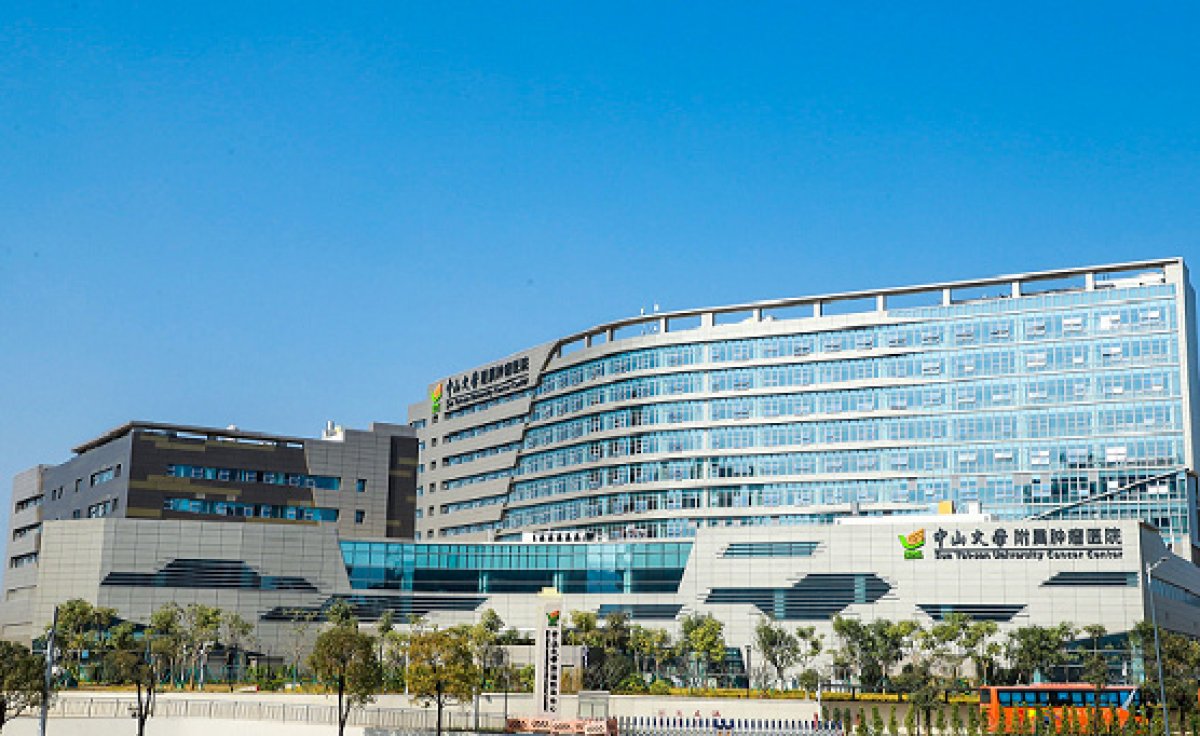
Fuda Cancer Hospital
China, Cantón


Revisado médicamente por
Fahad Mawlood
El costo del tratamiento del cáncer de útero en China suele oscilar entre $6,200 y $11,000 para intervenciones quirúrgicas mínimamente invasivas. Procedimientos clave como la histerectomía con robot DaVinci cuestan entre $9,500 y $17,000. Los gastos totales dependen de la etapa del cáncer, el nivel del hospital y la combinación terapéutica específica. Los pacientes suelen obtener ahorros del 40-60% en comparación con los EE. UU. Las principales ciudades para recibir atención incluyen Guangzhou, Shanghái y Pekín.
Costos típicos del tratamiento del cáncer de útero en China
Perspectiva de los expertos de Bookimed: Para casos avanzados o en etapas tardías, los centros especializados ofrecen un gran valor a través de intervenciones no tradicionales. El Hospital de Cáncer Fuda utiliza estándares acreditados por la Joint Commission International (JCI) para terapias como la criocirugía y el NanoKnife. Los pacientes que buscan atención de precisión se benefician de expertos como el Dr. Liu Shi Xin en el Hospital Xiamen Humanity. Él se especializa en técnicas avanzadas de radioterapia SBRT y VMAT para neoplasias abdominales.
| China | España | Turquía | |
|---|---|---|---|
| Terapia hormonal | ≈ $3,000 | de $600 | de $1,100 |
| Radioterapia para el cáncer de útero | ≈ $6,500 | de $13,500 | de $6,500 |
| Quimioterapia para el cáncer de útero | ≈ $4,500 | de $2,800 | de $3,000 |
| Histerectomía laparoscópica | ≈ $6,200 | de $16,600 | de $4,000 |
| Histerectomía con robot DaVinci | ≈ $9,500 | de $21,600 | de $11,600 |

Médico jefe y profesor. Experto de nivel 1 en el Centro Oncológico del West China Hospital, Sichuan University (clasificado n.º 2 en China). Completó un posdoctorado en radiología intervencionista en el Chinese PLA General Hospital. Dirige equipos multidisciplinarios (MDT) para tumores complejos. Experto en oncología intervencionista mínimamente invasiva para cánceres de hígado, pulmón y páncreas.
Acreditaciones: Miembro del consejo, WATA. Miembro de los comités de CACA y CMDA sobre in

El profesor Luo Xiaoping es un radiólogo intervencionista reconocido a nivel nacional y una autoridad destacada en el oeste de China. Comenzó a realizar intervenciones vasculares pioneras a principios de la década de 1990. Ayudó a fundar el Grupo de Intervencionismo del Segundo Hospital Afiliado de la Universidad Médica de Chongqing.
Ha realizado más de 100 000 procedimientos intervencionistas, incluidos unos 4 000 casos complejos. Sus competencias clave incluyen TACE para el carcinoma

El Dr. He Weibing es pionero de la crioablación con argón‑helio en China, con más de 20 años de práctica en primera línea. Fue miembro fundador del Hospital Oncológico Fuda (Guangzhou). Cofundó su Centro de Tratamiento Tumoral Mínimamente Invasivo y fue subdirector ejecutivo. También ayudó a crear el Grupo de Ablación de la Asociación China contra el Cáncer. Ha sido operador principal en más de 10.000 procedimientos.
Se especializa en crioablación tumoral y domina la braquiterapia con

El profesor Xiao Yueyong es médico jefe del Departamento de Radiodiagnóstico del Hospital General del EPL de China. Es un experto líder en oncología intervencionista mínimamente invasiva. Es el primer presidente de WATA (2025–). Preside la Sociedad Internacional (2020–) y la Sociedad Asiática (2012–) de Crioterapia. También es subjefe del Grupo de Expertos de la NHC sobre regulaciones de ablación tumoral (2009–).
Ha realizado más de 100 000 procedimientos mínimamente invasivos guiados
 Olena Sikoza
El tratamiento estándar de primera línea para el cáncer de útero en China es la resección quirúrgica. Los cirujanos suelen realizar una histerectomía total con salpingo-ooforectomía bilateral. Este procedimiento extirpa el útero, los ovarios y las trompas de Falopio. Los centros especializados también utilizan técnicas robóticas DaVinci o laparoscópicas para la estadificación mínimamente invasiva.
Perspectiva del experto de Bookimed: Los datos clínicos muestran que los centros oncológicos chinos como el Fuda Cancer Hospital a menudo tratan casos avanzados donde la cirugía estándar es insuficiente. Estas instalaciones especializadas utilizan criocirugía e hipertermia por microondas para mejorar los resultados en pacientes en etapas avanzadas. Este enfoque en la ablación térmica ofrece una alternativa cuando la terapia sistémica tradicional de primera línea necesita refuerzo local.
Consenso d
Los oncólogos chinos tratan el cáncer de endometrio utilizando protocolos nacionales desarrollados por la Chinese Society of Clinical Oncology. Estos marcos integran la estadificación internacional FIGO y los estándares NCCN. Los especialistas también siguen consensos moleculares específicos para guiar terapias adyuvantes de precisión e inmunoterapia para casos recurrentes.
Perspectiva del experto de Bookimed: Los principales expertos chinos a menudo ocupan roles de liderazgo dual en organismos nacionales. El Dr. Liu Shi Xin, del Hospital Xiamen Humanity, se desempeña como vicepresidente tanto de la Chinese Medical Association como de la Chinese Anti-Cancer Association. Esto garantiza que los planes de tratamiento se alineen estrictamente con la investigación nacional de alto nivel y los protocolos de radiooncología más recientes.
Consenso de los pacie
La inmunoterapia está disponible para el cáncer de útero en China a través de inhibidores de puntos de control inmunitario como los inhibidores de PD-1. Las directrices médicas nacionales integran estos fármacos para casos avanzados o recurrentes. La elegibilidad depende del estado de los biomarcadores moleculares. Esto requiere pruebas patológicas específicas como perfiles MSI-H o dMMR para predecir la respuesta al fármaco.
Perspectiva del experto de Bookimed: Los centros oncológicos chinos demuestran una capacidad distintiva en el manejo del cáncer de útero en etapa tardía. El Hospital de Cáncer Fuda en Guangzhou ha tratado a más de 30,000 pacientes internacionales utilizando enfoques multimodales. A menudo combinan la inmunoterapia sistémica con terapias locales como la criocirugía o la hipertermia por microondas. Esta estrategi
Los tratamientos mínimamente invasivos para el cáncer de útero en China incluyen la criocirugía, la ablación con NanoKnife y la cirugía asistida por robot. Estas opciones benefician a pacientes de alto riesgo que no pueden tolerar la cirugía abierta tradicional debido a su edad o afecciones cardíacas. Los centros especializados utilizan radioterapia de precisión como la SBRT y la braquiterapia para atacar los tumores mientras preservan el tejido sano.
Perspectiva del experto de Bookimed: El Hospital de Cáncer Fuda en Guangzhou ofrece más de 10 tipos de terapias mínimamente invasivas. Esta experiencia basada en el volumen es significativa. Mientras que muchas clínicas se centran en la quimioterapia estándar, los centros chinos especializados a menudo priorizan la ablación local, como la hipertermia por microondas. Esto permite un tratamiento eficaz i
Las mujeres jóvenes en China pueden preservar su fertilidad mientras reciben tratamiento para el cáncer de endometrio si cumplen con criterios estrictos. La elegibilidad requiere tumores en estadio IA, grado 1, confinados al revestimiento. Los centros médicos chinos utilizan terapia con progestina de alta dosis o dispositivos intrauterinos liberadores de hormonas. Este enfoque evita la histerectomía inmediata en pacientes que cumplen el tratamiento.
Perspectiva de expertos de Bookimed: Los datos de pacientes de centros acreditados por la JCI, como el Fuda Cancer Hospital, muestran un fuerte cambio hacia terapias mínimamente invasivas. Los protocolos de oncología chinos a menudo combinan medicamentos metabólicos como la metformina con hormonas para mejorar la respuesta al tratamiento. Esto refleja una tendencia en la que los principales centros urbanos gestionan má
La medicina tradicional china (MTC) en China es una terapia de apoyo para el cáncer de endometrio junto con la cirugía y la quimioterapia. Modalidades como la acupuntura y las formulaciones a base de hierbas ayudan a controlar los efectos secundarios del tratamiento. Estos métodos tienen como objetivo mejorar la calidad de vida y la función inmunológica durante la atención oncológica convencional.
Perspectiva del experto de Bookimed: Si bien clínicas como el Fuda Cancer Hospital se centran en tecnologías mínimamente invasivas como la criocirugía y el NanoKnife, operan dentro de un entorno integrador. Los datos muestran que los centros acreditados por la JCI en China a menudo utilizan la MTC para ayudar a los pacientes a tolerar estos procedimientos avanzados. Esta sinergia tien