Cáncer uterino en España: las 9 mejores clínicas para su tratamiento


Revisado médicamente por
Fahad Mawlood
Cómo funciona
¿Cuál es el precio del diagnóstico y los tratamientos de Cáncer uterino en España? Descubra ahora
Uterine cancer treatment cost in Spain typically involves essential diagnostics like a PET/CT scan which ranges from $1,100 to $3,000. Primary treatment options often include radiotherapy using technologies like Halcyon, which costs $6,500 to $9,500. Total expenses depend on the cancer stage and specific surgical approach. Patients often save 30-50% compared to US prices. Barcelona and Madrid are the primary hubs for oncology.
Typical Uterine Cancer Treatment Costs in Spain
- Consultation with an oncologist: de $340
- PET/CT: $1,100 – $3,000
- Halcyon: $6,500 – $9,500
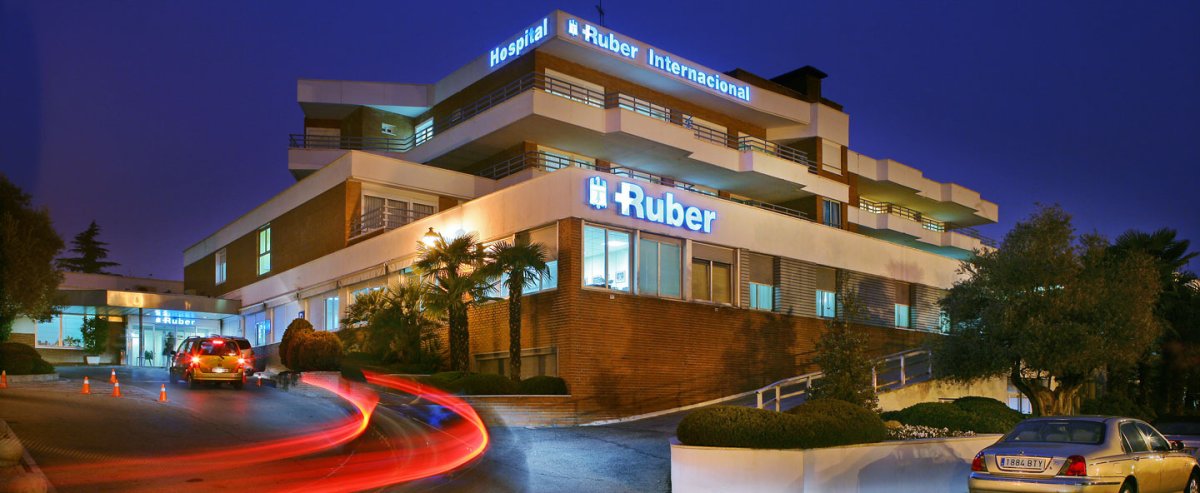
Bookimed Expert Insight: Patients seeking precision treatment should prioritize centers with multidisciplinary oncology units. Hospital Ruber Internacional is best for complex cases, utilizing Da Vinci Xi robotic systems. For advanced radiotherapy, Hospital Universitario HM Madrid offers specialized Elekta Versa HD technology. Early-stage patients may find value at Quironsalud Madrid, which offers potential access to clinical trials for cutting-edge therapies.
Descubra las mejores clínicas de tratamiento de Cáncer uterino en España: 9 opciones verificadas y Precios

















GenesisCare Clinics

Obtenga una evaluación médica para Cáncer uterino en España: consulte con doctores experimentados ahora
Ver todos los médicos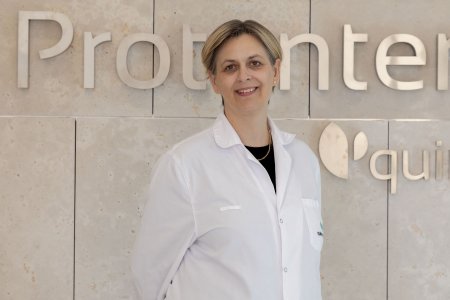
Stephanie Lilianne E Bolle
La Dra. Stephanie Lilianne E. Bolle es oncóloga radioterápica y jefa de Oncología Radioterápica del Centro de Protonterapia de Quirónsalud en Madrid. Dirige el departamento desde julio de 2024. Es el primer centro de protonterapia de España.
Doctora en Medicina, Universidad de Lieja (1998). Especialista en Oncología Radioterápica (2003). Es miembro activo de la Sociedad Europea de Oncología Pediátrica y colabora con su Grupo de Tumores Cerebrales y el Grupo de Trabajo de Oncología Radi
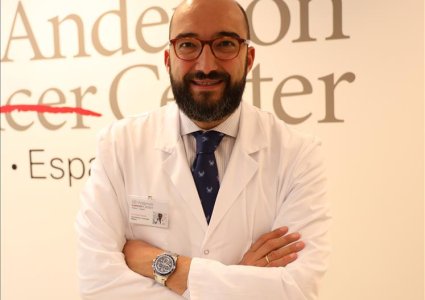
Enrique Grande
El Dr. Enrique Grande, MD, PhD, MSc, es oncólogo médico con más de 20 años de experiencia y experto internacional en tumores genitourinarios y neuroendocrinos. Dirige el Servicio de Oncología Médica y el programa One Oncology Madrid en QuirónSalud, la mayor red privada de salud de España. Lidera un modelo integrado y multidisciplinar con acceso a terapias dirigidas y ensayos clínicos.
Es pionero en oncología de precisión. Emplea la caracterización molecular y la atención basada en biom
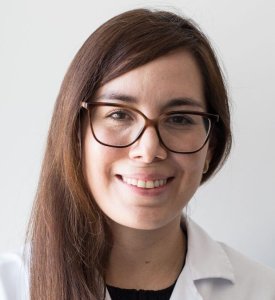
Silvia Daniela Camacho Arellano
El doctor es un oncólogo médico altamente cualificado especializado en cáncer de mama en todas las etapas clínicas, incluyendo cuidados curativos y paliativos. Con un título de medicina de la Pontificia Universidad Católica del Ecuador y una residencia de cinco años en el Hospital de la Santa Creu i Sant Pau, el doctor posee un Máster en Oncología Médica por la Sociedad Española de Oncología Médica (SEOM).
Actualmente ejerce en el International Breast Cancer Center (IBCC) y en el IOB In
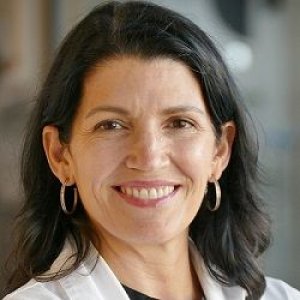
Lucía González Cortijo
La Dra. Lucía González Cortijo es oncóloga médica con más de 20 años de experiencia. Dirige el Servicio de Oncología Médica del Hospital Universitario Quirónsalud Madrid desde 2020. Sus áreas de especialización incluyen el cáncer de mama y los tumores ginecológicos. También trabaja en oncología de precisión, terapias dirigidas e inmunoterapia.
Ha sido investigadora principal en más de 20 ensayos clínicos de fase II–III y subinvestigadora en más de 50 ensayos internacionales. Trabajó en
Compartir contenido
Historias en video de pacientes de Bookimed
 Olena Sikoza
Preguntas frecuentes sobre el tratamiento de Cáncer uterino en España
¿Quiénes son los principales especialistas en cáncer de útero en España?
España cuenta con destacados oncólogos ginecólogos en centros acreditados por la JCI en Madrid y Barcelona. Entre los mejores especialistas se encuentran la Dra. Lucía González Cortijo en Quironsalud Madrid y el Dr. Agustí Barnadas Molins en el Centro Médico Teknon. Están especializados en medicina de precisión, cirugía robótica e inmunoterapia para neoplasias de endometrio y útero.
- Dra. Lucía González Cortijo: Jefa de Oncología Médica en Quironsalud Madrid con más de 20 años de experiencia.
- Dr. Agustí Barnadas Molins: Dirige regímenes avanzados de quimioterapia ginecológica con más de 40 años de experiencia en oncología.
- Dr. Guillermo Luis Bassols: Cirujano especializado en Teknon con más de 1.100 procedimientos mínimamente invasivos realizados.
- Opciones quirúrgicas avanzadas: Las clínicas ofrecen histerectomía laparoscópica y cirugía robótica DaVinci para el cáncer de útero.
Opinión del experto de Bookimed: Aunque muchos pacientes buscan nombres famosos, el volumen clínico es un indicador de calidad más sólido. El Centro Médico Teknon realiza más de 23.500 operaciones al año y cuenta con la acreditación JCI. Este alto volumen suele correlacionarse con mejores resultados en casos oncológicos complejos. Sus paquetes laparoscópicos suelen incluir pruebas preoperatorias y hospitalización, lo que simplifica la logística para los viajeros i
¿Qué tecnologías quirúrgicas se utilizan para el cáncer de útero en España?
Los centros oncológicos españoles utilizan plataformas robóticas avanzadas y técnicas laparoscópicas mínimamente invasivas para el cáncer de útero. La imagen 3D de alta definición y la fluorescencia con verde de indocianina (ICG) permiten una estadificación precisa del tumor. Estas tecnologías ayudan a preservar el tejido sano y reducen significativamente los tiempos de recuperación para pacientes internacionales en Barcelona y Madrid.
- Sistemas robóticos: Clínicas específicas como el Hospital Quirón Barcelona emplean plataformas robóticas para histerectomías complejas.
- Mapeo por fluorescencia: Los cirujanos utilizan el tinte ICG para identificar y realizar biopsias de los ganglios linfáticos centinela con precisión.
- Mínimamente invasivo: La cirugía laparoscópica es un pilar estándar para las extirpaciones de cáncer de endometrio en etapas tempranas.
- Imagen de precisión: Las cámaras NIR integradas proporcionan imágenes de alta definición para una disección meticulosa del espacio pélvico.
Perspectiva del experto de Bookimed: Aunque muchos se centran en el robot Da Vinci, cirujanos especializados como el Dr. Guillermo Luis Bassols han realizado más de 1.100 procedimientos. Nuestros datos muestran que los especialistas con gran volumen de casos a menudo combinan la laparoscopia con el mapeo ICG para obtener mejores resultados. La experienci
¿Existen radioterapias y terapias sistémicas avanzadas para el cáncer de útero avanzado o recurrente?
Los centros oncológicos españoles ofrecen radioterapias y terapias sistémicas avanzadas para el cáncer de útero recurrente. El tratamiento incluye inmunoterapia, fármacos dirigidos y radioterapia de intensidad modulada (IMRT). Los centros líderes utilizan perfiles moleculares para personalizar los protocolos. Estas terapias están disponibles en hospitales acreditados por la JCI en Madrid y Barcelona.
- Terapia sistémica: La inmunoterapia y los fármacos dirigidos como el pembrolizumab tratan la enfermedad avanzada.
- Radioterapia avanzada: La IMRT y la braquiterapia vaginal se dirigen a las recurrencias pélvicas con precisión.
- Perfil molecular: Las pruebas de marcadores dMMR o HER2 guían la selección de medicamentos.
- Integración robótica: Los cirujanos utilizan sistemas DaVinci para extirpaciones complejas de tumores si es necesario.
Perspectiva del experto de Bookimed: Aunque muchos pacientes se centran en la quimioterapia estándar, nuestros datos muestran un cambio hacia la oncología de precisión en España. La Dra. Lucía González Cortijo, del Quironsalud Madrid, está especializada en oncología molecular. Esta experiencia es vital porque el tratamiento basado en biomarcadores a menudo proporciona mejores resultados que los protocolos generales. El acceso a ensayos clínicos de fase II y III en estos centros también ofrece a los pacientes ter
¿Cuánto tiempo debo planificar quedarme en España para una cirugía de cáncer de útero y el seguimiento?
Planifique una estancia total en España de 2 a 6 semanas para una cirugía de cáncer de útero. Las estancias varían según la complejidad quirúrgica y la distancia del viaje. Los procedimientos mínimamente invasivos permiten una recuperación más rápida. Los pacientes que vuelan internacionalmente requieren una curación más prolongada para alcanzar el estado de aptitud para volar y prevenir complicaciones como coágulos sanguíneos.
- Estancia hospitalaria: Espere 2 días para una histerectomía laparoscópica en centros como el Centro Médico Teknon.
- Recuperación local: Permanezca en el país de 10 a 14 días para controles de heridas y resultados de patología.
- Autorización para volar: Los cirujanos generalmente autorizan vuelos internacionales de larga distancia solo después de 4 a 6 semanas.
- Enfoque quirúrgico: Las técnicas robóticas o laparoscópicas reducen significativamente el tiempo de hospitalización inicial en comparación con la cirugía abierta.
Perspectiva del experto de Bookimed: Aunque muchos esperan viajar a casa inmediatamente después del alta, los paquetes del Centro Médico Teknon destacan específicamente una estancia de 14 días en un hotel local. Esto refleja un consenso médico en España de que la marca de las dos semanas es vital. Durante este tiempo, especialistas como el Dr. Guillermo Luis Bassols confirman los resultados de patol
¿Ofrecen los hospitales españoles asistencia en inglés para pacientes internacionales?
Los hospitales privados españoles ofrecen asistencia en inglés a través de departamentos internacionales dedicados. Estos equipos gestionan la programación, los registros médicos y la logística en inglés. Los principales centros de Madrid y Barcelona cuentan con la acreditación de la Joint Commission International. Esto garantiza estándares de comunicación clínica para pacientes internacionales que se someten a procedimientos complejos como el tratamiento del cáncer de útero.
- Departamentos internacionales: Centros especializados coordinan admisiones y enlaces con seguros específicamente para personas que no hablan español.
- Fluidez de los especialistas: Muchos oncólogos, como la Dra. Lucía González Cortijo, son bilingües en inglés.
- Accesibilidad lingüística: El apoyo es más constante en centros privados como el Centro Médico Teknon o Quironsalud.
- Traducción de documentos: Los grandes hospitales suelen proporcionar informes de patología y resúmenes de alta en inglés bajo petición.
Perspectiva del experto de Bookimed: Los datos muestran una tendencia clara en Barcelona y Madrid, donde las clínicas atienden a miles de pacientes internacionales anualmente. Hospitales como la Clínica Universidad de Navarra o el Centro Médico Teknon suelen tener más de 400 médicos en sus instalaciones. Esta gran escala generalmente incluye coordinadores dedica