Ir a inicio

Cómo funciona

Hemos transformado el proceso de búsqueda de clínicas, haciéndolo simple, rápido y personalizado.
Responda algunas preguntasComplete un breve formulario para contarnos sobre su estado de salud y necesidades médicas.
Obtenga ofertas personalizadas3 clínicas seleccionadas especialmente según sus respuestas le proporcionan planes de tratamiento personalizados y presupuestos.
Elija la mejor opciónCompare ofertas y elija la clínica que más le convenga.
También puede consultar las 2 clínicas a continuación.
820К+ pacientes han recibido asistencia desde 2014
50 países
1,500 clínicas
6K+ reseñas
3K+ médicos calificados

¿Cuál es el precio del diagnóstico y los tratamientos de Parálisis periférica en China? Descubra ahora

El precio se proporciona bajo petición

Descubra las mejores clínicas de tratamiento de Parálisis periférica en China: 2 opciones verificadas y Precios

El ranking de clínicas de Bookimed se basa en algoritmos de data science, ofreciendo una comparación confiable, transparente y objetiva. Tiene en cuenta la demanda de pacientes, las puntuaciones de reseñas (positivas y negativas), la frecuencia de actualización de opciones de tratamiento y precios, la rapidez de respuesta y las certificaciones de las clínicas.
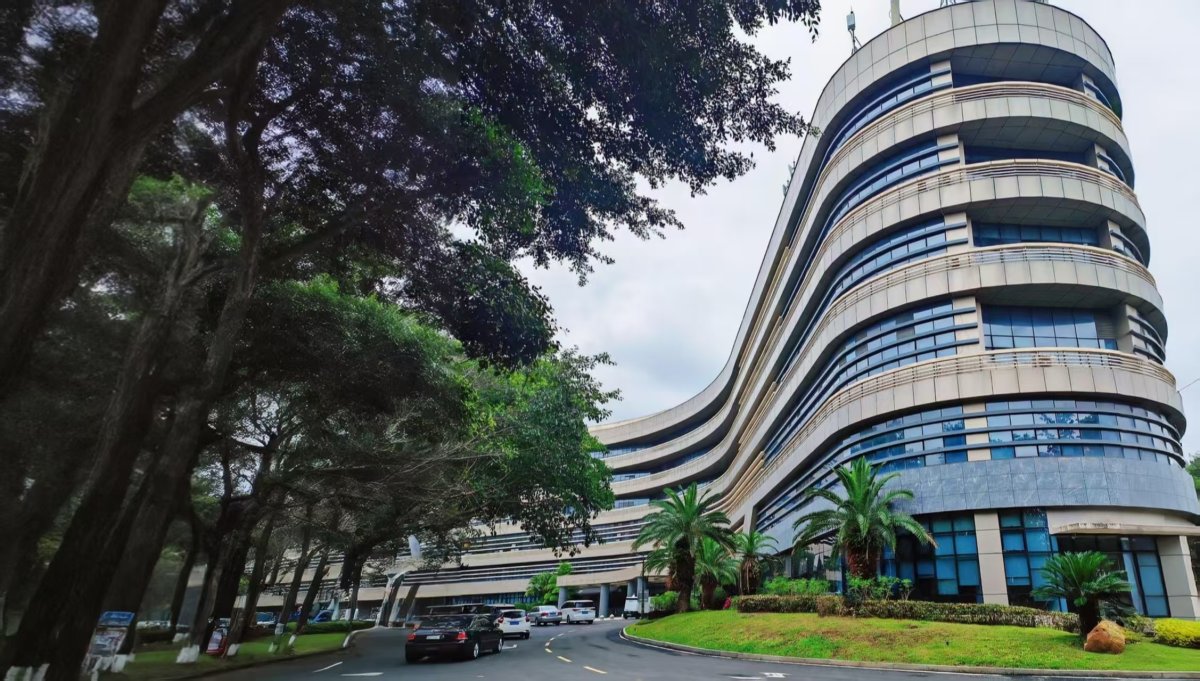
Neuroclínica Dr. Eber
3.95 reseñas
Precio a consultar
Más información
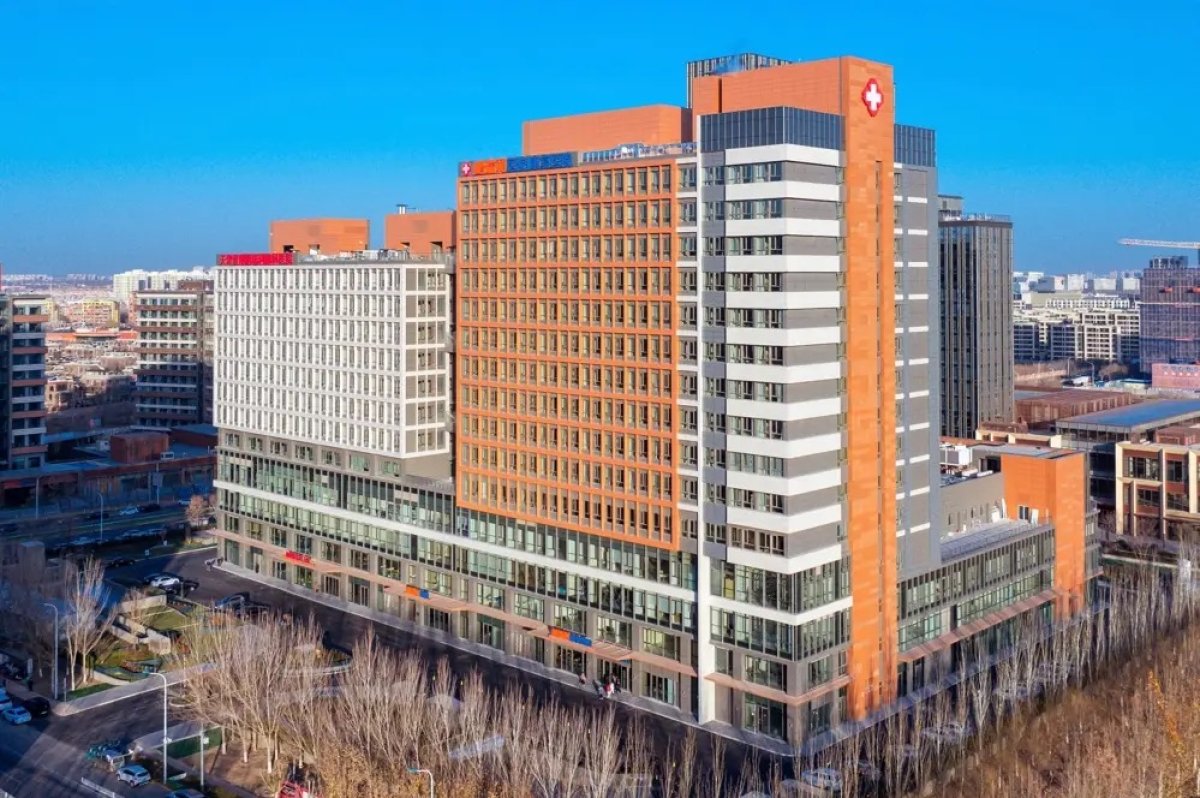
Hospital Internacional Yanda
4.9
Precio a consultar
Más información

Obtenga una evaluación médica para Parálisis periférica en China: consulte con doctores experimentados ahora

Ver todos los médicos
verificado

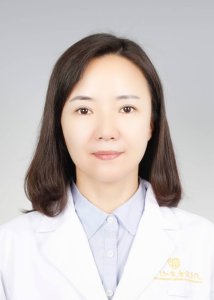
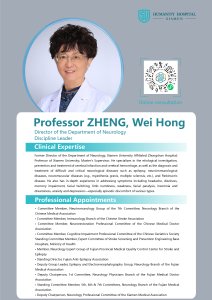
Zheng Wei Hong

45 años de experiencia

El profesor ZHENG Wei Hong es director del Departamento de Neurología y líder de la especialidad. Anteriormente fue director de Neurología del Hospital Zhongshan afiliado a la Universidad de Xiamen. Es profesor en la Universidad de Xiamen y tutor de maestría.

Su enfoque clínico incluye la investigación etiológica, la prevención y el tratamiento del infarto cerebral y la hemorragia cerebral. Asimismo, diagnostica y trata enfermedades neurológicas complejas, como la epilepsia, los trastornos neuroinmunológicos y neuromusculares (miastenia gravis, esclerosis múltiple) y la enfermedad de Parkinson.

Cargos: Miembro de los comités de Neuroinmunología (Rama de Neurología de la Asociación Médica China), Inmunología (Asociación China de Ictus), Neurorestauración (Asociación China de Médicos) y Deterioro Cognitivo (Sociedad China de Geriatría). Miembro del Comité Permanente del Comité de Expertos de los hospitales base del proyecto de cribado y prevención del ictus (Ministerio de Salud). Miembro del Grupo de Expertos en Neurología del Centro Provincial de Control de Calidad Médica de Fujian para ictus y epilepsia. Director permanente de la Asociación contra la Epilepsia de Fujian. Subjefe del Grupo de Epilepsia y Electroencefalografía (Rama de Neurología de la Asociación Médica de Fujian). Vicepresidente del Primer Comité de la Rama de Médicos Neurólogos (Asociación de Médicos de Fujian). Miembro del Comité Permanente (5.º–7.º mandatos) de la Rama de Neurología (Asociación Médica de Fujian). Vicepresidente del Comité Profesional de Neurología (Asociación Médica de Xiamen).

verificado

Sun Chen Yang

38 años de experiencia

Profesor y médico líder especializado en medicina integrativa tradicional china y occidental para afecciones neurológicas en el Hospital Cerebral Tianjin Eber Perennial.

  • Doctor en Ciencias Médicas con amplias credenciales
  • Director del Instituto de Medicina Integrativa Tradicional China y Occidental de la Universidad de Pekín
  • Jefe de múltiples departamentos en hospitales afiliados a la Universidad de Pekín
  • Autor de más de 100 artículos en revistas SCI y otras publicaciones
  • Experto consultor de la Comisión Central de Salud y Talentos de la Medicina Tradicional China en Pekín
verificado

Shao Ming

32 años de experiencia

El Dr. Shao Ming introdujo el propofol para el test de Wada en China, mejorando la seguridad y eficiencia quirúrgica. Aplica la estimulación eléctrica cortical para la localización precisa de focos epilépticos.
  • Doctor en Ciencias Médicas con amplia experiencia clínica
  • Becario postdoctoral en instituciones de prestigio, incluida la Universidad de Harvard
  • Publicar más de 50 artículos científicos, incluyendo algunos en The Journal of Neuroscience
  • Autor y coautor de múltiples monografías autorizadas en neurología
  • Desempeñar funciones de liderazgo en organizaciones clave de neurología en China

Compartir contenido

Historias en video de pacientes de Bookimed

Dayana
Combiné mis vacaciones en Antalya con un chequeo médico.
Procedimiento: Chequeo femenino
Igor
¡Fue genial! Traslados, alojamiento, tratamiento, todo incluido.
Procedimiento: Implante dental
Clínica: WestDent Clinic
Marina
Bookimed se encargó de todo. No tuve que preocuparme por nada.
Procedimiento: Chequeo femenino
Actualizado: 10/23/2024
Escrito por
Olena Sikoza
Olena Sikoza
Сopywriter en español
Copywriter médica certificada responsable del contenido en español de Bookimed. Más de 7 años de experiencia en redacción sobre salud y turismo médico, con formación académica en edición científica y desarrollo de contenidos.
Fahad Mawlood
Editor médico y Científico de datos
Médico general. Ganador de 4 premios científicos. Sirvió en Asia Occidental. Es el ex jefe del equipo médico que soporta a pacientes de habla árabe. Ahora es responsable del procesamiento de datos y la precisión del contenido médico.
Fahad Mawlood Linkedin
Esta página puede incluir información relacionada con diversas afecciones médicas, tratamientos y servicios de salud disponibles en diferentes países. Tenga en cuenta que el contenido se proporciona sólo con fines informativos y no debe interpretarse como asesoramiento médico o orientación. Por favor consulte con su médico o con un profesional médico calificado antes de comenzar o cambiar el tratamiento médico.

Preguntas frecuentes sobre el tratamiento de Parálisis periférica en China

Estas preguntas frecuentes provienen de pacientes reales que buscan atención médica a través de Bookimed. Las respuestas son proporcionadas por coordinadores médicos experimentados y representantes autorizados de las clínicas.

What is the standard treatment approach for peripheral paralysis in China?

China uses an integrated medical model combining Western pharmaceuticals with Traditional Chinese Medicine (TCM). Treatment typically starts with corticosteroids and neurotrophic injections to reduce inflammation. Clinical guidelines also incorporate acupuncture, electroacupuncture, and medical massage to stimulate nerve repair and prevent muscle atrophy.

  • Early intervention: Corticosteroids like prednisone are prescribed within 72 hours of onset.
  • Neurotrophic support: Patients receive B12 injections (mecobalamin) to promote myelin sheath repair.
  • Integrated therapies: Manual and electroacupuncture target specific meridians to restore nerve signaling.
  • Rehabilitation: Daily Tuina massage and mirror-feedback exercises help prevent facial muscle stiffness.

Bookimed Expert Insight: Chinese healthcare often fuses high-tech diagnostics with centuries-old practices. For example, JCI-accredited facilities like Yanda International Hospital offer 28,500 modern technologies alongside TCM. Specialized centers like Dr. Eber Brain Hospital employ professors like Sun Chen Yang, who is recognized as a doctor-scientist of ancient Chinese medicine. This combination allows patients to receive advanced Western nerve-monitoring data while undergoing traditional acupuncture protocols under one roof.

Patient Consensus: Patients emphasize that rehabilitation is a central requirement rather than an optional secondary step. Although recovery can take months, many note that starting intensive physical therapy and acupuncture early provides the best sense of progress.

When should acupuncture begin after the onset of paralysis?

Acupuncture for peripheral paralysis should ideally start within 24 hours to 7 days after the condition stabilizes. Clinical data suggests early intervention enhances nerve regeneration and muscle recovery. Success depends on treating specific causes like Bell palsy or nerve injuries while the nervous system is most receptive.

  • Ischemic stroke: Start within 24 to 36 hours for medically stable patients to protect brain cells.
  • Hemorrhagic stroke: Begin within 24 to 48 hours once a physician confirms bleeding is controlled.
  • Facial paralysis: Initiate treatment within 3 to 7 days to reduce inflammation and facial swelling.
  • Peripheral injury: Apply once acute injury stops worsening and surgical emergencies are ruled out.

Bookimed Expert Insight: China's highest-tier hospitals like Yanda International Hospital integrate traditional techniques with modern neurology for over 2.5 million patients annually. Our data shows clinics often combine acupuncture with active rehabilitation on the same day. This synergy helps prevent muscle stiffness more effectively than using acupuncture alone. Centers like Dr. Eber Brain Hospital employ nearly 400 doctors to ensure these combined protocols remain safe and medically supervised.

Patient Consensus: Patients note that acupuncture works best as an add-on to physical therapy rather than a standalone cure. Most advise ensuring a clear diagnosis via scans before starting needles to avoid treating around unexplained nerve compression.

How soon and how likely is recovery in China?

Recovery in China for peripheral paralysis often begins within 6 to 12 weeks of treatment. Meaningful functional restoration typically requires 6 to 18 months of intensive rehabilitation. Success depends on early intervention and the specific type of nerve injury being treated.

  • Treatment level: Class A Level III clinics represent the highest medical tier in China.
  • Clinical expertise: Facilities like Yanda International Hospital serve over 2,500,000 patients every year.
  • Specialist credentials: Experts like Dr. Zheng Wei Hong specialize in facial paralysis and limb numbness.
  • Integrated protocols: Top centers combine international medical standards with traditional Chinese medicine approaches.

Bookimed Expert Insight: While many seek China for traditional methods, the real advantage lies in the integration of specialized neurological hospitals. Dr. Eber Brain Hospital alone has 400 doctors and 63 departments. This massive scale allows for rapid diagnostics and immediate transition to multi-disciplinary rehab, which is critical for nerve recovery.

Patient Consensus: Patients note that recovery happens in stages, often starting with tiny signs like twitching or reduced numbness. They emphasize that rehabilitation is just as vital as the initial procedure to see real progress.

What acupuncture techniques are used during different stages of paralysis?

Chinese clinicians adjust acupuncture techniques based on the three distinct phases of paralysis. Early treatment focuses on reducing nerve inflammation using scalp acupuncture. Middle stages transition to penetrating needling for functional connectivity. Long-term chronic care utilizes electroacupuncture to manage muscle spasticity and stimulate dormant neurons.

  • Acute stage: Shallow manual needling reduces nerve swelling through gentle stimulation.
  • Neurological reorganization: Scalp acupuncture targets motor cortex regions to restore cerebral circulation.
  • Quiescent phase: Penetrating needling (Tou Ci) threads needles subcutaneously to stimulate muscle fibers.
  • Chronic recovery: Electroacupuncture provides micro-current impulses to retrain neuromuscular pathways and strength.

Bookimed Expert Insight: Top-tier Class A Level III facilities like Yanda International Hospital integrate traditional techniques with JCI-accredited safety standards. Data shows that specialists like Dr. Sun Chen Yang often combine ancient Qihuang principles with modern neurology. This dual approach is why China remains a leading destination for motor function restoration.

Patient Consensus: Patients note that acupuncture works best when paired with daily physical therapy and range-of-motion exercises. They emphasize consistency, often undergoing near-daily sessions to see concrete improvements in functional movement and muscle tightness.

Which Chinese herbal formulas are routinely prescribed?

Chinese practitioners treat peripheral paralysis using synergistic herbal formulas that target circulation and nerve restoration. Buyang Huanwu Tang is the most standard prescription for motor weakness. It combines astragalus with blood-moving herbs. This formula supports recovery by improving microcirculation in affected tissues.

  • Circulation support: Buyang Huanwu Tang promotes movement in paralyzed limbs.
  • Nerve recovery: Huo Luo Xiao Ling Dan addresses blood stasis.
  • Vitality boosting: Si Jun Zi Tang builds energy for physical therapy.
  • Nourishing formulas: Liu Wei Di Huang Wan addresses underlying aging factors.

Bookimed Expert Insight: Top Chinese facilities like Yanda International Hospital integrate these traditional formulas with modern neurology protocol. Dr. Sun Chen Yang at Dr. Eber Brain Hospital specialize in this integrative approach. Using ancient medicine alongside 28,500+ modern technologies often helps patients recover faster. This combination is especially effective for restoring motor functions after neurological injuries.

Patient Consensus: Patients note that herbal decoctions are customized and change as symptoms evolve. They emphasize that while herbs support the body, intensive rehabilitation drives measurable physical gains.

Can chronic or long-standing paralysis still benefit from China's treatments?

Chronic paralysis patients benefit from China’s integration of neurotechnology and traditional medicine. Advanced brain-spine interfaces (BSI) now challenge the permanence of long-term injuries. Specialized centers use AI-driven implants and electro-acupuncture to reactivate dormant neural pathways and improve motor scores.

  • Hybrid protocols: Clinics combine microsurgery, nerve transfers, and specialized rehabilitation for chronic cases.
  • Technology access: Facilities like Yanda International Hospital offer over 28,500 modern medical technologies.
  • Expert oversight: Specialists like Dr. Shao Ming bring experience from Harvard and University of Texas.
  • Regulatory standards: Top-tier Class A Level III hospitals often maintain Joint Commission International accreditation.

Bookimed Expert Insight: Bookimed data shows a clear advantage in China’s tertiary-level facilities like Yanda International Hospital. These centers manage massive volumes of up to 2,500,000 patients annually. This high concentration of cases allows surgeons to refine techniques for rare, long-standing paralysis. Patients should prioritize hospitals with Joint Commission International (JCI) accreditation to ensure international safety standards while accessing local neuro-technologies.

Patient Consensus: Patients note that recovery for long-standing paralysis depends heavily on muscle viability. Many emphasize that combining surgery with structured rehabilitation yields better functional outcomes than single therapies alone.

What is the modern biomedical rationale for using acupuncture?

Modern biomedical rationale views acupuncture as a form of neuromodulation. It stimulates strategic anatomical sites rich in nerves and connective tissues. This process triggers endogenous opioid release and activates the spinal gate. These mechanisms help manage pain and inflammation during peripheral paralysis rehabilitation.

  • Neurochemical release: Needle insertion prompts the brain to release endorphins and enkephalins.
  • Vagal-adrenal activation: Electroacupuncture stimulates the vagus nerve to down-regulate pro-inflammatory cytokines.
  • Micro-circulation boost: Targeted stimulation releases vasodilators like nitric oxide to improve regional blood flow.
  • Central remodeling: Frequent sessions may rewire how the brain perceives chronic neurological distress.

Bookimed Expert Insight: Leading Chinese institutions like Yanda International Hospital integrate these biomedical protocols within a Class A Level III medical framework. Data reveals that specialized centers in Beijing often combine traditional techniques with modern neurology under experts like Dr. Sun Chen Yang. This integrated approach ensures that acupuncture is never a standalone treatment but a scientifically monitored part of a complex rehabilitation plan.

Patient Consensus: Patients note that acupuncture effectively reduces muscle spasticity and improves sleep during recovery. Most emphasize using it alongside physical therapy rather than expecting it to reverse nerve damage alone.

Pedir una consulta gratis

Seleccione la mejor manera de contactarle