Parálisis periférica en España: clínicas verificadas para su tratamiento


Revisado médicamente por
Fahad Mawlood
Cómo funciona
¿Cuál es el precio del diagnóstico y los tratamientos de Parálisis periférica en España? Descubra ahora
Descubra las mejores clínicas de tratamiento de Parálisis periférica en España: 2 opciones verificadas y Precios





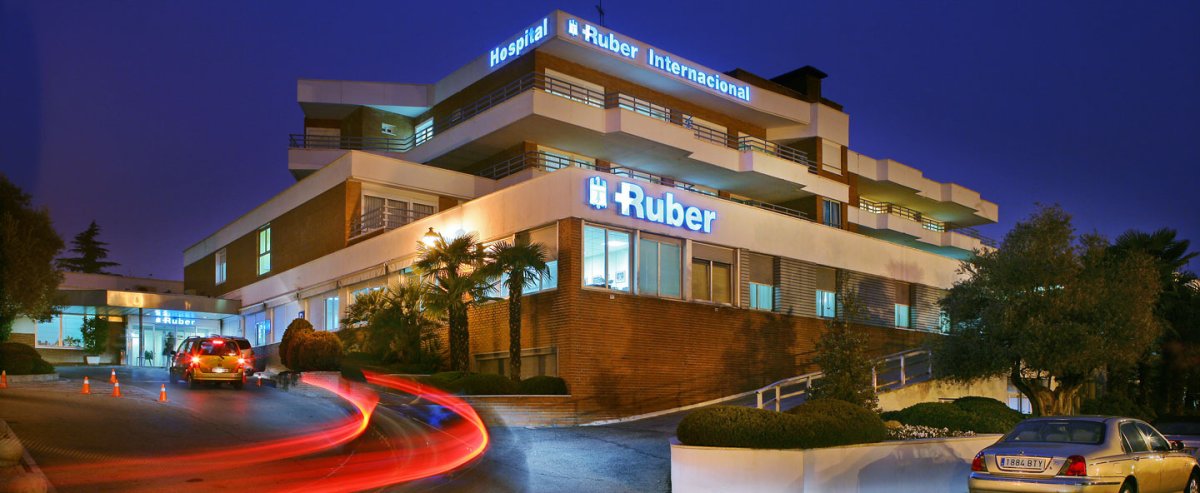

Obtenga una evaluación médica de tratamiento de Parálisis periférica en España: haga una consulta con 6 médicos experimentados ahora
Ver todos los médicos
Erika María Torres San Narciso
Jefe de la Unidad de Neurociencias Avanzadas en Quirónsalud – El Dr. Torres se especializa en diagnóstico neurológico complejo y atención centrada en el paciente.
- Lideró equipos multidisciplinarios de neurología en el Hospital Universitario de Torrevieja
- Especializado en diagnóstico de trastornos del movimiento y epilepsia
- Miembro de la Sociedad Española de Neurología
- Activo en investigación clínica y educación neurológica

Rafael Arroyo González
Jefe de Neurología en el Hospital Universitario Quironsalud – lidera más de 100 ensayos clínicos en neurociencia.
- Investigador principal en neurociencia en Quironsalud Madrid desde 2015
- Ha publicado 139 artículos internacionales en revistas de primer nivel como el New England Journal of Medicine
- Profesor de Medicina en la Universidad Europea de Madrid
- Especialista en condiciones neurológicas complejas
Irene Sánchez Miranda

Jesus Romero Imbroda
El Dr. Romero Imbroda, miembro del European Board of Neurology, dirige la Unidad de Neurología en Quirónsalud Marbella, especializándose en trastornos complejos del sistema nervioso.
- Presidente de la Sociedad Andaluza de Neurología
- Profesor en la Universidad de Granada con doctorado Summa Cum Laude
- Autor de múltiples publicaciones científicas nacionales e internacionales
- Especializado en enfermedades neuromusculares y neuropatías periféricas
- Utiliza tecnologías de diagnóstico avanzadas para tratamientos personalizados
Compartir contenido
Historias en video de pacientes de Bookimed
 Olena Sikoza
Preguntas frecuentes sobre el tratamiento de Parálisis periférica en España
¿Qué herramientas de diagnóstico avanzadas utilizan las clínicas españolas para evaluar el daño de los nervios periféricos?
Los centros neurológicos españoles utilizan neurografía por resonancia magnética de 3 Teslas y neurosonografía de alta resolución para evaluar el daño de los nervios periféricos. Las clínicas acreditadas por la JCI en Madrid y Barcelona emplean mapeo electrodiagnóstico y pruebas sensoriales cuantitativas. Estas herramientas localizan la compresión nerviosa y las brechas estructurales con alta precisión para guiar el tratamiento de la parálisis.
- Resonancia magnética de 3 Teslas: La imagen de alto campo captura vistas estructurales en 3D de tumores nerviosos profundos.
- Neurosonografía: El ultrasonido de alta frecuencia rastrea los nervios superficiales para medir la hinchazón en tiempo real.
- Electrodiagnóstico: La electromiografía (EMG) mide la fuerza de la señal para mapear neuropatías axonales o desmielinizantes.
- Biopsia de piel: Las biopsias por punción de 3 mm mínimamente invasivas cuantifican la densidad microscópica de las fibras nerviosas.
- Microscopía confocal: Las herramientas láser mapean la ramificación de los nervios corneales para detectar daños sistémicos tempranos.
Perspectiva del experto de Bookimed: Los centros de neurología españoles como el Centro Médico Teknon y el Hospital Ruber Internacional reportan volúmenes masivos de pacientes, alcanzando los 25,000 al año. Este alto rendimiento significa
¿Qué hospitales españoles son los más recomendados para tratamientos de nervios periféricos?
Hospitales españoles como el Centro Médico Teknon y el Hospital Ruber Internacional son líderes mundiales en tratamientos de nervios periféricos. Estas instalaciones utilizan micro-neurocirugía y mapeo neurofisiológico para parálisis complejas. Especialistas de élite en Barcelona y Madrid ofrecen cirugía reconstructiva y diagnósticos avanzados para trastornos neuropáticos.
- Acreditación hospitalaria: El Centro Médico Teknon cuenta con certificaciones de la Joint Commission International (JCI) y EFQM.
- Unidades especializadas: El Hospital Ruber Internacional cuenta con unidades dedicadas a lesiones neuromusculares y de nervios periféricos.
- Experiencia diagnóstica: Los centros utilizan resonancia magnética de 3 Teslas y mapeo intraoperatorio para una localización precisa de los nervios.
- Tratamientos diversos: Cirujanos especializados realizan injertos nerviosos, transferencias y neurolisis para lesiones traumáticas.
Opinión experta de Bookimed: Los datos de los pacientes indican que los departamentos de neurología españoles de primer nivel a menudo sirven como proveedores médicos oficiales para atletas de élite y grandes eventos. Por ejemplo, el Centro Médico Teknon sirve como proveedor de salud para la 37ª America's Cup. Este entorno de alta exigencia confirma su experiencia en el tratamiento de lesiones nerviosas traumáticas comunes en el
¿Qué opciones quirúrgicas existen en España para lesiones graves de nervios periféricos?
Las clínicas españolas ofrecen reparaciones microquirúrgicas avanzadas para parálisis periféricas. Los cirujanos utilizan neurorrafia directa, injertos nerviosos autólogos y transferencias nerviosas para restaurar la función. Los centros acreditados por la JCI en Madrid y Barcelona emplean neurocirujanos especializados para la reconstrucción compleja del plexo braquial y los nervios.
- Neurorrafia directa: Los microcirujanos reconectan los nervios seccionados utilizando suturas ultrafinas bajo microscopios de gran aumento.
- Injerto nervioso: La recolección de nervios sensoriales, comúnmente el nervio sural, sirve para puentear grandes brechas entre los extremos dañados.
- Transferencias nerviosas: Se redirigen nervios funcionales redundantes para restaurar la movilidad en músculos gravemente paralizados.
- Transferencia muscular funcional: Los cirujanos trasplantan músculo y vasos sanos para casos crónicos con degradación permanente.
Opinión de expertos de Bookimed: España ocupa el tercer lugar en nuestra red global en cuanto a solicitudes atendidas. Este alto volumen se concentra en instituciones como el Centro Médico Teknon y el Hospital Ruber Internacional. Estos centros realizan más de 23.000 cirugías al año y tratan a atletas de alto perfil. Esta enorme rotación de pacientes garantiza que los cirujanos mantengan su competencia en técnicas
¿Existen centros dedicados a la parálisis del nervio facial en España?
España cuenta con unidades dedicadas a la parálisis facial dentro de grandes hospitales multidisciplinarios. Estas unidades integran cirugía plástica, neurología y otorrinolaringología para una atención integral. Los centros especializados en Barcelona y Madrid priorizan la reanimación microquirúrgica. Los centros de alto volumen utilizan transferencias nerviosas avanzadas y electromiografía para restaurar la simetría facial.
- Unidades especializadas: Centros como el Centro Médico Teknon operan programas de diagnóstico neurológico de alta resolución.
- Procedimientos avanzados: Los cirujanos realizan injertos nerviosos complejos y transferencias musculares microvasculares para la reanimación.
- Credenciales de expertos: Especialistas como el Dr. Oriol Franch ofrecen diagnósticos expertos en neurooftalmología y patología neuromuscular.
- Clasificaciones clínicas: El Hospital Ruber Internacional se encuentra entre los 6 mejores hospitales de España para neurocirugía compleja.
Perspectiva de expertos de Bookimed: El panorama médico español se basa en especialistas de élite en lugar de clínicas independientes. Los pacientes a menudo eligen instalaciones acreditadas por la JCI como el Hospital Ruber Internacional por su alto volumen quirúrgico. El Dr. Oriol Franch y el Prof. Dr. Rafael Arroyo González ofrecen una profunda experiencia en patología n
¿Qué terapias médicas estándar se utilizan para la parálisis periférica de inicio repentino?
Las terapias médicas estándar para la parálisis periférica de inicio repentino priorizan los corticosteroides de dosis alta para reducir rápidamente la inflamación nerviosa. Los médicos deben excluir primero las emergencias del sistema nervioso central, como los accidentes cerebrovasculares. Los tratamientos son más efectivos cuando se inician dentro de las 72 horas posteriores al inicio de los síntomas mediante intervenciones farmacológicas o inmunológicas.
- Farmacoterapia: Los esteroides como la prednisona reducen el edema nervioso durante la fase aguda.
- Agentes antivirales: Se combinan con esteroides si se sospechan desencadenantes virales como el herpes.
- Inmunoterapia: La IVIg o la plasmaféresis tratan afecciones sistémicas como el síndrome de Guillain-Barré.
- Apoyo rehabilitador: La fisioterapia comienza después de la estabilización para prevenir el acortamiento muscular permanente.
- Protección de órganos: Las lágrimas artificiales y los protectores nocturnos protegen los ojos de las úlceras corneales.
Perspectiva del experto de Bookimed: Los departamentos de neurología españoles ofrecen un nivel de atención especializada de élite a través de unidades integradas. El Dr. Jesús Romero Imbroda en Quirónsalud Marbella lidera con experiencia tanto en enfermedades neuromusculares como en emergencias cerebrovascular
¿Cómo es el proceso de rehabilitación neurológica en España?
La rehabilitación neurológica en España sigue un enfoque estructurado y multidisciplinario dentro de instalaciones acreditadas por la JCI. Los centros especializados priorizan el mapeo nervioso integral y la elaboración de perfiles cognitivos antes de iniciar la terapia. Los programas integran sistemas de asistencia a la marcha robóticos, neuromodulación y sesiones diarias intensivas para restaurar la movilidad y la independencia funcional tras un trauma neurológico.
- Mapeo diagnóstico: Los médicos utilizan métricas de resonancia magnética y tomografía computarizada para establecer líneas base de la función nerviosa.
- Intensidad de la terapia: Los programas hospitalarios requieren de 3 a 4 horas de terapia especializada diaria.
- Tecnología avanzada: Instalaciones como el Hospital Ruber Internacional utilizan resonancia magnética de 3 Teslas para diagnósticos precisos.
- Duración del tratamiento: Las estancias hospitalarias para traumas graves suelen oscilar entre 30 y 90 días.
Perspectiva del experto de Bookimed: La neurorrehabilitación en España destaca por su alta concentración de expertos con doble certificación. Mientras que muchos países se centran únicamente en la fisioterapia, especialistas españoles como el Dr. Jesús Romero Imbroda poseen títulos avanzados en ingeniería de tejidos y neurología. Esta profundidad académica permite a la