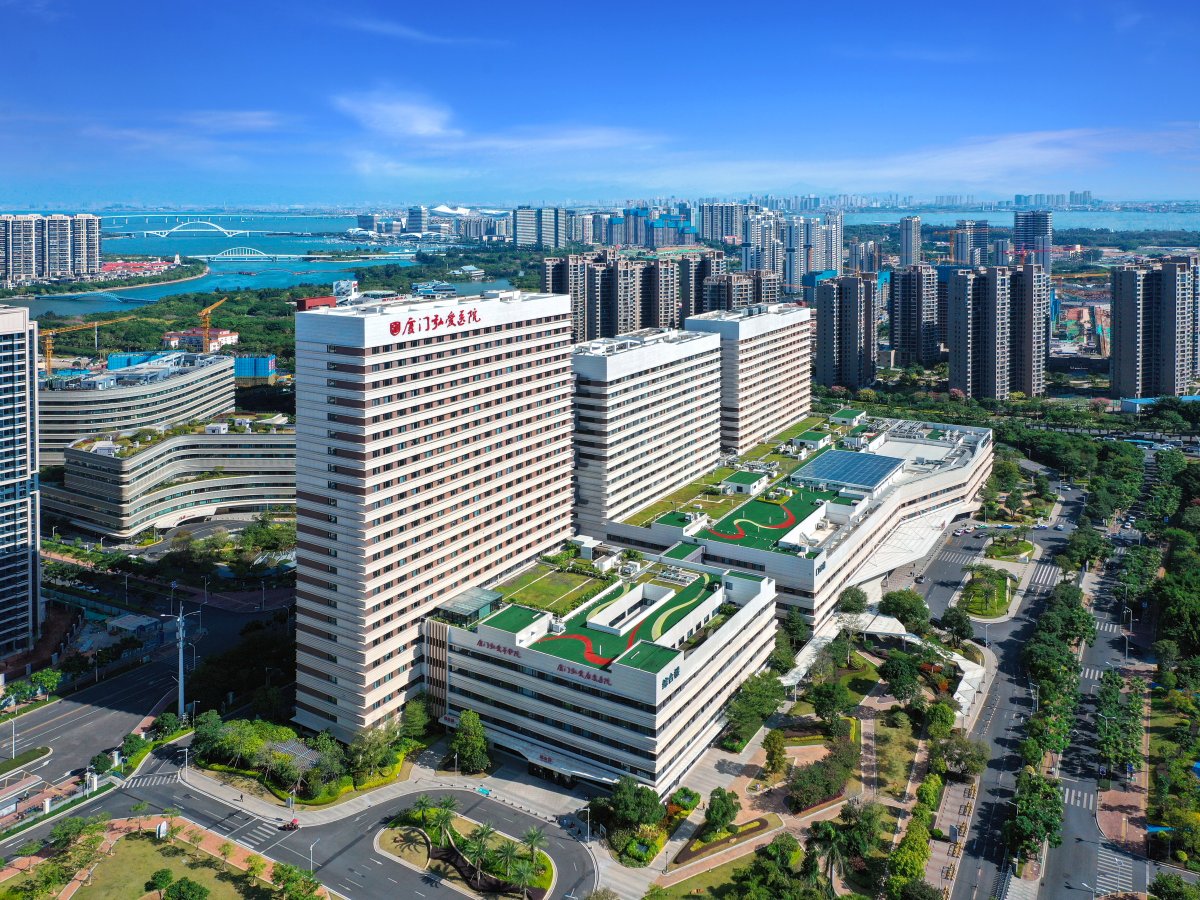
Hospital Xiamen Humanity
China, Xiamen


Revisado médicamente por
Fahad Mawlood
Bookimed no añade cargos extra a los precios de los tratamientos de Piedras salivales. Las tarifas proceden de las listas de precios oficiales de las clínicas. Pagará directamente en la clínica por su tratamiento a su llegada al país.
Bookimed está comprometido con su seguridad. Solo trabajamos con las clínicas que mantienen altos estándares internacionales en el tratamiento de Piedras salivales y cuentan con las licencias necesarias para atender a pacientes internacionales en todo el mundo.
Bookimed ofrece asistencia experta gratuita. Un coordinador médico personal le apoya antes, durante y después de su tratamiento, resolviendo cualquier problema. Nunca estará solo en su viaje médico de tratamiento de Piedras salivales.

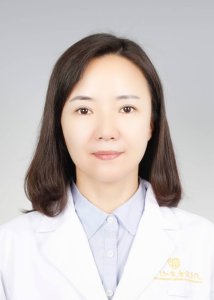
La profesora Liang Xiaoxiao es Directora del Departamento y Jefa de Servicio de Neurorrehabilitación. Cuenta con una maestría en neurología. Es experta en neuromodulación para trastornos de la conciencia, la cognición y el movimiento. Su labor se centra en casos de enfermedad cerebrovascular, enfermedad de Parkinson y afecciones relacionadas. También realiza inyecciones de toxina botulínica guiadas por ecografía para el blefaroespasmo, el espasmo hemifacial, la espasticidad de las extremidade
 Olena Sikoza
China se especializa en tratamientos para cálculos en las glándulas salivales que preservan la integridad de estas glándulas, utilizando tecnologías avanzadas de microendoscopia y terapia de ondas de choque. Los principales hospitales especializados priorizan la sialoendoscopia intervencionista para eliminar obstrucciones sin cirugía. Estos métodos permiten acceder a los cálculos a través de las aberturas naturales de los conductos. Este enfoque preserva la glándula salival y previene cicatrices visibles.
Opinión de expertos de Bookimed: Los centros terciarios chinos, como el Hospital Humanitario de Xiamen, atienden a un gran volumen de pacientes. Esta magnitud exige un alto nivel de pericia técnica para realizar procedimientos endoscópicos complejos. Los especialistas suelen combinar la terapia de ondas de choque externas con la
La extirpación de las glándulas salivales ya no es obligatoria para el tratamiento de los cálculos salivales. Los centros médicos chinos modernos prefieren métodos que preservan la glándula, como la sialoendoscopia. Los cirujanos recurren a la extirpación completa solo en casos de tumores malignos o infecciones crónicas irreversibles. Este enfoque preserva la producción de saliva y reduce el riesgo de daño nervioso y cicatrices visibles.
Opinión de expertos de Bookimed: Los grandes hospitales terciarios chinos, como el Hospital Humanitario de Xiamen, atienden a más de 1.000.000 de pacientes al año en 47 departamentos. Este elevado volumen de casos suele conllevar un alto grado de especialización en cirugía mínimamente invasiva del tracto urinario. Los pacientes deben pregu
En China, los médicos utilizan anestesia local para la extracción simple de cálculos salivales intraorales. Los cálculos más grandes o profundos que requieren sialoendoscopia suelen requerir anestesia general o sedación intravenosa. La recuperación es rápida y la mayoría de los pacientes regresan a casa y reanudan la alimentación el mismo día después de procedimientos menores.
Opinión de expertos de Bookimed: Grandes centros médicos como el Hospital Humanitario de Xiamen atienden a más de 1.000.000 de pacientes al año. Este enorme volumen de trabajo exige un alto grado de estandarización de los protocolos de anestesia. Los grandes hospitales multidisciplinarios chinos suelen preferir la anestesia general para la sialoendoscopia con el fin de garantizar la estabilidad completa del conducto. Este enfoque puede prolongar el periodo de recuperación inicial en 24 horas, pero mejora la prec
Los métodos de la medicina tradicional china (MTC) favorecen la curación de los cálculos salivales al reducir la inflamación y estimular la producción de saliva. Estos métodos complementan los tratamientos occidentales convencionales, como la sialoendoscopia. Los médicos suelen utilizar fitoterapia o acupuntura. Estas técnicas ayudan al cuerpo a expulsar de forma natural los cálculos de menos de 5 mm.
Opinión de expertos de Bookimed: Hospitales como el Hospital Humanitario de Xiamen funcionan como instituciones terciarias con 47 departamentos especializados. Los grandes centros médicos chinos suelen combinar métodos tradicionales con herramientas de diagnóstico modernas en un mismo edificio. Esto permite a los médicos verificar la eficacia de la extracción de cálculos renales mediante la medicina tradicional china (MTC) utilizando imágenes. Por seguridad, los pacientes deben elegir centros qu