Tratamiento de Piedras salivales en Turquía — obtenga 3 coincidencias personalizadas de clínicas


Revisado médicamente por
Fahad Mawlood
Cómo funciona
¿Cuál es el precio del diagnóstico y los tratamientos de Piedras salivales en Turquía? Descubra ahora
Descubra las mejores clínicas de tratamiento de Piedras salivales en Turquía: 4 opciones verificadas y Precios



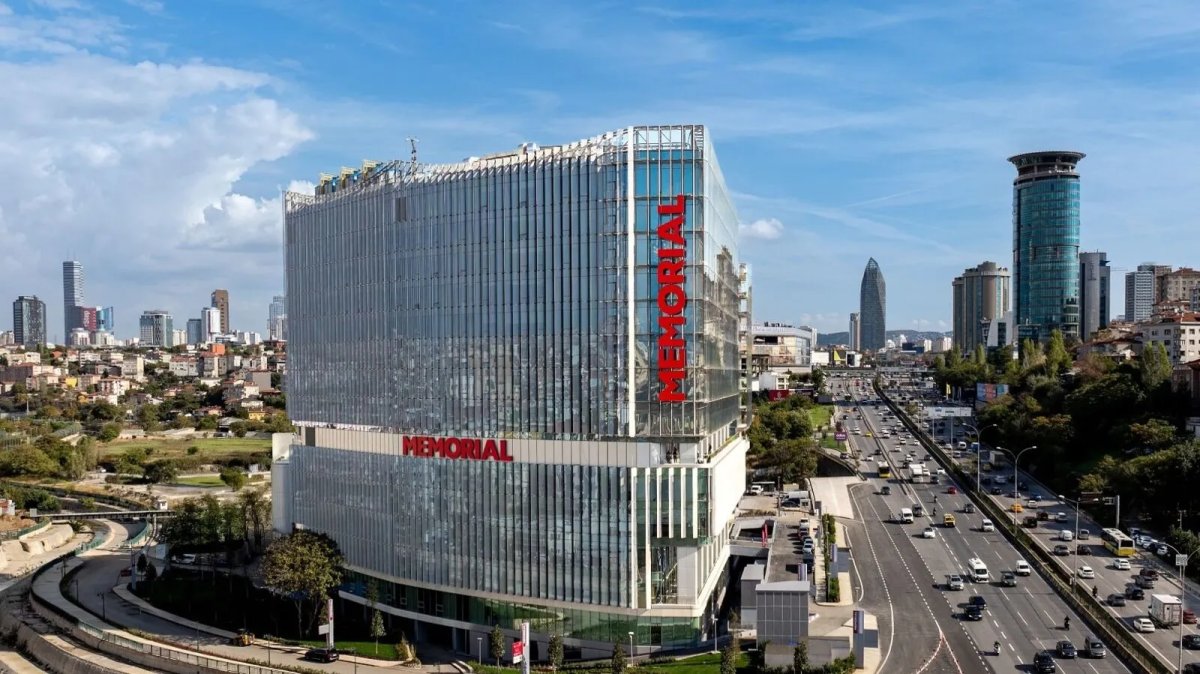
Memorial Göztepe Hospital
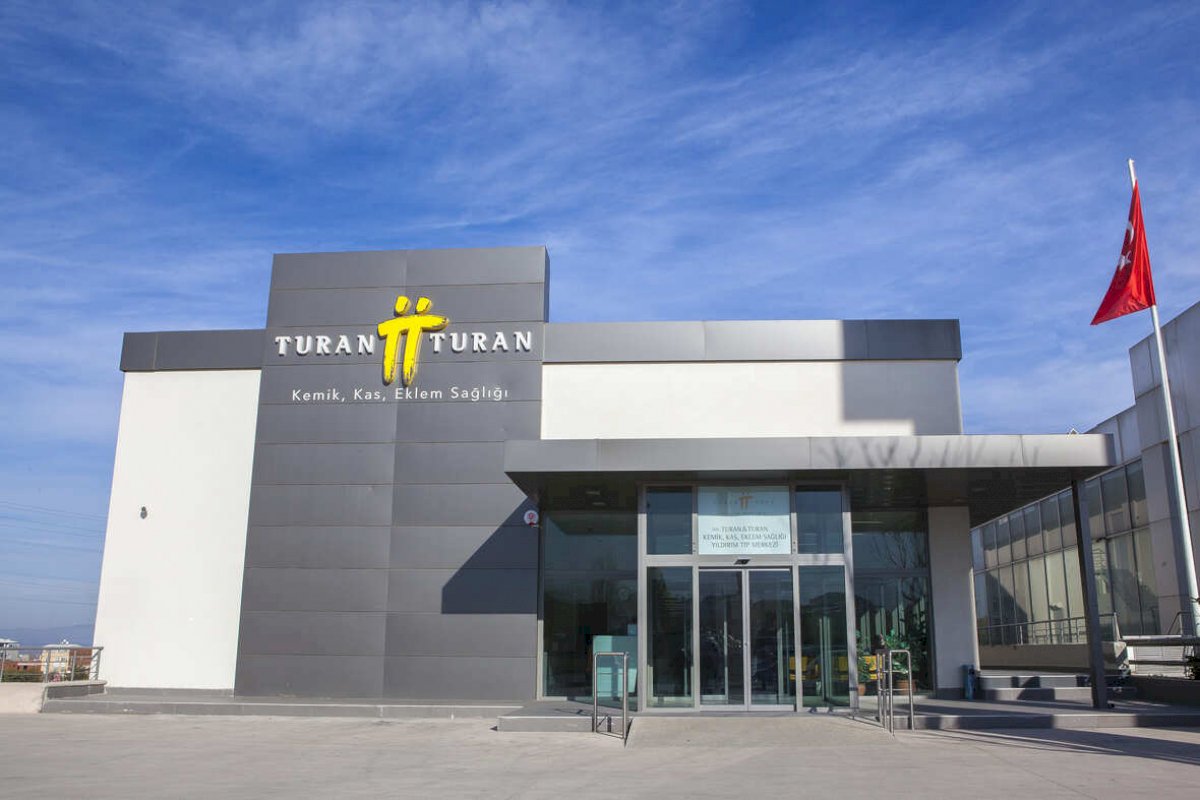
Turan Turan Health Group
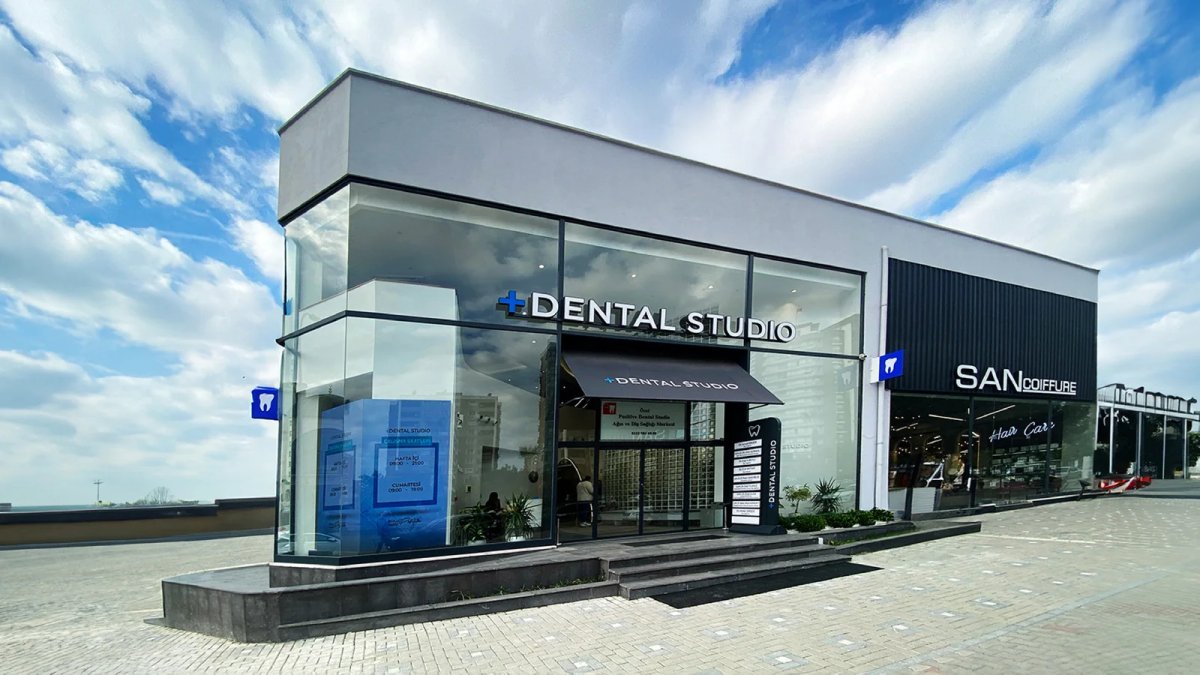
Positive Dental Studio
Obtenga una evaluación médica para Piedras salivales en Turquía: consulte con doctores experimentados ahora
Ver todos los médicos
Halil Alis
El Dr. Halil Alis es cirujano gastrointestinal y director médico en VM Medical Park Florya. Es instructor de cirugía robótica utilizando el sistema Da Vinci. El Dr. Alis trata la obesidad, las afecciones colorrectales y las enfermedades digestivas complejas. Es autor de más de 70 artículos científicos en revistas médicas internacionales.
- Miembro activo de SAGES, EAES, IASGO, ISSO e IFSO.
- Realiza cirugías robóticas de manga gástrica y bypass con el sistema Da Vinci.
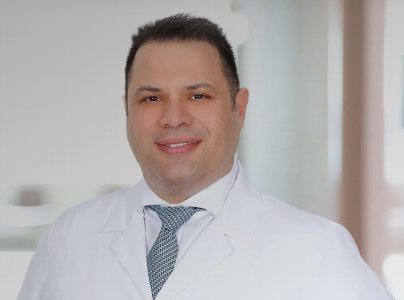
Soykan Barlas
El profesor asociado Dr. Soykan Barlas es cirujano general y de trasplantes en el Hospital Medical Park Göztepe. Se especializa en trasplantes de riñón y procedimientos bariátricos como la cirugía de manga gástrica. El Dr. Barlas completó su formación en laparoscopia en Escocia. Posee un Certificado de Reconocimiento del Ministerio de Salud de Turquía.
- Se desempeña como profesor académico en la Universidad de Ciencias Demiroğlu.
- Ha publicado más de 20 artículos en revistas
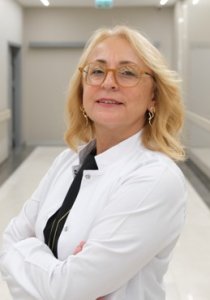
Selin Kapan
La profesora Selin Kapan es profesora de Cirugía General desde 2017. Actualmente trabaja en la Universidad Aydın de Estambul, Facultad de Medicina, Departamento de Cirugía General (2022–actualidad). Anteriormente trabajó en el Hospital de Formación e Investigación Bakırköy Dr. Sadi Konuk como especialista y profesora asociada. También se desempeñó como supervisora de docencia y administración en el Hospital de Formación e Investigación Kanuni Sultan Süleyman. Además, fue coordinadora médica y
Compartir contenido
Historias en video de pacientes de Bookimed
 Olena Sikoza
Preguntas frecuentes sobre el tratamiento de Piedras salivales en Turquía
¿Cuál es el principal método de tratamiento para los cálculos salivales en Turquía?
La sialendoscopia es el tratamiento principal para los cálculos salivales en Turquía. Esta técnica mínimamente invasiva utiliza microcámaras para navegar por los conductos y extraer los cálculos sin incisiones. Los centros turcos especializados reportan tasas de éxito del 90 %. El método preserva la función glandular y evita la cirugía radical tradicional.
- Herramientas mínimamente invasivas: Microendoscopios de 0,8 mm a 1,3 mm visualizan los sistemas de conductos internos.
- Extracción de cálculos: Los cirujanos utilizan pinzas o cestas especializadas para capturar y extraer los cálculos.
- Fragmentación avanzada: La tecnología láser o la litotricia neumática rompe los cálculos grandes en trozos más pequeños.
- Enfoque híbrido: Los casos complejos pueden combinar la endoscopia con pequeñas incisiones transorales para evitar la extirpación de la glándula.
Perspectiva del experto de Bookimed: Los centros médicos turcos, como el Hospital Memorial Göztepe, utilizan tomografía computarizada avanzada de 512 cortes y resonancia magnética de 3 Tesla para la localización precisa de los cálculos. El análisis muestra que los centros de alto volumen priorizan la preservación de la glándula a través de estas tecnologías de imagen. Esto evita la extirpación innecesaria de la glándula en el 90 % de los pacientes con cálculos en el conducto.
C
¿Tendré cicatrices faciales visibles después de la extracción de cálculos salivales en Turquía?
Es poco probable que queden cicatrices faciales visibles después de la extracción de cálculos salivales en Turquía. Los cirujanos priorizan la sialendoscopia, que utiliza las aberturas naturales de la boca para llegar a los cálculos sin realizar incisiones externas. Si se requiere una cirugía tradicional, los especialistas realizan pequeñas incisiones dentro de los pliegues naturales de la piel debajo de la mandíbula para ocultar las marcas.
- Protocolo de sialendoscopia: diminutas cámaras ingresan por la boca, lo que garantiza que no se produzcan cicatrices faciales externas.
- Extracción intrabucal: Los cirujanos a menudo extraen los cálculos a través de incisiones internas que no dejan cicatrices visibles en la piel.
- Incisiones submandibulares: Los cálculos grandes pueden requerir acceso externo oculto estratégicamente dentro de los pliegues naturales del cuello.
- Imágenes avanzadas: Clínicas como Memorial Goztepe utilizan TC de 512 cortes para una planificación precisa y mínimamente invasiva.
Perspectiva de expertos de Bookimed: Los pacientes se benefician de una concentración tecnológica en Estambul. Los centros de primer nivel a menudo albergan sistemas de TC de 512 cortes y resonancia magnética de 3 Tesla en una misma instalación. Este poder de diagnóstico, encontrado en clínicas como Memorial Goztepe, permite a los cirujanos mapear l
¿Cómo se tratan los cálculos muy grandes o impactados si no pueden agarrarse y extraerse enteros?
Los especialistas manejan los cálculos salivales grandes o impactados fragmentándolos en trozos más pequeños antes de su extracción. Este proceso previene daños en el conducto y evita cirugías invasivas. Los cirujanos utilizan litotricia láser o trituración mecánica a través de un sialendoscopio para romper el cálculo de manera eficiente dentro del estrecho conducto salival.
- Fragmentación láser: Los cirujanos utilizan fibras láser para atacar y romper los cálculos en fragmentos diminutos y manejables.
- Litotricia mecánica: Una cesta de alambre especializada captura y tritura el cálculo antes de su extracción profesional.
- Ampliación endoscópica: El sialendoscopio expande el conducto para alcanzar los cálculos alojados en ángulos difíciles.
- Enfoques combinados: Pequeñas incisiones externas pueden ayudar a los endoscopios si los cálculos están profundamente incrustados o impactados.
Perspectiva de expertos de Bookimed: Las instalaciones turcas como el Hospital Memorial Göztepe utilizan imágenes de TC de 512 cortes avanzadas para un mapeo preciso del cálculo antes de la fragmentación. Las imágenes de alta resolución permiten a los cirujanos calcular la fuerza exacta necesaria para la litotricia. Esta precisión ayuda a preservar la función glandular incluso en casos con múltiples cálculos impactados.
Consenso de los pacientes:<
¿Por qué se elige Turquía a nivel internacional para el tratamiento de cálculos salivales?
Turquía es un destino líder para el tratamiento de cálculos salivales debido a su alta experiencia en sialendoscopia con preservación glandular. Los cirujanos especialistas en centros acreditados por la Joint Commission International en Estambul utilizan herramientas endoscópicas avanzadas para eliminar los cálculos sin cirugía externa. Este enfoque preserva la función completa de la glándula y no deja cicatrices faciales visibles.
- Preservación de la glándula: La sialendoscopia elimina la necesidad de extirpar toda la glándula al tratar la sialolitiasis.
- Mínimamente invasivo: Los procedimientos utilizan acceso por conducto interno para evitar incisiones externas y cicatrices.
- Tecnología avanzada: Centros como el Hospital Memorial Göztepe utilizan imágenes por TC de 512 cortes para un mapeo preciso de los cálculos.
- Cirujanos expertos: Especialistas como el profesor Selin Kapan han publicado investigaciones sobre tratamientos glandulares mínimamente invasivos.
Opinión del experto de Bookimed: Si bien muchas clínicas ofrecen servicios generales de otorrinolaringología, priorice los centros como el Memorial Göztepe que cuentan con quirófanos híbridos. Estos entornos especializados permiten a los cirujanos cambiar instantáneamente entre la endoscopia y las imágenes de alta resolución. Esta configuración integrada es fundamental para tratar c
¿Cuál es el cronograma típico de recuperación después de una sialendoscopia en Turquía?
La recuperación después de una sialendoscopia en Turquía suele ser rápida. La mayoría de los pacientes vuelven a sus rutinas normales en un plazo de 2 a 7 días. Este procedimiento mínimamente invasivo permite el alta el mismo día. Los pacientes generalmente experimentan una hinchazón transitoria y molestias leves en lugar de un dolor quirúrgico intenso.
- Recuperación inicial: La mayoría de los pacientes salen de la clínica el día del procedimiento.
- Reanudación de actividades: Las actividades ligeras son seguras en un plazo de 24 a 72 horas.
- Ajustes dietéticos: Los cirujanos recomiendan alimentos blandos durante 3 a 14 días.
- Curación completa: La sensibilidad o la ternura de la glándula generalmente se resuelven en 1 a 3 semanas.
Opinión del experto de Bookimed: El Hospital Memorial Göztepe y otros centros turcos importantes utilizan imágenes por TC de 512 cortes para un mapeo preciso de los cálculos antes de la operación. Este diagnóstico de alta resolución a menudo acorta el tiempo operatorio. Los procedimientos más cortos provocan menos trauma tisular y una resolución significativamente más rápida de la hinchazón postoperatoria.
Consenso de los pacientes: Los pacientes señalan que la recuperación se siente más como presión que como un dolor agudo. Muchos destacan que mantenerse hidratado y elegir alimentos bland
¿Quiénes son los principales especialistas para este procedimiento en Turquía?
Los principales especialistas en cálculos salivales en Turquía son cirujanos maxilofaciales y otorrinolaringólogos altamente capacitados que realizan sialendoscopia mínimamente invasiva. Los expertos en los centros de Estambul, como el Hospital Memorial Göztepe, utilizan imágenes avanzadas como la TC de 512 cortes y la RM asistida por IA para localizar con precisión los cálculos antes de la intervención.
- Experiencia en sialendoscopia: Los especialistas utilizan microendoscopios para eliminar cálculos mientras preservan la glándula salival.
- Imágenes de diagnóstico: Las tomografías computarizadas de 512 cortes ayudan a los cirujanos a planificar la eliminación de cálculos submandibulares profundos.
- Preservación de la glándula: Los cirujanos de primer nivel se centran en la extracción endoscópica con cesta para evitar cicatrices faciales externas.
- Capacidad hospitalaria: El Hospital Memorial Göztepe brinda atención multidisciplinaria integral con 94 médicos especializados.
Perspectiva del experto de Bookimed: El volumen de pacientes a menudo indica dónde se utiliza más la tecnología avanzada. Si bien el Turan Turan Health Group atiende a 18,000 pacientes al año, muchos especialistas en hospitales de Estambul ofrecen opciones asistidas por robot para casos complejos. Elegir un centro con departamentos especializados en otorrinolaringología