Ir a inicio
820К+ pacientes han recibido asistencia desde 2014
50 países
1,500 clínicas
6K+ reseñas
3K+ médicos calificados

¿Cuál es el precio del diagnóstico y los tratamientos de Diabetes tipo 1 en China? Descubra ahora

El precio se proporciona bajo petición
ChinaEspañaTurquía
Tratamiento de la diabetes mellitus con células madrede $18,500de $20,000de $12,000
Datos verificados por Bookimed a partir de June 2026, basados en solicitudes de pacientes y cotizaciones oficiales de 35 clínicas en todo el mundo. Los costos medianos se basan en facturas reales (2025–2026) y se actualizan mensualmente. Los precios reales pueden variar.

Sus beneficios y garantías con Bookimed

Precios directos

Bookimed no añade cargos extra a los precios de los tratamientos de Diabetes tipo 1. Las tarifas proceden de las listas de precios oficiales de las clínicas. Pagará directamente en la clínica por su tratamiento a su llegada al país.

Sólo clínicas y médicos verificados

Bookimed está comprometido con su seguridad. Solo trabajamos con las clínicas que mantienen altos estándares internacionales en el tratamiento de Diabetes tipo 1 y cuentan con las licencias necesarias para atender a pacientes internacionales en todo el mundo.

Asistencia 24/7 gratuita

Bookimed ofrece asistencia experta gratuita. Un coordinador médico personal le apoya antes, durante y después de su tratamiento, resolviendo cualquier problema. Nunca estará solo en su viaje médico de tratamiento de Diabetes tipo 1.

¿Por qué nosotros?

Su coordinador médico personal de Bookimed

  • Le apoya en cada etapa
  • Ayuda a elegir la clínica y el médico adecuados
  • Asegura un acceso rápido y conveniente a la información

Descubra las mejores clínicas de tratamiento de Diabetes tipo 1 en China: 1 opciones verificadas y Precios

El ranking de clínicas de Bookimed se basa en algoritmos de data science, ofreciendo una comparación confiable, transparente y objetiva. Tiene en cuenta la demanda de pacientes, las puntuaciones de reseñas (positivas y negativas), la frecuencia de actualización de opciones de tratamiento y precios, la rapidez de respuesta y las certificaciones de las clínicas.

Obtenga una evaluación médica para Diabetes tipo 1 en China: consulte con doctores experimentados ahora

Ver todos los médicos
verificado

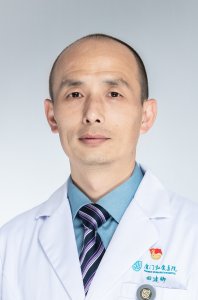
tian Jian Qing

26 años de experiencia

El Dr. Tian Jian Qing es director de Endocrinología y experto sénior en terapéutica endocrina y metabólica. Cuenta con más de 20 años de experiencia clínica. Anteriormente trabajó en el Hospital General del Mando Militar de Xinjiang y en el Hospital Renji de la Universidad Jiao Tong de Shanghái.

Ha publicado más de 20 artículos en revistas SCI y en revistas chinas de referencia. Es editor jefe de cuatro monografías y coeditor de otras cuatro. Ha elaborado más de 1.000 materiales de educación para la salud. Su enfoque clínico incluye trastornos endocrinos y metabólicos, disglicemia, dislipidemia e hipertensión. También trata trastornos del peso, enfermedades tiroideas y óseas, el síndrome de la menopausia, el síndrome de ovario poliquístico (SOP), y la diabetes gestacional y los trastornos tiroideos.

Ocupa cargos en el Consejo Permanente y en comités de la Asociación de Intercambio de Medicina y Salud a través del Estrecho de Fujian y de la Asociación de Atención Primaria de Fujian. Además, desempeña funciones en la Asociación Médica de Xiamen y en la Asociación de Médicos de Xiamen. Es vicepresidente de la Sección de Diabetes de la Asociación Médica de Xiamen.

Compartir contenido

Historias en video de pacientes de Bookimed

Dayana
Combiné mis vacaciones en Antalya con un chequeo médico.
Procedimiento: Chequeo femenino
Igor
¡Fue genial! Traslados, alojamiento, tratamiento, todo incluido.
Procedimiento: Implante dental
Clínica: WestDent Clinic
Marina
Bookimed se encargó de todo. No tuve que preocuparme por nada.
Procedimiento: Chequeo femenino
Actualizado: 05/27/2022
Escrito por
Olena Sikoza
Olena Sikoza
Сopywriter en español
Copywriter médica certificada responsable del contenido en español de Bookimed. Más de 7 años de experiencia en redacción sobre salud y turismo médico, con formación académica en edición científica y desarrollo de contenidos.
Fahad Mawlood
Editor médico y Científico de datos
Médico general. Ganador de 4 premios científicos. Sirvió en Asia Occidental. Es el ex jefe del equipo médico que soporta a pacientes de habla árabe. Ahora es responsable del procesamiento de datos y la precisión del contenido médico.
Fahad Mawlood Linkedin
Esta página puede incluir información relacionada con diversas afecciones médicas, tratamientos y servicios de salud disponibles en diferentes países. Tenga en cuenta que el contenido se proporciona sólo con fines informativos y no debe interpretarse como asesoramiento médico o orientación. Por favor consulte con su médico o con un profesional médico calificado antes de comenzar o cambiar el tratamiento médico.

Preguntas frecuentes sobre el tratamiento de Diabetes tipo 1 en China

Estas preguntas frecuentes provienen de pacientes reales que buscan atención médica a través de Bookimed. Las respuestas son proporcionadas por coordinadores médicos experimentados y representantes autorizados de las clínicas.

What is the stem-cell-based cure for Type 1 Diabetes being developed in China?

China is developing a chemical reprogramming technique that transforms a patient's own adult tissue cells into insulin-producing pancreatic islet cells. This breakthrough focuses on using small molecules to create pluripotent stem cells. These cells are then matured into 3D islet clusters and injected into abdominal muscle.

  • Cell source: Scientists extract adult fat cells directly from the patient's own body.
  • Reprogramming method: A proprietary chemical cocktail reverts tissue cells into flexible stem cells.
  • Injection site: Islets are placed in the abdomen for easier monitoring via MRI.
  • Immune benefit: Using autologous cells significantly reduces the risk of biological tissue rejection.

Bookimed Expert Insight: While these breakthroughs are monumental, patients should note that research remains concentrated in Beijing and Xiamen. Facilities like Yanda International Hospital serve millions of patients annually and maintain JCI accreditation for safety. Experts like Dr. Tian Jian Qing at Xiamen Humanity Hospital specialize in metabolic dysregulation. This expertise is vital for monitoring how lab-grown cells interact with a patient's existing endocrine system.

Patient Consensus: Patients emphasize treating this as an experimental strategy rather than a guaranteed permanent cure. Many advise asking specifically about the duration of insulin independence and potential immunosuppression needs.

Can international patients currently receive this stem-cell transplant on demand?

International patients cannot receive stem-cell transplants for Type 1 Diabetes on demand in China. Access requires thorough medical screening, institutional approval, and strict regulatory compliance. Procedures are limited to Class 3A level III hospitals. These academic centers mandate extensive laboratory testing and eligibility reviews before acceptance.

  • Clinic classification: Only Class 3A level III hospitals can legally perform advanced stem-cell infusions.
  • Regulatory screening: Institutional Review Boards (IRB) must approve every international case file individually.
  • Diagnostic requirements: Patients must provide C-peptide levels and antibody assessments for eligibility review.
  • Hospital capacity: Yanda International Hospital maintains 3,000 beds and follows Joint Commission International standards.

Bookimed Expert Insight: While small commercial clinics may promise quick access, legitimate treatment happens only at massive academic centers. Yanda International Hospital serves 2,500,000 patients annually and uses Class A level III protocols. This high volume means specific slots for international patients are limited. You should prioritize hospitals with Joint Commission International accreditation to ensure the cells meet global safety standards.

Patient Consensus: Patients note that these treatments are often experimental research protocols rather than standard commercial services. Many emphasize that a legitimate offer requires deep medical screening instead of a simple payment process.

Will a transplanted islet graft eventually be destroyed by the immune system?

Transplanted islet grafts are eventually destroyed by the immune system without lifelong medical intervention. Modern immunosuppressive protocols delay this process, but most grafts experience progressive decline. Clinical data indicates a 40% survival rate after 20 years. Recipients often require insulin long-term.

  • Innate response: Inflammation and clotting destroy 50% to 60% of islets within hours.
  • Alloimmune rejection: Recipient T cells identify donor islet tissue as foreign and attack.
  • Autoimmune recurrence: The body maintains memory cells that target new beta cells specifically.
  • Graft function: Residual cells often continue secreting insulin, which stabilizes blood sugar levels.

Bookimed Expert Insight: Patient volume and multidisciplinary support are key indicators of long-term graft management quality. Yanda International Hospital in Beijing serves 2,500,000 patients annually and holds JCI accreditation. Large Class A Level III centers often have the diagnostic infrastructure to monitor rejection markers more frequently than smaller clinics.

Patient Consensus: Patients note that successful transplants usually mean reducing insulin needs rather than achieving a permanent cure. Many emphasize that preserving the graft for as long as possible is a quality-of-life victory.

How do unproven stem-cell treatments or scams differ from legitimate clinics, and how can they be avoided?

Legitimate clinics differ from unproven stem-cell scams through strict regulatory oversight and evidence-based protocols. Authentic programs use therapies approved by agencies like the Joint Commission International (JCI). They focus on specific conditions rather than claiming universal cures. Avoiding scams requires verifying clinical trial registration and identifying hospital-based settings.

  • Regulatory approval: Legitimate clinics follow JCI standards or Class A Level III national protocols.
  • Scientific evidence: Valid treatments rely on peer-reviewed data instead of anecdotal celebrity testimonials.
  • Scientific scope: Scams market a single cell type as a cure for unrelated diseases.
  • Clinical registries: Verify all investigational procedures on official databases like ClinicalTrials.gov before booking.

Bookimed Expert Insight: High-authority Chinese hospitals like Yanda International combine international protocols with massive patient volumes. Yanda serves 2,500,000 people annually and maintains Class A Level III status. This scale often indicates a legitimate infrastructure that smaller, isolated clinics lacks. Contrast this with facilities that only market to international patients and lack national accreditation.

Patient Consensus: Patients warn that any promise to fully eliminate insulin is likely predatory marketing. Legitimate trials use heavy screening and cautious language focused on preserving remaining beta-cell function.

What does standard Type 1 Diabetes care look like in top-tier Chinese hospitals?

Standard care in top-tier Chinese hospitals focuses on inpatient stabilization and advanced insulin technology. Class 3A centers utilize continuous glucose monitoring and insulin pump therapy. They integrate Western endocrinology with traditional Chinese medicine. Hospitals like Yanda International Hospital offer JCI-accredited care for complex metabolic management.

  • Inpatient stabilization: Mandatory multi-day stays for blood sugar titration.
  • Technology integration: Routine use of continuous glucose monitors (CGM).
  • Integrative therapies: Traditional Chinese medicine manages vascular and nerve complications.
  • Digital platforms: Smartphone apps sync home monitoring data with specialists.
  • Regenerative trials: Access to stem cell research for functional remission.

Bookimed Expert Insight: While many local centers focus on basic insulin management, JCI-accredited facilities like Yanda International Hospital serve millions of patients yearly. These high-volume centers integrate traditional Chinese medicine specifically to treat diabetic neuropathy. This combination is a standard protocol often missing in Western clinics. Dr. Tian Jian Qing at Xiamen Humanity Hospital represents the caliber of specialists found in these institutions.

Patient Consensus: Patients note that major hospitals are much better equipped for initial diagnosis and insulin titration. They emphasize learning day-to-day management skills during the inpatient stay as follow-up care can be challenging elsewhere.

What is the HIM protocol being used for Type 1 Diabetes, and when is it appropriate?

The HIM protocol is an experimental cellular therapy combining islet cell neogenesis and mesenchymal stem cells to restore natural insulin production. It protects newly generated cells from autoimmune destruction. This approach aims for insulin independence without traditional immunosuppressive drugs during clinical trials in specialized centers.

  • Target mechanism: Uses mesenchymal stem cells to regulate immune responses and protect pancreatic islets.
  • Clinical goal: Achieve insulin independence by resuming natural insulin production through cellular regeneration.
  • Patient eligibility: Appropriate for brittle diabetes cases with severe glycemic variability or hypoglycemia unawareness.
  • Medical status: Strictly investigational and available only through authorized regenerative medicine clinical trials.

Bookimed Expert Insight: Focus on JCI-accredited Class A Level III hospitals in China like Yanda International Hospital. These institutions handle over 2,500,000 patients annually and maintain the highest clinical standards required for complex endocrinology. High patient volumes often correlate with deeper experience in managing inpatient insulin titration during novel treatments.

Patient Consensus: Patients emphasize that any protocol must provide reliable basal insulin coverage to avoid rapid ketosis. Many note that hospital supervision is critical when changing regimens to ensure safety and stability.

What role does Traditional Chinese Medicine (TCM) play in Type 1 Diabetes management?

Traditional Chinese Medicine (TCM) serves as a supportive therapy for Type 1 Diabetes. It cannot replace mandatory insulin injections. Leading Chinese hospitals use acupuncture and herbal formulas to manage complications. These methods aim to improve insulin sensitivity and reduce neuropathic pain alongside conventional protocols.

  • Supportive role: TCM manages symptoms like fatigue and digestive issues effectively.
  • Acupuncture therapy: Specialists use needles to stimulate circulation and ease nerve pain.
  • Herbal formulas: Formulas containing Astragalus or Rehmannia support immune and kidney health.
  • Insulin sensitivity: Specific herbs like Radix Ginseng may enhance response to injected insulin.
  • Stress reduction: Practices like Tai Chi help stabilize blood glucose by lowering stress.

Bookimed Expert Insight: While many seek TCM in China, the most effective results come from Class A level III hospitals like Yanda International Hospital. These top-tier facilities integrate traditional methods directly with JCI-accredited international safety protocols. This structured environment ensures that herbal treatments and acupuncture are monitored by Western-trained endocrinologists. This prevents dangerous interactions between herbs and insulin that might occur in smaller, unsupervised clinics.

Patient Consensus: Patients emphasize that insulin remains non-negotiable and warn against any claims of reversing the condition with herbs. Most find TCM helpful for improving sleep and comfort but recommend checking blood sugar more frequently when starting herbal regimens.

Pedir una consulta gratis

Seleccione la mejor manera de contactarle

