Diabetes tipo 1 en Corea del Sur: clínicas verificadas para su tratamiento


Revisado médicamente por
Fahad Mawlood
¿Cuál es el precio del diagnóstico y los tratamientos de Diabetes tipo 1 en Corea del Sur? Descubra ahora
| Corea del Sur | España | Turquía | |
|---|---|---|---|
| Tratamiento de la diabetes mellitus con células madre | ≈ $18,500 | ≈ $9,500 | de $7,400 |
Sus beneficios y garantías con Bookimed
Precios directos
Bookimed no añade cargos extra a los precios de los tratamientos de Diabetes tipo 1. Las tarifas proceden de las listas de precios oficiales de las clínicas. Pagará directamente en la clínica por su tratamiento a su llegada al país.
Sólo clínicas y médicos verificados
Bookimed está comprometido con su seguridad. Solo trabajamos con las clínicas que mantienen altos estándares internacionales en el tratamiento de Diabetes tipo 1 y cuentan con las licencias necesarias para atender a pacientes internacionales en todo el mundo.
Asistencia 24/7 gratuita
Bookimed ofrece asistencia experta gratuita. Un coordinador médico personal le apoya antes, durante y después de su tratamiento, resolviendo cualquier problema. Nunca estará solo en su viaje médico de tratamiento de Diabetes tipo 1.

Su coordinador médico personal de Bookimed
- Le apoya en cada etapa
- Ayuda a elegir la clínica y el médico adecuados
- Asegura un acceso rápido y conveniente a la información
Descubra las mejores clínicas de tratamiento de Diabetes tipo 1 en Corea del Sur: 2 opciones verificadas y Precios




Obtenga una evaluación médica para Diabetes tipo 1 en Corea del Sur: consulte con doctores experimentados ahora
Ver todos los médicos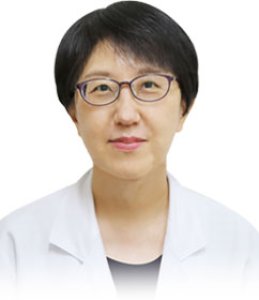
Kim Yeonsun
El Dr. Kim Yeonsun es endocrinólogo y jefe del Departamento de Endocrinología en el Hospital Naeun. Trata diabetes, enfermedades tiroideas, síndrome metabólico, colesterol alto, osteoporosis y otros trastornos endocrinos.
Obtuvo el título de médico en la Facultad de Medicina de la Universidad Nacional de Seúl. Completó la residencia en Medicina Interna en la Universidad de Gachon. Luego realizó una subespecialización clínica en Endocrinología en el Centro Médico Samsung.
Anterio
Compartir contenido
Historias en video de pacientes de Bookimed
 Olena Sikoza
Preguntas frecuentes sobre el tratamiento de Diabetes tipo 1 en Corea del Sur
¿Cubre el Seguro Nacional de Salud de Corea del Sur el tratamiento de diabetes tipo 1 para turistas médicos?
El Seguro Nacional de Salud de Corea del Sur no cubre el tratamiento de diabetes tipo 1 para turistas médicos. Este sistema sirve a los ciudadanos y residentes que permanecen más de 6 meses. Los visitantes pagan tarifas completas no subsidiadas por la insulina y las consultas. Los pacientes internacionales deben pagar todos los costos médicos de su bolsillo.
- Elegibilidad para el seguro: La elegibilidad requiere 6 meses de residencia y registro oficial.
- Costos de consulta: Las visitas a especialistas en clínicas de Seúl cuestan entre $36 y $109.
- Acceso a medicamentos: Las farmacias locales requieren una receta coreana para todos los tipos de insulina.
- Terapias avanzadas: Centros especializados como RE:YOUTH ofrecen tratamientos regenerativos con células madre arteriales.
Opinión de los expertos de Bookimed: Las terapias regenerativas avanzadas son cada vez más accesibles para enfermedades crónicas en Corea. RE:YOUTH atiende a aproximadamente 1,000 pacientes al año utilizando protocolos especializados de células madre arteriales. Aunque no existe la cobertura NHI tradicional, estas clínicas especializadas ofrecen atención de alta prioridad. A menudo limitan la ingesta diaria a 2 pacientes para una atención médica intensiva.
Consenso de los pacientes: Los pacientes señalan que, aunque el sistema nacional está cerrad
¿Cómo puedo renovar las recetas de insulina como Humalog o Lantus en Corea del Sur?
Para renovar Humalog o Lantus en Corea del Sur, debe obtener una nueva receta de un médico local. Las recetas extranjeras no son legalmente válidas en las farmacias coreanas. Visite primero un departamento de endocrinología en un hospital universitario o una clínica médica local para una consulta.
- Consulta en clínica: Visite una clínica de endocrinología local u hospital para recibir una receta coreana válida.
- Documentación requerida: Traiga su pasaporte, los frascos originales de la receta y una carta de su médico de cabecera.
- Ubicación de la farmacia: Compre la insulina en farmacias vinculadas a hospitales, ya que es posible que las pequeñas farmacias de barrio no la tengan en stock.
- Costos de bolsillo: Prepárese para pagar el precio completo si no tiene el Seguro Nacional de Salud de Corea.
Opinión de los expertos de Bookimed: Si bien las clínicas pequeñas pueden emitir recetas, es más seguro visitar redes integradas como el Hospital Universitario Soon Chun Hyang. Estos grandes centros cuentan con más de 100 médicos y departamentos multidisciplinarios. Están mejor equipados para manejar resúmenes médicos internacionales y asegurar la disponibilidad de marcas de insulina. Si las farmacias locales no tienen su marca específica, las farmacias hospitalarias en Seúl o Cheonan generalmente mantienen inventarios refrigerados más grandes.
¿Qué hospitales o clínicas en Seúl se especializan en el tratamiento de la diabetes tipo 1 y pueden comunicarse en inglés?
Los principales centros médicos de Seúl para la diabetes tipo 1 incluyen el Centro Médico Asan, el Hospital de la Universidad Nacional de Seúl y el Centro Médico Samsung. Estos hospitales terciarios acreditados por la JCI cuentan con coordinadores que hablan inglés. Se especializan en el manejo de bombas de insulina y endocrinología avanzada dentro de centros de salud internacionales dedicados.
- Experiencia en endocrinología: Departamentos especializados gestionan la estabilización de la glucosa y tecnología avanzada.
- Apoyo lingüístico: Los centros internacionales proporcionan personal dedicado que habla inglés para consultas.
- Herramientas diagnósticas: Las instalaciones ofrecen mediciones de la capa de fibras nerviosas de la retina para complicaciones.
- Volumen clínico: Grandes hospitales como Soon Chun Hyang atienden a miles de personas anualmente.
Perspectiva del experto de Bookimed: Corea ocupa el puesto 7 a nivel mundial en nuestros datos de turismo médico. Si bien los grandes hospitales universitarios son excelentes para la atención estándar, la clínica RE:YOUTH ofrece terapia especializada con células madre arteriales. Esta clínica limita la admisión a 2 pacientes al día, lo que garantiza un enfoque de alto nivel para casos crónicos complejos.
Consenso de los pacientes: Los pacientes destacan la importancia
¿Los dispositivos MCG y las bombas de insulina son reembolsados o debo pagar de mi bolsillo?
Los monitores continuos de glucosa (MCG) y las bombas de insulina en Corea del Sur generalmente están cubiertos por el Seguro Nacional de Salud. El reembolso generalmente cubre el 70% de los costos para pacientes con diabetes tipo 1. Los pacientes internacionales generalmente pagan de su bolsillo a menos que estén registrados en el sistema de salud nacional. La documentación y las recetas son obligatorias para todos los reclamos.
- Tasa de reembolso: El seguro nacional generalmente cubre el 70% de los costos para pacientes elegibles.
- Criterios de elegibilidad: La cobertura se aplica a pacientes con diabetes tipo 1 con receta médica.
- Materiales requeridos: Los pacientes deben presentar reclamos por sensores, transmisores y suministros para bombas de insulina.
- Dispositivos incluidos: La cobertura incluye la mayoría de las principales marcas de MCG y modelos calificados de bombas de insulina.
Perspectiva del experto de Bookimed: Mientras que los hospitales universitarios como Soon Chun Hyang gestionan las recetas de dispositivos estándar, las clínicas regenerativas como RE:YOUTH se centran en la terapia con células madre arteriales. Los pacientes deben tener en cuenta que los tratamientos especializados o las terapias experimentales a menudo quedan fuera de los protocolos de reembolso estándar. Siempre confirme si su vía hospitalaria específ
¿Cuánta insulina y otros suministros debo llevar, y qué reglas rigen el tránsito por la aduana coreana?
Los viajeros a la República de Corea pueden traer un suministro de insulina para 3 meses para uso personal. Debe llevar una carta del médico y las recetas originales. Informe a los oficiales de aduanas si lleva jeringas. Las cantidades mayores requieren la aprobación previa del Ministerio de Seguridad de Alimentos y Medicamentos.
- Límite de suministro: Importe hasta un suministro de 90 días sin permiso previo del Ministerio.
- Necesidades de documentación: Lleve una carta del médico en inglés que indique el diagnóstico y los medicamentos necesarios.
- Seguridad en el almacenamiento: Guarde toda la insulina en el equipaje de mano para evitar temperaturas de congelación.
- Regla de tránsito: Informe al personal de seguridad sobre bombas o MCG antes de pasar por los escáneres.
Perspectiva del experto de Bookimed: Aunque la mayoría de los viajeros traen suministros estándar, Corea del Sur es un centro para la medicina regenerativa avanzada. La clínica RE:YOUTH ofrece una terapia única con células madre arteriales para afecciones crónicas. Limitan la admisión a 2 pacientes al día para garantizar un enfoque de alto nivel. Este enfoque personalizado es poco común en hospitales más grandes como el Hospital Universitario Soon Chun Hyang.
Consenso de los pacientes: Los pacientes recomiendan empacar 3 veces el suministro esperado
¿Qué marcas de insulina, modelos de bombas y sistemas CGM específicos están disponibles en Corea del Sur?
Corea del Sur ofrece tecnología avanzada para la diabetes, incluidas las bombas locales EOPatch y Dana-i, junto con los sistemas globales Medtronic MiniMed. Los sensores Dexcom G6/G7 y Abbott FreeStyle Libre 2/3 están ampliamente disponibles. Los análogos de insulina más importantes, como NovoRapid, Humalog y Lantus, se encuentran en los hospitales universitarios.
- Bombas de insulina: Las marcas locales incluyen las bombas sin tubos EOPatch y los sistemas con tubos SOOIL Dana-i.
- Sistemas CGM: Los sensores Dexcom G6, G7, Abbott FreeStyle Libre y Medtronic Guardian son estándar.
- Marcas de insulina: Los análogos de Novo Nordisk, Eli Lilly y Sanofi están disponibles en las farmacias hospitalarias.
- Monitoreo local: El fabricante coreano i-SENS produce tecnología nacional de monitoreo de glucosa para pacientes locales.
Opinión experta de Bookimed: Si bien hay tecnologías avanzadas como la terapia con células madre disponibles en ciudades como Cheonan por entre 18,500 y 33,000 dólares, el manejo diario depende del inventario específico del hospital. Los principales hospitales universitarios, como el Soon Chun Hyang, cuentan con farmacias especializadas que ofrecen una gama mucho más amplia de marcas de insulina globales que las clínicas privadas más pequeñas.
Consenso de los pacientes: Los pacientes enfatizan que mantene
¿Ofrecen los centros de endocrinología coreanos programas de educación estructurados para pacientes recién diagnosticados con diabetes tipo 1?
Los centros de endocrinología coreanos ofrecen educación estructurada a través de equipos multidisciplinarios para pacientes recién diagnosticados con diabetes tipo 1. Programas como el plan de estudios T1DE se centran en el manejo intensivo. Enfermeros especialistas y dietistas dirigen estas sesiones en centros acreditados por la JCI. Cubren la terapia con insulina y la tecnología de monitorización continua de glucosa.
- Atención multidisciplinaria: Los equipos incluyen endocrinólogos, enfermeros especializados y dietistas certificados.
- Módulos clínicos: La formación cubre el conteo de carbohidratos, la titulación de insulina y el manejo de la hipoglucemia.
- Integración tecnológica: Los programas enseñan a los pacientes a interpretar los datos de los monitores continuos de glucosa.
- Alcance institucional: Los grandes hospitales universitarios generalmente ofrecen vías de diagnóstico más formales que las clínicas pequeñas.
Opinión del experto de Bookimed: El volumen de pacientes influye en la calidad de la educación en Corea del Sur. El Hospital Universitario Soon Chun Hyang opera cuatro centros importantes en todo el país. Dichos sistemas hospitalarios grandes suelen emplear educadores en diabetes dedicados. Estos especialistas ofrecen una formación individualizada más intensiva de lo que suelen hacer las clínicas privadas más pequeñas.