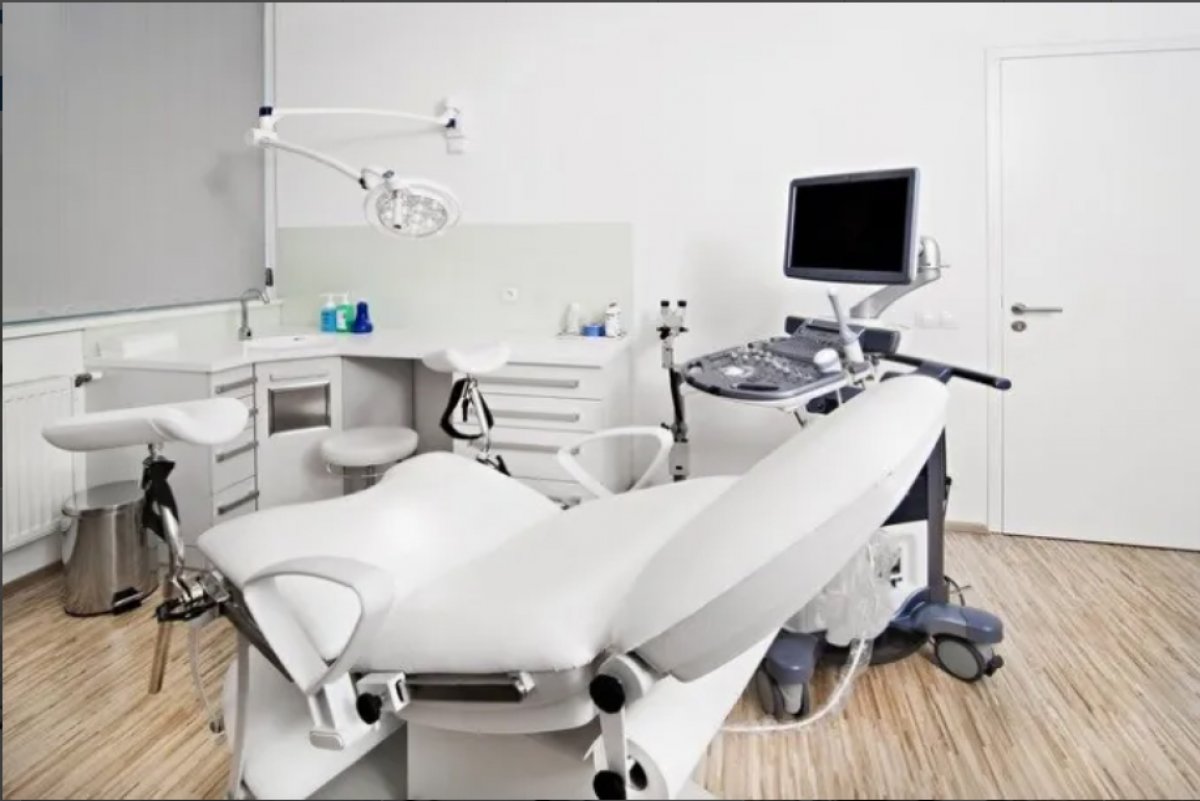
Premium Center of Gynecology and Obstetrics Neratovice
República Checa, Neratovice


Revisado médicamente por
Fahad Mawlood
La fecundación in vitro (FIV) en la República Checa suele costar entre $2,800 y $4,300. El precio final depende del protocolo específico, los requisitos de medicación y si se utilizan óvulos o embriones de donante. A modo de comparación, el precio medio en EE. UU. La mayoría de los centros en Praga y Brno incluyen ICSI y cultivo en sus paquetes estándar.
Perspectiva del experto de Bookimed: Elegir una clínica dentro de una red internacional proporciona una garantía de calidad única. El Centro Premium de Ginecología y Obstetricia de Neratovice forma parte de VAMED Mediterra. Este centro gestiona más de 1.600 operaciones y 1.000 nacimientos al año, cumpliendo con estrictas normas de seguridad europeas. Para los pacientes internacionales, la coordinación a través de agencias especializadas como el Prague Medical Institute garantiza una orientación paso a paso. Esto a menudo evita gastos de viaje inesperados durante la fase de estimulación.
| República Checa | España | Turquía | |
|---|---|---|---|
| Fecundación In Vitro (FIV) | ≈ $2,800 | de $6,000 | de $3,000 |
| Parto | de $2,200 | de $7,200 | de $2,100 |
| Inseminación artificial | ≈ $450 | de $700 | de $770 |
| FIV con selección de género | ≈ $4,200 | ≈ $7,800 | de $4,700 |
| Estimulación farmacológica para FIV | ≈ $1,100 | de $1,800 | de $950 |
Bookimed no añade cargos adicionales a los precios de Fecundación In Vitro (FIV). Las tarifas proceden de las listas de precios oficiales de las clínicas. Pagará directamente en la clínica por su Fecundación In Vitro (FIV) a su llegada al país.
Bookimed está comprometido con su seguridad. Solo trabajamos con las clínicas que mantienen altos estándares internacionales en Fecundación In Vitro (FIV) y tienen las licencias necesarias para atender a pacientes internacionales en todo el mundo.
Bookimed ofrece asistencia experta gratuita. Un coordinador médico personal le apoya antes, durante y después del tratamiento, resolviendo cualquier problema. Nunca estará solo en su viaje médico de Fecundación In Vitro (FIV).


Escrito por Ana Hurevska

Escrito por Veronika Kazina
 Olena Sikoza
El límite de edad legal máximo para una mujer que se somete a una FIV en la República Checa es de 49 años. Las pacientes deben completar la transferencia de embriones antes de cumplir 49 años. Este límite estricto se aplica a todos los tratamientos de fertilidad, incluidos aquellos que utilizan óvulos de donantes o embriones previamente congelados.
Perspectiva del experto de Bookimed: Clínicas como el Premium Center Neratovice ayudan a que nazcan más de 1.000 bebés al año, lo que refleja altas tasas de éxito dentro de estos límites legales. Aunque el límite es de 49 años, la mayoría de las pacientes internacionales comienzan el proceso al menos 6 meses antes. Esto garantiza que todos los obstáculos burocráticos y las pruebas se completen antes de la fecha límite legal.
Consenso de los pacientes: Los pacientes valoran la claridad de las normas de edad checas en comparación con otros países. Muchos e
Las mujeres solteras y las parejas del mismo sexo pueden acceder a tratamientos de FIV dependiendo de la legislación regional. En la República Checa, los marcos legales generalmente requieren una pareja masculina para la FIV. Sin embargo, las mujeres solteras a menudo encuentran opciones alternativas en países europeos vecinos como España o Dinamarca, que apoyan oficialmente estructuras familiares diversas.
Perspectiva del experto de Bookimed: Si bien la República Checa tiene un alto rango en turismo médico con más de 10,784 solicitudes atendidas, las leyes reproductivas siguen siendo tradicionales. Los pacientes que buscan construir familias diversas a menudo comparan las clínicas checas con los centros españoles por sus políticas legales más inclusivas. Si usted es una mujer soltera, clínicas como
Las tasas actuales de embarazo clínico en las clínicas de FIV checas oscilan entre el 35% y el 50% para ciclos con óvulos propios y entre el 55% y el 65% para programas de donación de óvulos. Estas cifras auditadas reflejan latidos fetales confirmados mediante ecografía. Los resultados varían según la edad materna, la calidad del embrión y el uso de pruebas genéticas preimplantacionales.
Perspectiva de expertos de Bookimed: Las clínicas checas como Reprofit a menudo muestran un mayor éxito en las transferencias de embriones congelados que en las frescas. Esta tendencia sugiere que la preparación del revestimiento uterino para los ciclos congelados puede ser superior a las transferencias inmediatas tras la estimulación. Los pacientes deben priorizar las clínicas que informan sobre los resultados por transferencia en luga
Las leyes de donación de óvulos y esperma en la República Checa exigen una donación de gametos estrictamente anónima. Los marcos legales designan a la mujer que da a luz como la madre legal, mientras que su pareja es reconocida como el padre. Los donantes no tienen derechos parentales ni obligaciones financieras hacia el niño.
Perspectiva del experto de Bookimed: Aunque el anonimato es estricto, el alto volumen de más de 1.000 niños nacidos anualmente en centros como el Premium Center of Gynecology and Obstetrics Neratovice demuestra la experiencia local. Los pacientes deben tener en cuenta que las clínicas checas a menudo controlan el proceso de emparejamiento de donantes internamente, priorizando la eficiencia clínica sobre la extensa selección basada en rasgos común en los Estados Unidos.
Consenso de los pacientes: Muchos sienten que el sistema proporciona una exce
Los donantes de gametos deben cumplir criterios estrictos de edad y salud para garantizar altas tasas de éxito y seguridad. Las donantes de óvulos generalmente tienen entre 18 y 35 años, mientras que los donantes de esperma son aceptados hasta los 40 años. El cribado incluye pruebas genéticas, paneles de enfermedades infecciosas y evaluaciones psicológicas para minimizar los riesgos médicos.
Perspectiva de expertos de Bookimed: La República Checa sigue los estándares europeos con un enfoque único en el volumen de donaciones anónimas. Con más de 10,700 solicitudes atendidas, las clínicas checas a menudo mantienen grupos de donantes más grandes que los países vecinos. Esto permite una compatibilidad más rápida sin la cuarentena de esperma de 6 meses que a menudo se requiere en otras jurisdicciones.
Consenso de los pacientes:
La selección de sexo y el equilibrio familiar están restringidos en la República Checa. La ley permite la selección de género solo para prevenir enfermedades genéticas graves ligadas al sexo. La selección electiva por preferencia personal sigue estando prohibida en las clínicas de fertilidad checas, aunque existen pruebas genéticas avanzadas para diagnósticos médicos.
Perspectiva del experto de Bookimed: Aunque la República Checa prohíbe la selección electiva, sigue siendo un destino principal para la FIV debido a sus menores costos. Para los pacientes cuyo objetivo principal es el equilibrio familiar, buscar clínicas en México o el norte de Chipre es una estrategia más eficaz.
Consenso de los pacientes:
Por lo general, las parejas no necesitan estar legalmente casadas para recibir tratamiento de FIV en la República Checa. Aunque las regulaciones varían según el centro, las clínicas suelen priorizar el consentimiento formal por escrito de ambos miembros de la pareja sobre el estado civil. Las parejas heterosexuales generalmente deben proporcionar una identificación válida y firmar acuerdos legales conjuntos de paternidad antes de comenzar los ciclos.
Perspectiva del experto de Bookimed: Aunque el matrimonio no es un mandato legal, los patrones de las clínicas en Praga muestran que el procesamiento del papeleo es más rápido para las parejas con acuerdos de relación notariados. Dado que la República Checa es uno de los 10 principales destinos mundiales con más de 10,700 solicitudes atendidas, clínicas como el Prague Med