Presupuesto para el proceso completo de FIV: China frente a EE. UU. y el Reino Unido
Un ciclo completo de FIV en China cuesta entre 7.200 y 13.800 dólares en las clínicas asociadas a Bookimed, según datos de Bookimed. Esto es aproximadamente un 40% menos que un ciclo comparable en EE. UU. (12.000–25.000 dólares) y cercano a los precios privados del Reino Unido (7.500–11.000 dólares). La verdadera diferencia se hace evidente al observar las partes individuales de un ciclo.
China frente a EE. UU. y el Reino Unido, por componente de costo
Analizar cada parte de la factura le dice más que un precio total. La congelación de embriones es donde la brecha es más amplia: 1.350–2.750 dólares en China frente a 10.500–20.000 dólares en EE. UU.
| Componente de costo | China | Estados Unidos | Reino Unido |
|---|
| Ciclo completo | 7.200–13.800 $ | 12.000–25.000 $ | 7.500–11.000 $ |
| Transferencia de embriones | 2.600–4.100 $ | 4.000–7.000 $ | 6.000–9.000 $ |
| Medicamentos de estimulación | 2.800–4.800 $ | 5.500–9.500 $ | 4.000–7.000 $ |
| Congelación de embriones | 1.350–2.750 $ | 10.500–20.000 $ | 4.000–7.000 $ |
Las pruebas genéticas de embriones para detectar aneuploidías, que cubren hasta 8 embriones, cuestan entre 3.200 y 6.200 dólares en las clínicas asociadas de China. Permiten analizar los embriones para asegurar el número correcto de cromosomas antes de la transferencia.
Presupuestar más de un ciclo
Planifique un presupuesto para todo el proceso, no para un solo intento. Más de la mitad de los pacientes que logran tener un bebé necesitan más de un ciclo. Las cifras basadas en la edad que se muestran a continuación explican por qué. Las clínicas asociadas en China suelen ofrecer paquetes integrales que incluyen el seguimiento y los medicamentos en el precio del ciclo. Esto hace que su gasto total de bolsillo sea más fácil de prever.
Tasas de éxito de la FIV por edad: lo que muestran los datos del registro chino
No confíe en una única tasa de éxito general. Compare los resultados de su grupo de edad. La edad determina el resultado más que cualquier otro factor. Un promedio nacional le dice poco sobre sus propias probabilidades.
Probabilidades de embarazo por edad
El registro nacional de FIV de China registra con qué frecuencia una transferencia de embriones conduce a un embarazo confirmado. La probabilidad es mayor para las pacientes más jóvenes:
- menores de 35 años – más del 57%;
- 35–37 años – más del 49%;
- 38–40 años – más del 37%;
- 41–42 años – más del 24%.
Dos estudios chinos muestran el mismo patrón. Uno analizó más de 7.300 ciclos en los que se descongelaron embriones y se colocaron en el útero. Las mujeres que quedaron embarazadas tenían 31 años en promedio, frente a 34 para aquellas que no lo lograron. El otro estudio analizó ciclos donde solo se colocó un único embrión. Allí, la probabilidad de embarazo alcanzó más del 64% en mujeres menores de 32 años, y más del 24% en aquellas mayores de 40.
Probabilidades de tener un bebé después de varios ciclos
El panorama mejora cuando se consideran varios ciclos en conjunto. En un estudio de más de 156.000 mujeres, solo alrededor del 29% tuvo un bebé después de un ciclo. Esa cifra aumenta a más del 54% después de tres ciclos y a más del 65% después de seis. Para mujeres menores de 40 años que utilizan sus propios óvulos, alcanza más del 68%.
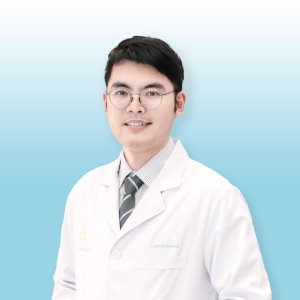
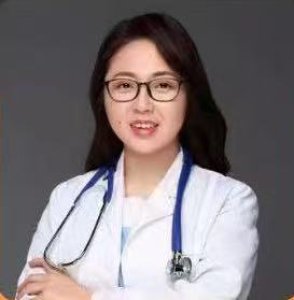
Pida a cualquier clínica dos números: su probabilidad tras una transferencia y su probabilidad tras varios ciclos. Un especialista en fertilidad puede decirle qué significa su edad para sus propias probabilidades. La red de Bookimed en China incluye al Dr. Chen Hong en el Hospital Tongji de Shanghái. Este endocrinólogo reproductivo trata el síndrome de ovario poliquístico, la insuficiencia ovárica precoz, los abortos espontáneos recurrentes y los casos de embriones que no logran implantarse.
Cómo le protegen las clínicas chinas: transferencia de embrión único y prevención del SHO
Dos decisiones determinan la seguridad de su tratamiento: cuántos embriones se colocan en el útero y cómo la clínica gestiona sus ovarios durante la estimulación. Las clínicas chinas modernas manejan ambos aspectos con las mismas herramientas utilizadas en EE. UU. y Europa.
El argumento de seguridad a favor de la transferencia de embrión único
Al transferir un solo embrión a la vez, mantiene la misma probabilidad de tener un bebé. También evita la mayor parte del riesgo asociado con los embarazos múltiples.
En mujeres chinas de 36 años o más, la transferencia de un solo embrión resultó en un nacimiento vivo para más del 74% de ellas. Dos embriones a la vez dieron un 63%. El grupo de embrión único simplemente utilizó un embrión congelado en un intento posterior cuando el primero falló.
Los partos de gemelos también fueron mucho menos comunes: 6,7% frente a 18,5%. Esto es importante, porque un embarazo gemelar aumenta el riesgo de parto prematuro y bajo peso al nacer para los bebés. Los principales organismos de fertilidad en EE. UU., Europa y el Reino Unido recomiendan limitar el número de embriones transferidos.
| Resultado | Transferencia única | Transferencia doble |
|---|
| Parto de gemelos | 6,7% | 18,5% |
| Parto prematuro | 14,6% | 31,9% |
| Bajo peso al nacer | 9,6% | 25,2% |
Prevención del SHO
El síndrome de hiperestimulación ovárica (SHO) es una reacción a los medicamentos de fertilidad. Más del 95% de las mujeres que pasan por la estimulación nunca lo desarrollan, y más del 99% evita la forma grave. La mayoría de los casos que ocurren son leves y, en gran medida, prevenibles.
Antes de la extracción de óvulos, recibe una última inyección hormonal que prepara los óvulos para ser recolectados. Esa misma hormona es la que puede hiperestimular los ovarios. Las clínicas pueden usar un medicamento diferente para esa inyección, lo que elimina la causa principal. También pueden congelar todos los embriones y retrasar la transferencia hasta que sus ovarios vuelvan a la normalidad.
Qué esperar: el proceso de FIV y la tecnología de laboratorio en China
La FIV en China sigue la misma secuencia que encontraría en su país. El laboratorio de embriología realiza gran parte del trabajo decisivo. Conocer los pasos le ayuda a planificar su tiempo y sus preguntas.
El ciclo de FIV paso a paso
- Estimulación ovárica con inyecciones hormonales diarias.
- Ecografías de seguimiento para controlar el crecimiento de los folículos.
- Extracción de óvulos bajo sedación ligera, un procedimiento ambulatorio breve.
- Fecundación en el laboratorio, o ICSI, donde se inyecta un solo espermatozoide en cada óvulo.
- Cultivo de embriones durante 3–5 días hasta la etapa de blastocisto.
- Transferencia de embriones al útero.
- Prueba de embarazo unas dos semanas después.
Dentro del laboratorio de embriología
El laboratorio fecunda sus óvulos, cultiva los embriones hasta la etapa de blastocisto y selecciona el más saludable para la transferencia. Los sistemas de cultivo con lapso de tiempo (time-lapse) permiten a los embriólogos observar el desarrollo sin perturbar los embriones. Las pruebas genéticas preimplantacionales están disponibles en centros chinos autorizados para indicaciones médicas como enfermedades hereditarias y afecciones cromosómicas.
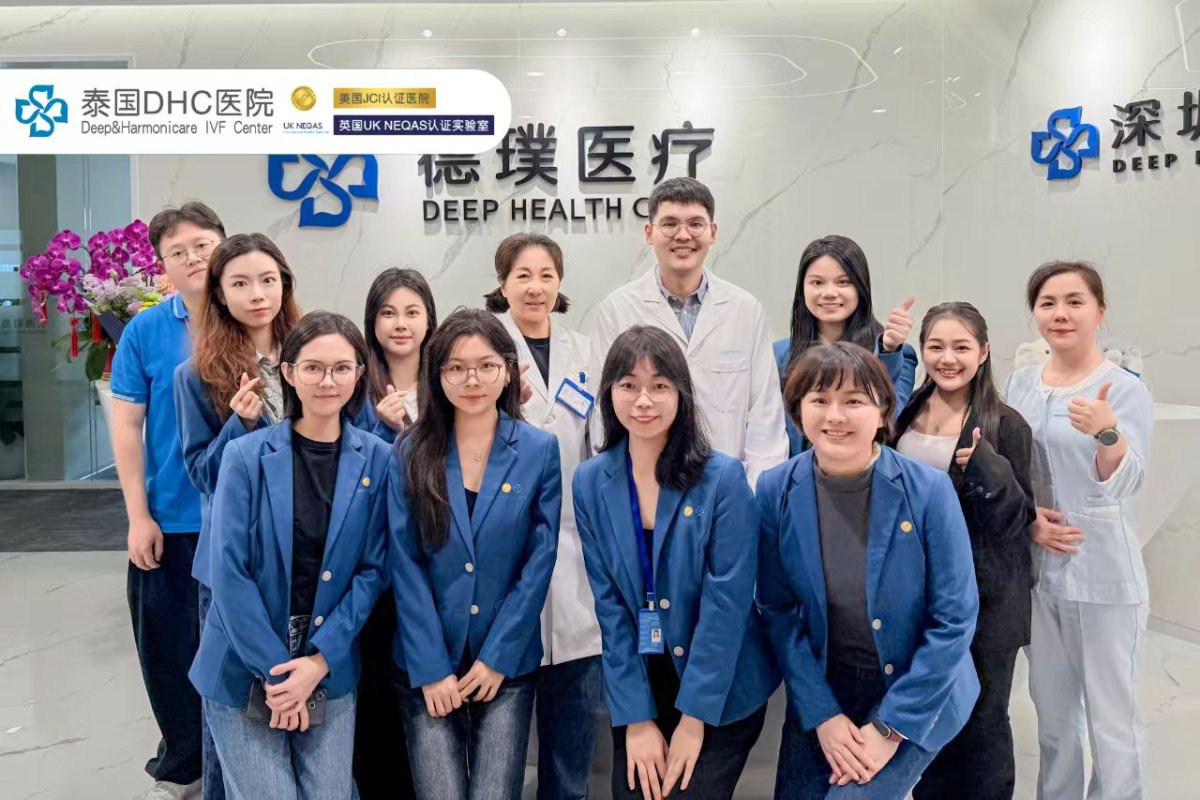
DHC IVF Shenzhen cuenta con laboratorios de embriología dedicados a FIV, ICSI, cribado de embriones y congelación de óvulos. Junto con el Hospital Internacional Yanda en Pekín, posee la acreditación JCI. Este es el estándar internacional líder en calidad hospitalaria y seguridad del paciente.
Planificación de su viaje: documentos, visado y tiempo en el país
Viajar para una FIV conlleva trámites que deben estar listos antes de volar. Gestionarlos con antelación mantiene su ventana de tratamiento dentro del cronograma.
Documentos que necesitará
- Pasaportes de ambos miembros de la pareja, con validez mucho más allá de las fechas de su viaje.
- Certificado de matrimonio oficial, traducido al chino, notariado y, a menudo, con apostilla.
- Carta de invitación hospitalaria o carta de cita de la clínica tratante.
China continental ofrece FIV a parejas legalmente casadas, por lo que el certificado de matrimonio autenticado es el punto de partida práctico para los pacientes extranjeros.
Visado y tiempo en el país
Los pacientes extranjeros suelen entrar con un visado médico de corta duración S2, que depende de esa carta de invitación del hospital. Planifique unas 2–4 semanas en el lugar para la estimulación, el seguimiento, la extracción de óvulos y la transferencia, no una sola visita. Muchos pacientes dividen esto en dos viajes: primero la extracción y congelación, y luego una transferencia de embriones congelados en una visita posterior.
Si necesita óvulos de donante o gestación subrogada, planifique otro país. China permite la donación de óvulos solo de mujeres que ya están en su propio ciclo de FIV, lo que significa largas esperas. La gestación subrogada no se ofrece en instalaciones autorizadas. Los programas de donantes de menor costo son más fáciles de organizar para FIV en Turquía o España.
Idioma y coordinación
Los hospitales públicos mejor valorados de China (Clase 3A) trabajan principalmente en mandarín, así que elija uno con un departamento internacional o un coordinador bilingüe. Shanghái es generalmente la ciudad más amigable con el inglés. Un coordinador de Bookimed puede organizar la carta de invitación, la programación y el traslado al aeropuerto.




 Fecundación In Vitro (FIV)