Tratamiento de Arteriopatía coronaria en Alemania — obtenga 3 coincidencias personalizadas de clínicas


Revisado médicamente por
Fahad Mawlood
Cómo funciona
¿Cuál es el precio del diagnóstico y los tratamientos de Arteriopatía coronaria en Alemania? Descubra ahora
El costo del tratamiento de la enfermedad de las arterias coronarias en Alemania está influenciado por la elección entre el manejo conservador y el quirúrgico. De $44,800. Los gastos totales dependen de la complejidad de la intervención y del nivel del hospital. Los pacientes suelen lograr ahorros del 40 al 80% en comparación con los EE. UU. Los principales destinos incluyen Hamburgo, Berlín y Solingen.
Costos típicos del tratamiento de la enfermedad de las arterias coronarias en Alemania
- Consulta con un cardiólogo: de $200
- Ecocardiograma: $120 – $230
- Análisis bioquímico de sangre: de $96
- ECG: $50 – $60
- Análisis extendido de sangre: de $150
- Cirugía de bypass coronario: de $44,800
- Contrapulsación externa mejorada (EECP): $1,800 – $3,500
Perspectiva de expertos de Bookimed: Los pacientes que requieren intervenciones complejas deben priorizar los hospitales académicos por su experiencia de alto volumen. El Centro Médico en Solingen es ideal para casos avanzados. Su equipo realiza hasta 4,000 procedimientos coronarios al año. Para los candidatos no quirúrgicos, el Hospital Asklepios St. Georg ofrece departamentos de cardiología de primer nivel reconocidos por la revista Focus. Aquellos que buscan servicios para pacientes internacionales encuentran un gran valor en el Hospital Asklepios Barmbek, clasificado a nivel mundial por la calidad en turismo médico.
| Alemania | España | Turquía | |
|---|---|---|---|
| Contrapulsación externa mejorada (CEM) | ≈ $1,800 | ≈ $1,500 | ≈ $1,100 |
| Cirugía de bypass coronario | de $44,800 | ≈ $25,000 | de $12,500 |
| Aféresis de LDL | ≈ $1,700 | ≈ $1,100 | ≈ $450 |
Descubra las mejores clínicas de tratamiento de Arteriopatía coronaria en Alemania: 36 opciones verificadas y Precios



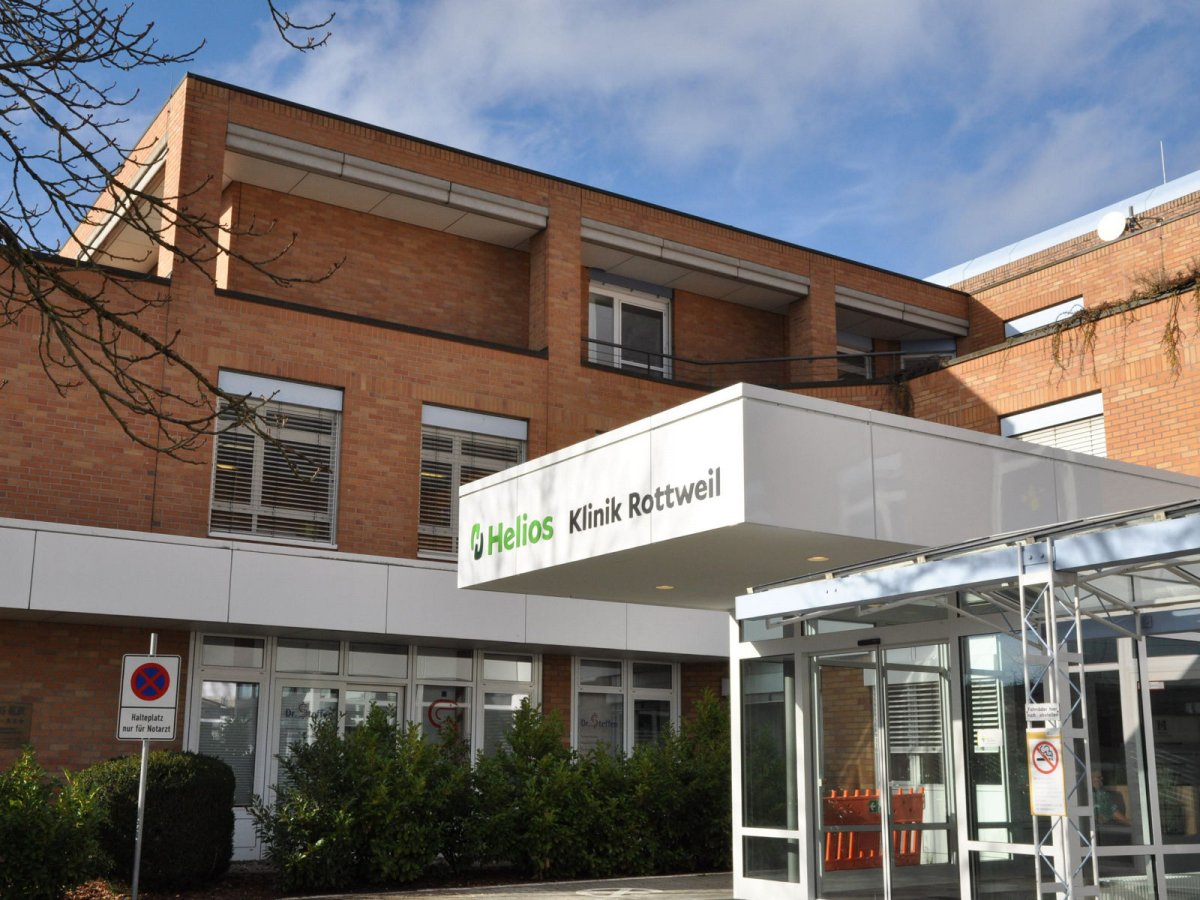




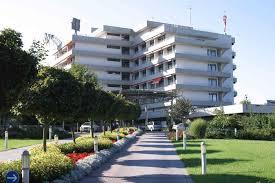
Heart Center Bad Krozingen
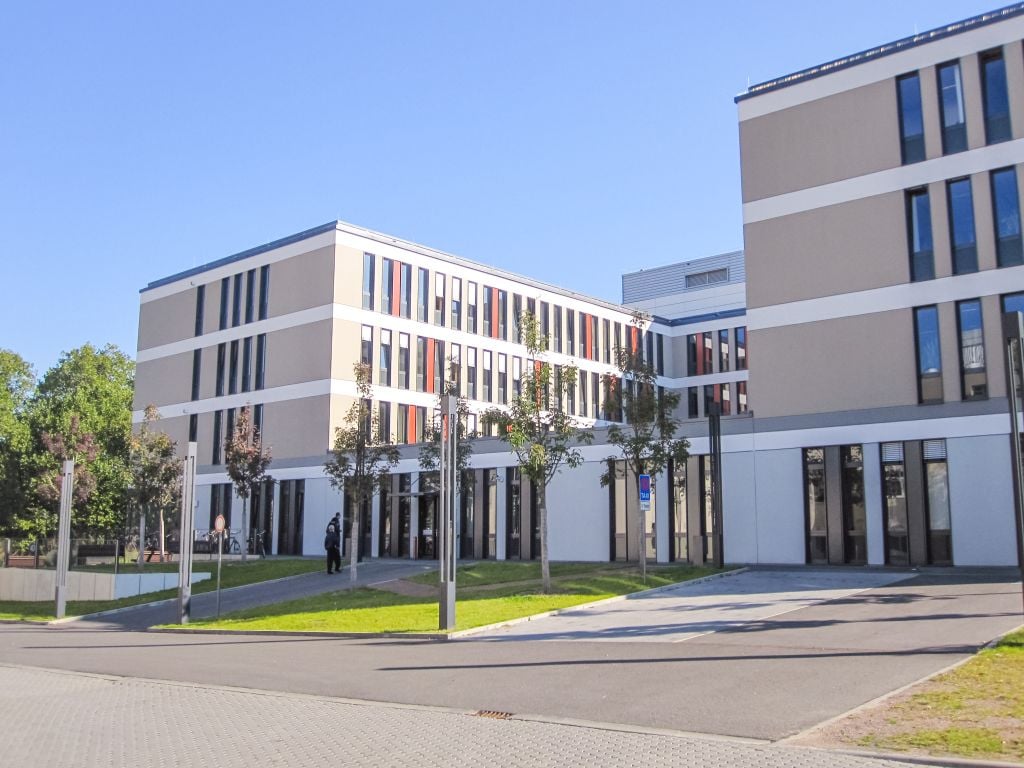

Hannover Medical School

District hospital Burghausen

St. Marienstift Clinic
Obtenga una evaluación médica de tratamiento de Arteriopatía coronaria en Alemania: haga una consulta con 9 médicos experimentados ahora
Ver todos los médicos
Marc Ulrich Becher
El Dr. Becher se especializa en intervenciones coronarias avanzadas en el Städtisches Klinikum Solingen, realizando entre 3,000 y 4,000 procedimientos diagnósticos y terapéuticos al año.
- Experto en imagen intravascular con IVUS y OCT
- Realiza recanalizaciones complejas de CTO y litotricia por ondas de choque
- Dirige la disponibilidad del laboratorio de cateterismo las 24 horas para síndromes coronarios agudos
- Colabora en procedimientos TAVR con hospitales universitarios
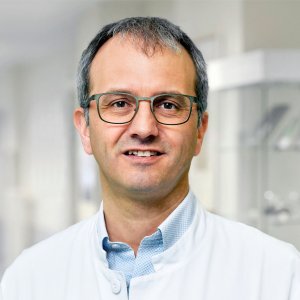
Armin Sause Chief Physician Of Cardiology And Cardiac Electrophysiology
El Dr. med. Armin Sause es el Jefe del Servicio de Cardiología y Ritmología del Hospital Universitario Helios de Wuppertal, un destacado centro cardiológico alemán. Bajo su liderazgo, el departamento se ha convertido en un centro especializado en ritmología y electrofisiología. El equipo utiliza tecnologías modernas y protocolos de tratamiento basados en la evidencia.
Su experiencia abarca la terapia de la fibrilación auricular, la ablación por catéter y por radiofrecuencia con mapeo 3
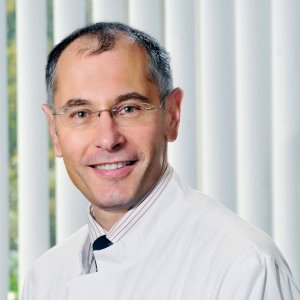
Melchior Seyfarth Director Of The Department Of Cardiology
Alexander Wolf
Compartir contenido
Historias en video de pacientes de Bookimed
 Olena Sikoza
Preguntas frecuentes sobre el tratamiento de Arteriopatía coronaria en Alemania
¿Cuáles son los principales métodos de tratamiento para la enfermedad de las arterias coronarias en las clínicas alemanas?
Las clínicas alemanas tratan la enfermedad de las arterias coronarias utilizando un enfoque escalonado. La atención estándar incluye el tratamiento médico, la intervención coronaria percutánea con colocación de stent y el injerto quirúrgico avanzado. Los centros especializados ofrecen técnicas de bypass como la cirugía a corazón latiendo y la asistencia robótica. Los programas de rehabilitación postoperatoria son fundamentales para la recuperación a largo plazo.
- Intervención mediante catéter: Los procedimientos utilizan balones liberadores de fármacos y colocación de stents con litotricia intravascular.
- Bypass quirúrgico: Las opciones incluyen CABG mínimamente invasiva y cirugía sin circulación extracorpórea para casos complejos.
- Diagnóstico avanzado: Las clínicas utilizan tomografía de coherencia óptica y ecocardiografía 3D para obtener imágenes precisas.
- Rehabilitación cardíaca: Los programas intensivos suelen durar 2 semanas para optimizar la función cardíaca.
Perspectiva del experto de Bookimed: Los centros cardíacos alemanes demuestran un alto grado de especialización en el manejo de calcificaciones complejas. Por ejemplo, el Centro Médico de Solingen mantiene una disponibilidad de cateterismo las 24 horas para intervenciones agudas. Su equipo integra ecografía intravascular con rotablación para limpiar arterias muy bloqueadas. Est
¿Qué hospitales alemanes son reconocidos internacionalmente por el tratamiento de la enfermedad coronaria?
Alemania cuenta con varios centros reconocidos internacionalmente para el tratamiento de la enfermedad coronaria. Entre las instalaciones líderes se encuentran el Centro Alemán del Corazón de Berlín y la Charité Universitätsmedizin Berlin. Estas instituciones mantienen altos rankings en cardiología. Clínicas especializadas como Asklepios St. Georg y el Medical Center Solingen también cuentan con certificación global.
- Asklepios St. Georg: Reconocido por la revista Focus como una instalación alemana líder en cardiología.
- Medical Center Solingen: Trata a más de 60,000 pacientes anualmente y realiza más de 4,000 procedimientos coronarios.
- Hospital Asklepios Barmbek: Centro con certificación ISO clasificado por su excelencia por la Medical Travel Quality Alliance.
- Centro Alemán del Corazón de Múnich: Reconocido por realizar aproximadamente 5,000 intervenciones basadas en catéter cada año.
Perspectiva del experto de Bookimed: El volumen de pacientes es un indicador importante de calidad en la cardiología alemana. Asklepios St. Georg y el Medical Center Solingen gestionan entre 60,000 y 87,000 pacientes al año. Los centros de alto volumen a menudo ofrecen tratamientos especializados como la aféresis de LDL o diagnósticos específicos. Esta amplia práctica generalmente conduce a altas tasas de éxito en colocación de stents complejos.
¿Es obligatoria la rehabilitación cardíaca estructurada después de una angioplastia o una cirugía de bypass en Alemania?
La rehabilitación cardíaca en Alemania es un derecho legal más que un requisito obligatorio. Los pacientes tienen un derecho garantizado a estos servicios bajo la ley alemana desde 1974. Las guías médicas recomiendan encarecidamente la participación después de una cirugía de bypass o una angioplastia compleja para mejorar las tasas de supervivencia a largo plazo.
- Derecho legal: La ley alemana garantiza el acceso a la rehabilitación de Fase II después de eventos cardíacos agudos.
- Cobertura de seguro: Los proveedores legales deben financiar programas de 3 semanas, ya sea hospitalarios o ambulatorios, para los pacientes elegibles.
- Recomendación clínica: Los cirujanos priorizan el inicio de la rehabilitación dentro de los 10 días posteriores al alta hospitalaria para los casos de bypass.
- Tendencias de participación: Aproximadamente el 51% de los pacientes elegibles con enfermedad de las arterias coronarias utilizan estas medidas de rehabilitación.
Perspectiva de expertos de Bookimed: Los datos clínicos de centros importantes como el Complejo Clínico de Renania del Norte-Westfalia, que alberga el Centro Cardíaco más grande de Alemania, sugieren que la rehabilitación a menudo se integra directamente en la ruta de recuperación. Aunque no es legalmente forzosa, las clínicas con grandes volúmenes de pacientes, como la Charité de Berlín, que trat
¿Qué registros médicos deben llevar los pacientes internacionales a los centros cardíacos alemanes?
Los pacientes internacionales deben proporcionar registros cardíacos de los últimos 6 a 12 meses en inglés o alemán. Los archivos esenciales incluyen angiografía coronaria (formato DICOM), ecocardiogramas y ECG de esfuerzo recientes. También necesita una lista de medicamentos escrita a máquina con nombres genéricos y dosis para garantizar transiciones clínicas seguras.
- Datos de imagen: Proporcione tomografías coronarias o resonancias magnéticas a través de USB o enlaces digitales seguros.
- Resultados de laboratorio: Incluya perfiles lipídicos, HbA1c y marcadores bioquímicos de menos de 3 meses de antigüedad.
- Registros de dispositivos: Lleve tarjetas de identificación de marcapasos, DAI o válvulas cardíacas artificiales si corresponde.
- Prueba financiera: Presente la confirmación de pago anticipado del 100% o una garantía de pago de un seguro internacional.
Perspectiva del experto de Bookimed: Los datos del complejo clínico de Renania del Norte-Westfalia muestran que es vital traer registros detallados de la marca y el tamaño del stent. Esta información ayuda a los cardiólogos intervencionistas como el Dr. Marc Ulrich Becher a planificar los procedimientos con precisión. La falta de estos detalles a menudo conduce a ecografías intravasculares redundantes que aumentan su factura hospitalaria final.
Consenso de los pacientes:<
¿Cuánto tiempo deben prever los pacientes internacionales permanecer en Alemania para un estudio cardíaco diagnóstico y una posible intervención?
Los pacientes internacionales suelen permanecer en Alemania de 1 a 14 días. Las pruebas cardíacas diagnósticas suelen llevar de 1 a 3 días. Las intervenciones mínimamente invasivas como la colocación de stents requieren de 3 a 7 días. Las cirugías cardíacas mayores suelen requerir 14 o más días en el país para una recuperación segura.
- Estudio diagnóstico: Un ECG básico y una ecocardiografía suelen llevar 1 día.
- Plazos de angiografía: Las angiografías coronarias suelen programarse dentro de las 48 horas posteriores a la llegada.
- Mínimamente invasivo: La implantación de stent o la angioplastia requieren de 2 a 4 días de hospitalización.
- Cirugía mayor: Los procedimientos de bypass (CABG) exigen al menos 14 días de seguimiento.
Opinión del experto de Bookimed: Elegir centros académicos de alto volumen puede acelerar significativamente su cronograma de diagnóstico. Por ejemplo, el Dr. Marc Ulrich Becher en el centro médico de Solingen realiza hasta 4,000 procedimientos coronarios al año. Este nivel de experiencia a menudo se traduce en transiciones de procedimiento más rápidas. Los pacientes en grandes centros pueden pasar a menudo del diagnóstico a la intervención en 24 horas.
Consenso de los pacientes: Muchos viajeros sugieren llegar con escaneos recientes para acelerar el proceso. A menudo recomiendan reservar un h
¿Qué hospitales en Alemania tienen las calificaciones más altas en neurocirugía?
Alemania alberga algunos de los departamentos de neurocirugía más prestigiosos del mundo, liderados por la Charité – Universitätsmedizin Berlin y el Hospital Universitario de Heidelberg. Estos centros destacan en el tratamiento de tumores cerebrales complejos y enfermedades cerebrovasculares. Para maximizar la eficacia de sus procedimientos, utilizan tecnologías de vanguardia como la resonancia magnética intraoperatoria y la neuronavegación asistida por computadora.
- Charité Berlín: Realiza más de 5000 cirugías al año. La clínica está dirigida por el reconocido neurocirujano Dr. Peter Vaikoczy.
- Centro Médico Solingen: El Dr. Ralf Buhl ha realizado más de 4.000 cirugías, incluidas cirugías de columna mínimamente invasivas.
- Clínica Asklepios Nord: equipada con el único sistema de resonancia magnética intraoperatoria bilateral de Alemania para garantizar precisión quirúrgica en tiempo real durante la extirpación del tumor.
- Clínica Nordwest: reconocida por la revista Newsweek como un hospital líder por su innovación en tecnología de ultrasonido 3D.
Opinión experta de Bookimed: Los datos muestran que elegir centros con un alto volumen quirúrgico suele llevar a recomendaciones de tratamiento más conservadoras. En el Centro Médico Solingen, que atiende a más de 60.000 pacientes al año, los cirujanos suelen sugerir fisioterapia en lugar de cirugía
¿Cuáles son las tasas de éxito de los procedimientos neuroquirúrgicos complejos en Alemania?
En Alemania, los procedimientos neuroquirúrgicos de alta complejidad demuestran una seguridad excepcional. Las tasas de éxito en las fusiones espinales alcanzan el 99 %. La tasa de supervivencia en las resecciones de tumores cerebrales primarios es del 97 %. La independencia funcional es alta. Más del 82 % de los pacientes reciben el alta inmediatamente después del tratamiento. Los centros alemanes priorizan la preservación de la función neurológica mediante técnicas modernas de mapeo.
- Resección de tumores: los cirujanos logran una resección tumoral completa en el 87,2% de los casos de metástasis cerebrales.
- Éxito en el tratamiento de enfermedades vasculares: los hospitales alemanes informan de una tasa de supervivencia del 98,7% para aneurismas no rotos.
- Mejora del estado neurológico: casi el 43% de los pacientes experimentan una mejora de los parámetros funcionales después de resecciones complejas.
- Seguridad de las intervenciones quirúrgicas: En grandes centros quirúrgicos, las tasas de supervivencia de los pacientes después de la cirugía de columna son del 98-99%.
Opinión experta de Bookimed: Cirujanos experimentados como el Dr. Uwe Köhler, de la Clínica Asklepios Altona, realizan más de 2000 cirugías al año. Los datos muestran que estos especialistas mantienen tasas de éxito de hasta el 90 %, incluso en los tumores cerebrales más comp
¿Qué tecnologías avanzadas suelen estar disponibles en las clínicas neuroquirúrgicas alemanas?
Las clínicas neuroquirúrgicas alemanas incorporan regularmente instrumentos digitales de alta precisión y visualización en tiempo real a la práctica quirúrgica. Entre las tecnologías clave se encuentra la neuronavegación computarizada para cirugías de cerebro y médula espinal. Instituciones como la Clínica Asklepios Nord utilizan la resonancia magnética intraoperatoria para verificar la extirpación de tumores en tiempo real. Estos sistemas proporcionan a los cirujanos navegación GPS 3D.
- Neuronavegación: proporciona visualización 3D y seguimiento de instrumentos en tiempo real para lograr precisión quirúrgica hasta el nivel submilimétrico.
- Imágenes intraoperatorias: sistemas como iMRI y O-arm CT permiten la confirmación inmediata de una resección exitosa.
- Neuromonitorización: Monitorea las funciones motoras y sensoriales durante la cirugía para proteger el sistema nervioso.
- Diagnóstico de fluorescencia: se utiliza el colorante 5-ALA para resaltar los bordes del tumor para una eliminación más completa.
- Asistencia robótica: Sistemas como el Da Vinci mejoran la precisión en procedimientos complejos y mínimamente invasivos.
Opinión experta de Bookimed: Grandes centros como la Charité – Universitätsmedizin de Berlín realizan más de 4000 procedimientos neuroquirúrgicos al año, lo que crea un entorno rico en datos para p
¿Qué formación especializada reciben los neurocirujanos en ejercicio en Alemania?
En Alemania, los neurocirujanos deben completar una residencia especializada de seis años tras graduarse de la facultad de medicina. Este programa estructurado incluye cuidados intensivos, práctica clínica y una revista quirúrgica obligatoria. Posteriormente, los candidatos aprueban un examen estatal para obtener el título de residente (Facharzt für Neurochirurgie).
- Residencia clínica: requiere de 48 a 72 meses de práctica neuroquirúrgica especializada.
- Cuidados intensivos: incluye una pasantía obligatoria de 6 meses en una unidad de cuidados intensivos neuroquirúrgicos.
- Revista quirúrgica: los cirujanos documentan cientos de cirugías, incluidas craneotomías y cirugías de columna.
- Examen de licencia: Los solicitantes deben aprobar un examen médico oral y práctico administrado por el estado.
Opinión experta de Bookimed: La formación neuroquirúrgica alemana se centra en una amplia experiencia quirúrgica. Por ejemplo, el Dr. Ralf Buhl, del Centro Médico Solingen, ha realizado más de 4000 cirugías. El Dr. Jürgen Kiwit, del Hospital Meoklinik, cuenta con más de 25 años de experiencia. Este riguroso sistema garantiza que los especialistas de los principales centros aborden casos complejos con una precisión demostrada.
Comentarios de los pacientes: Los pacientes se sienten seguros al saber que sus médicos han recibido año
¿Qué requisitos de idioma y de licencia se exigen a los cirujanos extranjeros que deseen formarse u observar procedimientos neuroquirúrgicos en Alemania?
Los neurocirujanos extranjeros deben cumplir estrictos requisitos de idioma y licencia para realizar formación o prácticas en Alemania. La formación requiere una licencia médica válida o un permiso temporal. Los internos deben obtener la autorización de un hospital específico. Ambas opciones requieren un alto nivel de alemán para participar en debates clínicos y realizar procedimientos quirúrgicos complejos con seguridad.
- Conocimientos de idiomas: Para la formación clínica se requiere un nivel general de alemán B2 y un nivel de lenguaje médico C1 (Fachsprachprüfung).
- Licencia clínica: Los cirujanos necesitan un permiso para la práctica permanente (Approbation) o un permiso profesional (Berufserlaubnis) para prácticas supervisadas temporales.
- Estado de observación: La hospitalización permite la observación de procedimientos quirúrgicos sin responsabilidad médica ni licencia formal.
- Evaluación de la cualificación: Los graduados médicos no pertenecientes a la UE a menudo tienen que pasar por un proceso de validación del diploma en un plazo de 3 a 6 meses.
Opinión experta de Bookimed: Las clínicas alemanas con un alto volumen de pacientes, como Nordwest Clinic o Asklepios Nord, suelen priorizar a los candidatos que ya han pasado una evaluación preliminar de la documentación. Nuestros datos muestran que profesores como el Dr. Uwe Köhler y el D