Hospital Lokman Hekim de Estambul (Lokman Hekim Istanbul Hospital)
Turquía, Estambul
Clínica certificada por : 



Revisado médicamente por
Fahad Mawlood
El costo del tratamiento de la enfermedad de las arterias coronarias en Turquía varía según los procedimientos específicos involucrados. Una angiografía coronaria por TC tiene un precio de 470 €, mientras que una angiografía coronaria tradicional cuesta 1.500 €. Para procedimientos más invasivos, los implantes de stent varían de 940 € a 2.350 €, y la cirugía abierta es aproximadamente 17.300 €. La cirugía de bypass coronario comienza en 6.100 €, con la adición de la reparación de la válvula mitral costando hasta 15.400 €. El plan de tratamiento se determina después de una evaluación exhaustiva por parte del equipo médico.
| España | Turquía | México | |
|---|---|---|---|
| Contrapulsación externa mejorada (CEM) | ≈ $1,500 | ≈ $1,100 | ≈ $1,800 |
| Cirugía de bypass coronario | ≈ $25,000 | de $12,500 | ≈ $19,000 |
| Aféresis de LDL | ≈ $1,100 | ≈ $450 | ≈ $1,100 |
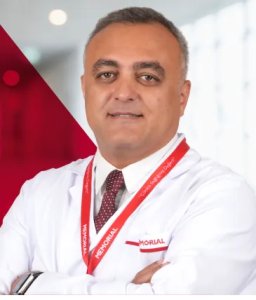
El Dr. Ulvi Gulmammadov es médico de chequeos en el Hospital Memorial Göztepe (2025–presente). Se graduó en la Facultad de Medicina de la Universidad de Estambul (2001–2008). Es miembro de la Asociación Médica Turca.
Trabaja en medicina preventiva y hospitalaria. Dedicó 6 años a la práctica de chequeos y medicina del trabajo en el Hospital Acıbadem Atakent (2014–2020). Se desempeñó como director médico en Focusmed Health Tourism durante 5 años (2020–2025). Trabajó como médico de planta

Realizó 4000 cirugías a corazón abierto – el Dr. Fedakar se especializa en bypass coronario y técnicas mínimamente invasivas en el Hisar Hospital Intercontinental.

El profesor Cemsit Karakurt se especializa en cardiología pediátrica en el complejo hospitalario Medical Park Antalya.

 Olena Sikoza
El tratamiento de la enfermedad de las arterias coronarias en Turquía se centra en la cardiología intervencionista y la cirugía cardíaca avanzada. Las opciones principales incluyen la colocación de stents liberadores de fármacos y la cirugía de bypass coronario. Los centros turcos utilizan técnicas asistidas por robot y cirugía a corazón latiendo. Estos enfoques mejoran la seguridad y aceleran los tiempos de recuperación del paciente.
Perspectiva de expertos de Bookimed: Los centros cardíacos turcos manejan volúmenes de pacientes excepcionalmente altos. El Anadolu Medical Center y el Memorial Sisli Hospital a menudo gestionan miles de casos cardíacos anualmente. Esta alta frecuencia permite a los cirujanos perfeccionar sus habilidades en la cirugía de bypass sin circulación extracorpórea. Elegir un cen
Los centros cardíacos turcos reportan altos estándares de seguridad para los tratamientos coronarios. La cirugía de bypass electiva mantiene una tasa de éxito del 98,5 % en instalaciones acreditadas. Los procedimientos de colocación de stents logran un éxito técnico en el 99 % de los casos. Estos resultados se alinean con los estándares internacionales establecidos por los registros de salud globales.
Perspectiva del experto de Bookimed: El volumen de pacientes se correlaciona directamente con la seguridad en Turquía. El Centro Médico Anadolu realiza más de 65.000 operaciones al año. Esta alta frecuencia ayuda a los equipos quirúrgicos a mantener una competencia técnica máxima. Tal volumen a menudo explica por qué las tasas de supervivencia locales superan los modelos de riesgo europeos estándar.
Consenso de los pacientes:
Los pacientes suelen volar de 3 a 10 días después de un procedimiento de stent coronario. La recuperación de un bypass coronario requiere al menos de 4 a 6 semanas antes de viajar en avión. Los plazos dependen del tipo de procedimiento. Su médico debe confirmar que la incisión quirúrgica esté completamente curada.
Perspectiva del experto de Bookimed: Los centros cardíacos turcos, como el Hospital Hisar Intercontinental, brindan seguimientos postoperatorios integrales. Muchas clínicas incluyen estos controles en sus paquetes quirúrgicos. Esto garantiza su seguridad antes de volar a casa. Los cirujanos a menudo requieren una ecografía final antes de emitir cartas de autorización de viaje.
Consenso de los pacientes: Los pacientes enfatizan la nece
El seguimiento postoperatorio de la enfermedad coronaria implica una coordinación estructurada entre los cirujanos turcos y los médicos locales. Los pacientes reciben un resumen de alta digital y un plan de medicación antes de partir. Los principales centros turcos facilitan el seguimiento mediante monitorización remota por telemedicina y transferencias seguras de registros médicos para garantizar la continuidad de la atención.
Opinión de expertos de Bookimed: Nuestros datos de centros de primer nivel como el Anadolu Medical Center muestran un enfoque en la integración digital. La mayoría de las clínicas acreditadas por la JCI en Estambul utilizan ahora portales basados en la nube. Estos sistemas permiten que su cardiólogo local vea los datos de
Los pacientes internacionales en centros cardíacos privados turcos suelen pasar de la teleconsulta a la intervención en un plazo de 7 a 10 días. La revisión de los historiales médicos por parte de especialistas suele tardar de 1 a 3 días. Los estudios diagnósticos y las cirugías se realizan sin listas de espera una vez que llega a Turquía.
Opinión de expertos de Bookimed: La rapidez es un factor diferenciador importante de los centros privados turcos en comparación con los sistemas públicos. Mientras que los hospitales públicos tienen esperas de 24 semanas, las clínicas privadas eliminan estos retrasos para los pacientes internacionales. Clínicas como el Anadolu Medical Center o el Hisar Intercontinental Hospital agilizan esto específicamente para casos cardíacos complejos.
Consenso de los pacientes: Los pacientes suelen mencionar la rapidez con la que pa
Anadolu Medical Center y Memorial Bahcelievler son hospitales turcos líderes en bypass coronario robótico y mínimamente invasivo. Estos centros acreditados por la JCI utilizan sistemas Da Vinci para cirugía robótica. Cirujanos especializados realizan los procedimientos a través de pequeñas incisiones. Esto evita los métodos tradicionales de apertura del tórax durante el tratamiento cardíaco.
Perspectiva del experto de Bookimed: Los datos de los pacientes muestran una preferencia por los centros de Estambul como Memorial Bahcelievler y Anadolu. Estos hospitales gestionan un gran volumen de casos cardíacos complejos. A menudo ofrecen paquetes más inclusivos que las clínicas regionales. Observamos que la satisfacción del paciente es mayor cuando los cirujanos tienen más de 20 años de experiencia. Cirujanos robóticos experimentados como el Dr. Burak Onan
Los candidatos ideales para una OPCAB totalmente arterial o sin tocar la aorta son pacientes con aorta calcificada o alto riesgo de accidente cerebrovascular. Los pacientes más jóvenes de menos de 60 años a menudo se benefician de injertos arteriales. Estas técnicas ofrecen una permeabilidad del injerto del 90% a los 15 años. La elegibilidad requiere tomografías computarizadas detalladas y angiografías coronarias.
Perspectiva del experto de Bookimed: Los centros cardíacos turcos atienden a más de 65.000 pacientes al año. El alto volumen permite a los cirujanos especializarse en técnicas anaórticas complejas. El Centro Médico Anadolu utiliza imágenes avanzadas para mapear los vasos antes de la cirugía. Esta precisión ayuda a los especialistas a decidir entre injertos de arteria radial o arteria mamaria.
Consenso de los pacientes: Los pacientes enfatizan la importancia de encontrar c