Cirugía de absceso perianal en Alemania: clínicas verificadas y sus precios


Revisado médicamente por
Fahad Mawlood
¿Cuál es el precio de Cirugía de absceso perianal en Alemania? Descubra ahora
El costo de la cirugía de absceso perianal en Alemania suele oscilar entre _price_from_ y _price_to_. Los precios varían según la clínica, la experiencia del cirujano y si el absceso es simple o complejo. UU.
Las clínicas alemanas suelen incluir la consulta inicial, análisis de sangre preoperatorios, medicación postoperatoria, visitas de seguimiento y atención 24/7. También es habitual contar con personal que habla inglés y comidas durante la estancia en la clínica. En EE. UU., el precio suele cubrir solo la cirugía, y los análisis, medicamentos y seguimientos se facturan por separado. Siempre confirmar exactamente qué está incluido con cada clínica.
Sus beneficios y garantías con Bookimed
Precios directos
Bookimed no añade cargos adicionales a los precios de Cirugía de absceso perianal. Las tarifas proceden de las listas de precios oficiales de las clínicas. Pagará directamente en la clínica por su Cirugía de absceso perianal a su llegada al país.
Sólo clínicas y médicos verificados
Bookimed está comprometido con su seguridad. Solo trabajamos con las clínicas que mantienen altos estándares internacionales en Cirugía de absceso perianal y tienen las licencias necesarias para atender a pacientes internacionales en todo el mundo.
Asistencia 24/7 gratuita
Bookimed ofrece asistencia experta gratuita. Un coordinador médico personal le apoya antes, durante y después del tratamiento, resolviendo cualquier problema. Nunca estará solo en su viaje médico de Cirugía de absceso perianal.

Su coordinador médico personal de Bookimed
- Le apoya en cada etapa
- Ayuda a elegir la clínica y el médico adecuados
- Asegura un acceso rápido y conveniente a la información
Descubra las mejores clínicas de Cirugía de absceso perianal en Alemania: 2 opciones verificadas y Precios



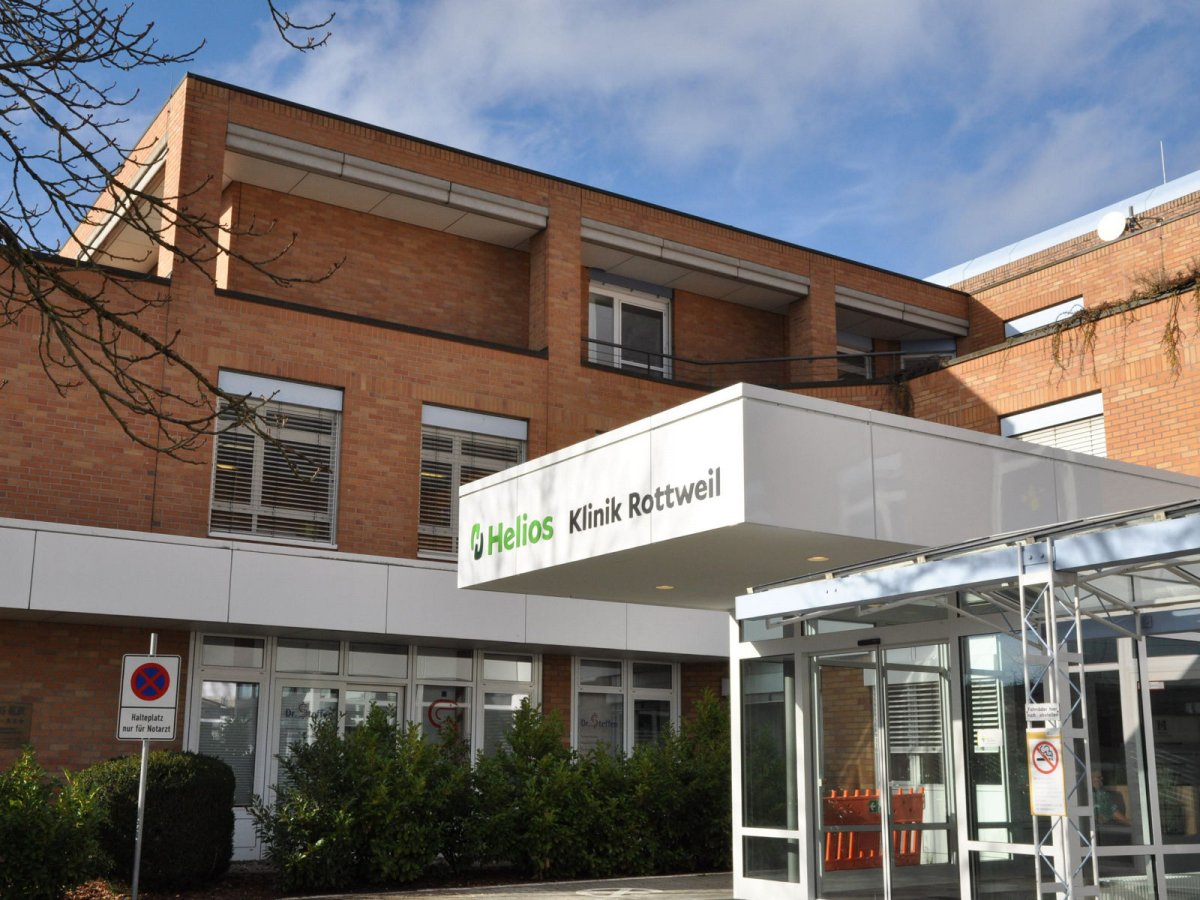

Descripción general de Cirugía de absceso perianal en Alemania
- Reparación de hernia umbilical - de $5,500La operación corrige un bulto cerca del ombligo, lo que reduce la incomodidad y previene complicaciones peligrosas.
- Resección de estómago - de $19,000El procedimiento consiste en extirpar parte del estómago para tratar afecciones como el cáncer, lo que brinda resultados potencialmente curativos.
- Amputación - de $25,000El procedimiento consiste en extirpar una parte del cuerpo para salvar vidas, aliviar el dolor o abordar el progreso de la enfermedad.
- Cirugía de hernia inguinal - de $7,300El procedimiento trata un bulto en el área de la ingle empujándolo hacia atrás y fortaleciendo la pared abdominal.
- Reparación de hernia de hiato - de $7,200El procedimiento repara las protuberancias del tejido abdominal a través del diafragma, mejorando la digestión y reduciendo las molestias.
- Colecistectomía - de $8,500La operación extirpa la vesícula biliar para tratar cálculos biliares, inflamación o cáncer con menos cicatrices y una recuperación más rápida.
- Cirugía - de $4,500El procedimiento consiste en corregir defectos corporales o enfermedades mediante operaciones manuales, generalmente bajo anestesia.
- Aterectomía - de $9,500El procedimiento elimina la placa en las arterias, mejora el flujo sanguíneo y reduce el riesgo de enfermedades cardíacas con una cirugía mínimamente invasiva.
- Depósito de Bookimed: 200 $ o 200 €.
- Depósito de la clínica: Pague un porcentaje fijo por adelantado.
Obtenga una evaluación médica para Cirugía de absceso perianal en Alemania: Elija su especialista entre los mejores en el campo
Ver todos los médicos
Lars Bönicke
Compartir contenido
Historias en video de pacientes de Bookimed
 Olena Sikoza
Preguntas frecuentes sobre Cirugía de absceso perianal en Alemania
¿Qué es un absceso perianal y cómo se trata en Alemania?
Un absceso perianal es una infección aguda que causa una acumulación de pus cerca del ano. En Alemania, los proctólogos especializados tratan esta afección siguiendo las directrices clínicas S3. El tratamiento principal es la incisión y el drenaje quirúrgicos realizados bajo anestesia general para aliviar la presión y prevenir la sepsis.
- Drenaje quirúrgico: Los cirujanos realizan incisiones precisas para drenar la infección y proporcionar un alivio inmediato del dolor.
- Detección de fístulas: Los médicos verifican si hay fístulas anales, que ocurren en el 30% al 50% de los casos de abscesos.
- Manejo de heridas: La curación abierta con taponamiento de gasa y cambios frecuentes de apósitos garantiza una recuperación tisular adecuada.
- Protocolo de medicación: Normalmente se administran antibióticos intravenosos antes de la cirugía a pacientes con una infección significativa.
Opinión de expertos de Bookimed: Los hospitales universitarios alemanes como Helios Wuppertal ofrecen la ventaja de integrar la proctología con la cirugía general. Nuestros datos muestran que estos centros gestionan más de 150,000 pacientes al año. Este alto volumen garantiza que cirujanos como el Dr. Lars Bönicke puedan identificar fístulas complejas durante el drenaje inicial, evitando a menudo la necesidad de cirugías repetidas más adelante.
Consenso de
¿Cuáles son los principales riesgos de la cirugía de absceso perianal?
Los riesgos de la cirugía de absceso perianal incluyen la formación de fístulas, que ocurre en el 30%-50% de los pacientes, y la recurrencia si el drenaje es incompleto. Si bien los cirujanos en centros alemanes como el Centro Médico de Solingen garantizan la seguridad, las complicaciones potenciales incluyen lesiones en el esfínter anal, incontinencia fecal y retraso en la cicatrización de heridas.
- Desarrollo de fístulas: Pueden formarse túneles crónicos entre el intestino y la piel después del drenaje quirúrgico inicial.
- Tasa de recurrencia: El absceso puede regresar si la herida se cierra antes de que el drenaje termine por completo.
- Riesgo de incontinencia: Posible pérdida temporal o permanente del control intestinal debido a la afectación del músculo esfínter.
- Cicatrización lenta: Los sitios quirúrgicos a menudo requieren semanas de cuidado especializado, taponamiento y cambios de apósitos.
Opinión de expertos de Bookimed: Los hospitales universitarios alemanes como Helios Wuppertal atienden a más de 150,000 pacientes al año porque priorizan los equipos de proctología multidisciplinarios. El éxito quirúrgico aquí a menudo depende del manejo postoperatorio de la herida abierta. Observamos los resultados más estables cuando los pacientes permanecen cerca de la clínica durante al menos 7 días. Esto permite que el personal de enfermerí
¿Qué tipo de anestesia se utiliza para la cirugía de abscesos en Alemania?
Los cirujanos alemanes utilizan anestesia local o general para la cirugía de abscesos, según la profundidad y la complejidad. Los abscesos pequeños y superficiales a menudo requieren inyecciones locales de lidocaína para el drenaje ambulatorio. Los abscesos perianales más grandes o profundos generalmente requieren anestesia general para permitir una exploración exhaustiva de las fístulas asociadas.
- Anestesia local: Se utiliza para abscesos simples y pequeños durante procedimientos de incisión y drenaje en consultorio.
- Anestesia general: Obligatoria para casos perianales profundos o cuando los cirujanos deben localizar fístulas ocultas.
- Técnica de inyección: Los cirujanos inyectan tejido sano circundante para garantizar la eficacia en áreas inflamadas y ácidas.
- Guía radiológica: Técnicas alternativas como el drenaje guiado por TC pueden evitar la necesidad de anestesia general completa.
Perspectiva de expertos de Bookimed: Los hospitales universitarios alemanes como Helios Wuppertal manejan casos complejos donde la cirugía general y la proctología se superponen. Nuestros datos muestran que los centros de alto volumen que tratan a más de 150,000 pacientes al año a menudo prefieren la anestesia general para los casos perianales. Esto permite que especialistas como el Dr. Lars Bönicke realicen búsquedas integrales de fístulas de manera segu
¿Cuánto tiempo tarda en sanar la herida?
La cicatrización de heridas después de una cirugía de absceso perianal en Alemania generalmente demora de 4 a 12 semanas para un cierre completo. Si bien la piel superficial a menudo cicatriza en 2 a 4 semanas, las cavidades de tejido más profundas requieren más tiempo para llenarse de adentro hacia afuera y así prevenir la recurrencia de la infección.
- Cierre inicial: Las pequeñas incisiones quirúrgicas a menudo muestran una curación externa significativa dentro de 2 a 4 semanas.
- Tejido profundo: Las cavidades de absceso más grandes pueden requerir curación diaria (mechas) durante 4 a 8 semanas.
- Remodelación completa: El fortalecimiento y la maduración completos del tejido pueden continuar hasta por 12 meses.
- Regreso al trabajo: La mayoría de los pacientes reanudan sus labores profesionales entre 7 y 14 días después del procedimiento.
Perspectiva de expertos de Bookimed: Las clínicas alemanas como el Hospital Universitario Helios de Wuppertal utilizan proctólogos especializados como Lars Bönicke para gestionar casos complejos. Los datos muestran que los tiempos de curación siguen siendo más predecibles cuando la cirugía se realiza en centros certificados. Estos centros priorizan la curación interna mediante protocolos de cuidado de heridas documentados para evitar el cierre prematuro de la superficie.
Consenso de los paci
¿Se puede realizar la cirugía de absceso perianal como un procedimiento ambulatorio en Alemania?
La cirugía de absceso perianal en Alemania se realiza con frecuencia como un procedimiento ambulatorio. Los cirujanos suelen utilizar técnicas de incisión y drenaje (I&D) bajo anestesia local como la lidocaína. La mayoría de los pacientes reciben el alta el mismo día, a menos que casos complejos requieran una breve monitorización hospitalaria en centros especializados.
- Tipo de procedimiento: La mayoría de los casos implican incisión y drenaje ambulatorios.
- Opciones de anestesia: Las clínicas utilizan lidocaína local o anestesia general de acción corta.
- Estancia hospitalaria: Los principales centros como Helios Wuppertal ofrecen el alta el mismo día.
- Periodo de recuperación: Los pacientes generalmente requieren de 2 a 4 semanas de baja laboral.
- Cuidados en el hogar: Los médicos recomiendan baños de asiento diarios para la cicatrización de la herida.
Opinión del experto de Bookimed: Las clínicas alemanas como el Medical Center en Solingen priorizan el drenaje inmediato bajo anestesia local. Este enfoque evita los tiempos de espera quirúrgicos y reduce los riesgos de sepsis. Si bien el drenaje inicial es un procedimiento ambulatorio, las cirugías de fístulas posteriores requieren citas separadas bajo anestesia general.
Consenso de los pacientes: Muchos pacientes aprecian el acceso rápido al
¿Qué debo esperar después de la operación?
Después de la cirugía de absceso perianal en Alemania, despertará en una sala de recuperación para el monitoreo de signos vitales. Debe esperar una herida abierta que requiere cambios diarios de apósitos y una higiene meticulosa después de las deposiciones. La mayoría de los pacientes regresan a actividades ligeras después de 1 semana.
- Manejo de heridas: Espere cambios diarios de apósitos y mechas durante al menos 1 semana.
- Expectativas de drenaje: El drenaje normal de líquidos generalmente continúa durante 4 a 6 semanas.
- Higiene post-deposiciones: Use baños de asiento o duchas manuales después de cada deposición.
- Límites de actividad: Evite levantar más de 4.5 kg y planee 3 semanas de descanso.
Opinión del experto de Bookimed: Mientras que muchos países utilizan incisiones cerradas, los hospitales universitarios alemanes como Helios Wuppertal a menudo utilizan la cicatrización por segunda intención (herida abierta) para los abscesos. Este enfoque reduce significativamente las tasas de recurrencia. Asegúrese de que sus planes de viaje incluyan una estancia de 7 días para dominar las técnicas específicas de empaquetamiento requeridas por los proctólogos alemanes.
Consenso de los pacientes: Los pacientes encuentran el estrés mental del empaquetamiento diario de la herida más desafiante que el dolor físico. Los baño
¿Dónde puedo encontrar un cirujano cualificado para un absceso perianal en Alemania?
Los cirujanos cualificados para abscesos perianales en Alemania suelen ser proctólogos o cirujanos viscerales certificados. Puede encontrar estos especialistas en centros médicos certificados como el Hospital Municipal de Solingen o el Hospital Universitario Helios de Wuppertal. Estas instituciones utilizan drenaje quirúrgico especializado y colocación de setones para prevenir recurrencias.
- Tipos de especialistas: Busque un Proktologe (proctólogo) o un Viszeralchirurg (cirujano visceral) para afecciones abdominales y anales.
- Estándares clínicos: Los mejores centros suelen contar con certificaciones de la Sociedad Alemana del Cáncer (DKG) o IASIOS por su excelencia quirúrgica.
- Enfoques de procedimiento: Los expertos proporcionan drenaje quirúrgico, procedimientos con lidocaína en consultorio o fistulotomías para casos complejos.
- Ubicaciones principales: Los principales centros quirúrgicos incluyen Múnich, Fráncfort, Düsseldorf y hospitales universitarios en Solingen.
Opinión del experto de Bookimed: Los hospitales universitarios de Alemania, como Helios Wuppertal, gestionan más de 150.000 pacientes al año. Este alto volumen a menudo conduce a mejores resultados para afecciones perianales. Los pacientes deben elegir cirujanos como el Dr. Lars Bönicke, que se especializan específicamente en proctología en lugar de cirugía general. Este enf
¿Qué hospitales en Alemania tienen las calificaciones más altas en neurocirugía?
Alemania alberga algunos de los departamentos de neurocirugía más prestigiosos del mundo, liderados por la Charité – Universitätsmedizin Berlin y el Hospital Universitario de Heidelberg. Estos centros destacan en el tratamiento de tumores cerebrales complejos y enfermedades cerebrovasculares. Para maximizar la eficacia de sus procedimientos, utilizan tecnologías de vanguardia como la resonancia magnética intraoperatoria y la neuronavegación asistida por computadora.
- Charité Berlín: Realiza más de 5000 cirugías al año. La clínica está dirigida por el reconocido neurocirujano Dr. Peter Vaikoczy.
- Centro Médico Solingen: El Dr. Ralf Buhl ha realizado más de 4.000 cirugías, incluidas cirugías de columna mínimamente invasivas.
- Clínica Asklepios Nord: equipada con el único sistema de resonancia magnética intraoperatoria bilateral de Alemania para garantizar precisión quirúrgica en tiempo real durante la extirpación del tumor.
- Clínica Nordwest: reconocida por la revista Newsweek como un hospital líder por su innovación en tecnología de ultrasonido 3D.
Opinión experta de Bookimed: Los datos muestran que elegir centros con un alto volumen quirúrgico suele llevar a recomendaciones de tratamiento más conservadoras. En el Centro Médico Solingen, que atiende a más de 60.000 pacientes al año, los cirujanos suelen sugerir fisioterapia en lugar de cirugía
¿Cuáles son las tasas de éxito de los procedimientos neuroquirúrgicos complejos en Alemania?
En Alemania, los procedimientos neuroquirúrgicos de alta complejidad demuestran una seguridad excepcional. Las tasas de éxito en las fusiones espinales alcanzan el 99 %. La tasa de supervivencia en las resecciones de tumores cerebrales primarios es del 97 %. La independencia funcional es alta. Más del 82 % de los pacientes reciben el alta inmediatamente después del tratamiento. Los centros alemanes priorizan la preservación de la función neurológica mediante técnicas modernas de mapeo.
- Resección de tumores: los cirujanos logran una resección tumoral completa en el 87,2% de los casos de metástasis cerebrales.
- Éxito en el tratamiento de enfermedades vasculares: los hospitales alemanes informan de una tasa de supervivencia del 98,7% para aneurismas no rotos.
- Mejora del estado neurológico: casi el 43% de los pacientes experimentan una mejora de los parámetros funcionales después de resecciones complejas.
- Seguridad de las intervenciones quirúrgicas: En grandes centros quirúrgicos, las tasas de supervivencia de los pacientes después de la cirugía de columna son del 98-99%.
Opinión experta de Bookimed: Cirujanos experimentados como el Dr. Uwe Köhler, de la Clínica Asklepios Altona, realizan más de 2000 cirugías al año. Los datos muestran que estos especialistas mantienen tasas de éxito de hasta el 90 %, incluso en los tumores cerebrales más comp
¿Qué tecnologías avanzadas suelen estar disponibles en las clínicas neuroquirúrgicas alemanas?
Las clínicas neuroquirúrgicas alemanas incorporan regularmente instrumentos digitales de alta precisión y visualización en tiempo real a la práctica quirúrgica. Entre las tecnologías clave se encuentra la neuronavegación computarizada para cirugías de cerebro y médula espinal. Instituciones como la Clínica Asklepios Nord utilizan la resonancia magnética intraoperatoria para verificar la extirpación de tumores en tiempo real. Estos sistemas proporcionan a los cirujanos navegación GPS 3D.
- Neuronavegación: proporciona visualización 3D y seguimiento de instrumentos en tiempo real para lograr precisión quirúrgica hasta el nivel submilimétrico.
- Imágenes intraoperatorias: sistemas como iMRI y O-arm CT permiten la confirmación inmediata de una resección exitosa.
- Neuromonitorización: Monitorea las funciones motoras y sensoriales durante la cirugía para proteger el sistema nervioso.
- Diagnóstico de fluorescencia: se utiliza el colorante 5-ALA para resaltar los bordes del tumor para una eliminación más completa.
- Asistencia robótica: Sistemas como el Da Vinci mejoran la precisión en procedimientos complejos y mínimamente invasivos.
Opinión experta de Bookimed: Grandes centros como la Charité – Universitätsmedizin de Berlín realizan más de 4000 procedimientos neuroquirúrgicos al año, lo que crea un entorno rico en datos para p