Reparación robótica de hernia umbilical en Alemania — obtén 3 clínicas con costos


Revisado médicamente por
Fahad Mawlood
¿Cuál es el precio de Reparación robótica de hernia umbilical en Alemania? Descubra ahora
El costo de la reparación robótica de hernia umbilical en Alemania suele oscilar entre $7,000 y $10,000. Los precios varían según la clínica, la experiencia del cirujano con sistemas robóticos y la complejidad de la hernia. UU.
Las clínicas alemanas suelen incluir la consulta inicial, análisis de sangre preoperatorios, medicación postoperatoria, visitas de seguimiento, personal que habla inglés y atención 24/7. También son habituales los planes de tratamiento personalizados y las comidas durante la estancia en la clínica. En EE. UU., el precio indicado normalmente solo cubre los honorarios del cirujano, con cargos adicionales por anestesia, hospitalización y atención de seguimiento. Siempre confirmar qué está incluido en la clínica elegida.
| Alemania | España | Turquía | |
|---|---|---|---|
| Reparación robótica de hernia umbilical | ≈ $7,000 | de $4,500 | ≈ $3,800 |
Sus beneficios y garantías con Bookimed
Precios directos
Bookimed no añade cargos adicionales a los precios de Reparación robótica de hernia umbilical. Las tarifas proceden de las listas de precios oficiales de las clínicas. Pagará directamente en la clínica por su Reparación robótica de hernia umbilical a su llegada al país.
Sólo clínicas y médicos verificados
Bookimed está comprometido con su seguridad. Solo trabajamos con las clínicas que mantienen altos estándares internacionales en Reparación robótica de hernia umbilical y tienen las licencias necesarias para atender a pacientes internacionales en todo el mundo.
Asistencia 24/7 gratuita
Bookimed ofrece asistencia experta gratuita. Un coordinador médico personal le apoya antes, durante y después del tratamiento, resolviendo cualquier problema. Nunca estará solo en su viaje médico de Reparación robótica de hernia umbilical.

Su coordinador médico personal de Bookimed
- Le apoya en cada etapa
- Ayuda a elegir la clínica y el médico adecuados
- Asegura un acceso rápido y conveniente a la información
Descubra las mejores clínicas de Reparación robótica de hernia umbilical en Alemania: 1 opciones verificadas y Precios
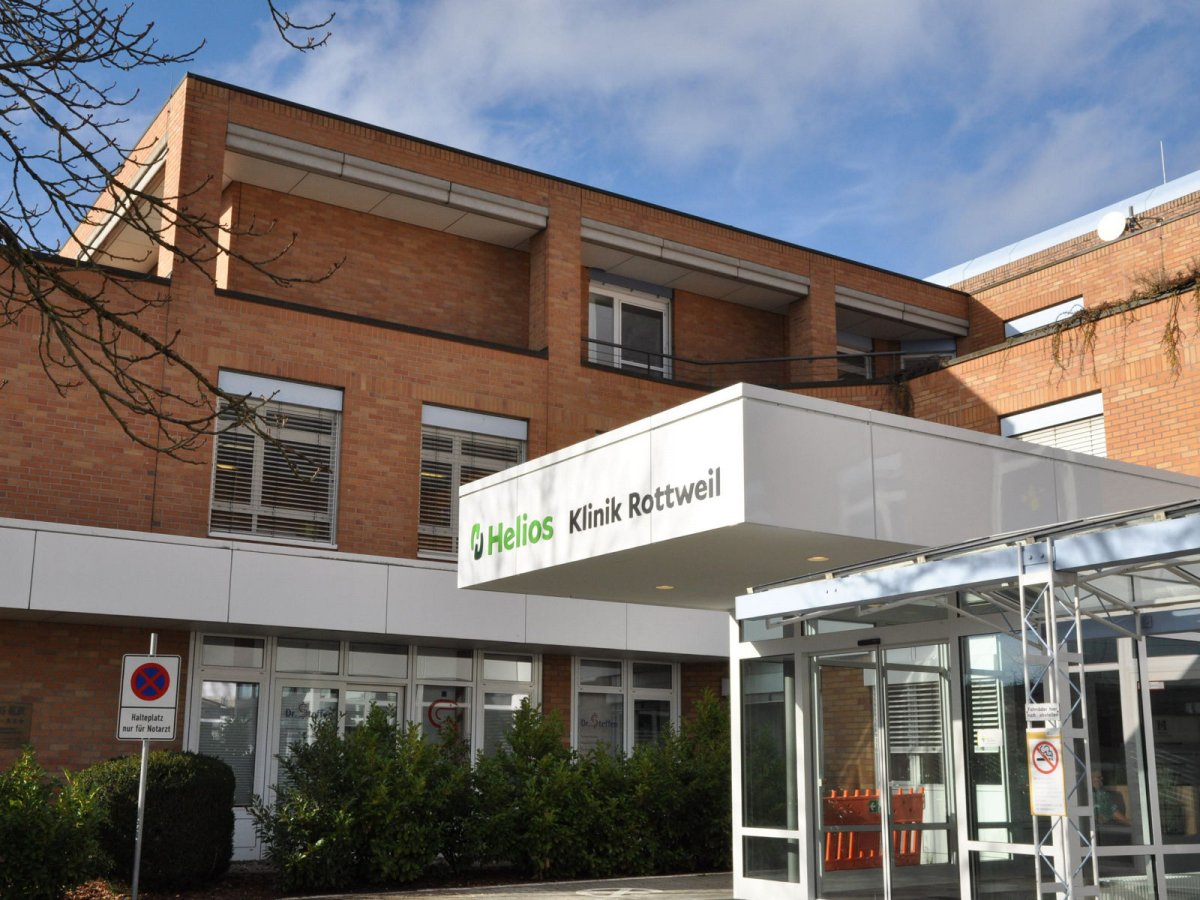



Descripción general de Reparación robótica de hernia umbilical en Alemania
- Depósito de Bookimed: 200 $ o 200 €.
- Depósito de la clínica: Pague un porcentaje fijo por adelantado.
Obtenga una evaluación médica para Reparación robótica de hernia umbilical en Alemania: Elija su especialista entre los mejores en el campo
Ver todos los médicos
Wolfgang Schröder
Historias en video de pacientes de Bookimed
Compartir contenido
 Olena Sikoza
Preguntas frecuentes sobre Reparación robótica de hernia umbilical en Alemania
¿Qué es la reparación robótica de hernia umbilical?
La reparación robótica de hernia umbilical es un procedimiento quirúrgico mínimamente invasivo que corrige las debilidades de la pared abdominal utilizando sistemas robóticos controlados por el cirujano. Actúa como una versión refinada de la cirugía laparoscópica. Los cirujanos utilizan imágenes 3D de alta definición e instrumentos articulados para colocar una malla sintética con extrema precisión.
- Enfoque quirúrgico: Los cirujanos realizan de 3 a 4 incisiones diminutas de menos de 0,5 pulgadas (1,25 cm) en el abdomen.
- Precisión robótica: El sistema DaVinci traduce los movimientos de la mano del cirujano en acciones instrumentales magnificadas y sin temblores.
- Colocación de la malla: Los profesionales aseguran una malla sintética internamente para reforzar la pared abdominal y prevenir la recurrencia.
- Beneficios clínicos: Los pacientes generalmente experimentan menos dolor posoperatorio, riesgos de infección reducidos y tiempos de recuperación más rápidos.
Perspectiva de expertos de Bookimed: Aunque los sistemas robóticos ofrecen una visión 3D superior, los hospitales universitarios alemanes como Helios Wuppertal a menudo reservan estos robots para casos complejos de reintervención. La tecnología destaca en la separación de mallas antiguas de los nervios en pacientes con cirugías previas fallidas. Para hernias estándar, muchos centros a
¿Qué tan segura y efectiva es la cirugía robótica en comparación con la reparación tradicional o laparoscópica de hernia umbilical?
La reparación robótica de hernia umbilical es una alternativa segura y altamente efectiva a la cirugía laparoscópica tradicional o abierta. Ofrece visualización 3D y destreza articulada para una precisión superior. Si bien proporciona resultados a largo plazo similares a la laparoscopia, generalmente garantiza menos dolor postoperatorio y una recuperación más rápida en comparación con las reparaciones abiertas.
- Precisión visual: La imagen 3D de alta definición permite a los cirujanos visualizar los nervios y las capas de tejido con claridad.
- Destreza mejorada: Los instrumentos robóticos articulados proporcionan un mayor rango de movimiento para suturas complejas.
- Trauma reducido: Las incisiones mínimamente invasivas resultan en menos infecciones de heridas que la cirugía abierta tradicional.
- Estancia hospitalaria: Algunas reparaciones robóticas conducen a estancias hospitalarias más cortas en comparación con las técnicas estándar.
Perspectiva del experto de Bookimed: Los hospitales universitarios alemanes como Helios Wuppertal tratan a 150,000 pacientes anualmente utilizando tecnología quirúrgica avanzada. Si bien los robots brindan precisión, los especialistas alemanes a menudo eligen el enfoque según el tamaño de la hernia. Los sistemas robóticos sobresalen en casos complejos donde la colocación precisa de la malla es crítica para el
¿Cuál es el tiempo de recuperación esperado y el proceso de curación después de una reparación robótica de hernia umbilical?
La reparación robótica de hernia umbilical en Alemania ofrece un camino rápido hacia la recuperación. La mayoría de los pacientes regresan a actividades ligeras en un plazo de 2 a 3 días. La curación completa de los tejidos suele tardar de 4 a 6 semanas. Las pequeñas incisiones de 1 centímetro minimizan el trauma muscular, reduciendo significativamente el dolor postoperatorio y el tiempo de recuperación.
- Movilización inmediata: Los pacientes generalmente caminan dentro de las 5 horas posteriores a su procedimiento.
- Cronograma laboral: Los profesionales que trabajan en oficina a menudo regresan al trabajo en 5 a 7 días.
- Límites de carga: Evite levantar más de 10 libras (aprox. 4.5 kg) durante las primeras 2 a 3 semanas.
- Actividad completa: El entrenamiento pesado en gimnasio o el trabajo físico se reanudan después de 6 a 8 semanas.
Perspectiva de expertos de Bookimed: Los hospitales universitarios alemanes como Helios Wuppertal priorizan la estabilidad a largo plazo de la pared abdominal sobre la velocidad. Aunque usted podría sentirse normal para la tercera semana, el núcleo tarda 12 meses en recuperar toda su fuerza. Cirujanos especializados como el Dr. Wolfgang Schröder utilizan la precisión robótica para asegurar que la colocación de la malla prevenga la recurrencia durante este año de curación.
Consenso de los pacient
¿Cuáles son los pasos y requisitos para programar una cirugía robótica de hernia umbilical en Alemania?
Para programar una reparación de hernia umbilical robótica en Alemania, los pacientes deben presentar registros médicos para su revisión por parte del cirujano y completar las imágenes de diagnóstico. La mayoría de las instalaciones alemanas que utilizan el sistema DaVinci dan prioridad a la oncología. Por lo tanto, los pacientes deben verificar que centros como el Hospital Universitario Helios de Wuppertal ofrezcan específicamente técnicas de hernia asistidas por robot.
- Envío de registros: Proporcione ecografías o tomografías computarizadas actuales para la evaluación de un cirujano especializado.
- Verificación especializada: Confirme que la clínica realice reparaciones de hernia de forma robótica, no solo laparoscópica.
- Exámenes preoperatorios: Sométase a análisis de sangre y evaluaciones físicas obligatorias 1 o 2 días antes de la cirugía.
- Estancia hospitalaria: Planifique un período de observación de 1 a 2 días en la mayoría de los departamentos quirúrgicos alemanes.
Perspectiva de expertos de Bookimed: Aunque muchos hospitales alemanes poseen robots DaVinci, a menudo los reservan para cirugías urológicas u oncológicas complejas. El Hospital Universitario Helios de Wuppertal atiende a 150.000 pacientes al año y cuenta con 28 departamentos especializados. Para garantizar la disponibilidad del robot para una hernia, pregunte específica
¿Dónde encontrar en Alemania centros especializados de renombre para la cirugía robótica de hernia umbilical?
En Alemania, los centros especializados en cirugía robótica de hernias operan en hospitales universitarios y clínicas certificadas, como el Hospital Universitario Helios de Wuppertal. En estas instituciones, se utiliza el sistema Da Vinci para la reconstrucción compleja de la pared abdominal. Muchos cirujanos destacados están certificados por la Sociedad Alemana de Herniología (DHG), lo que garantiza una alta calidad de tratamiento.
- Instituciones especializadas: El Hospital Universitario Helios de Wuppertal ofrece operaciones robóticas avanzadas para hernias de la pared abdominal.
- Cirujanos expertos: El Dr. Wolfgang Schröder de la clínica Helios de Wuppertal está especializado en cirugía oncológica y general.
- Métodos avanzados: Los centros priorizan métodos mínimamente invasivos, como el eTEP utilizando la plataforma Da Vinci.
- Estándares de calidad: La certificación DHG confirma que las clínicas cumplen con los estrictos protocolos alemanes y europeos para el tratamiento de hernias.
Opinión de expertos de Bookimed: Aunque muchas clínicas alemanas están equipadas con sistemas Da Vinci, a menudo los utilizan principalmente para oncología. El Hospital Universitario Helios de Wuppertal destaca por integrar tecnologías robóticas en la cirugía general. Esta institución atiende a 150.000 pacientes al año y cuenta con 28 departamentos especiali
¿Qué hospitales en Alemania tienen las calificaciones más altas en neurocirugía?
Alemania alberga algunos de los departamentos de neurocirugía más prestigiosos del mundo, liderados por la Charité – Universitätsmedizin Berlin y el Hospital Universitario de Heidelberg. Estos centros destacan en el tratamiento de tumores cerebrales complejos y enfermedades cerebrovasculares. Para maximizar la eficacia de sus procedimientos, utilizan tecnologías de vanguardia como la resonancia magnética intraoperatoria y la neuronavegación asistida por computadora.
- Charité Berlín: Realiza más de 5000 cirugías al año. La clínica está dirigida por el reconocido neurocirujano Dr. Peter Vaikoczy.
- Centro Médico Solingen: El Dr. Ralf Buhl ha realizado más de 4.000 cirugías, incluidas cirugías de columna mínimamente invasivas.
- Clínica Asklepios Nord: equipada con el único sistema de resonancia magnética intraoperatoria bilateral de Alemania para garantizar precisión quirúrgica en tiempo real durante la extirpación del tumor.
- Clínica Nordwest: reconocida por la revista Newsweek como un hospital líder por su innovación en tecnología de ultrasonido 3D.
Opinión experta de Bookimed: Los datos muestran que elegir centros con un alto volumen quirúrgico suele llevar a recomendaciones de tratamiento más conservadoras. En el Centro Médico Solingen, que atiende a más de 60.000 pacientes al año, los cirujanos suelen sugerir fisioterapia en lugar de cirugía
¿Cuáles son las tasas de éxito de los procedimientos neuroquirúrgicos complejos en Alemania?
En Alemania, los procedimientos neuroquirúrgicos de alta complejidad demuestran una seguridad excepcional. Las tasas de éxito en las fusiones espinales alcanzan el 99 %. La tasa de supervivencia en las resecciones de tumores cerebrales primarios es del 97 %. La independencia funcional es alta. Más del 82 % de los pacientes reciben el alta inmediatamente después del tratamiento. Los centros alemanes priorizan la preservación de la función neurológica mediante técnicas modernas de mapeo.
- Resección de tumores: los cirujanos logran una resección tumoral completa en el 87,2% de los casos de metástasis cerebrales.
- Éxito en el tratamiento de enfermedades vasculares: los hospitales alemanes informan de una tasa de supervivencia del 98,7% para aneurismas no rotos.
- Mejora del estado neurológico: casi el 43% de los pacientes experimentan una mejora de los parámetros funcionales después de resecciones complejas.
- Seguridad de las intervenciones quirúrgicas: En grandes centros quirúrgicos, las tasas de supervivencia de los pacientes después de la cirugía de columna son del 98-99%.
Opinión experta de Bookimed: Cirujanos experimentados como el Dr. Uwe Köhler, de la Clínica Asklepios Altona, realizan más de 2000 cirugías al año. Los datos muestran que estos especialistas mantienen tasas de éxito de hasta el 90 %, incluso en los tumores cerebrales más comp
¿Qué tecnologías avanzadas suelen estar disponibles en las clínicas neuroquirúrgicas alemanas?
Las clínicas neuroquirúrgicas alemanas incorporan regularmente instrumentos digitales de alta precisión y visualización en tiempo real a la práctica quirúrgica. Entre las tecnologías clave se encuentra la neuronavegación computarizada para cirugías de cerebro y médula espinal. Instituciones como la Clínica Asklepios Nord utilizan la resonancia magnética intraoperatoria para verificar la extirpación de tumores en tiempo real. Estos sistemas proporcionan a los cirujanos navegación GPS 3D.
- Neuronavegación: proporciona visualización 3D y seguimiento de instrumentos en tiempo real para lograr precisión quirúrgica hasta el nivel submilimétrico.
- Imágenes intraoperatorias: sistemas como iMRI y O-arm CT permiten la confirmación inmediata de una resección exitosa.
- Neuromonitorización: Monitorea las funciones motoras y sensoriales durante la cirugía para proteger el sistema nervioso.
- Diagnóstico de fluorescencia: se utiliza el colorante 5-ALA para resaltar los bordes del tumor para una eliminación más completa.
- Asistencia robótica: Sistemas como el Da Vinci mejoran la precisión en procedimientos complejos y mínimamente invasivos.
Opinión experta de Bookimed: Grandes centros como la Charité – Universitätsmedizin de Berlín realizan más de 4000 procedimientos neuroquirúrgicos al año, lo que crea un entorno rico en datos para p
¿Qué formación especializada reciben los neurocirujanos en ejercicio en Alemania?
En Alemania, los neurocirujanos deben completar una residencia especializada de seis años tras graduarse de la facultad de medicina. Este programa estructurado incluye cuidados intensivos, práctica clínica y una revista quirúrgica obligatoria. Posteriormente, los candidatos aprueban un examen estatal para obtener el título de residente (Facharzt für Neurochirurgie).
- Residencia clínica: requiere de 48 a 72 meses de práctica neuroquirúrgica especializada.
- Cuidados intensivos: incluye una pasantía obligatoria de 6 meses en una unidad de cuidados intensivos neuroquirúrgicos.
- Revista quirúrgica: los cirujanos documentan cientos de cirugías, incluidas craneotomías y cirugías de columna.
- Examen de licencia: Los solicitantes deben aprobar un examen médico oral y práctico administrado por el estado.
Opinión experta de Bookimed: La formación neuroquirúrgica alemana se centra en una amplia experiencia quirúrgica. Por ejemplo, el Dr. Ralf Buhl, del Centro Médico Solingen, ha realizado más de 4000 cirugías. El Dr. Jürgen Kiwit, del Hospital Meoklinik, cuenta con más de 25 años de experiencia. Este riguroso sistema garantiza que los especialistas de los principales centros aborden casos complejos con una precisión demostrada.
Comentarios de los pacientes: Los pacientes se sienten seguros al saber que sus médicos han recibido año
¿Qué requisitos de idioma y de licencia se exigen a los cirujanos extranjeros que deseen formarse u observar procedimientos neuroquirúrgicos en Alemania?
Los neurocirujanos extranjeros deben cumplir estrictos requisitos de idioma y licencia para realizar formación o prácticas en Alemania. La formación requiere una licencia médica válida o un permiso temporal. Los internos deben obtener la autorización de un hospital específico. Ambas opciones requieren un alto nivel de alemán para participar en debates clínicos y realizar procedimientos quirúrgicos complejos con seguridad.
- Conocimientos de idiomas: Para la formación clínica se requiere un nivel general de alemán B2 y un nivel de lenguaje médico C1 (Fachsprachprüfung).
- Licencia clínica: Los cirujanos necesitan un permiso para la práctica permanente (Approbation) o un permiso profesional (Berufserlaubnis) para prácticas supervisadas temporales.
- Estado de observación: La hospitalización permite la observación de procedimientos quirúrgicos sin responsabilidad médica ni licencia formal.
- Evaluación de la cualificación: Los graduados médicos no pertenecientes a la UE a menudo tienen que pasar por un proceso de validación del diploma en un plazo de 3 a 6 meses.
Opinión experta de Bookimed: Las clínicas alemanas con un alto volumen de pacientes, como Nordwest Clinic o Asklepios Nord, suelen priorizar a los candidatos que ya han pasado una evaluación preliminar de la documentación. Nuestros datos muestran que profesores como el Dr. Uwe Köhler y el D