Tratamiento de Meningioma en Israel — obtenga 3 coincidencias personalizadas de clínicas


Revisado médicamente por
Fahad Mawlood
Cómo funciona
¿Cuál es el precio del diagnóstico y los tratamientos de Meningioma en Israel? Descubra ahora
| Israel | España | Turquía | |
|---|---|---|---|
| TrueBeam | ≈ $12,000 | ≈ $12,000 | ≈ $7,500 |
| Radioterapia para el cáncer colorrectal | ≈ $14,000 | de $7,500 | de $5,000 |
| Halcyon | ≈ $14,000 | ≈ $6,500 | ≈ $9,500 |
| Gamma Knife | ≈ $14,000 | de $24,900 | de $5,500 |
| Eliminación de meningioma | ≈ $24,000 | de $27,800 | de $10,500 |
Descubra las mejores clínicas de tratamiento de Meningioma en Israel: 9 opciones verificadas y Precios











Soroka Medical Center
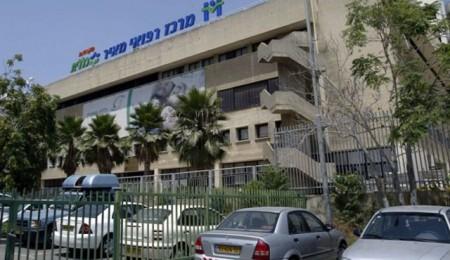
Meir Medical Center

Kaplan Medical Center

Shaare Zedek Medical Center

Elisha Hospital
Obtenga una evaluación médica de tratamiento de Meningioma en Israel: haga una consulta con 7 médicos experimentados ahora
Ver todos los médicos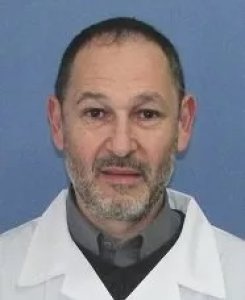
Zvi Cohen
El Prof. Zvi Cohen es director del Departamento de Neurocirugía y de la Unidad de Neurooncología del Centro Médico Sheba. Neurocirujano y experto en neurooncología, fue incluido en la lista de los Mejores Médicos 2025 de Forbes Israel. Lidera investigación clínica sobre terapias farmacológicas para tumores cerebrales malignos y fundó el banco de tejidos de tumores cerebrales de Sheba.
Es especialista certificado en neurocirugía. Se formó en la Universidad de Tel Aviv y realizó subespec
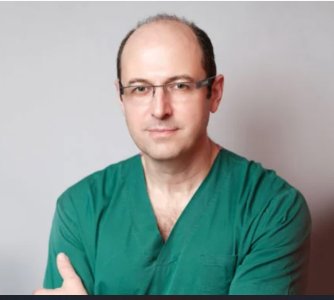
Yuri Goldes
El Dr. Yuri Goldes es cirujano general con más de 20 años de experiencia clínica. Se especializa en cirugía gastrointestinal alta y oncológica. Es subdirector del Departamento de Cirugía General y Trasplante del Centro Médico Sheba en Tel Aviv y dirige la Unidad de Cirugía Gastrointestinal Alta. En 2025 fue incluido en la lista de los Mejores Médicos de Forbes Israel. Está entre los mejores cirujanos gastrointestinales de Israel según Forbes. En 2019 recibió el premio “Médico del Año” del Min

Dvora Blumental
La Dra. Dvora Blumental dirige el Servicio de Neurooncología en el Centro Médico Sourasky, especializándose en el tratamiento de meningiomas con 30 años de experiencia enfocada.
- Formada en el Memorial Sloan-Kettering Cancer Center, uno de los mejores hospitales oncológicos del mundo
- Dirigió anteriormente el Servicio de Neurooncología en el Huntsman Cancer Institute
- Neurooncóloga senior desde 1998, con amplia experiencia en tumores cerebrales complejos
- Fellowship en neurooncología en el Memorial Sloan-Kettering

Zvi Ram
Dirige la Asociación Europea de Sociedades de Neurocirugía (EANS) y es reconocido como uno de los mejores neurocirujanos a nivel mundial.
- 37 años de experiencia en neurocirugía y neurooncología.
- Especialista en cirugía de tumores cerebrales y técnicas mínimamente invasivas.
- Experto en procedimientos neuroquirúrgicos con mapeo cerebral.
- Realiza investigaciones sobre nuevas técnicas quirúrgicas para el cáncer cerebral.
- Galardonado con el premio Goldhirsh Foundation por tratamientos neurológicos innovadores.
Compartir contenido
Historias en video de pacientes de Bookimed
 Olena Sikoza
Preguntas frecuentes sobre el tratamiento de Meningioma en Israel
¿Se puede curar completamente un meningioma?
La mayoría de los meningiomas son potencialmente curables, especialmente cuando se localizan en áreas que permiten una resección total macroscópica. Los centros oncológicos israelíes reportan una tasa de éxito promedio del 90% en tratamientos tumorales. La supervivencia alcanza el 95% a diez años para casos de grado 1 cuando los cirujanos logran una extirpación quirúrgica completa.
- Grado del tumor: Los tumores benignos de grado 1 tienen el mayor potencial de curación clínica tras su extirpación.
- Objetivo quirúrgico: La resección total macroscópica busca eliminar todo el tumor y las membranas adheridas.
- Navegación avanzada: Los especialistas utilizan mapeo cerebral y neurocirugía guiada por imagen para proteger nervios críticos.
- Apoyo de radiocirugía: CyberKnife o Gamma Knife controlan el 80–90% de los casos cuando quedan residuos.
- Monitoreo a largo plazo: Las resonancias magnéticas regulares aseguran la detección temprana de cualquier recurrencia tardía poco común.
Perspectiva del experto de Bookimed: La neurocirugía israelí destaca debido al volumen extremo de casos complejos manejados por especialistas individuales. En el Sourasky Medical Center, el Prof. Zvi Ram aporta más de 25 años de experiencia en mapeo cerebral y microcirugía. Este alto volumen es crítico porque los datos muestran que los cirujanos expe
¿Qué tecnologías quirúrgicas avanzadas se utilizan en Israel?
Israel utiliza sistemas robóticos como Da Vinci Xi y Mazor Robotics para neurocirugía de alta precisión. Centros especializados implementan Surgical Theater para la planificación de realidad virtual de 360 grados. La navegación intraoperatoria avanzada y el mapeo cerebral en tiempo real ayudan a los cirujanos a extirpar tumores mientras preservan las funciones críticas del habla y motoras.
- Sistemas robóticos: Da Vinci Xi y Mazor Robotics proporcionan precisión sin temblores para cirugías complejas.
- Imágenes intraoperatorias: El ultrasonido enfocado guiado por resonancia magnética permite tratamientos no invasivos en las profundidades del cerebro.
- Navegación digital: Surgical Theater crea reconstrucciones 3D para la guía y planificación neuroquirúrgica en tiempo real.
- Técnicas especializadas: El mapeo cerebral y la microcirugía son estándar en centros acreditados por la JCI como Sourasky.
Opinión de expertos de Bookimed: Los centros médicos israelíes demuestran una integración única de investigación y práctica que beneficia los casos complejos. Por ejemplo, el profesor Dr. Zvi Ram en el Centro Médico Sourasky (Ichilov) desarrolla activamente terapias basadas en genes mientras realiza operaciones neuroquirúrgicas avanzadas. Esto significa que los pacientes a menudo acceden a protocolos emergentes antes de que se conviertan en estándares g
¿Cuáles son las tasas de éxito de los procedimientos de meningioma en Israel?
Los procedimientos de meningioma en Israel mantienen una tasa de éxito del 95% en centros neuroquirúrgicos especializados. Instalaciones como el Sourasky Medical Center reportan tasas de supervivencia de hasta el 98% para la neurocirugía general. Los cirujanos especialistas utilizan la neuronavegación Brainlab y la tecnología Gamma Knife para garantizar un alto control del tumor y la seguridad del paciente.
- Tasa de éxito: Las principales instalaciones israelíes citan entre el 95% y el 98% para la resección de meningiomas.
- Precisión quirúrgica: La neuronavegación avanzada y la imagenología digital maximizan el grado de extirpación del tumor.
- Eficacia de la radiocirugía: Los tratamientos con Gamma Knife logran una tasa de control tumoral del 95% para casos inoperables.
- Seguridad ante complicaciones: Aproximadamente el 98% de los pacientes se someten a cirugía sin experimentar complicaciones médicas graves.
Perspectiva del experto de Bookimed: Aunque muchos se centran en la cirugía, Israel destaca por sus servicios de neurooncología de alto volumen. El Sourasky Medical Center por sí solo trata a más de 400,000 pacientes al año. El Prof. Dr. Zvi Ram aporta más de 25 años de experiencia en mapeo cerebral y terapias basadas en genes. Estos centros de alto volumen a menudo logran mejores resultados que las clínicas más pequeñas debido a equipo
¿Es siempre necesaria la cirugía para un meningioma?
La cirugía no siempre es necesaria para un meningioma. Muchos de estos tumores son benignos y crecen muy lentamente. Los médicos en Israel a menudo recomiendan la observación mediante escáneres de resonancia magnética (IRM) regulares si el tumor es pequeño. La intervención se reserva para tumores que causan síntomas o que muestran un crecimiento documentado durante el seguimiento.
- Vigilancia activa: Las resonancias magnéticas regulares monitorean los tumores pequeños y asintomáticos cada 6 a 12 meses.
- Opciones de radiocirugía: Gamma Knife o CyberKnife tratan tumores en áreas de difícil acceso sin incisiones.
- Indicaciones quirúrgicas: La cirugía es necesaria para tumores grandes, convulsiones o cambios en la visión y la audición.
- Grado del tumor: Los tumores benignos de grado 1 a menudo permiten un monitoreo a largo plazo en lugar de una cirugía.
Perspectiva de expertos de Bookimed: Los datos muestran una brecha de precios significativa entre las opciones no invasivas y las quirúrgicas en Israel. Mientras que una craneotomía puede costar hasta 44.500 $, la radiocirugía Gamma Knife está disponible por entre 13.800 $ y 19.200 $. Los pacientes con tumores cerca de estructuras críticas pueden ahorrar más de 10.000 $ al elegir radiación especializada si su neurocirujano confirma que es una alternativa segura a la cirugía tradicional.
<
¿Existen opciones de tratamiento no invasivas?
Los tratamientos no invasivos para el meningioma en Israel implican principalmente tecnologías de radiación avanzadas como Gamma Knife y CyberKnife. Estas opciones de radiocirugía estereotáctica (SRS) se dirigen a los tumores sin necesidad de incisiones. Son altamente efectivas para lesiones pequeñas de menos de 3 centímetros. La mayoría de los pacientes regresan a casa el mismo día del procedimiento.
- Radiocirugía estereotáctica: Administra radiación precisa de alta dosis para detener el crecimiento tumoral sin cirugía.
- Gamma Knife: Utiliza haces enfocados para tumores estables, logrando a menudo tasas de control del 90 %.
- Tecnología CyberKnife: Un sistema robótico que se ajusta al movimiento del paciente durante las sesiones de tratamiento.
- Vigilancia activa: Monitoreo regular mediante resonancia magnética cerebral con contraste para tumores asintomáticos de crecimiento lento.
Opinión de expertos de Bookimed: Aunque muchos pacientes buscan la radiocirugía por su naturaleza no invasiva, los centros israelíes como el Sourasky Medical Center (Ichilov) a menudo la prefieren específicamente para tumores cercanos a nervios críticos. Los datos muestran que para lesiones menores de 3 centímetros, la SRS proporciona una tasa de éxito del 95 % en la detención del crecimiento. Este enfoque evita los riesgos de la neurocirugía tradicional mientras
¿Cuánto tiempo debo permanecer en Israel para el tratamiento de un meningioma?
El tratamiento estándar del meningioma en Israel requiere de 10 a 14 días para la cirugía y la recuperación inicial. Los pacientes que se someten a una craneotomía permanecen de 5 a 7 días en el hospital. Los procedimientos no invasivos como Gamma Knife o CyberKnife generalmente permiten el alta el mismo día o un período de observación de 24 horas.
- Fase preoperatoria: Los diagnósticos como la resonancia magnética con contraste y el mapeo cerebral suelen llevar de 3 a 4 días.
- Período de hospitalización: La extirpación quirúrgica del tumor generalmente requiere de 5 a 10 noches para una monitorización neurológica estable.
- Cronograma de radiocirugía: Los tratamientos con Gamma Knife generalmente concluyen en una visita de 1 a 2 días.
- Autorización de viaje: Los neurocirujanos recomiendan esperar 14 días después de la cirugía para garantizar un viaje aéreo internacional seguro.
Perspectiva del experto de Bookimed: Aunque las pautas generales sugieren 2 semanas, el Centro Médico Sourasky y el Centro Médico Hadassah coordinan casos complejos que pueden requerir más tiempo. El Prof. Dr. Zvi Ram en Sourasky utiliza un mapeo cerebral avanzado que mejora la precisión quirúrgica. Nuestros datos muestran que los pacientes que eligen instalaciones privadas como Assuta a menudo se benefician de horarios de alta más flexibles. Esto ayuda a coordinar co
¿Puedo obtener una consulta en línea antes de viajar a Israel?
Puede recibir una consulta en línea para el tratamiento de meningiomas antes de viajar a Israel. Centros líderes como el Sourasky Medical Center y el Hadassah Medical Center utilizan plataformas de telemedicina para pacientes internacionales. Estas sesiones permiten a los neurocirujanos revisar las imágenes y discutir los planes quirúrgicos o de radiación de forma remota.
- Especialistas disponibles: Consulte con expertos como el Prof. Dr. Zvi Ram en el Sourasky Medical Center.
- Revisión diagnóstica: Los cirujanos evalúan escáneres de resonancia magnética y tomografía computarizada de alta resolución mediante transferencias digitales seguras.
- Opciones de tratamiento: Los especialistas discuten sobre CyberKnife, Gamma Knife o craneotomía durante la videollamada.
- Credenciales de las instalaciones: Las consultas se realizan en instituciones acreditadas por la JCI, clasificadas entre los mejores hospitales del mundo.
Perspectiva del experto de Bookimed: Los datos muestran que elegir un centro multidisciplinario como Sourasky, que atiende a más de 400.000 pacientes al año, garantiza el acceso a experiencia tanto quirúrgica como radiológica. Coordinar su visita virtual con un neurooncólogo como la Dra. Dvora Blumental proporciona una segunda opinión integral sobre tumores benignos o malignos. Este paso preliminar a menudo confirma si las técnica
¿Por qué Israel es uno de los principales destinos para la neurocirugía?
Israel es un centro líder en neurocirugía gracias a su combinación de avances médicos de alta tecnología y una experiencia quirúrgica de primer nivel. Instalaciones avanzadas como el Centro Médico Sheba utilizan sistemas de navegación basados en IA y resonancia magnética intraoperatoria en tiempo real. Centros especializados reportan una tasa de éxito del 98% en procedimientos complejos, como la craneotomía con el paciente despierto y el tratamiento de trastornos del movimiento.
- Tecnología avanzada: Las clínicas utilizan ultrasonido enfocado guiado por resonancia magnética (MRgFUS) y sistemas robóticos para realizar incisiones.
- Experiencia quirúrgica: Cirujanos como el Dr. Zvi Ram lideran asociaciones internacionales con más de 25 años de experiencia.
- Acceso rápido: Los pacientes internacionales generalmente pueden programar cirugías complejas de cerebro o columna en un plazo de 2 a 4 semanas.
- Atención médica acreditada: Grandes centros como Sourasky (Ichilov) y Assuta están acreditados por la JCI, lo que confirma su seguridad.
Opinión experta de Bookimed: Los datos muestran una clara diferencia entre las opciones de tratamiento públicas y privadas en Israel. Centros privados, como el Centro Médico Assuta, realizan más de 92.000 cirugías al año y permiten a los pacientes elegir a un cirujano líder específico. Esto supone una ventaja signi
¿Qué tipos de enfermedades neuroquirúrgicas se tratan en Israel?
Los neurocirujanos israelíes tratan una amplia gama de afecciones, desde tumores cerebrales y de médula espinal hasta trastornos funcionales complejos. Los centros especializados utilizan tecnologías de vanguardia, como el bisturí de rayos gamma, la estimulación cerebral profunda y la resonancia magnética intraoperatoria, para un diagnóstico altamente preciso de la epilepsia, la enfermedad de Parkinson y las patologías cerebrovasculares.
- Enfermedades oncológicas: tratamiento de gliomas, meningiomas y tumores hipofisarios mediante resección de la base del cráneo.
- Trastornos funcionales: tratamiento de la enfermedad de Parkinson y del temblor esencial mediante estimulación cerebral profunda.
- Patologías de columna: corrección de escoliosis, hernias discales y tumores espinales mediante sistemas robóticos.
- Tratamiento de las enfermedades cerebrovasculares: tratamiento quirúrgico de aneurismas cerebrales y malformaciones arteriovenosas mediante intervenciones endovasculares.
- Neurocirugía pediátrica: atención especializada en hidrocefalia y anomalías congénitas en centros pediátricos especializados.
Opinión experta de Bookimed: Los hospitales israelíes suelen combinar diversas especialidades para abordar casos complejos. En el Centro Médico Sourasky, neurocirujanos como el Dr. Zvi Lidar combinan neurocirugía y ortopedi
¿Qué hospitales en Israel son más conocidos por sus departamentos de neurocirugía?
Israel alberga centros neuroquirúrgicos de renombre mundial, como el Centro Médico Sourasky, el Centro Médico Sheba y el Centro Médico Hadassah. Estas instituciones son líderes mundiales en el tratamiento de tumores cerebrales complejos, enfermedades de la columna vertebral y trastornos del movimiento. Utilizan tecnologías de vanguardia como el bisturí de rayos gamma, sistemas robóticos y resonancia magnética intraoperatoria.
- Suraski (Ichilov): realiza más de 2.500 operaciones neuroquirúrgicas al año en Tel Aviv con una tasa de éxito del 98%.
- Centro Médico Sheba: clasificado entre los diez mejores hospitales del mundo, trata a 1,9 millones de pacientes al año.
- Centro Médico Hadassah: Nominado al Premio Nobel de la Paz. Líder en neurocirugía pediátrica y terapia génica.
- Centro Médico Assuta: el centro médico privado más grande de Israel. Especializado en cirugías mínimamente invasivas de columna y cerebro.
- Hospital Infantil Schneider: un centro líder en neurocirugía pediátrica que trata a 275.000 niños al año.
Opinión experta de Bookimed: Nuestros datos muestran que, si bien la mayoría de los pacientes buscan tratamiento en Tel Aviv, el Centro Médico Rambam en Haifa ofrece una atención única para neurotraumatismos. Cuenta con una unidad especializada en cuidados neurocríticos que atiende a aproximadamente un milló