CyberKnife en Turquía: las 24 mejores clínicas y sus precios


Revisado médicamente por
Fahad Mawlood
Cómo funciona
¿Cuál es el precio de CyberKnife en Turquía? Descubra ahora
El costo del tratamiento con CyberKnife en Turquía suele oscilar de $4,900 a $6,500. Los precios pueden variar según el número de sesiones, la ubicación del tumor, la clínica y la experiencia del oncólogo radioterapeuta. UU.
En Turquía, el precio generalmente incluye imágenes previas al tratamiento (resonancia magnética o tomografía computarizada), planificación del tratamiento, el curso completo de sesiones de CyberKnife, anestesia o sedación si es necesario y consultas de seguimiento. En EE. UU., los precios suelen incluir solo el procedimiento, cobrando por separado las imágenes, la planificación y el seguimiento. Siempre confirmar qué está incluido en el paquete antes de reservar.
| España | Turquía | México | |
|---|---|---|---|
| CyberKnife | de $14,800 | de $4,900 | ≈ $9,500 |
| CyberKnife para tumor cerebral | de $9,500 | de $5,000 | ≈ $9,500 |
| CyberKnife para el cáncer de pulmón | de $9,000 | de $6,300 | ≈ $9,000 |
| CyberKnife para el cáncer de próstata | de $14,600 | de $6,000 | ≈ $9,500 |
Descubra las mejores clínicas de CyberKnife en Turquía: 24 opciones verificadas y Precios











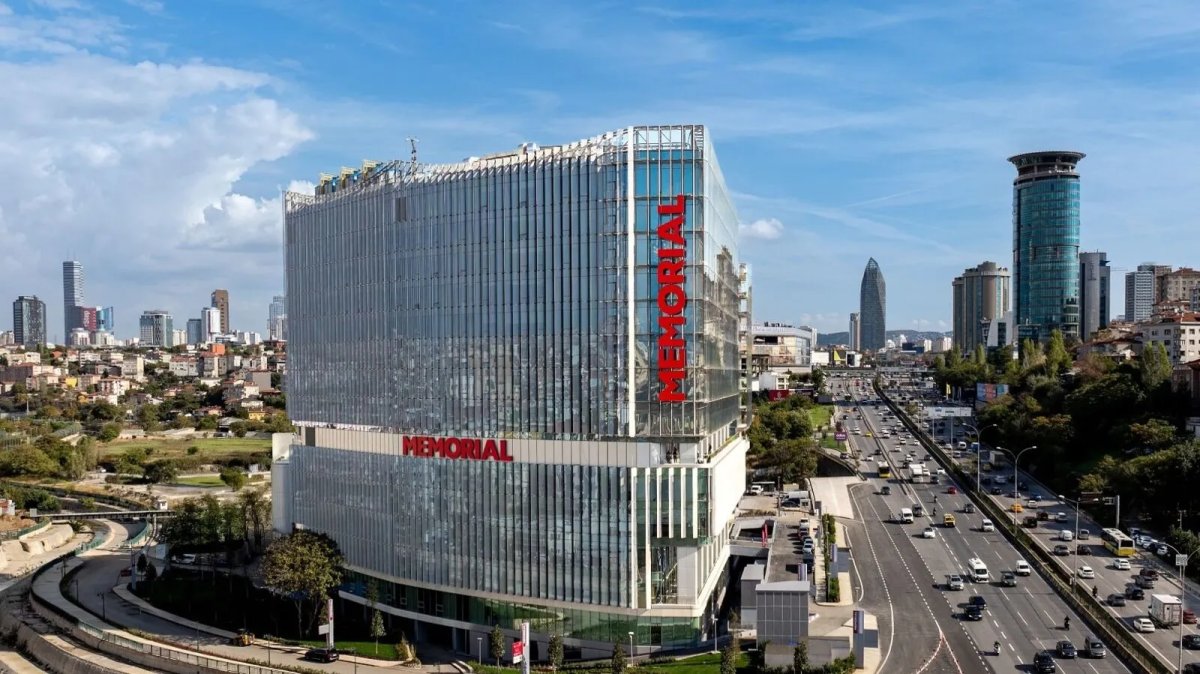
Memorial Göztepe Hospital






CyberKnife en Turquía: cronología día a día
Día 1: Llegada a Turquía
- A su llegada, debe asegurarse de que tiene todos los documentos necesarios, incluidos los historiales médicos y las imágenes radiológicas en un CD. Estos documentos son cruciales para las consultas iniciales y la planificación de su tratamiento CyberKnife.
- Póngase en contacto con la clínica para confirmar su llegada y organizar el transporte desde el aeropuerto hasta su alojamiento. Algunas clínicas ofrecen servicios de traslado gratuitos.
- Descanse y aclimátese al nuevo entorno. Debe estar bien descansado para las próximas consultas y procedimientos.
Día 2: Consultas iniciales y evaluaciones previas al tratamiento
- Asista a una consulta con especialistas en oncología y radiooncología. Revisarán su historial médico, su estado actual y discutirán el plan de tratamiento.
- Someterse a las pruebas diagnósticas necesarias, como resonancia magnética, tomografía por emisión de positrones o tomografía de planificación. Estas pruebas ayudan a planificar con precisión el tratamiento y garantizan la localización exacta del tumor.
- Si es necesario, pueden colocarse marcadores fiduciales para tumores en órganos como el pulmón o la próstata. La radiología intervencionista suele realizar este procedimiento, que es crucial para la administración precisa del tratamiento.
- Comente con su médico los posibles efectos secundarios y los cuidados posteriores al tratamiento. Comprender el proceso le ayudará a gestionar las expectativas y la recuperación.
Día 3-5: Sesiones de tratamiento con CyberKnife
- Comience su tratamiento CyberKnife, que puede variar de 1 a 5 sesiones dependiendo de su caso específico. Cada sesión dura entre 20 minutos y 1 hora.
- Durante el tratamiento, es posible que se utilice una máscara termoplástica para las afecciones cerebrales con el fin de mantener la cabeza inmóvil, asegurando un objetivo preciso.
- Siga todas las instrucciones específicas que le dé su equipo médico, como las técnicas de contención de la respiración, si su tratamiento afecta a órganos que se mueven con la respiración.
- Después de cada sesión, normalmente puede volver a su alojamiento, ya que el tratamiento es ambulatorio y no invasivo.
Día 6: Seguimiento posterior al tratamiento
- Acuda a una cita de seguimiento para evaluar los efectos inmediatos del tratamiento y discutir los siguientes pasos en su recuperación o tratamientos adicionales si son necesarios.
- Su médico puede programar más pruebas de imagen para controlar la eficacia del tratamiento a lo largo del tiempo. Esto podría incluir resonancias magnéticas o tomografías por emisión de positrones a intervalos de 3 meses, 6 meses o 1 año.
- Comente con su médico cualquier efecto secundario que experimente, como fatiga leve o náuseas. Ellos pueden proporcionarle estrategias para controlar estos síntomas de forma eficaz.
Día 7: Preparación para la salida
- Asegúrese de que tiene todas las instrucciones de seguimiento y los datos de contacto de su equipo médico por si necesita ponerse en contacto con ellos cuando vuelva a casa.
- Organice el transporte al aeropuerto, que puede ser proporcionado por la clínica como parte de sus servicios.
- Reflexione sobre su experiencia y asegúrese de que tiene una comprensión clara de la atención de seguimiento necesaria para maximizar los beneficios del tratamiento CyberKnife.
Regreso a casa
- Una vez en casa, siga el programa de seguimiento proporcionado por su equipo médico. El seguimiento regular es crucial para evaluar el éxito a largo plazo del tratamiento.
- Mantenga una comunicación abierta con sus profesionales sanitarios en Turquía si tiene alguna duda o necesita más orientación.
- Siga tomando los medicamentos o terapias que le hayan recetado los médicos para favorecer su recuperación y su salud general.
Bookimed, una plataforma líder mundial en turismo médico, se compromete a ayudar a los clientes que buscan CyberKnife en Turquía ofreciéndoles asistencia experta y soluciones médicas confiables para cada situación. Se utiliza un sistema de clasificación automático inteligente para elaborar listas de clínicas transparentes, mantenidas meticulosamente por un científico de datos que utiliza IA para mayor precisión. La plataforma garantiza la autenticidad al publicar reseñas de pacientes reales después de sus tratamientos. Bookimed ofrece soluciones médicas integrales, con actualizaciones de las clínicas para garantizar la confiabilidad. El contenido sobre CyberKnife en Turquía, elaborado por autores médicos experimentados y revisado por especialistas, cumple con las pautas editoriales de Bookimed , lo que refleja el compromiso de la plataforma de brindar información de salud clara y de alta calidad. Para obtener más detalles o consultas, no dude en contactarnos en marketing@bookimed.com o obtenga más información sobre nosotros y nuestra misión Acerca de Bookimed .
Obtenga una evaluación médica de CyberKnife en Turquía: haga una consulta con 32 médicos experimentados ahora
Ver todos los médicos
Bulent Karagoz
El médico es un oncólogo médico turco altamente experimentado, especializado en sarcoma, linfoma, cáncer de páncreas, pulmón y mama. Con más de 20 años de experiencia, el médico se centra en la biología tumoral, la inmunología tumoral, la inmunoterapia del cáncer y las terapias dirigidas. Desde 2019, el médico ha estado sirviendo como oncólogo médico en el Centro Médico Anadolu y anteriormente ocupó roles de liderazgo en la Facultad de Medicina de la Universidad Okan de Estambul y en el Hospi
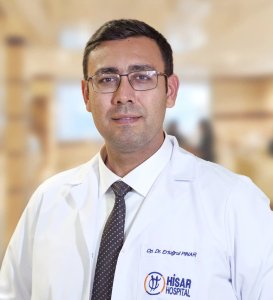
Ertugrul Pinar
El Dr. Ertugrul Pinar es neurocirujano en el Hisar Hospital Intercontinental de Estambul. Trata a pacientes adultos y pediátricos con enfermedades complejas del cerebro y la columna vertebral. El Dr. Pinar se centra en tumores cerebrales, aneurismas vasculares y patologías de la base del cráneo. Trabaja en un hospital acreditado por la JCI que atiende a más de 500.000 pacientes al año.
- Realiza procedimientos especializados, incluyendo la resección transnasal de tumores y la reparac

Banu Atalar
Banu Atalar se formó en la Universidad de Stanford en radiocirugía estereotáctica, aportando una experiencia de vanguardia en CyberKnife al Anadolu Medical Center.
- Profesora de Oncología Radioterápica con más de 18 años de experiencia
- Especialista con formación en técnicas de SRS adaptativa guiada por RM
- El 75% de su práctica se centra en tratamientos estereotácticos
- Miembro honorario del Colegio Americano de Radiología
- Presidenta de la Sociedad Turca de Oncología Radioterápica

Ahmet Hilmi Kaya
El Prof. Dr. Ahmet Hilmi Kaya es profesor de neurocirugía en el Centro Médico Anadolu, en Gebze (Turquía). Obtuvo el título de médico (MD) en la Universidad de Estambul, Cerrahpaşa (programa en inglés), donde realizó la residencia en neurocirugía entre 1996 y 2003. Fue nombrado profesor en 2015. Realizó estancias de observación en la Universidad de Maastricht en 2007 y 2009.
Su actividad clínica abarca la neurocirugía funcional y estereotáxica, incluida la estimulación cerebral profund
Historias en video de pacientes de Bookimed
Reseñas
Todas las reseñasCompartir contenido
 Olena Sikoza
Preguntas frecuentes sobre CyberKnife en Turquía
¿Es CyberKnife adecuado para pacientes de edad avanzada o de alto riesgo quirúrgico?
CyberKnife es una alternativa no invasiva altamente adecuada para pacientes de edad avanzada o de alto riesgo que no pueden someterse a una cirugía tradicional. Este sistema de radiocirugía robótica no requiere incisiones, pérdida de sangre ni anestesia general, lo que reduce significativamente los riesgos para personas con enfermedades cardíacas, EPOC o edad avanzada.
- Tratamiento sin anestesia: Los pacientes permanecen despiertos y alerta, eliminando los riesgos asociados con la anestesia general.
- Precisión submilimétrica: El seguimiento robótico apunta a los tumores con precisión mientras protege los órganos y tejidos sanos frágiles.
- Comodidad ambulatoria: El tratamiento implica de 1 a 5 sesiones cortas sin necesidad de hospitalización.
- Recuperación rápida: La mayoría de los pacientes reanudan sus actividades diarias normales de inmediato o dentro de 1 a 7 días.
Perspectiva del experto de Bookimed: Aunque muchos centros internacionales todavía requieren marcadores de oro invasivos para el seguimiento de pulmón o próstata, el Anadolu Medical Center utiliza un software avanzado que a menudo elimina esta necesidad. Para pacientes de alto riesgo que toman anticoagulantes, este enfoque `sin marcadores` es un cambio radical, ya que elimina el riesgo menor de sangrado o colapso pulmonar durante la preparación.
Consenso de los
¿Cuál es el cronograma de tratamiento recomendado y la duración de la estancia en Turquía para CyberKnife?
La mayoría de los pacientes requieren de 5 a 14 días en Turquía para el tratamiento con CyberKnife para acomodar el mapeo, la planificación y de 1 a 5 sesiones ambulatorias. Aunque las sesiones no son invasivas y no requieren pasar la noche en el hospital, un período de margen garantiza que los especialistas puedan monitorear su respuesta antes de que vuele a casa.
- Mapeo inicial: Las resonancias magnéticas o tomografías computarizadas de diagnóstico toman de 1 a 2 días para una visualización precisa del tumor.
- Duración del tratamiento: Las sesiones duran de 30 a 90 minutos cada una, generalmente completadas en 1 a 5 días.
- Hospitalización: Este es un procedimiento ambulatorio indoloro sin necesidad de anestesia ni de pasar la noche.
- Ventana de viaje: Quédese 48 horas después de su última sesión para controlar la fatiga o las náuseas.
Perspectiva del experto de Bookimed: Si bien muchas clínicas como el Hospital Universitario Medipol Mega pueden comprimir la fase de mapeo inicial, la verdadera variable del cronograma es el espaciado de las sesiones. Para casos complejos en centros como el Anadolu Medical Center, los médicos pueden espaciar las 5 fracciones durante 10 días para proteger el tejido sano, lo que hace que una estancia de 14 días en un hotel sea la apuesta logística más segura.
Consenso de los pacientes:
¿Qué es CyberKnife y cómo funciona?
CyberKnife es un sistema de radiocirugía robótica no invasivo que trata tumores con radiación de alta dosis sin incisiones ni anestesia. Utiliza un brazo robótico con seis grados de libertad para administrar haces precisos desde miles de ángulos, protegiendo el tejido sano con una precisión submilimétrica.
- Precisión robótica: Un acelerador lineal compacto en un brazo robótico apunta a los tumores desde ángulos únicos.
- Seguimiento en tiempo real: El software Synchrony detecta el movimiento de la respiración y ajusta automáticamente el haz de radiación.
- Tecnología sin marco: Los pacientes evitan los dolorosos marcos metálicos para la cabeza utilizados en los procedimientos tradicionales de Gamma Knife.
- Eficiencia del tratamiento: Las dosis de radiación más altas reducen el tiempo total de tratamiento a solo 1 a 5 sesiones.
Opinión del experto de Bookimed: Aunque muchos creen que CyberKnife es solo para tumores cerebrales, clínicas turcas como el Anadolu Medical Center lo utilizan ampliamente para casos de próstata y pulmón. Algunos centros avanzados incluso ofrecen procedimientos sin marcadores externos. Esta flexibilidad permite a los pacientes completar el tratamiento durante un solo viaje de 10 días a Estambul.
Consenso de los pacientes: Los pacientes valoran la ausencia de marcos invasivos para la cabeza y la p
¿Cuáles son los posibles efectos secundarios y cuánto duran?
Los efectos secundarios de CyberKnife en Turquía suelen ser leves y temporales debido a la precisión submilimétrica de la radiocirugía robótica. La mayoría de los pacientes experimentan fatiga o irritación localizada que se resuelve en un plazo de 2 a 8 semanas. Los síntomas específicos dependen del lugar del tratamiento, como el cerebro, la próstata o los pulmones.
- Niveles de fatiga: El efecto más común, que alcanza su punto máximo 1-2 semanas después del tratamiento y dura hasta 6 semanas.
- Síntomas urinarios: Los pacientes con próstata pueden sentir urgencia o ardor, que generalmente se resuelve en 4-8 semanas.
- Irritación intestinal: Puede ocurrir diarrea leve o sensibilidad rectal, que generalmente desaparece en 1-4 semanas.
- Reacciones cutáneas: El enrojecimiento o picazón poco comunes en los sitios de entrada generalmente desaparecen en 3-7 días.
Perspectiva del experto de Bookimed: Los datos de los principales centros de Estambul, como el Anadolu Medical Center, muestran que CyberKnife a menudo no requiere marcadores internos, a diferencia de los sistemas más antiguos. Esto reduce los riesgos de infección y las molestias inmediatas. Las clínicas especializadas aquí suelen programar seguimientos a los 3, 6 y 12 meses para controlar el éxito a largo plazo y los efectos tardíos.
Consenso de los pacientes: Mucho
¿Es el CyberKnife adecuado para pacientes de edad avanzada o de alto riesgo?
CyberKnife es una alternativa no invasiva altamente eficaz para pacientes de edad avanzada o de alto riesgo que no pueden someterse a una cirugía convencional. Este sistema de radiocirugía robótica no requiere anestesia general ni incisiones, eliminando riesgos como infecciones o complicaciones por sedación en personas de edad avanzada o con comorbilidades médicas graves.
- No requiere anestesia: Elimina los riesgos quirúrgicos para pacientes con disfunción cardíaca o pulmonar.
- Precisión submilimétrica: El seguimiento en tiempo real preserva el tejido sano en pacientes con reservas funcionales limitadas.
- Comodidad ambulatoria: El tratamiento suele completarse en 1 a 5 sesiones sin necesidad de pasar la noche en el hospital.
- Recuperación rápida: La mayoría de los pacientes reanudan sus actividades diarias normales en 1 o 2 días.
Opinión del experto de Bookimed: Mientras que muchos centros requieren marcadores internos, el Centro Médico Anadolu ofrece CyberKnife sin ellos. Esta es una ventaja crítica para los pacientes de alto riesgo. Elimina la necesidad de colocar marcadores invasivos, incluso menores, antes de que comience la radiación. Este pequeño detalle reduce significativamente el estrés físico en pacientes frágiles mayores de 80 años.
Consenso de los pacientes: Los pacientes informan que incluso aquellos may
¿Cuáles son las tasas de éxito reportadas para CyberKnife en hospitales turcos?
Las tasas de éxito de CyberKnife en los hospitales turcos generalmente oscilan entre el 83% y el 99% para el control tumoral local. Los centros oncológicos de gran volumen en Estambul, como el Anadolu Medical Center y Memorial Şişli, logran resultados que cumplen con los estándares globales para cánceres de cerebro, próstata y pulmón.
- Tumores cerebrales: Las tasas de control local alcanzan del 83% al 95% para la mayoría de los casos neurológicos.
- Cáncer de próstata: Los centros reportan una eficacia del 85% al 97% para tumores localizados utilizando 5 fracciones.
- Cáncer de pulmón: Los tratamientos en etapas tempranas muestran tasas de éxito superiores al 90% en centros especializados.
- Metástasis espinales: Los datos clínicos indican un 91% de control del dolor y un 90% de estabilidad radiológica.
Perspectiva del experto de Bookimed: Los datos muestran una clara brecha de rendimiento basada en el volumen institucional. Los centros que realizan más de 200 casos de CyberKnife al año, como Medipol Mega o Anadolu, reportan tasas de control local hasta un 13% más altas que las instalaciones de menor volumen. Elegir un hospital acreditado por la JCI con un alto rendimiento mejora significativamente la previsibilidad clínica.
Consenso de los pacientes: Los pacientes destacan frecuentemente la precisión del sistema CyberK
¿Cuánto dura cada sesión de CyberKnife y el curso completo del tratamiento?
Las sesiones de CyberKnife en Turquía suelen durar entre 30 y 90 minutos cada una. Un curso de tratamiento completo es notablemente conciso y, por lo general, solo requiere de 1 a 5 sesiones en total. La mayoría de los pacientes terminan su protocolo clínico completo dentro de 1 a 2 semanas después de su llegada.
- Duración de la sesión diaria: La mayoría de los tratamientos concluyen en 30 a 60 minutos, incluyendo el posicionamiento del paciente.
- Curso total del tratamiento: Los pacientes suelen someterse a 3 a 5 sesiones, dependiendo de la complejidad del tumor.
- Eficiencia en los tiempos de espera: Los centros turcos como el Anadolu Medical Center ofrecen una programación rápida con tiempos de espera mínimos.
- Recuperación ambulatoria: No se requiere hospitalización, lo que permite a los pacientes regresar a sus hoteles de inmediato.
Perspectiva del experto de Bookimed: Aunque las sesiones son cortas, la primera visita a menudo toma 90 minutos para un mapeo digital preciso. Clínicas como el Medipol Mega University Hospital utilizan un seguimiento avanzado que elimina la necesidad de marcadores quirúrgicos invasivos. Esto generalmente reduce el número total de visitas al hospital en comparación con los sistemas robóticos más antiguos.
Consenso de los pacientes: Los pacientes destacan con frecuencia la eficiencia de
¿Es doloroso el procedimiento y se necesita anestesia?
El tratamiento con CyberKnife en Turquía es un procedimiento no invasivo e indoloro que no requiere anestesia ni incisiones. Los pacientes permanecen totalmente despiertos y cómodos mientras un brazo robótico administra haces de radiación precisos para atacar los tumores. Cada sesión ambulatoria dura de 30 a 90 minutos con una recuperación inmediata.
- Requisitos de anestesia: No se necesita anestesia sistémica porque el proceso de radiación es totalmente no quirúrgico.
- Niveles de dolor: Los pacientes informan de cero dolor durante la administración, similar a realizarse una tomografía computarizada estándar.
- Entorno de tratamiento: Los procedimientos se realizan de forma ambulatoria sin necesidad de hospitalización.
- Reanudación de actividades: La mayoría de las personas retoman sus rutinas diarias normales inmediatamente después de su sesión programada.
Perspectiva del experto de Bookimed: Los centros oncológicos turcos como el Anadolu Medical Center utilizan los sistemas CyberKnife más recientes que no siempre requieren marcadores de oro internos. Aunque algunas clínicas todavía utilizan estos marcadores, el software avanzado a menudo rastrea el movimiento del tumor automáticamente. Esto reduce aún más las molestias al eliminar la necesidad de inyecciones de anestesia local antes del procedimiento.
Consenso de los pacient
¿Qué hospitales en Turquía son reconocidos por su excelencia en CyberKnife?
Turquía es un líder mundial en radiocirugía CyberKnife, con instalaciones de primer nivel como el Anadolu Medical Center y el Memorial Şişli Hospital que ofrecen una precisión submilimétrica. Estos centros acreditados por la JCI utilizan los últimos sistemas CyberKnife VSI para el tratamiento no invasivo de tumores cerebrales, pulmonares y de próstata sin anestesia.
- Anadolu Medical Center: Afiliado a Johns Hopkins Medicine, logrando una precisión de 0,5 mm para tumores complejos.
- Medipol Mega University: Un complejo masivo de cuatro edificios que cuenta con tecnologías CyberKnife y Gamma Knife.
- Memorial Şişli Hospital: El primer hospital acreditado por la JCI en Turquía, especializado en radiocirugía espinal y robótica.
- Hisar Hospital Intercontinental: Reconocido por sus juntas de tumores especializadas y servicios de coordinación de pacientes internacionales.
Perspectiva del experto de Bookimed: Aunque muchos buscan el costo más bajo, el verdadero diferenciador en Turquía es la junta multidisciplinaria de tumores. Hospitales como el Memorial Bahçelievler utilizan estas juntas para decidir si el CyberKnife o el sistema ZAP-X es mejor para su lesión específica. Este enfoque colaborativo a menudo conduce a tasas de éxito más altas en casos complejos de neurooncología.
Consenso de los pacientes: Los pacientes destac