Tratamiento de Meningioma en Austria — obtenga 3 coincidencias personalizadas de clínicas


Revisado médicamente por
Fahad Mawlood
Cómo funciona
¿Cuál es el precio del diagnóstico y los tratamientos de Meningioma en Austria? Descubra ahora
El costo del tratamiento de meningioma en Austria suele oscilar entre $18,000 y $12,000 para terapias de radiación avanzadas, mientras que la extirpación quirúrgica del meningioma varía de $35,000 a $65,000. Los gastos totales dependen de la ubicación del tumor, la complejidad quirúrgica y el nivel de la clínica. Los pacientes a menudo encuentran ahorros del 30-50% en comparación con los EE. UU. Viena y Salzburgo son las principales ciudades para este tratamiento.
Costos típicos del tratamiento de meningioma en Austria
- Consulta con un oncólogo: de $430
- Extirpación de meningioma: $35,000 – $65,000
- Craneotomía: $18,000 – $30,000
- CyberKnife: $7,500 – $12,000
- Gamma Knife: $32,000 – $45,000
- TrueBeam: $18,000 – $26,000
Perspectiva de los expertos de Bookimed: Para casos complejos de neurooncología, los equipos multidisciplinarios ofrecen el mayor valor. Wiener Privatklinik brinda acceso al Univ.-Prof. Dr. Wolfgang Köstler, quien se formó en el Memorial Sloan-Kettering Cancer Center. Esta instalación es ideal para pacientes que buscan profesores de la Universidad Médica de Viena. Alternativamente, la Clínica Privada Rudolfinerhaus es adecuada para aquellos que priorizan la tradición y un entorno prestigioso en Viena.
| Austria | España | Turquía | |
|---|---|---|---|
| TrueBeam | ≈ $18,000 | ≈ $12,000 | ≈ $7,500 |
| Radioterapia para el cáncer colorrectal | de $6,800 | de $7,500 | de $5,000 |
| Halcyon | ≈ $11,500 | ≈ $6,500 | ≈ $9,500 |
| Gamma Knife | ≈ $32,000 | de $24,900 | de $5,500 |
| Eliminación de meningioma | ≈ $35,000 | de $27,900 | de $10,500 |
Descubra las mejores clínicas de tratamiento de Meningioma en Austria: 3 opciones verificadas y Precios
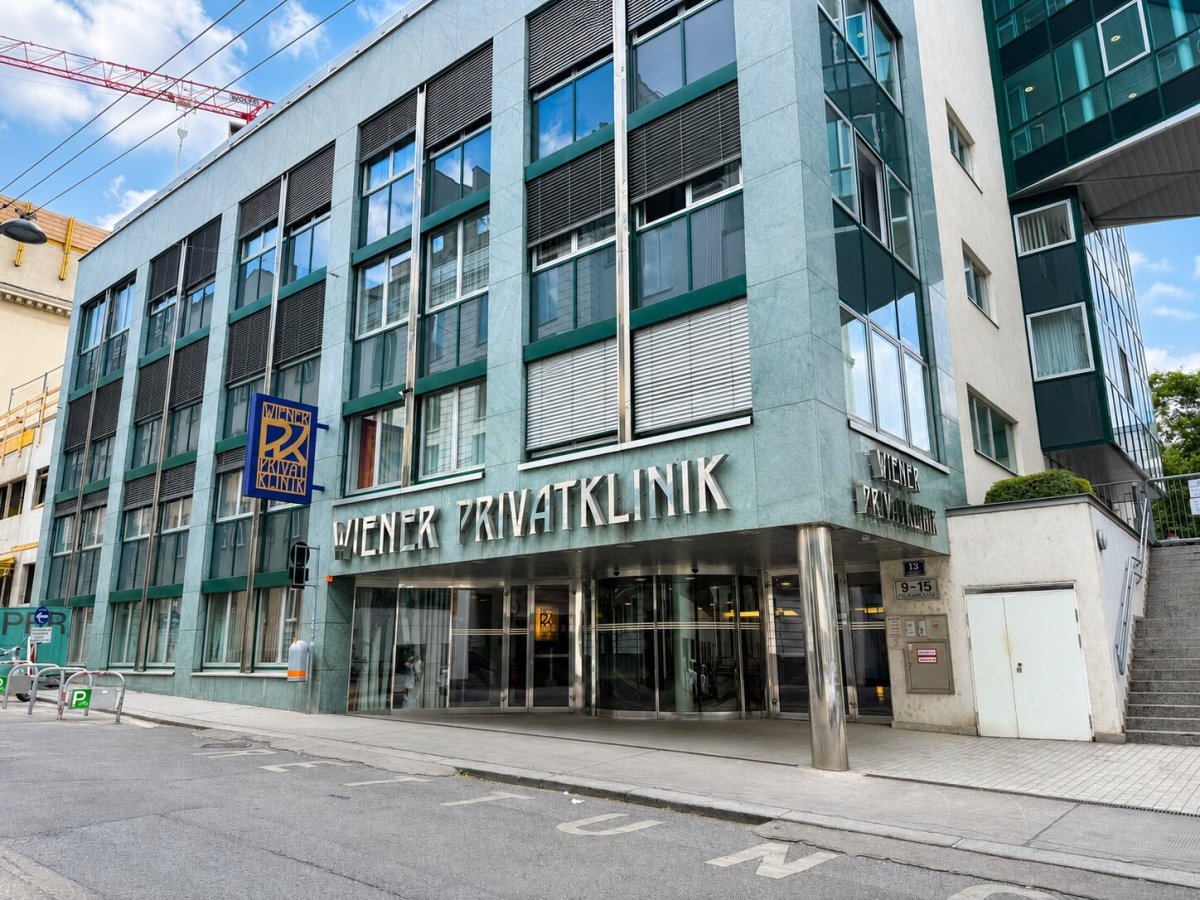




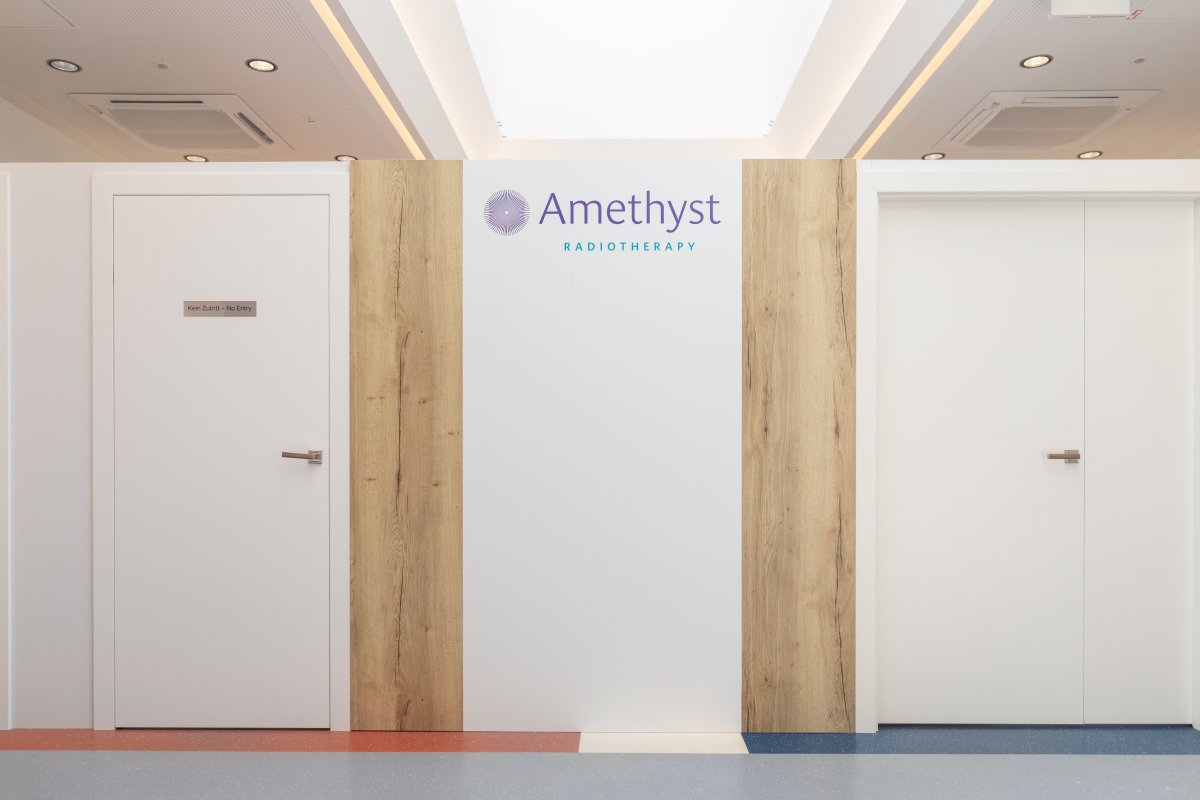

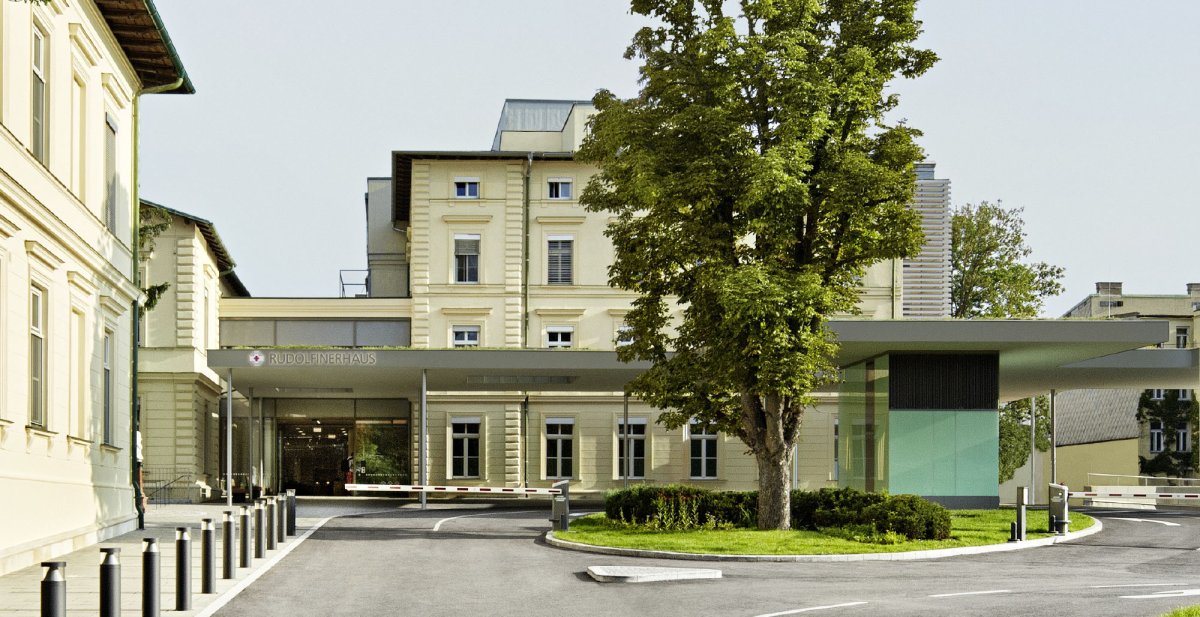
Obtenga una evaluación médica para Meningioma en Austria: consulte con doctores experimentados ahora
Ver todos los médicos
David Kuczer
El Dr. David Kuczer es especialista en radiooncología con muchos años de experiencia en el diagnóstico y tratamiento del cáncer. Ofrece acceso rápido a radioterapia precisa, basada en los estándares científicos actuales.
Es miembro del Cancer Center de la Vienna Private Clinic. Presenta a cada paciente ante el comité de tumores interno, lo que permite una discusión interdisciplinaria por parte de un equipo de prestigio internacional y ayuda a seleccionar el mejor tratamiento.
To

Wolfgang Köstler
El Prof. Köstler es un experto líder en terapias oncológicas dirigidas con más de dos décadas de experiencia, especializado en neoplasias mamarias y ginecológicas.
- Completó su formación en la Universidad Médica de Viena
- Se centra en la terapia sistémica individualizada contra el cáncer y la inmunoterapia
- Subdirector de la División Clínica de Oncología
- Ha publicado investigaciones sobre el desarrollo de biomarcadores y la biología tumoral
Compartir contenido
Historias en video de pacientes de Bookimed
 Olena Sikoza
Preguntas frecuentes sobre el tratamiento de Meningioma en Austria
¿Qué métodos quirúrgicos se utilizan para extirpar los meningiomas en Austria?
Los neurocirujanos austriacos utilizan técnicas endoscópicas y de microcirugía de alta precisión para extirpar meningiomas preservando la función cerebral. Clínicas como la Wiener Privatklinik integran técnicas de neuronavegación y estereotácticas para garantizar una resección tumoral precisa. Las técnicas avanzadas de imagen intraoperatoria, incluida la resonancia magnética de alta resolución, ayudan a los cirujanos a asegurar la extirpación completa del tumor durante el procedimiento.
- Resección microquirúrgica: Los cirujanos utilizan potentes microscopios quirúrgicos para separar los tumores de los nervios sensitivos.
- Abordaje endoscópico endonasal: Esta técnica permite acceder a los tumores de la base del cráneo a través de la nariz sin necesidad de grandes incisiones.
- Craneotomía a través de pequeñas incisiones: Los pequeños orificios cerca de la ceja o el párpado permiten que el paciente se recupere más rápidamente.
- La radiocirugía estereotáctica, mediante el uso de Gamma Knife o CyberKnife, proporciona un tratamiento no invasivo para tumores profundos o recurrentes.
Opinión de expertos de Bookimed: Si bien los hospitales universitarios públicos atienden a un gran volumen de pacientes, los centros privados como la Vienna Privatklinik ofrecen un acceso único a la atención médica. Muchos de sus especialistas también son profesores de l
¿Cuánto tiempo tardaré en volver a casa después de una cirugía de meningioma en Austria?
En Austria, los pacientes suelen poder regresar a casa por tierra siete días después de la cirugía de meningioma. Los viajes en avión requieren una espera más larga: de siete a diez días para vuelos cortos. Los cirujanos suelen recomendar esperar seis semanas antes de realizar vuelos de larga distancia para garantizar la estabilización segura de la presión intracraneal.
- Alta hospitalaria: Los pacientes suelen recibir el alta hospitalaria entre tres y diez días después de la cirugía.
- Seguridad aérea: Los viajes en avión están restringidos hasta que el aire acumulado en el cráneo (neumocéfalo) se haya disuelto por completo.
- Viajes por tierra: Si no utilizas coche, es posible realizar viajes cortos en coche después de una semana.
- Revisión experta: Es obligatorio someterse a un examen médico oficial de aptitud para volar antes de reservar cualquier vuelo de regreso.
Opinión de expertos de Bookimed: Si bien los grandes centros como la Wiener Privatklinik priorizan el diagnóstico rápido, los tiempos de recuperación son imprescindibles. Nuestros datos muestran que los principales neurocirujanos de Viena, muchos de ellos profesores universitarios, priorizan un período de observación de diez días. Este período permite un seguimiento preciso de la cicatrización de las heridas antes de que los pacientes abandonen el país.
Comentarios
¿Cuál es la duración típica de la estancia hospitalaria tras una cirugía de meningioma?
Tras la cirugía de meningioma, la estancia hospitalaria suele oscilar entre 3 y 7 días. La mayoría de los pacientes reciben el alta en una semana. La duración de la estancia depende de la localización del tumor y de la complejidad de la intervención. Durante este periodo, los neurocirujanos en Austria realizan un seguimiento exhaustivo de la función neurológica de los pacientes.
- Tratamiento mínimamente invasivo: Los procedimientos endoscópicos pueden reducir la estancia hospitalaria a 2 o 3 días.
- Duración de la estancia hospitalaria tras una craneotomía compleja: Los tumores de la base del cráneo suelen requerir un periodo de observación de 5 a 7 días.
- Fase de cuidados intensivos: los pacientes pasan las primeras 24 horas en una unidad de rehabilitación especializada.
- Traslado a planta para observación de seguimiento: del segundo al séptimo día, la atención principal se centra en el alivio del dolor y la fisioterapia.
Opinión experta de Bookimed: Los datos de pacientes de grandes centros como la Clínica Privada de Viena demuestran que la rapidez en el tratamiento es una prioridad. Esta clínica cuenta con más de 30 departamentos y 400 médicos. Muchos de estos especialistas son profesores de la Universidad Médica de Viena. Su amplio conocimiento permite una transición postoperatoria eficiente. En entornos tan especializados, los pacientes s
¿Ofrecen los hospitales austriacos radiocirugía estereotáctica o radioterapia para el tratamiento de meningiomas que no requieren cirugía?
Los hospitales austriacos utilizan técnicas avanzadas de radiocirugía estereotáctica y radioterapia para tratar los meningiomas sin intervención quirúrgica. Se emplean técnicas como CyberKnife, Gamma Knife y terapia de protones para tratar tumores sin incisiones. Estas técnicas no invasivas estabilizan eficazmente los meningiomas pequeños y medianos localizados cerca de estructuras importantes, como los nervios ópticos.
- Tecnologías de tratamiento: Los hospitales utilizan Gamma Knife, CyberKnife y radiocirugía estereotáctica sin marco basada en aceleradores lineales.
- Criterios de tamaño: La radiocirugía se suele utilizar para tumores de menos de 3 cm de diámetro.
- Enfoque de la radioterapia: La radioterapia estereotáctica fraccionada permite tratar tumores grandes en múltiples sesiones con alta precisión.
- Capacidades avanzadas: Centros especializados como MedAustron ofrecen terapia de protones o iones para casos complejos.
- Supervisión especializada: Los casos son revisados por comités oncológicos interdisciplinarios en clínicas como la Vienna Privatklinik.
Opinión de expertos de Bookimed: Si bien los hospitales universitarios como el AKH de Viena ofrecen tratamientos de alta tecnología, las clínicas privadas como Wiener Privatklinik reducen significativamente los tiempos de espera. Nuestros datos muestran que estas
¿Qué tipos de pruebas de imagen son necesarias después del tratamiento de un meningioma?
El seguimiento por imagen tras el tratamiento de un meningioma incluye resonancias magnéticas cerebrales periódicas con y sin contraste. Los protocolos estándar recomiendan una resonancia magnética basal dentro de las 72 horas posteriores a la cirugía. El seguimiento se realiza generalmente cada 6 a 12 meses para tumores benignos. Los tumores de alto grado requieren resonancias magnéticas cada 3 a 6 meses de forma indefinida.
- Método estándar: La resonancia magnética con contraste proporciona la detección más detallada de la recurrencia del tumor.
- Técnicas de imagen alternativas: La tomografía computarizada (TC) se utiliza para evaluar a pacientes con marcapasos o a aquellos que necesitan evaluar la salud ósea.
- Plazo inicial: Los cirujanos realizan la primera tomografía postoperatoria entre 48 y 72 horas después de la cirugía.
- Ajuste de frecuencia: Después de 2 a 5 años de resultados estables, los intervalos entre los exámenes se aumentan a anuales.
Opinión experta de Bookimed: Los pacientes en Austria se benefician de un enfoque integral e interdisciplinario en centros como la Clínica Privada de Viena. Especialistas de renombre, como el Dr. David Kutzer, presentan cada caso en una junta oncológica interna. Esta colaboración garantiza que los programas de diagnóstico por imagen se ajusten según los resultados específicos del tratamiento de
¿Existen criterios de selección especiales para los tratamientos endoscópicos/endonasales en Austria?
La idoneidad de la cirugía endonasal para el meningioma en Austria depende de la ubicación y el tamaño del tumor. Los cirujanos priorizan este método para tumores de la línea media menores de 3 cm. Los candidatos deben tener las fosas nasales despejadas. La resonancia magnética y la tomografía computarizada de alta resolución confirman que el tumor no comprime vasos sanguíneos vitales.
- Localización del tumor: Los principales candidatos son los tumores de la base del cráneo, en la zona media anterior.
- Limitaciones de tamaño: Los protocolos actuales generalmente limitan este enfoque a tumores de menos de 30 mm.
- Examen anatómico: la ausencia de sinusitis esfenoidal es un requisito indispensable para la seguridad del paciente.
- Afectación vascular: No hay afectación del seno cavernoso ni de las principales arterias internas.
Opinión experta de Bookimed: Los datos clínicos de Viena demuestran que, a pesar de los avances tecnológicos, los cirujanos suelen optar por un enfoque híbrido para tumores de más de 4 cm. El Hospital Privado de Viena (Wiener Privatklinik) reúne a más de 400 médicos, muchos de ellos afiliados a la Universidad Médica de Viena, para realizar estas exploraciones interdisciplinarias. Esta colaboración entre otorrinolaringólogos y neurocirujanos es fundamental para confirmar la idoneidad anatómica del paciente antes de viajar.<
¿Los pacientes internacionales tienen acceso a la neurorrehabilitación hospitalaria o está cubierta por el seguro médico?
En Austria, los pacientes internacionales tienen acceso a la neurorrehabilitación hospitalaria en clínicas privadas. Las instituciones públicas suelen restringir el acceso a estos servicios a los residentes de la Unión Europea. Los pacientes internacionales generalmente costean su propio tratamiento. En Viena, centros especializados ofrecen programas intensivos de recuperación tras la cirugía de meningioma. Estos programas tienen como objetivo restaurar las funciones motoras y cognitivas.
- Tipo de centro médico: Los pacientes extranjeros deben acudir a clínicas privadas como Rudolfinerhaus.
- Disponibilidad de servicios: Las unidades de rehabilitación especializadas garantizan la recuperación a largo plazo y la seguridad clínica.
- Forma de pago: La mayoría de los pacientes de diferentes países pagan el tratamiento ellos mismos o a través de un seguro médico internacional privado.
- Cualificaciones del personal: En las instituciones trabajan profesores de la Universidad Médica de Viena.
Opinión de expertos de Bookimed: El sector privado austriaco cuenta con una ventaja estructural única en neurorrehabilitación. Clínicas como Rudolfinerhaus llevan más de 125 años en funcionamiento. Esta larga trayectoria refleja una sólida experiencia institucional en rehabilitación a largo plazo. Mientras que muchos países se centran exclusivamente en intervenci