Vasculitis Tratamiento en Israel — Costos 2026


Revisado médicamente por
Fahad Mawlood
¿Cuál es el precio del diagnóstico y los tratamientos de Vasculitis en Israel? Descubra ahora
| Israel | España | Turquía | |
|---|---|---|---|
| Plasmaféresis | ≈ $1,800 | de $12,200 | de $3,200 |
| Intercambio de plasma | ≈ $4,500 | ≈ $2,400 | ≈ $3,900 |
| Aféresis terapéutica | ≈ $1,400 | ≈ $1,400 | de $4,500 |
| Aféresis selectiva | ≈ $2,800 | ≈ $1,800 | ≈ $1,600 |
Sus beneficios y garantías con Bookimed
Precios directos
Bookimed no añade cargos extra a los precios de los tratamientos de Vasculitis. Las tarifas proceden de las listas de precios oficiales de las clínicas. Pagará directamente en la clínica por su tratamiento a su llegada al país.
Sólo clínicas y médicos verificados
Bookimed está comprometido con su seguridad. Solo trabajamos con las clínicas que mantienen altos estándares internacionales en el tratamiento de Vasculitis y cuentan con las licencias necesarias para atender a pacientes internacionales en todo el mundo.
Asistencia 24/7 gratuita
Bookimed ofrece asistencia experta gratuita. Un coordinador médico personal le apoya antes, durante y después de su tratamiento, resolviendo cualquier problema. Nunca estará solo en su viaje médico de tratamiento de Vasculitis.

Su coordinador médico personal de Bookimed
- Le apoya en cada etapa
- Ayuda a elegir la clínica y el médico adecuados
- Asegura un acceso rápido y conveniente a la información
Descubra las mejores clínicas de tratamiento de Vasculitis en Israel: 1 opciones verificadas y Precios





Obtenga una evaluación médica para Vasculitis en Israel: consulte con doctores experimentados ahora
Ver todos los médicos
Dan Kaspy
Jefe de reumatología en Ichilov-Sourasky – El Prof. Kaspy se especializa en casos complejos de reumatología con más de 140 publicaciones científicas.
- Completó una prestigiosa pasantía en el Hammersmith Hospital, Londres
- Ex jefe del hospital de día de reumatología en Ichilov
- Fundador de programas de especialización en reumatología en Israel
- Miembro de las asociaciones de reumatología de Israel y Estados Unidos

Eli Sprecher
Profesor y jefe del Departamento de Dermatología del Centro Médico Sourasky de Tel Aviv, especializado en la genética de las enfermedades de la piel.
- Ocupa una cátedra en el prestigioso Technion – Instituto Tecnológico de Israel
- Completó una beca de especialización en genética en la Universidad Thomas Jefferson de EE. UU.
- Autor de más de 220 publicaciones científicas sobre temas dermatológicos
- Miembro de sociedades clave como la Academia Americana de Dermatología
- Más de dos décadas de experiencia clínica y de liderazgo en dermatología
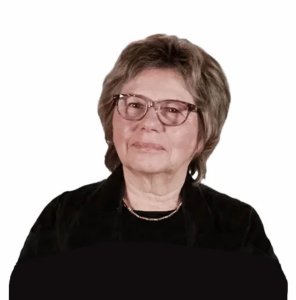
pnina Langevich
La profesora Pnina Langevich es reumatóloga e inmunóloga con más de 40 años de experiencia. Dirige el Centro Nacional de Reumatología y Enfermedades Autoinmunes del Centro Médico Sheba. Forbes Israel la ha incluido en repetidas ocasiones entre los mejores médicos del país.
Es experta en artritis reumatoide, artrosis, enfermedades articulares, lupus eritematoso sistémico, esclerodermia y trastornos autoinmunes complejos. Trata casos graves y refractarios al tratamiento mediante diagnóst
Compartir contenido
Historias en video de pacientes de Bookimed
 Olena Sikoza
Preguntas frecuentes sobre el tratamiento de Vasculitis en Israel
¿Quiénes son los mejores especialistas para el tratamiento de la vasculitis en Israel?
Los mejores especialistas en vasculitis en Israel incluyen al Prof. Dan Kaspy y al Prof. Ori Elkayam en el Sourasky Medical Center. La Prof. Merav Lidar y la Prof. Pnina Langevitz lideran programas avanzados de inmunología en el Sheba Medical Center. Estos expertos utilizan terapias biológicas y diagnósticos especializados para casos autoinmunes complejos.
- Prof. Dan Kaspy: Trabaja en el Sourasky Medical Center, especializado en reumatología compleja.
- Prof. Merav Lidar: Dirige el Centro de Enfermedades Autoinmunes en el Sheba Medical Center.
- Prof. Eldad Ben-Chetrit: Especializado en enfermedades autoinflamatorias en el Hadassah Medical Center.
- Experiencia clínica: Los especialistas israelíes a menudo ocupan cargos de liderazgo en la Asociación Israelí de Reumatología.
Perspectiva del experto de Bookimed: Los departamentos de reumatología israelíes muestran un patrón distintivo de especialización en diferentes hospitales. Mientras que el Sourasky Medical Center atiende a más de 400,000 pacientes al año y destaca en ensayos de investigación, el Sheba Medical Center es el centro principal para casos raros y refractarios. Para los pacientes que requieren infusiones biológicas de alta tecnología como rituximab, los hospitales públicos afiliados a universidades a menudo ofrecen protocolos clínicos más establecidos que las clínicas privadas más
¿Qué opciones de tratamiento avanzado para la vasculitis están disponibles en las clínicas israelíes?
Las clínicas israelíes ofrecen tratamientos avanzados para la vasculitis, incluyendo terapia de células CAR-T, protocolos biológicos y hemocorrección extracorpórea. Los especialistas en centros acreditados por la JCI, como el Sourasky Medical Center (Ichilov), utilizan rituximab, inhibidores de JAK y tocilizumab. Estas terapias se dirigen a vías inmunitarias específicas para controlar la inflamación sistémica y prevenir eficazmente el daño orgánico.
- Terapia biológica: Medicamentos dirigidos como el rituximab y el tocilizumab bloquean proteínas inflamatorias específicas.
- Terapia CAR-T: La ingeniería innovadora de células T en el Sheba Medical Center trata casos resistentes asociados a ANCA.
- Recambio plasmático: La plasmaféresis elimina los autoanticuerpos dañinos de la sangre durante los brotes agudos.
- Diagnóstico de precisión: La imagenología multimodal con PET-CT y resonancia magnética rastrea los cambios vasculares en grandes vasos.
Perspectiva del experto de Bookimed: Los departamentos de reumatología israelíes a menudo brindan un acceso más rápido a combinaciones biológicas experimentales. Los datos muestran que centros como el Sourasky Medical Center (Ichilov) integran la investigación directamente en la atención clínica. El Dr. Dan Kaspy dirige el Departamento de Reumatología con una amplia experiencia internacional. Esta conexión
¿Qué hospitales en Israel son los mejores para el tratamiento de la vasculitis?
Los mejores hospitales israelíes para la vasculitis incluyen el Sheba Medical Center y el Sourasky Medical Center. Estas instalaciones utilizan equipos multidisciplinarios y tratamientos biológicos avanzados. Las clínicas a menudo cuentan con la acreditación de la Joint Commission International (JCI). Centros especializados como Hadassah y Rambam brindan atención basada en la investigación para afecciones autoinmunes complejas.
- Experiencia especializada: El Dr. Dan Kaspy en Sourasky se centra en reumatología e inmunología complejas.
- Diagnóstico avanzado: Las instalaciones utilizan imágenes digitales e IA para identificar tipos específicos de vasculitis.
- Investigación clínica: Los hospitales universitarios como Hadassah integran nuevos descubrimientos en los planes de tratamiento de los pacientes.
- Gama de tratamientos: Las opciones incluyen terapias biológicas y protocolos experimentales para casos refractarios.
Perspectiva del experto de Bookimed: Aunque Israel tiene 26 clínicas en nuestra red, el Sourasky Medical Center destaca por su gran volumen. Atiende a más de 1.800.000 pacientes al año y emplea a 2.200 médicos. Esta escala masiva permite una especialización extrema. El Dr. Dan Kaspy, por ejemplo, es miembro fundador de los programas de reumatología de Israel. Para afecciones raras como la vasculitis, elegir un centro académico de
¿Cuánto tiempo deben planificar los pacientes internacionales para un tratamiento avanzado de vasculitis en Israel?
Los pacientes internacionales suelen permanecer de 2 a 4 semanas para recibir tratamiento avanzado de vasculitis en Israel. Este periodo cubre el diagnóstico, el inicio del tratamiento y el seguimiento agudo. Los casos que involucran complicaciones renales o pulmonares a menudo requieren de 3 a 4 semanas. Los regímenes exclusivamente orales pueden permitir estancias más cortas de 7 a 10 días.
- Fase de diagnóstico: Los estudios completos suelen requerir de 5 a 10 días en las clínicas de Tel Aviv.
- Inducción intensiva: Los protocolos de inmunosupresión intravenosa generalmente duran de 10 a 21 días para las infusiones iniciales.
- Atención hospitalaria: Los casos sistémicos graves a menudo implican de 9 a 16 días de hospitalización especializada.
- Terapias avanzadas: Los tratamientos celulares como la terapia CAR-T pueden extender las estancias totales hasta 10 semanas.
Perspectiva del experto de Bookimed: La coordinación entre los especialistas israelíes y los médicos locales es la forma más eficaz de reducir la duración de la estancia. En el Sourasky Medical Center, expertos como el Dr. Dan Kaspy supervisan casos complejos que a menudo involucran múltiples departamentos. Los pacientes que organizan seguimientos remotos después de 10 a 14 días de estabilización pueden pasar de forma segura a una terapia de mantenimiento en casa. Elegir un cen
¿Por qué Israel es uno de los principales destinos para la neurocirugía?
Israel es un centro líder en neurocirugía gracias a su combinación de avances médicos de alta tecnología y una experiencia quirúrgica de primer nivel. Instalaciones avanzadas como el Centro Médico Sheba utilizan sistemas de navegación basados en IA y resonancia magnética intraoperatoria en tiempo real. Centros especializados reportan una tasa de éxito del 98% en procedimientos complejos, como la craneotomía con el paciente despierto y el tratamiento de trastornos del movimiento.
- Tecnología avanzada: Las clínicas utilizan ultrasonido enfocado guiado por resonancia magnética (MRgFUS) y sistemas robóticos para realizar incisiones.
- Experiencia quirúrgica: Cirujanos como el Dr. Zvi Ram lideran asociaciones internacionales con más de 25 años de experiencia.
- Acceso rápido: Los pacientes internacionales generalmente pueden programar cirugías complejas de cerebro o columna en un plazo de 2 a 4 semanas.
- Atención médica acreditada: Grandes centros como Sourasky (Ichilov) y Assuta están acreditados por la JCI, lo que confirma su seguridad.
Opinión experta de Bookimed: Los datos muestran una clara diferencia entre las opciones de tratamiento públicas y privadas en Israel. Centros privados, como el Centro Médico Assuta, realizan más de 92.000 cirugías al año y permiten a los pacientes elegir a un cirujano líder específico. Esto supone una ventaja signi
¿Qué tipos de enfermedades neuroquirúrgicas se tratan en Israel?
Los neurocirujanos israelíes tratan una amplia gama de afecciones, desde tumores cerebrales y de médula espinal hasta trastornos funcionales complejos. Los centros especializados utilizan tecnologías de vanguardia, como el bisturí de rayos gamma, la estimulación cerebral profunda y la resonancia magnética intraoperatoria, para un diagnóstico altamente preciso de la epilepsia, la enfermedad de Parkinson y las patologías cerebrovasculares.
- Enfermedades oncológicas: tratamiento de gliomas, meningiomas y tumores hipofisarios mediante resección de la base del cráneo.
- Trastornos funcionales: tratamiento de la enfermedad de Parkinson y del temblor esencial mediante estimulación cerebral profunda.
- Patologías de columna: corrección de escoliosis, hernias discales y tumores espinales mediante sistemas robóticos.
- Tratamiento de las enfermedades cerebrovasculares: tratamiento quirúrgico de aneurismas cerebrales y malformaciones arteriovenosas mediante intervenciones endovasculares.
- Neurocirugía pediátrica: atención especializada en hidrocefalia y anomalías congénitas en centros pediátricos especializados.
Opinión experta de Bookimed: Los hospitales israelíes suelen combinar diversas especialidades para abordar casos complejos. En el Centro Médico Sourasky, neurocirujanos como el Dr. Zvi Lidar combinan neurocirugía y ortopedi
¿Qué hospitales en Israel son más conocidos por sus departamentos de neurocirugía?
Israel alberga centros neuroquirúrgicos de renombre mundial, como el Centro Médico Sourasky, el Centro Médico Sheba y el Centro Médico Hadassah. Estas instituciones son líderes mundiales en el tratamiento de tumores cerebrales complejos, enfermedades de la columna vertebral y trastornos del movimiento. Utilizan tecnologías de vanguardia como el bisturí de rayos gamma, sistemas robóticos y resonancia magnética intraoperatoria.
- Suraski (Ichilov): realiza más de 2.500 operaciones neuroquirúrgicas al año en Tel Aviv con una tasa de éxito del 98%.
- Centro Médico Sheba: clasificado entre los diez mejores hospitales del mundo, trata a 1,9 millones de pacientes al año.
- Centro Médico Hadassah: Nominado al Premio Nobel de la Paz. Líder en neurocirugía pediátrica y terapia génica.
- Centro Médico Assuta: el centro médico privado más grande de Israel. Especializado en cirugías mínimamente invasivas de columna y cerebro.
- Hospital Infantil Schneider: un centro líder en neurocirugía pediátrica que trata a 275.000 niños al año.
Opinión experta de Bookimed: Nuestros datos muestran que, si bien la mayoría de los pacientes buscan tratamiento en Tel Aviv, el Centro Médico Rambam en Haifa ofrece una atención única para neurotraumatismos. Cuenta con una unidad especializada en cuidados neurocríticos que atiende a aproximadamente un milló
¿Quiénes son los principales neurocirujanos en Israel?
Entre los neurocirujanos israelíes más destacados se encuentran los profesores Zvi Ram, Shlomi Constantini e Itzhak Fried, del Centro Médico Sourasky. Estos especialistas ocupan puestos de liderazgo en la Asociación Europea de Sociedades de Neurocirugía (EANS) y la Sociedad Mundial de Neurocirugía Estereotáctica y Funcional (WSSFN). Utilizan técnicas avanzadas de mapeo intraoperatorio y sistemas robóticos.
- Profesor Zvi Ram: experto en cirugía mínimamente invasiva de tumores cerebrales y terapia genética para el cáncer.
- Profesor Shlomi Constantini: Se especializa en procedimientos neuroendoscópicos pediátricos complejos y microcirugía para tumores cerebrales.
- Profesor Itzhak Fried: una autoridad en cirugía de epilepsia, mapeo cerebral funcional y estimulación cerebral profunda.
- Dr. Eli Ashkenazi: Cirujano ortopédico líder en el Hospital Assuta, especializado en el innovador sistema TOPS.
Opinión de los expertos de Bookimed: Los datos de Sourasky y Sheba indican una fuerte correlación entre un alto volumen quirúrgico y la seguridad del paciente. Por ejemplo, Sourasky realiza más de 34.000 cirugías oncológicas al año con una tasa de éxito del 90 %. Los pacientes que requieren la extirpación de un tumor complejo deberían priorizar centros como estos, donde los cirujanos realizan cientos de procedimientos especializados al año.
¿Cuáles son los requisitos para los pacientes internacionales entrantes que buscan atención neuroquirúrgica?
Los pacientes extranjeros que requieran tratamiento neuroquirúrgico en Israel deben presentar documentación médica completa, incluyendo resultados recientes de resonancia magnética o tomografía computarizada, traducidos al inglés. La hospitalización requiere un examen clínico por especialistas para confirmar la idoneidad del tratamiento. Los hospitales suelen exigir el pago completo por adelantado o un depósito considerable antes de confirmar las fechas de la cirugía o emitir la visa.
- Historiales médicos: proporcionar informes detallados y resultados de imágenes traducidos al inglés dentro de las 48 horas para su revisión clínica.
- Comprobante financiero: Proporcione comprobante de fondos por un monto aproximado de _precio_desde_ a _precio_hasta_ para el tratamiento.
- Asistencia para visas: Clínicas como Sourasky Medical Center (Ichilov) emiten cartas oficiales para obtener una visa médica B-2.
- Fase de consulta: La evaluación inicial a menudo se realiza a través de una consulta en línea con cirujanos como el Dr. Strauss Ido.
Opinión experta de Bookimed: Los datos muestran que las principales instituciones médicas israelíes, como el Centro Médico Sheba y el Centro Médico Hadassah, atienden a un gran número de pacientes, superando el millón al año. Esta alta demanda implica que las clínicas priorizan los casos complejos o poco frecuentes sobr
¿Cuánto tiempo necesitaré permanecer en Israel para la neurocirugía y el seguimiento?
La duración estándar de la hospitalización en un departamento de neurocirugía en Israel es de 10 a 14 días para casos sin complicaciones. Los pacientes sometidos a procedimientos complejos, como la extirpación de un tumor cerebral o la estimulación cerebral profunda, suelen requerir de 4 a 6 semanas. Este período incluye el diagnóstico preoperatorio, la cirugía y el seguimiento postoperatorio necesario.
- Estancia hospitalaria: Los procedimientos mínimamente invasivos duran de 1 a 3 días. Las craneotomías estándar tienen una duración promedio de 3 a 10 días.
- Recuperación en el lugar: después del alta hospitalaria, permanecerá en Israel durante 7 a 14 días para realizar exámenes de seguimiento obligatorios.
- Seguridad del vuelo: Los cirujanos recomiendan esperar de 4 a 6 semanas antes de volar para permitir que la presión intracraneal interna se estabilice.
- Calendario de seguimiento: Los exámenes clínicos presenciales generalmente se realizan los días 3, 7 y 14 después de la cirugía.
Opinión experta de Bookimed: Los datos del Centro Médico Sourasky muestran que atienden a más de 400.000 pacientes al año con altas tasas de éxito. Clínicas con un volumen de pacientes tan alto, como Hadassah o Assuta, suelen tener protocolos de alta simplificados. Esto facilita que los pacientes internacionales se adapten más rápidamente a la rehabilitación en h