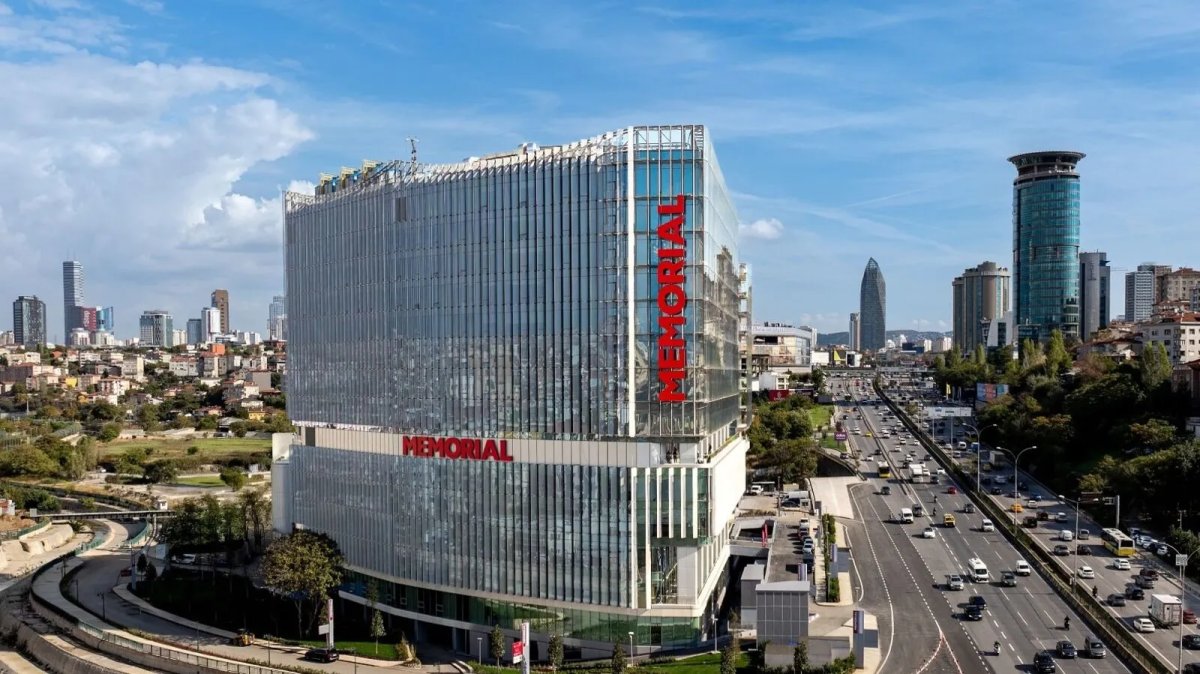
Memorial Sisli Hospital
Turquía, Estambul
Sait Burak Erer
24 años de experiencia

Clínica certificada por : 



Revisado médicamente por
Fahad Mawlood
El costo del tratamiento de la vasculitis en Turquía varía según el plan de tratamiento. Un trasplante de médula ósea alogénico relacionado cuesta aproximadamente 54.800 €, mientras que tanto un trasplante alogénico no relacionado como un trasplante haploidéntico cuestan alrededor de 73.800 € cada uno. Se estima que el procedimiento de injerto de esclerótica cuesta 4.700 €. Procedimientos adicionales, como análisis de sangre detallados, resonancia magnética y evaluaciones patológicas, varían entre 380 € y 2.850 €. El plan de tratamiento se personaliza tras una evaluación exhaustiva por parte del equipo médico.
| España | Turquía | México | |
|---|---|---|---|
| Plasmaféresis | de $12,300 | de $3,200 | de $2,600 |
| Intercambio de plasma | ≈ $2,400 | ≈ $3,900 | ≈ $2,200 |
| Aféresis terapéutica | ≈ $1,400 | de $4,500 | ≈ $1,400 |
| Aféresis selectiva | ≈ $1,800 | ≈ $1,600 | ≈ $1,800 |

Especialista en alergología e inmunología con enfoque en vasculitis, formado en el prestigioso Departamento de Alergología e Inmunología de la Universidad de Ankara.

Profesor asociado de enfermedades infecciosas con investigación en la Facultad de Medicina de Yale – El Dr. Diktas se especializa en enfermedades infecciosas complejas en el Hospital Medipol Acibadem District.

 Olena Sikoza
El tratamiento avanzado de la vasculitis en Turquía implica terapias biológicas dirigidas como Rituximab y Tocilizumab. Los especialistas utilizan la aféresis terapéutica para eliminar rápidamente los anticuerpos dañinos del torrente sanguíneo. Los centros acreditados por la JCI brindan atención multidisciplinaria que involucra a reumatólogos y cirujanos vasculares. La precisión diagnóstica está respaldada por resonancia magnética de 3 Teslas integrada con IA y PET/CT digital.
Perspectiva del experto de Bookimed: Los hospitales universitarios turcos se están convirtiendo en centros de investigación a través de la red TRVaS. Este sistema conecta a más de 45 centros para estandarizar protocolos complejos de vasculitis a nivel nacional. Para los pacientes, esto significa que el Anadolu Medical Center y Medipol Mega ofrecen experiencia de
Los hospitales turcos cuentan con acreditaciones internacionales para casos complejos de inmunología, incluida la vasculitis. Las instalaciones líderes mantienen los estándares de la Joint Commission International (JCI) y certificaciones ISO. Estos centros utilizan equipos multidisciplinarios de reumatólogos y nefrólogos. Instalaciones como el Anadolu Medical Center colaboran con Johns Hopkins Medicine para la atención avanzada de enfermedades autoinmunes.
Perspectiva del experto de Bookimed: Aunque muchos buscan inmunología general, los pacientes deben priorizar las clínicas con laboratorios específicos de tipificación de tejidos. El Hospital Memorial Şişli fue el primero en Turquía en obtener el estatus JCI. También alberga un laboratorio de inmunología especializado acreditado por la Federación Europea de Inmunogenética (EFI). Esta certificación específica suele ser más crítica para e
Las clínicas turcas garantizan la continuidad de la atención a través de coordinadores internacionales dedicados y un monitoreo digital estructurado. Instalaciones como el Hospital Memorial Sisli y el Centro Médico Anadolu utilizan plataformas de telemedicina para consultas remotas. Equipos multidisciplinarios crean planes de atención individualizados. Estos planes incluyen cronogramas de reducción gradual de medicamentos y protocolos de monitoreo de recaídas para el país de origen del paciente.
Perspectiva del experto de Bookimed: Hospitales turcos como el Medipol Mega University Hospital atienden a más de 1,200 pacientes diariamente. Este alto volumen en departamentos de múltiples especialidades permite protocolos de diagnóstico más rápidos en comparación con centros más pequeños. Al buscar atención para la vas
Los paquetes de vasculitis "todo incluido" en Turquía combinan consultas con especialistas, diagnósticos de laboratorio e imágenes con la logística de viaje esencial. Estos programas suelen cubrir traslados al aeropuerto, servicios de traducción multilingüe y alojamiento en hoteles de lujo. La atención médica se centra en la estabilización, infusiones intravenosas y diagnóstico mediante biopsia en instalaciones acreditadas por la JCI.
Perspectiva de expertos de Bookimed: Los datos de los principales centros de Estambul revelan que las clínicas de alto volumen a menudo proporcionan resultados de diagnóstico más rápidos debido a sus laboratorios integrados. Por ejemplo, el Centro Médico Anadolu utiliza una afiliación con Johns Hopkins para mantener estándares estrictos. Los pacientes deben elegir clínicas con departamentos de medicina interna extensos, ya que la vasculitis requiere
El seguro médico internacional es generalmente aceptado en los hospitales turcos acreditados por la JCI para el tratamiento de la vasculitis. La mayoría de las instalaciones privadas en Estambul y Antalya coordinan con proveedores globales. Los pacientes a menudo pagan por adelantado y solicitan el reembolso a su aseguradora posteriormente. La autorización previa es esencial para la atención crónica electiva.
Perspectiva del experto de Bookimed: Los datos muestran que centros como el Anadolu Medical Center o el Memorial Healthcare Group atienden a miles de pacientes internacionales anualmente. Aunque estas instituciones están acreditadas por la JCI, priorizan los resultados clínicos sobre las negociaciones administrativas de seguros. Los pacientes deben obtener una garantía de pago (GoP) por escrito de su aseguradora antes de viajar. Sin este documento, los hospitales generalmente requiere
La terapia de inducción para la vasculitis grave en Turquía requiere normalmente una estancia hospitalaria de 4 a 14 días. Aunque la fase de inducción completa dura de 3 a 6 meses, los pacientes permanecen hospitalizados solo durante infusiones intensivas, cirugía o monitoreo por afectación de órganos vitales.
Perspectiva de expertos de Bookimed: El Anadolu Medical Center y el Hisar Hospital atienden a más de 250,000 pacientes anualmente utilizando equipos multidisciplinarios. Nuestros datos muestran que los protocolos turcos a menudo combinan infusiones hospitalarias con una transición rápida al monitoreo ambulatorio. Esta eficiencia reduce frecuentemente el tiempo total de hospitalización en comparación con las instalaciones europeas o estadounidenses. Los pacientes a menudo se trasladan a u
Los requisitos de visado para el tratamiento de la vasculitis en Turquía dependen de su nacionalidad y la duración de su estancia. Los ciudadanos de más de 70 países entran sin visado durante 90 días. Otros pueden obtener un visado electrónico en línea. Una carta de invitación médica y una prueba de medios económicos son esenciales para la entrada.
Perspectiva del experto de Bookimed: La coordinación es clave para el tratamiento a largo plazo de la vasculitis. Clínicas como el Anadolu Medical Center o Medipol Mega atienden a más de 65.000 pacientes al año. A menudo proporcionan cartas de invitación oficiales una vez que se confirma un plan de tratamiento. Este documento es vital para un despacho de inmigración sin problemas y posibles extensiones de visado más allá de los 90 días.
Consenso de los pacientes: Los pacientes enfatizan la importancia de imprimir el visado