| Italia | España | Estados Unidos | |
| Balón gástrico | de $3,500 | de $3,500 | de $10,000 |
Bookimed no añade cargos adicionales a los precios de Balón gástrico. Las tarifas proceden de las listas de precios oficiales de las clínicas. Pagará directamente en la clínica por su Balón gástrico a su llegada al país.
Bookimed está comprometido con su seguridad. Solo trabajamos con las clínicas que mantienen altos estándares internacionales en Balón gástrico y tienen las licencias necesarias para atender a pacientes internacionales en todo el mundo.
Bookimed ofrece asistencia experta gratuita. Un coordinador médico personal le apoya antes, durante y después del tratamiento, resolviendo cualquier problema. Nunca estará solo en su viaje médico de Balón gástrico.
Más de 500 procedimientos exitosos de funduplicatura de Nissen y Toupet: el Dr. Braun se especializa en cirugía gastrointestinal mínimamente invasiva en el Hospital Maria Cecilia.
El Dr. Alessandro Giovanelli es un cirujano bariátrico con 39 años de experiencia, especializado en obesidad y cirugía general. Ha realizado más de 9,000 operaciones generales abiertas y domina procedimientos complejos como la gastrectomía en manga, el bypass gástrico y el banding gástrico. Utiliza técnicas avanzadas asistidas por video y robótica.
El Dr. Giovanelli ha publicado 70 artículos en revistas médicas internacionales. Está dedicado a la investigación y la docencia en cirugía bariátrica y metabólica. Es miembro de SICOB e IFSO, y posee certificaciones avanzadas en cirugía laparoscópica y robótica de universidades de Italia, Bélgica y EE. UU.
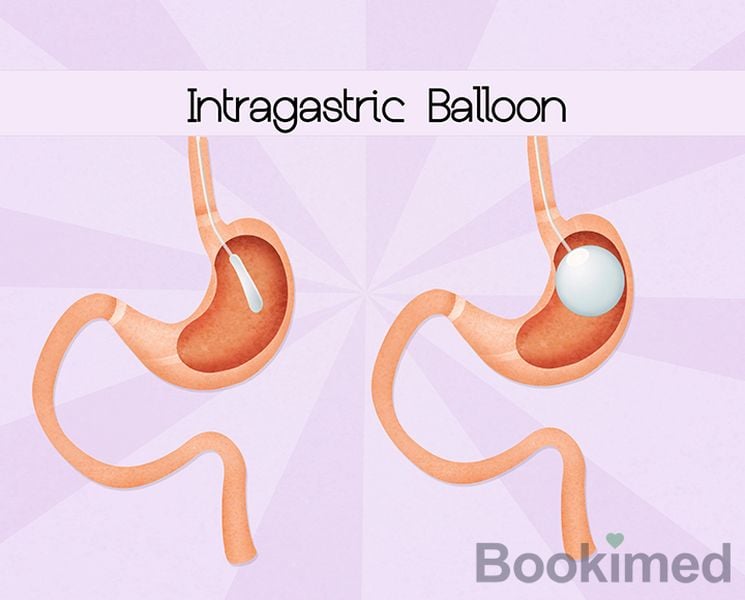
Un globo gástrico es una opción de pérdida de peso no quirúrgica que implica la inserción de un globo en el estómago para reducir la ingesta de alimentos.
The gastric balloon procedure in Italy is safe, with serious complications occurring in less than 3% of cases. Leading Milanese and Roman hospitals maintain high safety standards through IRCCS research accreditation and Italian Society of Bariatric Surgery guidelines to minimize risks like gastric perforation.
Bookimed Expert Insight: Italian bariatric centers often pair clinical research with treatment. Dr. Antonio Braun at Maria Cecilia Hospital has performed over 12,000 gastrointestinal interventions. This high volume often correlates with better management of acid reflux, which affects 18% of balloon patients.
Patient Consensus: Many patients describe the first week as intense, similar to severe food poisoning. Successful outcomes depend on stocking anti-nausea medication and strictly following a liquid diet during the initial adjustment phase.
Ideal candidates for an intragastric balloon in Italy are adults with a Body Mass Index (BMI) between 30 and 40 who have not achieved sustainable weight loss through diet or exercise. Eligible patients may include those with a BMI as low as 27 if they suffer from weight-related comorbidities.
Bookimed Expert Insight: While many view this as a standalone treatment, Italian centers like Galeazzi - Sant'Ambrogio Hospital often use the balloon as neoadjuvant therapy. This strategy lowers surgical risk for patients with a BMI over 50 before they undergo permanent procedures like gastric bypass. This clinical approach prioritizes safety by stabilizing vital signs through initial weight reduction.
Patient Consensus: Patients value how this non-surgical tool helps reset their eating habits without the permanence of surgery. Many highlight the importance of the 6-month removal deadline for maintaining long-term motivation and lifestyle changes.
Patients typically lose 10% to 25% of their total body weight within 6 months. This non-surgical procedure in Italy serves as a metabolic reset. Long-term success depends on lifestyle shifts. Without permanent dietary changes, many patients regain weight within 2 years of removal.
Bookimed Expert Insight: Italian centers like IRCCS Ospedale Galeazzi - Sant'Ambrogio integrate obesity diagnosis with advanced surgical tech. Data shows that high-volume centers performing over 5,000 operations annually offer better long-term monitoring. Choosing a clinic with a dedicated obesity unit is more critical for maintenance than the balloon brand itself.
Patient Consensus: Many see the balloon as a 6-month kickstart rather than a permanent fix. Successful patients emphasize planning for the removal day by committing to high protein intake and daily activity early on.
Gastric balloon placement in Italy is a non-surgical, incision-free procedure that leaves no external scars. Most balloons are inserted endoscopically under mild sedation within 20 to 30 minutes. Some advanced options, like the Allurion balloon, are simply swallowed as a capsule without requiring an endoscopy or anesthesia.
Bookimed Expert Insight: While most Italian centers like San Raffaele utilize endoscopic placement, experienced surgeons such as Dr. Antonio Braun often emphasize tailored balloon selection. If you prefer avoiding sedation entirely, prioritize clinics offering the swallowable capsule, which naturally passes after 16 weeks without an extraction procedure.
Patient Consensus: Expect the insertion to feel like a routine gastroscopy with minor throat soreness. Patients suggest stocking up on anti-nausea medication and ginger ale to manage the initial adjustment period after placement.
Patients typically stay in Italy for 4 to 7 days to complete a comprehensive gastric balloon programme. While the insertion procedure takes 30 to 45 minutes, medical teams recommend 48 to 72 hours of local monitoring to manage initial nausea and ensure successful hydration.
Bookimed Expert Insight: Italian research hospitals like IRCCS Ospedale Galeazzi - Sant'Ambrogio prioritize a multidisciplinary approach. Data shows programs here often extend to 5 days to include diagnostic screenings and metabolic testing. This extra time ensures the balloon is well-tolerated before you fly home.
Patient Consensus: Patients emphasize that while the procedure is quick, the first 48 hours are the most challenging. They suggest staying near the clinic in Milan or Rome to access immediate support if nausea occurs early on.
The Italian National Health Service (SSN) covers gastric balloons only for medically necessary bariatric cases, typically requiring a body mass index over 40. Private insurance rarely provides coverage, as many providers classify the procedure as elective. Most patients pay out-of-pocket at accredited private hospitals.
Bookimed Expert Insight: While public coverage is difficult to secure, choosing high-volume centers like IRCCS Ospedale Galeazzi - Sant'Ambrogio ensures safer outcomes. This clinic serves over 343,500 patients annually and specializes in obesity management. Selecting experienced surgeons like Dr. Antonio Braun, who has performed 12,000 procedures, helps prevent common complications.
Patient Consensus: Patients report that securing public coverage requires extensive paperwork and psychological evaluations. Many choose to pay $3,500 to $5,500 privately to avoid the two-year wait for an evaluation.
Milan, Rome, Bologna, and Naples are Italy most experienced cities for gastric balloon placements. These medical hubs host JCI-accredited research hospitals and private clinics. Specialized centers in Milan and Bologna report high volumes, with leading surgeons performing over 9,000 to 12,000 gastrointestinal interventions.
Bookimed Expert Insight: Data shows a clear distinction between northern and southern Italian hubs. While Naples and Bologna offer competitive pricing starting at $3,500, Milanese centers like IRCCS Galeazzi integrate intensive research activity. These northern clinics often report fewer post-procedure emergency visits due to more robust follow-up protocols included in their standards.
Patient Consensus: Patients prioritize clinics where the lead endoscopist has performed over 500 procedures. Many recommend coordinating with English-speaking staff in Milan centers to ensure smooth communication during recovery.