Balón gástrico en Alemania — obtén 3 clínicas con costos


Revisado médicamente por
Fahad Mawlood
¿Cuál es el precio de Balón gástrico en Alemania? Descubra ahora
De $7,300. Los precios están influenciados principalmente por si se utiliza un balón de 6 o 12 meses. En los EE. UU., procedimientos similares cuestan alrededor de $12,500 en promedio. Los pacientes ahorran alrededor de un 42% en comparación con los precios de EE. UU. Los protocolos alemanes estándar incluyen consultas con especialistas, inserción endoscópica y asesoramiento nutricional.
- Terapia de 12 meses: Por lo general, añade un 50% al costo base de los programas de 6 meses.
- Balones ingeribles: A menudo conllevan un precio superior debido a la tecnología de cápsula.
- Principales centros médicos: Los paquetes en Hamburgo y Düsseldorf pueden costar entre un 15 y un 20% más.
- Tarifas de anestesia: Los servicios de sedación profesional pueden facturarse como un recargo por separado.
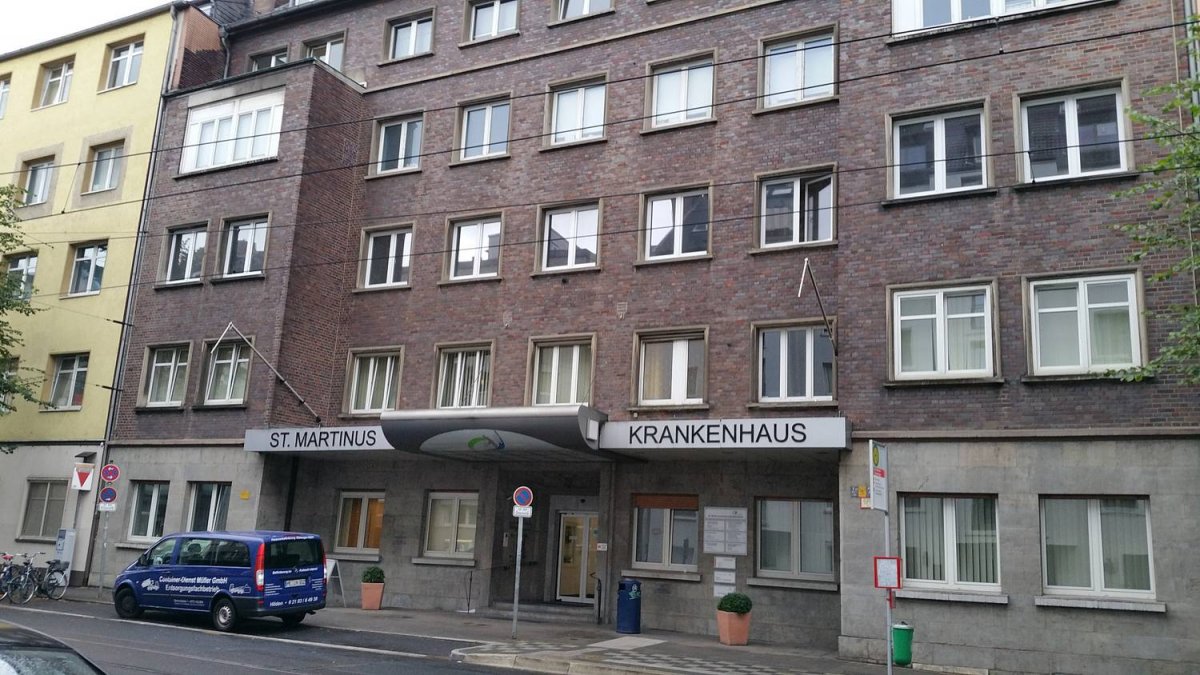
Perspectiva del experto de Bookimed: Elegir un centro acreditado proporciona un valor significativo más allá del procedimiento en sí. St. Martinus-Krankenhaus Düsseldorf es una de las dos únicas clínicas alemanas acreditadas por la Federación Internacional para la Cirugía de la Obesidad y Trastornos Metabólicos. Especialistas destacados como el Dr. Viktor Alexander Krol dirigen centros de obesidad certificados allí. Estas clínicas de alto volumen a menudo integran formación avanzada para dietistas, lo que garantiza un apoyo superior para la pérdida de peso a largo plazo para los pacientes.
| Alemania | España | Estados Unidos | |
|---|---|---|---|
| Balón gástrico | de $7,300 | de $4,500 | ≈ $10,000 |
Sus beneficios y garantías con Bookimed
Precios directos
Bookimed no añade cargos adicionales a los precios de Balón gástrico. Las tarifas proceden de las listas de precios oficiales de las clínicas. Pagará directamente en la clínica por su Balón gástrico a su llegada al país.
Sólo clínicas y médicos verificados
Bookimed está comprometido con su seguridad. Solo trabajamos con las clínicas que mantienen altos estándares internacionales en Balón gástrico y tienen las licencias necesarias para atender a pacientes internacionales en todo el mundo.
Asistencia 24/7 gratuita
Bookimed ofrece asistencia experta gratuita. Un coordinador médico personal le apoya antes, durante y después del tratamiento, resolviendo cualquier problema. Nunca estará solo en su viaje médico de Balón gástrico.

Su coordinador médico personal de Bookimed
- Le apoya en cada etapa
- Ayuda a elegir la clínica y el médico adecuados
- Asegura un acceso rápido y conveniente a la información
Descubra las mejores clínicas de Balón gástrico en Alemania: 2 opciones verificadas y Precios




Descripción general de Balón gástrico en Alemania
- Bypass gástrico - de $12,700Esta operación ayuda a perder peso al alterar el procesamiento de los alimentos que consume en el estómago y el intestino delgado.
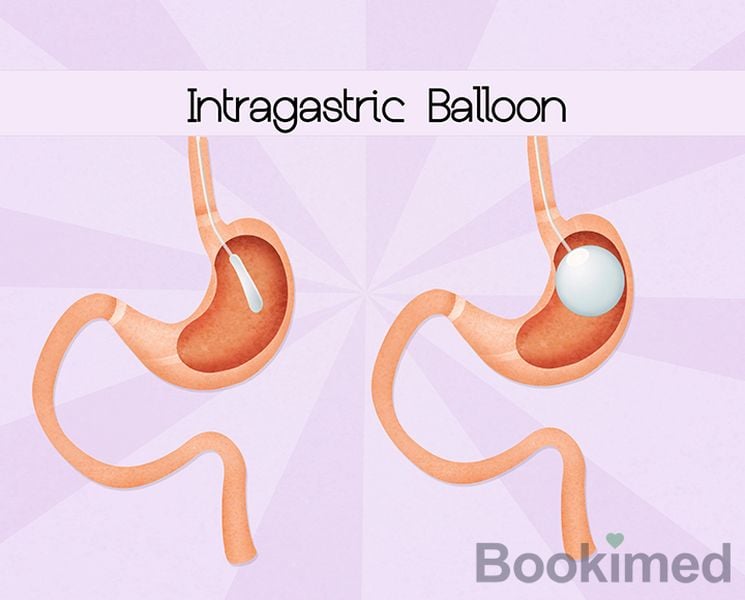
- Balón gástrico - de $7,300Esta terapia consiste en colocar un globo en el estómago, lo que ayuda a perder peso al limitar la ingesta de alimentos y reducir el hambre.
- Cirugía metabólica - de $10,800Este procedimiento, para la obesidad y la diabetes, altera el intestino para mejorar las regulaciones metabólicas y la salud del cuerpo.
- Grapado de estómago - de $8,500Esta operación reduce el tamaño del estómago, favoreciendo la pérdida de peso. Es rápido, relativamente seguro y notablemente efectivo.
- Derivación biliopancreática - de $17,500La operación es una cirugía de pérdida de peso que redirige la digestión, reduciendo sustancialmente la absorción de calorías.
- Cirugía de bypass gástrico Da Vinci - de $23,000Esta cirugía promueve la pérdida de peso a través de una técnica asistida por robot, restringiendo el tamaño del estómago y desviando el intestino delgado.
- Bypass gástrico en Y de Roux - de $12,500Esta operación reduce el tamaño del estómago y desvía la ruta de los alimentos para bajar de peso, mejorando problemas de salud como la diabetes.
- Gastroplastia endoscópica en manga (ESG) - de $12,000Esta operación reduce el tamaño del estómago a través de suturas, promoviendo la pérdida de peso sin invasión quirúrgica, ofreciendo beneficios de recuperación rápida.
Día 1 - Llegada
- Llegada al país.
- Reciba un traslado VIP a la clínica.
- Registro de entrada en el hotel.
- Descanso por el día.
Día 2 - Preoperatorio
- Reunión con el cirujano bariátrico.
- Someterse a las pruebas médicas necesarias.
- Recibir instrucciones preoperatorias.
Día 3 - Día de la operación
- Ingreso a la clínica.
- Someterse al procedimiento de balón gástrico bajo sedación.
- El procedimiento dura 20-30 minutos.
- Alta de la clínica por la tarde.
Día 4 - Postoperatorio
- Descanso en el hotel.
- Siga el plan de dieta prescrito.
- Tome medicamentos para el dolor y las náuseas si es necesario.
Día 5 - Salida
- Salida desde el hotel.
- Traslado VIP al aeropuerto.
- Salida del país.
Semana 1 - Rehabilitación
- Sigue una dieta líquida.
- Introduce gradualmente los alimentos sólidos.
- Evite las actividades extenuantes.
Semana 2 en adelante
- Regreso al trabajo y actividades normales.
- Consultas de seguimiento con el cirujano.
- Ver el resultado final después de seis meses.
Tenga en cuenta: este plan puede variar según las condiciones de salud individuales y las recomendaciones del cirujano.
Lo que les gusta a los pacientes:
- Precio. El costo del balón gástrico en Alemania oscila entre $ 3500 y $ 5000. Este precio asequible, en comparación con el costo promedio de $8000 en los EE. UU., es muy apreciado por los pacientes.
- Profesionalidad de los médicos. Los pacientes elogian el alto nivel de experiencia y profesionalismo de los médicos alemanes, muchos de los cuales son miembros de asociaciones médicas internacionales y han realizado numerosos procedimientos con éxito.
- Nivel de servicio. Las clínicas alemanas son conocidas por su excelente servicio, con un personal atento y atento. Los pacientes a menudo elogian los procesos fluidos y eficientes desde el registro hasta el soporte posterior al procedimiento.
- Eficacia del balón gástrico. Los pacientes informan una pérdida de peso significativa y una mejor salud después de sus procedimientos de balón gástrico en Alemania. El uso de técnicas y tecnologías modernas contribuye a estos resultados exitosos.
- Logística. Los pacientes aprecian la logística conveniente que ofrecen las clínicas alemanas, incluido el registro rápido, las pruebas eficientes y el alojamiento cómodo.
Lo que no les gusta a los pacientes:
- Tiempo de espera. Algunos pacientes han informado largos tiempos de espera para citas y procedimientos. Sin embargo, esto a menudo se debe a la gran demanda de procedimientos con balón gástrico en Alemania.
- Molestias posteriores al procedimiento. Si bien esto es común a todos los procedimientos con balón gástrico, algunos pacientes han encontrado que la incomodidad posterior al procedimiento es bastante desafiante.
- Barrera del idioma. Aunque la mayoría del personal médico alemán habla inglés, algunos pacientes han tenido dificultades para comunicarse debido a las barreras del idioma.
- Depósito de Bookimed: 200 $ o 200 €.
- Depósito de la clínica: Pague un porcentaje fijo por adelantado.
Bookimed, una plataforma líder mundial en turismo médico, se compromete a ayudar a los clientes que buscan un balón gástrico en Alemania ofreciéndoles asistencia experta y soluciones médicas confiables para cada situación. Se utiliza un sistema de clasificación automático inteligente para elaborar listas de clínicas transparentes, mantenidas meticulosamente por un científico de datos que utiliza IA para mayor precisión. La plataforma garantiza la autenticidad al publicar reseñas de pacientes reales después de sus tratamientos. Bookimed ofrece soluciones médicas integrales, con actualizaciones de las clínicas para garantizar la confiabilidad. El contenido sobre el balón gástrico en Alemania, elaborado por autores médicos experimentados y revisado por especialistas, cumple con las pautas editoriales de Bookimed , lo que refleja el compromiso de la plataforma de brindar información de salud clara y de alta calidad. Para obtener más detalles o consultas, no dude en contactarnos en marketing@bookimed.com o obtenga más información sobre nosotros y nuestra misión Acerca de Bookimed .
Obtenga una evaluación médica para Balón gástrico en Alemania: Elija su especialista entre los mejores en el campo
Ver todos los médicos
Viktor Alexander Krol
El Dr. Krol dirige el centro certificado de tratamiento de la obesidad del St. Martinus-Krankenhaus de Düsseldorf, especializado en procedimientos endoscópicos de pérdida de peso, como los balones gástricos.
- Jefe de Gastroenterología y Medicina Interna con amplia experiencia
- Utiliza técnicas endoscópicas avanzadas para el tratamiento de la obesidad
- Dirige un centro certificado con altos estándares de tratamiento
- Proporciona atención integral para afecciones gastrointestinales y metabólicas

Peter Schenker
El profesor Schenker dirige el Departamento de Cirugía del Hospital Académico de Solingen, especializándose en técnicas mínimamente invasivas para afecciones gastrointestinales.
- Especialista en cirugía visceral con 19 años de experiencia
- Experto en procedimientos oncológicos gastrointestinales mínimamente invasivos
- Cirujano jefe del primer centro certificado de cáncer colorrectal de Alemania
- Pionero en métodos quirúrgicos modernos, incluidas técnicas asistidas por robot
- Investigador y conferenciante activo en oncología quirúrgica

Walid Eljabu
El Dr. Walid Eljabu cuenta con una triple certificación en Cirugía Plástica y Estética, Cirugía de la Mano y Cirugía de Trauma, lo que aporta precisión a los procedimientos de balón gástrico en Esthétique du Nord.
- Su amplia experiencia en cirugía reconstructiva mejora la seguridad
- Formado en el Reino Unido y Alemania con especialización estética adicional
- Miembro de la Sociedad Americana de Cirujanos Plásticos
- Director general y cirujano jefe en Esthétique du Nord Hamburgo
Reseñas
Todas las reseñasCompartir contenido
Historias en video de pacientes de Bookimed
 Olena Sikoza
Datos сlave sobre Balón gástrico
Globo Gástrico
Un globo gástrico es una opción de pérdida de peso no quirúrgica que implica la inserción de un globo en el estómago para reducir la ingesta de alimentos.
Preguntas frecuentes sobre Balón gástrico en Alemania
¿Quién es un candidato elegible para un balón gástrico en Alemania?
Los candidatos elegibles para un balón gástrico en Alemania suelen ser adultos con un índice de masa corporal (IMC) entre 27 y 40. Este procedimiento no quirúrgico es adecuado para personas que no han logrado resultados sostenibles mediante dieta o ejercicio, pero que aún no califican para una cirugía bariátrica permanente.
- Criterios de peso: El grupo objetivo principal incluye a personas con un índice de masa corporal de 27 a 40.
- Historial médico: Los candidatos no deben tener cirugías gástricas previas ni hernias hiatales grandes de más de 5 cm.
- Compromiso con el estilo de vida: Los pacientes deben comprometerse a recibir asesoramiento dietético supervisado y terapia conductual durante el tratamiento.
- Estado de salud: La elegibilidad requiere la ausencia de úlceras gástricas, enfermedad de Crohn o trastornos activos de la coagulación sanguínea.
Perspectiva del experto de Bookimed: Las clínicas alemanas como el St. Martinus-Krankenhaus de Düsseldorf a menudo sirven como bases de formación nacional para dietistas. Este enfoque en la educación significa que los pacientes reciben un apoyo nutricional altamente estructurado. Este nivel de orientación profesional es esencial para mantener la pérdida de peso después de retirar el balón.
Consenso de los pacientes: Muchos pacientes consideran que el balón es una herrami
¿Cuánto peso perderé con un balón gástrico?
Los pacientes suelen perder entre el 10% y el 15% de su peso corporal total en 6 meses. Esto suele resultar en una pérdida de 9 a 23 kg. Los resultados alcanzan su punto máximo alrededor del mes 5 antes de la extracción. El éxito depende de los cambios en el estilo de vida y la supervisión médica en centros de obesidad especializados en Alemania.
- Rango de pérdida de peso: La mayoría de los pacientes pierden entre el 10% y el 15% de su peso corporal total.
- Pérdida de peso típica: Los resultados promedio oscilan entre 9 y 23 kg.
- Cronología máxima: La reducción de peso máxima ocurre entre el mes 5 y el mes 6.
- Impacto inicial: Se produce una pérdida rápida del 11% durante los primeros 3 meses.
Perspectiva del experto de Bookimed: Alemania ocupa el tercer lugar a nivel mundial en solicitudes médicas, en parte porque centros como el St. Martinus-Krankenhaus Düsseldorf están acreditados por la Federación Internacional de Obesidad. Estas clínicas especializadas ofrecen un apoyo dietético de alta densidad que ayuda a los pacientes a alcanzar el umbral superior del 20% de pérdida de peso. De $7,300.
Consenso de l
¿Qué sucede si el balón se rompe o tiene una fuga?
Si un balón gástrico tiene una fuga en Alemania, las características de seguridad modernas suelen teñir la orina de verde o azul para alertarle de inmediato. Este cambio de color ocurre porque los especialistas alemanes, como los del St. Martinus-Krankenhaus de Düsseldorf, a menudo llenan los balones de solución salina con colorante azul de metileno para garantizar la seguridad del paciente.
- Detección temprana: El cambio de color de la orina señala una fuga antes de que el balón pueda desinflarse por completo.
- Paso seguro: Los balones desinflados generalmente pasan naturalmente a través del tracto digestivo sin intervención quirúrgica.
- Obstrucción intestinal: Los balones grandes parcialmente desinflados pueden migrar, lo que requiere una extracción endoscópica para evitar bloqueos.
- Monitoreo experto: Los centros bariátricos alemanes acreditados brindan asistencia de emergencia las 24 horas del día, los 7 días de la semana, para obtener imágenes de diagnóstico inmediatas.
Perspectiva del experto de Bookimed: Elegir una clínica como el St. Martinus-Krankenhaus de Düsseldorf, que cuenta con la acreditación de la Federación Internacional para la Cirugía de la Obesidad y Trastornos Metabólicos, ofrece un margen de seguridad. Su centro especializado en obesidad gestiona mayores volúmenes de pacientes que las clínicas generales. Esta concentra
¿Qué efectos secundarios ocurren inmediatamente después de la colocación?
¿Cómo se retira el balón al finalizar el tratamiento?
La retirada del balón gástrico en Alemania es un procedimiento endoscópico rápido y no quirúrgico que se realiza bajo sedación ligera. Un gastroenterólogo inserta un endoscopio para desinflar el dispositivo de silicona y luego extrae la cubierta vacía a través de la boca. Todo el proceso suele durar entre 15 y 20 minutos en los centros de obesidad certificados de Alemania.
- Desinflado endoscópico: Los médicos utilizan una aguja especializada para drenar la solución salina estéril a través del endoscopio.
- Extracción transoral: Los cirujanos utilizan una pinza médica para extraer el balón colapsado a través del esófago.
- Protocolo de sedación: Los pacientes reciben anestesia crepuscular o propofol para una experiencia cómoda y sin recuerdos.
- Recuperación el mismo día: La mayoría de los pacientes abandonan la clínica pocas horas después de un breve periodo de observación.
Perspectiva de expertos de Bookimed: Mientras que muchos proveedores se centran en la rapidez del procedimiento, las mejores clínicas de Alemania, como el St. Martinus-Krankenhaus de Düsseldorf, integran la retirada en un programa certificado más amplio. Elegir un centro con acreditación de la Asociación Alemana de Diabetes garantiza que su metabolismo sea monitoreado tras la retirada, lo cual es vital para prevenir la recuperación inmediata de peso una vez que el dispositi
¿Qué tipos de balones gástricos están disponibles en Alemania?
Alemania ofrece tres balones gástricos principales: la cápsula deglutible Allurion, el balón endoscópico tradicional de 6 meses (Orbera) y el sistema ajustable Spatz3 de 12 meses. Estos dispositivos médicos cuentan con el marcado de seguridad CE y están disponibles en centros especializados en pérdida de peso en ciudades como Düsseldorf y Hamburgo.
- Cápsula deglutible: Allurion no requiere anestesia y se elimina de forma natural después de unos 4 meses.
- Endoscópico de 6 meses: Los balones de silicona estándar como Orbera requieren sedación y extracción endoscópica.
- Ajustable de 12 meses: Spatz3 permite cambios en el volumen de líquido para controlar las náuseas o los estancamientos en la pérdida de peso.
- Supervisión médica: Centros líderes como el St. Martinus-Krankenhaus ofrecen programas especializados de tratamiento de la obesidad.
Perspectiva del experto de Bookimed: Aunque muchos eligen la opción deglutible de 4 meses por comodidad, el St. Martinus-Krankenhaus en Düsseldorf ofrece una ventaja clínica. Como una de las dos únicas clínicas alemanas acreditadas por la Federación Internacional de Cirugía de la Obesidad y Trastornos Metabólicos, ofrecen formación dietética integrada. Este apoyo es vital porque los balones ajustables de 12 meses a menudo producen una mayor pérdida de peso al permitir que los médicos aumenten el volumen a m
¿Qué hospitales en Alemania tienen las calificaciones más altas en neurocirugía?
Alemania alberga algunos de los departamentos de neurocirugía más prestigiosos del mundo, liderados por la Charité – Universitätsmedizin Berlin y el Hospital Universitario de Heidelberg. Estos centros destacan en el tratamiento de tumores cerebrales complejos y enfermedades cerebrovasculares. Para maximizar la eficacia de sus procedimientos, utilizan tecnologías de vanguardia como la resonancia magnética intraoperatoria y la neuronavegación asistida por computadora.
- Charité Berlín: Realiza más de 5000 cirugías al año. La clínica está dirigida por el reconocido neurocirujano Dr. Peter Vaikoczy.
- Centro Médico Solingen: El Dr. Ralf Buhl ha realizado más de 4.000 cirugías, incluidas cirugías de columna mínimamente invasivas.
- Clínica Asklepios Nord: equipada con el único sistema de resonancia magnética intraoperatoria bilateral de Alemania para garantizar precisión quirúrgica en tiempo real durante la extirpación del tumor.
- Clínica Nordwest: reconocida por la revista Newsweek como un hospital líder por su innovación en tecnología de ultrasonido 3D.
Opinión experta de Bookimed: Los datos muestran que elegir centros con un alto volumen quirúrgico suele llevar a recomendaciones de tratamiento más conservadoras. En el Centro Médico Solingen, que atiende a más de 60.000 pacientes al año, los cirujanos suelen sugerir fisioterapia en lugar de cirugía
¿Cuáles son las tasas de éxito de los procedimientos neuroquirúrgicos complejos en Alemania?
En Alemania, los procedimientos neuroquirúrgicos de alta complejidad demuestran una seguridad excepcional. Las tasas de éxito en las fusiones espinales alcanzan el 99 %. La tasa de supervivencia en las resecciones de tumores cerebrales primarios es del 97 %. La independencia funcional es alta. Más del 82 % de los pacientes reciben el alta inmediatamente después del tratamiento. Los centros alemanes priorizan la preservación de la función neurológica mediante técnicas modernas de mapeo.
- Resección de tumores: los cirujanos logran una resección tumoral completa en el 87,2% de los casos de metástasis cerebrales.
- Éxito en el tratamiento de enfermedades vasculares: los hospitales alemanes informan de una tasa de supervivencia del 98,7% para aneurismas no rotos.
- Mejora del estado neurológico: casi el 43% de los pacientes experimentan una mejora de los parámetros funcionales después de resecciones complejas.
- Seguridad de las intervenciones quirúrgicas: En grandes centros quirúrgicos, las tasas de supervivencia de los pacientes después de la cirugía de columna son del 98-99%.
Opinión experta de Bookimed: Cirujanos experimentados como el Dr. Uwe Köhler, de la Clínica Asklepios Altona, realizan más de 2000 cirugías al año. Los datos muestran que estos especialistas mantienen tasas de éxito de hasta el 90 %, incluso en los tumores cerebrales más comp
¿Qué tecnologías avanzadas suelen estar disponibles en las clínicas neuroquirúrgicas alemanas?
Las clínicas neuroquirúrgicas alemanas incorporan regularmente instrumentos digitales de alta precisión y visualización en tiempo real a la práctica quirúrgica. Entre las tecnologías clave se encuentra la neuronavegación computarizada para cirugías de cerebro y médula espinal. Instituciones como la Clínica Asklepios Nord utilizan la resonancia magnética intraoperatoria para verificar la extirpación de tumores en tiempo real. Estos sistemas proporcionan a los cirujanos navegación GPS 3D.
- Neuronavegación: proporciona visualización 3D y seguimiento de instrumentos en tiempo real para lograr precisión quirúrgica hasta el nivel submilimétrico.
- Imágenes intraoperatorias: sistemas como iMRI y O-arm CT permiten la confirmación inmediata de una resección exitosa.
- Neuromonitorización: Monitorea las funciones motoras y sensoriales durante la cirugía para proteger el sistema nervioso.
- Diagnóstico de fluorescencia: se utiliza el colorante 5-ALA para resaltar los bordes del tumor para una eliminación más completa.
- Asistencia robótica: Sistemas como el Da Vinci mejoran la precisión en procedimientos complejos y mínimamente invasivos.
Opinión experta de Bookimed: Grandes centros como la Charité – Universitätsmedizin de Berlín realizan más de 4000 procedimientos neuroquirúrgicos al año, lo que crea un entorno rico en datos para p
¿Qué formación especializada reciben los neurocirujanos en ejercicio en Alemania?
En Alemania, los neurocirujanos deben completar una residencia especializada de seis años tras graduarse de la facultad de medicina. Este programa estructurado incluye cuidados intensivos, práctica clínica y una revista quirúrgica obligatoria. Posteriormente, los candidatos aprueban un examen estatal para obtener el título de residente (Facharzt für Neurochirurgie).
- Residencia clínica: requiere de 48 a 72 meses de práctica neuroquirúrgica especializada.
- Cuidados intensivos: incluye una pasantía obligatoria de 6 meses en una unidad de cuidados intensivos neuroquirúrgicos.
- Revista quirúrgica: los cirujanos documentan cientos de cirugías, incluidas craneotomías y cirugías de columna.
- Examen de licencia: Los solicitantes deben aprobar un examen médico oral y práctico administrado por el estado.
Opinión experta de Bookimed: La formación neuroquirúrgica alemana se centra en una amplia experiencia quirúrgica. Por ejemplo, el Dr. Ralf Buhl, del Centro Médico Solingen, ha realizado más de 4000 cirugías. El Dr. Jürgen Kiwit, del Hospital Meoklinik, cuenta con más de 25 años de experiencia. Este riguroso sistema garantiza que los especialistas de los principales centros aborden casos complejos con una precisión demostrada.
Comentarios de los pacientes: Los pacientes se sienten seguros al saber que sus médicos han recibido año