Terapia con células madre en Malasia — obtén 3 clínicas con costos


Revisado médicamente por
Fahad Mawlood
¿Cuál es el precio de Terapia con células madre en Malasia? Descubra ahora
De $25,000. El precio final depende de la fuente de las células, los requisitos de dosificación y la condición médica específica que se esté tratando. En los EE. La mayoría de los presupuestos incluyen consultas con especialistas, tarifas de laboratorio y el procedimiento en sí.
- Terapia con células madre mesenquimales: Precio a consultar a Precio a consultar para tratamiento sistémico o localizado.
- Curso de tratamiento con células madre propias: $6,500 a $14,000 utilizando técnicas de recolección autóloga.
- Tratamiento con células madre para la cirrosis hepática: Precio a consultar a Precio a consultar para soporte orgánico avanzado.
- Tratamiento de la diabetes mellitus con células madre: $14,000 a $30,000 para el control metabólico.
- Células de donante alogénico: A menudo añaden un costo adicional sobre las células autólogas debido a los rigurosos protocolos de detección.
Perspectiva del experto de Bookimed: Malasia es un líder mundial en protocolos específicos para el corazón. Clínicas como Vita Medical Wellness combinan células mesenquimales con contrapulsación externa mejorada (EECP). Este enfoque dual se dirige a la recuperación de accidentes cerebrovasculares e insuficiencia cardíaca con tasas de éxito reportadas del 100%. Elegir clínicas en Kuala Lumpur o Selangor brinda acceso a médicos pioneros como el Dr. Chin Sze Piaw, quien preside el Registro Nacional de Células Madre.
| Malasia | España | Turquía | |
|---|---|---|---|
| Terapia con células madre | de $25,000 | de $33,600 | de $1,600 |
| Tratamiento de la diabetes mellitus con células madre | ≈ $14,000 | ≈ $9,500 | de $7,400 |
| Terapia con células madre para las rodillas | ≈ $3,600 | de $35,000 | de $4,000 |
| Terapia con células madre para la parálisis cerebral | ≈ $7,500 | ≈ $6,500 | ≈ $9,500 |
| Terapia con células madre para la enfermedad de Parkinson | ≈ $9,000 | ≈ $30,000 | de $12,000 |
Sus beneficios y garantías con Bookimed
Precios directos
Bookimed no añade cargos adicionales a los precios de Terapia con células madre. Las tarifas proceden de las listas de precios oficiales de las clínicas. Pagará directamente en la clínica por su Terapia con células madre a su llegada al país.
Sólo clínicas y médicos verificados
Bookimed está comprometido con su seguridad. Solo trabajamos con las clínicas que mantienen altos estándares internacionales en Terapia con células madre y tienen las licencias necesarias para atender a pacientes internacionales en todo el mundo.
Asistencia 24/7 gratuita
Bookimed ofrece asistencia experta gratuita. Un coordinador médico personal le apoya antes, durante y después del tratamiento, resolviendo cualquier problema. Nunca estará solo en su viaje médico de Terapia con células madre.

Su coordinador médico personal de Bookimed
- Le apoya en cada etapa
- Ayuda a elegir la clínica y el médico adecuados
- Asegura un acceso rápido y conveniente a la información
Descubra las mejores clínicas de Terapia con células madre en Malasia: 5 opciones verificadas y Precios



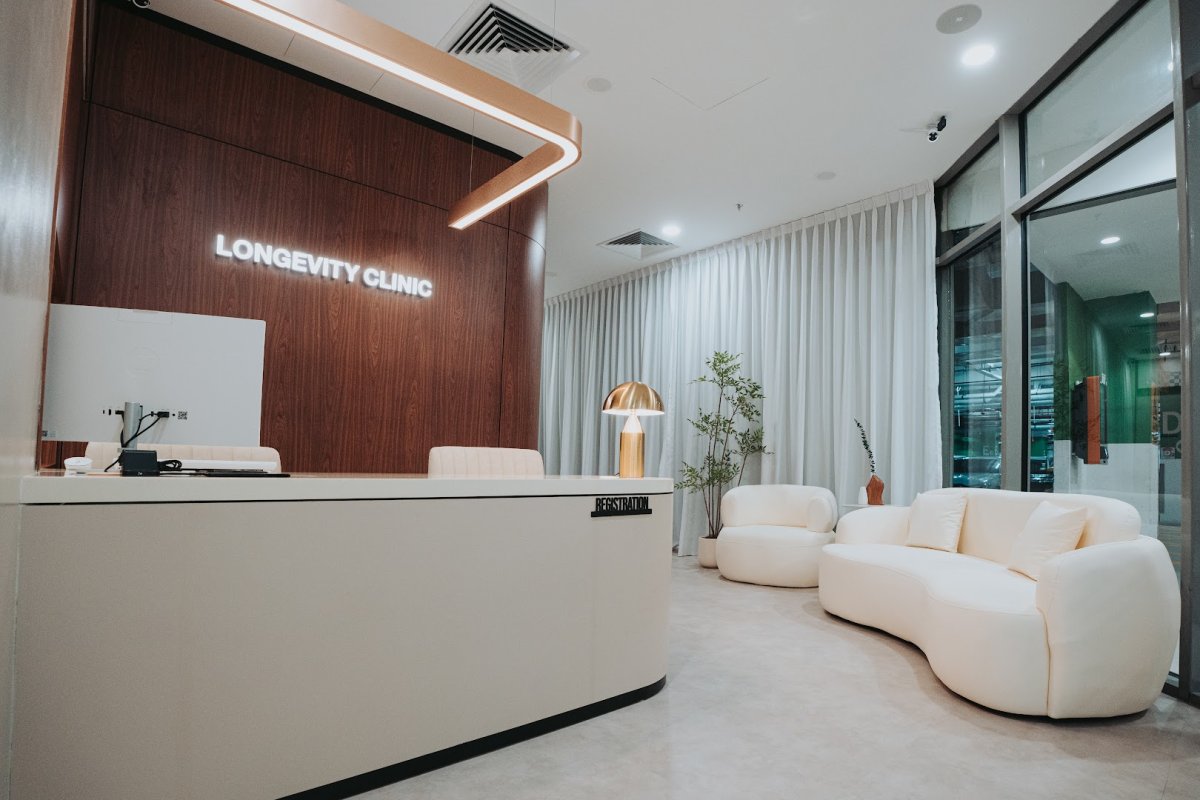
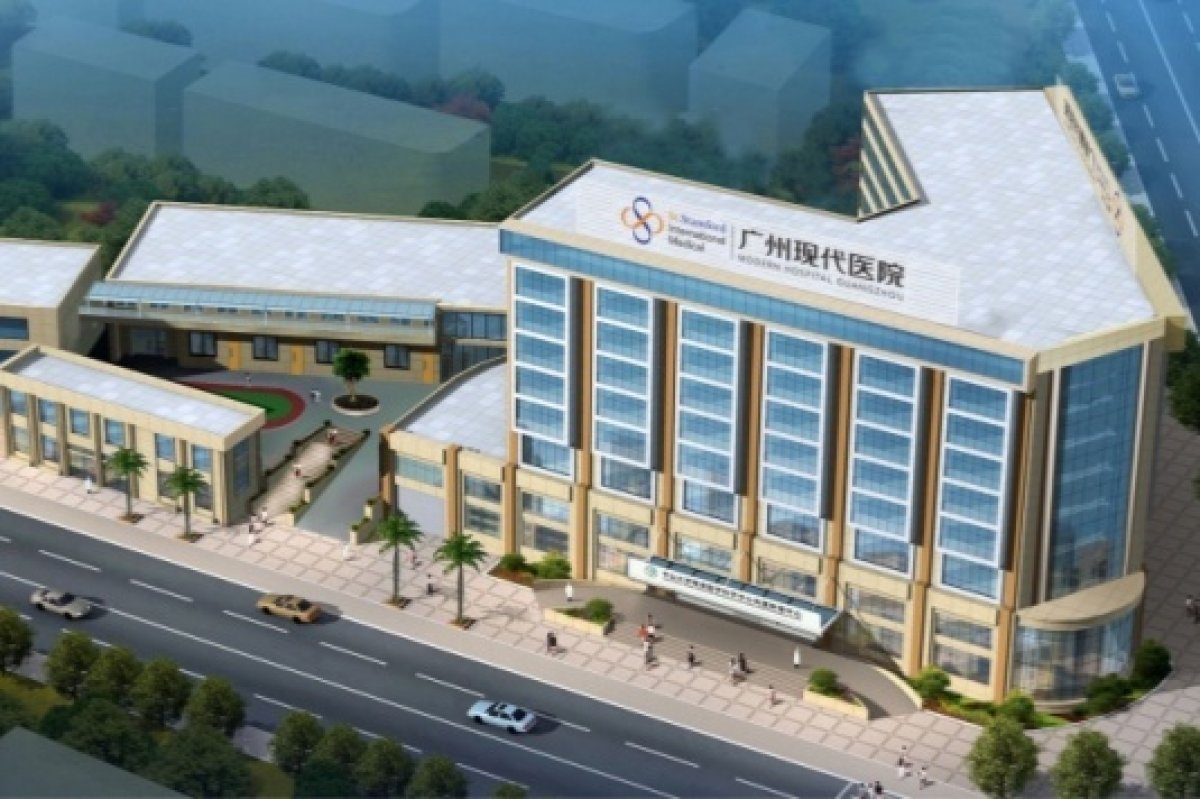
Centro médico Vita Medical Wellness

Descripción general de Terapia con células madre en Malasia
- Terapia con células madre - de $25,000Esta terapia es un tratamiento que usa células del cuerpo para reparar tejidos dañados. Es eficiente, seguro y versátil.
- Terapia con células madre para la artritis - de $3,500Esta terapia utiliza las propias células para reparar las articulaciones dañadas, reduciendo el dolor y la inflamación asociados con la artritis.
- Terapia con células madre para el autismo - de $6,500Esta terapia utiliza las propias células del cuerpo para reparar el daño cerebral relacionado con el autismo y ofrece una mejor conducta social.
- Esta terapia utiliza células regenerativas para tratar el daño cerebral y mejorar las funciones motoras en personas con parálisis cerebral.
- Esta terapia utiliza células mantenidas por el cuerpo para retrasar la progresión de la enfermedad de Parkinson, mejorando la función y la actividad del cerebro.
- Esta terapia utiliza células madre para reparar las células pancreáticas dañadas, lo que podría controlar los síntomas de la diabetes.
- Terapia con células madre para las rodillas - de $3,600Esta terapia se basa en el potencial de autocuración, inyectando células recolectadas en las articulaciones de la rodilla para reparar el cartílago dañado.
- Curso de tratamiento con células madre propias - de $6,500Esta terapia utiliza sus células madre para reparar células y tejidos dañados, mejorando su salud.
Día 1
- Llegada al país y traslado al hotel.
- Descansa y aclimate a la nueva zona horaria.
Dia 2
- Traslado del hotel a la clínica.
- Consultar con un especialista sobre la terapia.
- Sométete a una ecografía de tiroides.
Día 3
- Preparación para la terapia con células madre.
- Someterse a las pruebas médicas necesarias.
Día 4
- Comenzar la terapia con células madre.
- La terapia suele durar varias horas.
- Se utiliza anestesia general.
Dia 5
- Procesamiento postoperatorio en la clínica.
- Permanecer en una cámara individual para la recuperación.
Semana 1-2
- Comenzar la rehabilitación si es necesario.
- Regreso gradual a las actividades diarias.
Semana 3-4
- Continuar la rehabilitación.
- Posible reincorporación al trabajo, según recuperación.
Semana 5-6
- Evaluación final de los resultados de la terapia.
- Vuelta a los deportes y otras actividades pesadas.
Tenga en cuenta que el tiempo de recuperación de cada paciente puede variar según las circunstancias individuales y el estado general de salud.
- Depósito de Bookimed: 200 $ o 200 €.
- Depósito de la clínica: Pague un porcentaje fijo por adelantado.
Obtenga una evaluación médica para Terapia con células madre en Malasia: Elija su especialista entre los mejores en el campo
Ver todos los médicos
Chin Sze Piaw
El Prof. Chin Sze Piaw preside el Registro Nacional de Células Madre, un papel clave en el panorama de la terapia con células madre en Malasia.
- como cardiólogo intervencionista
- Miembro de la Asociación Nacional del Corazón de Malasia
- Miembro del Consejo Médico de Malasia
- Doctor en Medicina por la Universidad de Malaya
Historias en video de pacientes de Bookimed
Artículos relacionados
Ver más
Dónde recibir terapia con células madre: TOP 10 Países
Escrito por Mariia Mytrofankina

Cómo la terapia con células madre para las articulaciones ayudó a Andrea a olvidarse del dolor: historia de éxito
Escrito por Kateryna Zamkovska

Tratamiento capilar con células madre: Coste, beneficios y la ciencia que hay detrás de esta técnica revolucionaria
Escrito por Mariia Mytrofankina

¿Es segura la terapia con células madre?
Escrito por Mariia Mytrofankina

¿Dónde puedo recibir tratamiento con células madre para la lesión medular?
Escrito por Mariia Mytrofankina
Compartir contenido
 Olena Sikoza
Preguntas frecuentes sobre Terapia con células madre en Malasia
¿Es legal y segura la terapia con células madre en Malasia?
La terapia con células madre es legal en Malasia bajo la estricta supervisión de la Agencia Nacional de Regulación Farmacéutica (NPRA). Si bien los trasplantes hematopoyéticos para trastornos sanguíneos son estándar, los tratamientos mesenquimales para el envejecimiento o las articulaciones siguen siendo experimentales. La seguridad es alta en hospitales con licencia del Ministerio de Salud que utilizan laboratorios certificados con Buenas Prácticas de Fabricación.
- Marco legal: Las directrices del Ministerio de Salud (MOH) restringen el uso rutinario a condiciones hematológicas específicas.
- Estado experimental: Los tratamientos estéticos y regenerativos requieren la aprobación de ensayos clínicos o el registro del producto ante la NPRA.
- Fuentes prohibidas: Las células embrionarias y de origen animal son estrictamente ilegales para uso terapéutico en Malasia.
- Seguridad clínica: Centros acreditados como Klinik De Palma reportan una tasa de éxito del 99% en rejuvenecimiento.
Perspectiva del experto de Bookimed: Las credenciales de los expertos definen la seguridad aquí más que en la mayoría de las regiones. El Prof. Dr. Chin Sze Piaw, quien ejerce en el Beverly Wilshire Medical Centre, se desempeña como presidente del Registro Nacional de Células Madre. Los pacientes deben buscar médicos con este nivel de participación regulatoria nacional
¿Cuáles son los principales riesgos para la salud de la terapia con células madre?
Los principales riesgos para la salud incluyen infecciones virales o bacterianas graves, formación de tumores, rechazo del sistema inmunológico y diferenciación celular inapropiada. Los pacientes también pueden enfrentar complicaciones vasculares como coágulos sanguíneos o embolias pulmonares. Los altos estándares de seguridad en las clínicas de Malasia ayudan a mitigar estos riesgos mediante el procesamiento controlado de células y protocolos de células mesenquimales.
- Riesgo de infección: El procesamiento celular mal monitoreado puede introducir bacterias, virus o patógenos fúngicos dañinos.
- Formación de tumores: Las células que se multiplican rápidamente pueden crecer sin control o formar tumores benignos llamados teratomas.
- Rechazo inmunológico: Las células del donante pueden desencadenar un ataque inmunológico, lo que podría conducir a la enfermedad de injerto contra huésped.
- Migración celular: Las células inyectadas pueden moverse a partes del cuerpo no deseadas, causando un crecimiento tisular inapropiado.
- Seguridad vascular: Las altas concentraciones de células en infusiones intravenosas pueden desencadenar coágulos sanguíneos peligrosos u obstrucciones.
Perspectiva del experto de Bookimed: Las tasas de éxito de la terapia de rejuvenecimiento con células madre en Malasia alcanzan el 99% en centros especi
¿De dónde provienen las células madre utilizadas en las clínicas de Malasia?
Las clínicas de Malasia utilizan células madre derivadas de tejidos humanos adultos o fuentes perinatales, incluyendo médula ósea, grasa y tejido del cordón umbilical. Regulados por el Ministerio de Salud, estos tratamientos prohíben estrictamente las células de origen animal o embrionario, garantizando el cumplimiento ético y la seguridad del paciente mediante una rigurosa supervisión de la Agencia Nacional de Regulación Farmacéutica.
- Fuentes autólogas: Los médicos extraen células de la propia médula ósea, tejido adiposo o sangre del paciente.
- Fuentes perinatales: Las clínicas utilizan frecuentemente la gelatina de Wharton de los cordones umbilicales o sangre de cordón de donantes.
- Células mesenquimales: Los laboratorios aíslan estas células versátiles para tratamientos sistémicos y afecciones neurodegenerativas en Malasia.
- Fuentes prohibidas: El uso de células madre de origen animal (oveja, ciervo) o embrionarias humanas está completamente prohibido.
Perspectiva del experto de Bookimed: Las tasas de éxito de terapias celulares específicas en Malasia que alcanzan el 99% subrayan la importancia de la experiencia clínica. El Prof. Chin Sze Piaw, quien se desempeña como presidente del Registro Nacional de Células Madre, proporciona un nivel de confianza regulatoria que rara vez se encuentra en otros centros médicos.
Consenso de los
¿Puede la terapia con células madre curar la artrosis avanzada o el daño articular?
La terapia con células madre no puede curar la artrosis avanzada ni el daño articular de hueso contra hueso. Ningún tratamiento médico actual reconstruye de manera fiable el cartílago completamente perdido ni revierte la degeneración grave. Funciona principalmente como una potente herramienta antiinflamatoria para reducir el dolor crónico y mejorar la movilidad durante 6 a 12 meses.
- Limitación funcional: La artrosis grave de grado 4 carece del andamiaje tisular necesario para la adhesión de nuevo cartílago.
- Mecanismo principal: Las células actúan mediante señalización paracrina para reducir la inflamación en lugar de regenerar tejido.
- Evidencia clínica: Los estudios muestran que las inyecciones de células madre a menudo proporcionan un alivio del dolor similar a las inyecciones de corticosteroides.
- Solución definitiva: El reemplazo articular robótico sigue siendo el estándar de oro para restaurar la función en casos avanzados.
Perspectiva del experto de Bookimed: Malasia ofrece una experiencia de alto nivel con líderes como el Prof. Chin Sze Piaw, quien preside el Registro Nacional de Células Madre. Si bien clínicas como Klinik De Palma reportan una alta satisfacción en rejuvenecimiento, los pacientes deben centrarse en el manejo de los síntomas. Elegir un centro que combine tratamientos mesenquimales con cardiología especializada o mon
¿Cómo verifico que una clínica esté debidamente autorizada para administrar células madre?
Para verificar si una clínica está autorizada para la terapia con células madre en Malasia, consulte al médico tratante en la base de datos del Malaysian Medical Council (MMC). Los centros legítimos deben poseer licencias válidas del Ministerio de Salud (MOH) y cumplir con los Estándares Nacionales para el Trasplante de Células Madre.
- Credenciales del médico: Verifique las licencias a través del Malaysian Medical Council y el National Specialist Register.
- Licencia de la instalación: Asegúrese de que la clínica cuente con la aprobación del Ministerio de Salud (MOH) para establecimientos de salud privados.
- Origen de las células: Solicite documentación por escrito que confirme el origen y los estándares de procesamiento de los materiales biológicos.
- Certificaciones específicas: Busque médicos con una Carta de Acreditación y Privilegios (LCP).
Perspectiva del experto de Bookimed: Malasia mantiene uno de los sistemas de supervisión más organizados del mundo a través del National Stem Cell Registry. Al elegir un especialista, busque líderes como el Prof. Chin Sze Piaw en el Beverly Wilshire Medical Centre. Su papel como presidente de este registro garantiza el más alto nivel de cumplimiento normativo y seguridad procedimental en el país.
Consenso de los pacientes: Los pacientes recomiendan verificar la instalación a tr
¿Cuánto dura una sesión típica de tratamiento con células madre?
Una sesión típica de tratamiento con células madre en Malasia dura de 30 minutos a 4 horas. La duración depende principalmente del método de administración y de si las células se extraen durante la misma visita. Las inyecciones articulares localizadas son las más rápidas, mientras que las infusiones intravenosas sistémicas requieren más tiempo para la administración y el seguimiento.
- Duración de la inyección: Las inyecciones articulares suelen tardar de 10 a 20 minutos en la administración real.
- Tiempo de infusión: La administración intravenosa suele requerir de 30 a 90 minutos de tiempo de goteo activo.
- Factor de extracción: La extracción de médula ósea o grasa el mismo día añade de 2 a 3 horas para el procesamiento.
- Estancia total en la clínica: La preparación y la observación posterior al procedimiento a menudo prolongan las visitas totales a 4 horas.
Opinión de los expertos de Bookimed: Las señales de calidad en Malasia a menudo se correlacionan con el liderazgo institucional. Clínicas como el Beverly Wilshire Medical Centre cuentan con expertos como el Prof. Chin Sze Piaw, quien preside el Registro Nacional de Células Madre. Esta supervisión clínica sugiere protocolos más estandarizados que pueden conducir a ventanas de citas más predecibles.
Consenso de los pacientes: Los pacientes informan que, si bien la
¿Cuándo empezaré a ver resultados después de la inyección?
Los pacientes suelen empezar a ver resultados entre 6 y 12 semanas después de la terapia con células madre en Malasia. Aunque pueden aparecer mejoras funcionales sutiles después de 1 semana, los cambios significativos en la movilidad y el alivio del dolor suelen alcanzar su punto máximo alrededor de los 3 a 6 meses, a medida que los tejidos se regeneran.
- Fase temprana: Durante las semanas 1 a 6 pueden producirse cambios sutiles iniciales o brotes temporales.
- Pico funcional: Las mejoras significativas en la movilidad y las actividades diarias suelen aparecer entre los meses 2 y 3.
- Reparación a largo plazo: La regeneración de tejidos para articulaciones, tendones y cartílagos a menudo continúa hasta por 6 meses.
- Indicadores de éxito: Una mejor calidad del sueño y una recuperación más rápida después de la actividad a menudo preceden a una reducción notable del dolor.
Perspectiva de expertos de Bookimed: Los datos de proveedores malayos de primer nivel como Klinik De Palma y Vita Medical Wellness muestran que el éxito depende de una experiencia de alto volumen. Estas clínicas reportan tasas de éxito que alcanzan del 99% al 100% para tratamientos específicos de rejuvenecimiento y mesenquimales. Los pacientes deben priorizar a médicos como el Dr. Andes Lai, quien ha realizado más de 30,000 procedimientos, para garantizar una aplicación precis