Tratamiento de sangre de cordón umbilical en Turquía — obtén 3 clínicas con costos


Revisado médicamente por
Fahad Mawlood
¿Cuál es el precio de Tratamiento de sangre de cordón umbilical en Turquía? Descubra ahora
El costo de la terapia con células madre de cordón umbilical en Turquía suele oscilar de _price_from_ a _price_to_. Los precios varían según la clínica, la experiencia del médico y el protocolo de tratamiento (número de infusiones de células madre, atención ambulatoria u hospitalaria). UU.
En Turquía, el precio generalmente incluye la consulta inicial, el procesamiento en laboratorio de la sangre o tejido del cordón umbilical, el aislamiento de las células madre, el procedimiento de infusión y las visitas básicas de seguimiento. En EE. UU., los costos de la terapia con células madre a menudo solo incluyen el tratamiento en sí, con cargos separados por las tarifas de laboratorio, consultas y atención de seguimiento. Siempre confirmar qué servicios están incluidos en el paquete de cada clínica.
Beneficios clave
¿Por qué elegir Turquía para la terapia con células madre del cordón umbilical?
- Clínicas acreditadas: Hospitales certificados por JCI y centros acreditados por el Ministerio de Salud de Turquía ofrecen servicios de salud de alta calidad.
- Tecnologías innovadoras: Las clínicas emplean técnicas de vanguardia, incluyendo el uso de Células Madre Mesenquimales (MSCs) y métodos sofisticados de criopreservación. Estos aseguran una viabilidad y efectividad celular óptimas.
- Altas tasas de éxito: La terapia con células madre del cordón umbilical demuestra una tasa de eficacia del 70-80% en el tratamiento de condiciones como anemia aplásica y enfermedad renal crónica.
- Cirujanos expertos: Especialistas líderes como el Prof. Dr. Aydın Ünal, reconocido en nefrología, aportan una amplia experiencia con más de 500 casos exitosos de terapia con células madre. Están respaldados por certificaciones internacionales.
Accede a soluciones avanzadas de terapia con células madre del cordón umbilical en clínicas de confianza .
Sus beneficios y garantías con Bookimed
Precios directos
Bookimed no añade cargos adicionales a los precios de Tratamiento de sangre de cordón umbilical. Las tarifas proceden de las listas de precios oficiales de las clínicas. Pagará directamente en la clínica por su Tratamiento de sangre de cordón umbilical a su llegada al país.
Sólo clínicas y médicos verificados
Bookimed está comprometido con su seguridad. Solo trabajamos con las clínicas que mantienen altos estándares internacionales en Tratamiento de sangre de cordón umbilical y tienen las licencias necesarias para atender a pacientes internacionales en todo el mundo.
Asistencia 24/7 gratuita
Bookimed ofrece asistencia experta gratuita. Un coordinador médico personal le apoya antes, durante y después del tratamiento, resolviendo cualquier problema. Nunca estará solo en su viaje médico de Tratamiento de sangre de cordón umbilical.

Su coordinador médico personal de Bookimed
- Le apoya en cada etapa
- Ayuda a elegir la clínica y el médico adecuados
- Asegura un acceso rápido y conveniente a la información
Descubra las mejores clínicas de Tratamiento de sangre de cordón umbilical en Turquía: 7 opciones verificadas y Precios










Descripción general de Tratamiento de sangre de cordón umbilical en Turquía
- Terapia con células madre - de $1,600Esta terapia es un tratamiento que usa células del cuerpo para reparar tejidos dañados. Es eficiente, seguro y versátil.
- Terapia con células madre para la artritis - de $4,400Esta terapia utiliza las propias células para reparar las articulaciones dañadas, reduciendo el dolor y la inflamación asociados con la artritis.
- Terapia con células madre para el autismo - de $7,500Esta terapia utiliza las propias células del cuerpo para reparar el daño cerebral relacionado con el autismo y ofrece una mejor conducta social.
- Esta terapia utiliza células regenerativas para tratar el daño cerebral y mejorar las funciones motoras en personas con parálisis cerebral.
- Esta terapia utiliza células mantenidas por el cuerpo para retrasar la progresión de la enfermedad de Parkinson, mejorando la función y la actividad del cerebro.
- Esta terapia utiliza células madre para reparar las células pancreáticas dañadas, lo que podría controlar los síntomas de la diabetes.
- Terapia con células madre para las rodillas - de $4,000Esta terapia se basa en el potencial de autocuración, inyectando células recolectadas en las articulaciones de la rodilla para reparar el cartílago dañado.
- Curso de tratamiento con células madre propias - de $4,500Esta terapia utiliza sus células madre para reparar células y tejidos dañados, mejorando su salud.
Día 1
- Llegada al país e instalarse en su alojamiento.
- Prepárese para un traslado regular a la clínica.
Dia 2
- Sométete a una consulta con un hematólogo.
- Reciba ayuda con el idioma si es necesario.
- Realizar las pruebas médicas necesarias para el tratamiento.
Día 3
- Someterse a procedimientos adicionales si así lo requieren los especialistas.
- Recibir resultados de exámenes médicos.
Día 4
- Comienza el proceso de tratamiento con sangre de cordón umbilical.
- El tratamiento dura alrededor de 2-3 horas.
- Se utiliza anestesia local durante el proceso.
Dia 5
- Los procedimientos posteriores al tratamiento se realizan en la clínica.
- Permanezca en la clínica para observación durante 24 horas.
Semana 1
- Comenzar el proceso de rehabilitación si es necesario.
- Se sugiere actividad limitada durante esta semana.
Semana 2
- Gradualmente regrese al trabajo u otras actividades.
- Continúe con el proceso de rehabilitación si es necesario.
Semana 3
- Regresar a los deportes u otras actividades extenuantes.
- Espere ver los resultados finales del tratamiento.
Tenga en cuenta que el caso de cada paciente es individual y puede variar. Consulte siempre con su especialista para obtener información precisa.
- Depósito de Bookimed: 200 $ o 200 €.
- Depósito de la clínica: Pague un porcentaje fijo por adelantado.
Obtenga una evaluación médica para Tratamiento de sangre de cordón umbilical en Turquía: Elija su especialista entre los mejores en el campo
Ver todos los médicos
Husrev Diktas
Profesor asociado de enfermedades infecciosas con investigación en la Facultad de Medicina de Yale – especializado en tratamientos avanzados en el Hospital de Distrito Medipol Acibadem.
- Investigó el desarrollo de vacunas para enfermedades transmitidas por garrapatas en Yale
- Ex jefe de la unidad de turismo de salud del Ministerio de Salud de Turquía
- Formación de especialización en enfermedades infecciosas y microbiología clínica
- Más de una década de experiencia en el tratamiento de enfermedades infecciosas

Nail Paksoy
El profesor asociado Nail Paksoy se especializa en oncología médica en el Hospital Medipol Bahçelievler, con una extensa investigación en tratamientos avanzados contra el cáncer.
- Oncólogo certificado por la ESMO
- Participó en 8 ensayos clínicos internacionales para nuevas terapias
- Publicó más de 30 artículos revisados por pares sobre resultados oncológicos
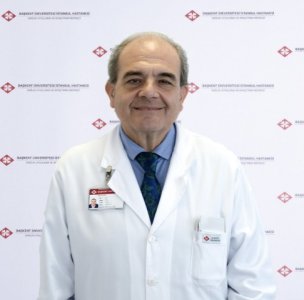
Ali Inal
El Prof. Dr. Ali Inal cuenta con 26 años de experiencia especializada en inmunología y terapia con células madre, y actualmente dirige la investigación en el Hospital Universitario Başkent de Estambul.
- Dirige el Departamento de Inmunología y Alergia
- Experto en tormentas de citoquinas e inmunología de trasplantes
- Ha publicado extensamente sobre terapias del sistema inmunológico
- Forma a la próxima generación de especialistas en inmunología

Sevil Bilir
La Dra. Sevil Bilir se especializa en terapias con células madre pediátricas en el Hospital del Distrito Medipol Acibadem, con años de experiencia en investigación académica y clínica.
- Más de _doctor_7668_años_ de experiencia en pediatría e investigación con células madre
- Ex profesora asociada en la Facultad de Medicina de la Universidad Abant Izzet Baysal
- Amplia experiencia en bioquímica y salud pediátrica
- Miembro de prestigiosas instituciones médicas
Reseñas
Todas las reseñas
Compartir contenido
Historias en video de pacientes de Bookimed
 Olena Sikoza
Preguntas frecuentes sobre Tratamiento de sangre de cordón umbilical en Turquía
¿Cuándo es el mejor momento para ir a Turquía?
La principal ventaja de los resorts turcos es una larga temporada de playa. En la costa mediterránea, comienza en abril y dura hasta noviembre. En los centros turísticos del mar Egeo, de mayo a octubre. El momento más cómodo para nadar es desde mediados de junio hasta finales de octubre. Una gran afluencia de turistas ocurre en julio-agosto, cuando la temperatura del aire es de + 38 ° C y el agua se calienta a + 27 ° C.
¿Cuál es el nivel de la medicina en Turquía?
El cuidado de la salud es un sector de desarrollo clave del gobierno turco. Las autoridades turcas están convencidas de que el cuidado de la salud de los ciudadanos debe ser una prioridad incondicional de la política estatal y gastan anualmente alrededor de 77 mil millones de liras en atención médica.
Como resultado, 28,000 instalaciones médicas brindan excelente atención médica en el país. Alrededor de 50 centros están certificados por JCI (Comisión Internacional Conjunta) , un organismo internacional para mejorar la calidad y seguridad de los servicios médicos en todo el mundo. El índice de certificados recibidos es el más grande. A modo de comparación, hay 20 instituciones acreditadas por la JCI en Israel y solo 10 clínicas de este tipo en Alemania.
¿Qué necesitas saber sobre Turquía antes de tu viaje?
| Moneda | lira (el pago de los servicios también es posible en dólares y euros) |
| Mejor época para viajar | mayo-octubre |
| Idioma | Turco (la mayoría del personal médico habla inglés con fluidez) |
| Visa | no se requiere para viajar al menos 30 días por visita |
| Diferencia horaria con Europa | 3 horas |
| Diferencia horaria de Estados Unidos | 8 en punto |
| Capital | Ankara |
| Centro de Turismo Médico | Estanbul |
| Estaciones populares | Alanya, Antalya, Kemer, Marmaris |
¿Necesito una visa?
Para 2020, la República de Turquía tiene acuerdos sin visa con 89 estados. Algunos extranjeros están exentos de obtener una visa de entrada, otros deben obtener una visa electrónica (e-Visa) y otros deben solicitar una visa en las representaciones turcas en el extranjero.
Qué estados necesitan una visa para el tratamiento en Turquía y qué países puede cruzar libremente la frontera fácil y simplemente lea aquí .
¿Qué documentos se requieren para solicitar una visa a Turquía para recibir tratamiento?
Las visas para viajar a Turquía requieren una serie de documentos . La documentación necesaria se puede presentar 90 días antes de la salida prevista. La lista de documentos incluye:
- tarjeta de identificación
- confirmación del registro en línea y llenado del cuestionario
- certificado de ingresos y disponibilidad de fondos ($ 50 por día por persona)
- póliza de seguro de estancia en Turquía (original y copia)
- 2 fotos (5x6)
- obtener una visa
- reserva de vuelos y hoteles
- opinión del médico sobre la necesidad de tratamiento.
¿Qué servicios hoteleros se brindan aquí?
En Turquía hay hoteles de diferentes rangos de precios y niveles de servicio. El nivel de los hoteles turcos es comparable al de los hoteles de Túnez, Marruecos o Egipto. La mayoría de los turistas eligen hoteles de 4 y 5 estrellas con comidas todo incluido. Dichos hoteles tienen todo para una estancia confortable: comida variada, amplio territorio bien cuidado, animación para niños y adultos. Algunos hoteles tienen su propio parque acuático, que los huéspedes pueden utilizar de forma gratuita. Los viajeros con poco presupuesto pueden permitirse reservar un hotel económico de 3 estrellas con media pensión o sin comidas.