Discectomía y fusión cervical anterior en México — obtén 3 clínicas con costos


Revisado médicamente por
Fahad Mawlood
¿Cuál es el precio de Discectomía y fusión cervical anterior en México? Descubra ahora
De $8,500. Los precios pueden variar según el hospital, la experiencia del neurocirujano, la cantidad de niveles espinales tratados y el tipo de implante o caja utilizado. UU.
Los hospitales mexicanos generalmente incluyen diagnósticos preoperatorios, cirugía, anestesia, el implante (caja de titanio o PEEK), 1–2 noches de hospitalización, medicamentos y seguimiento postoperatorio. En EE. UU., el precio base suele cubrir solo los honorarios del cirujano, con cargos separados por anestesia, implantes, estancia hospitalaria y rehabilitación. Siempre confirmar qué servicios están incluidos en el precio cotizado.
Beneficios clave
| España | Turquía | México | |
|---|---|---|---|
| Discectomía y fusión cervical anterior | de $23,100 | de $8,900 | de $8,500 |
Sus beneficios y garantías con Bookimed
Precios directos
Bookimed no añade cargos adicionales a los precios de Discectomía y fusión cervical anterior. Las tarifas proceden de las listas de precios oficiales de las clínicas. Pagará directamente en la clínica por su Discectomía y fusión cervical anterior a su llegada al país.
Sólo clínicas y médicos verificados
Bookimed está comprometido con su seguridad. Solo trabajamos con las clínicas que mantienen altos estándares internacionales en Discectomía y fusión cervical anterior y tienen las licencias necesarias para atender a pacientes internacionales en todo el mundo.
Asistencia 24/7 gratuita
Bookimed ofrece asistencia experta gratuita. Un coordinador médico personal le apoya antes, durante y después del tratamiento, resolviendo cualquier problema. Nunca estará solo en su viaje médico de Discectomía y fusión cervical anterior.

Su coordinador médico personal de Bookimed
- Le apoya en cada etapa
- Ayuda a elegir la clínica y el médico adecuados
- Asegura un acceso rápido y conveniente a la información
Descubra las mejores clínicas de Discectomía y fusión cervical anterior en México: 3 opciones verificadas y Precios



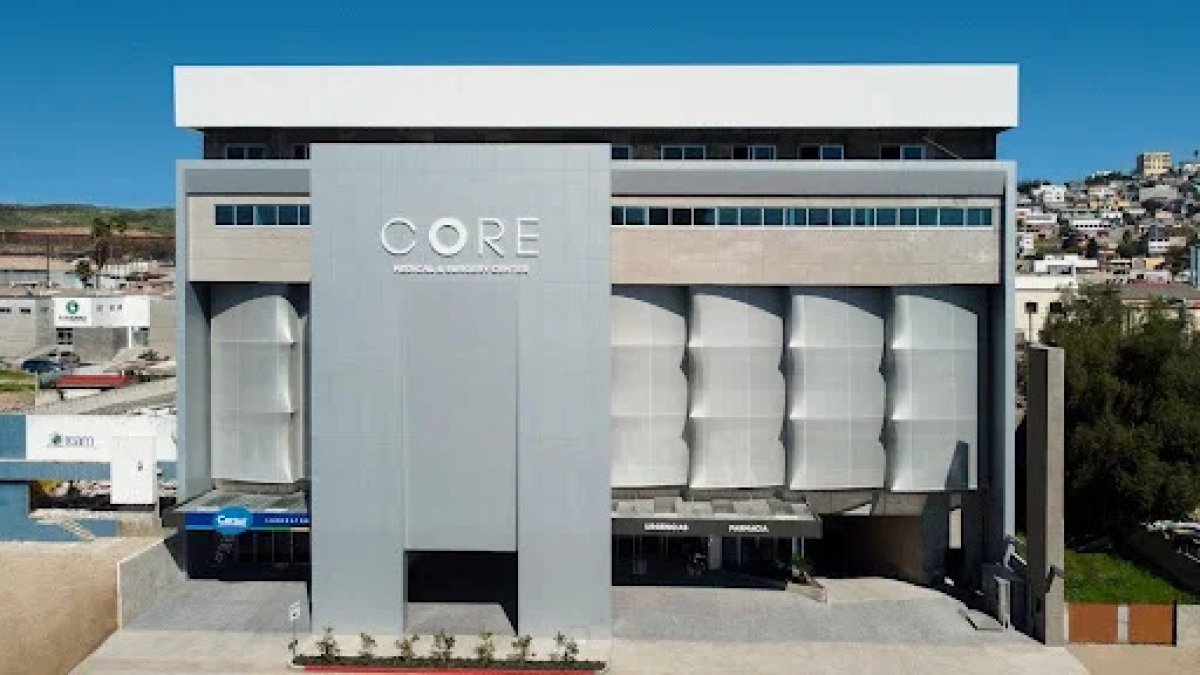
Advance Health Medical Center
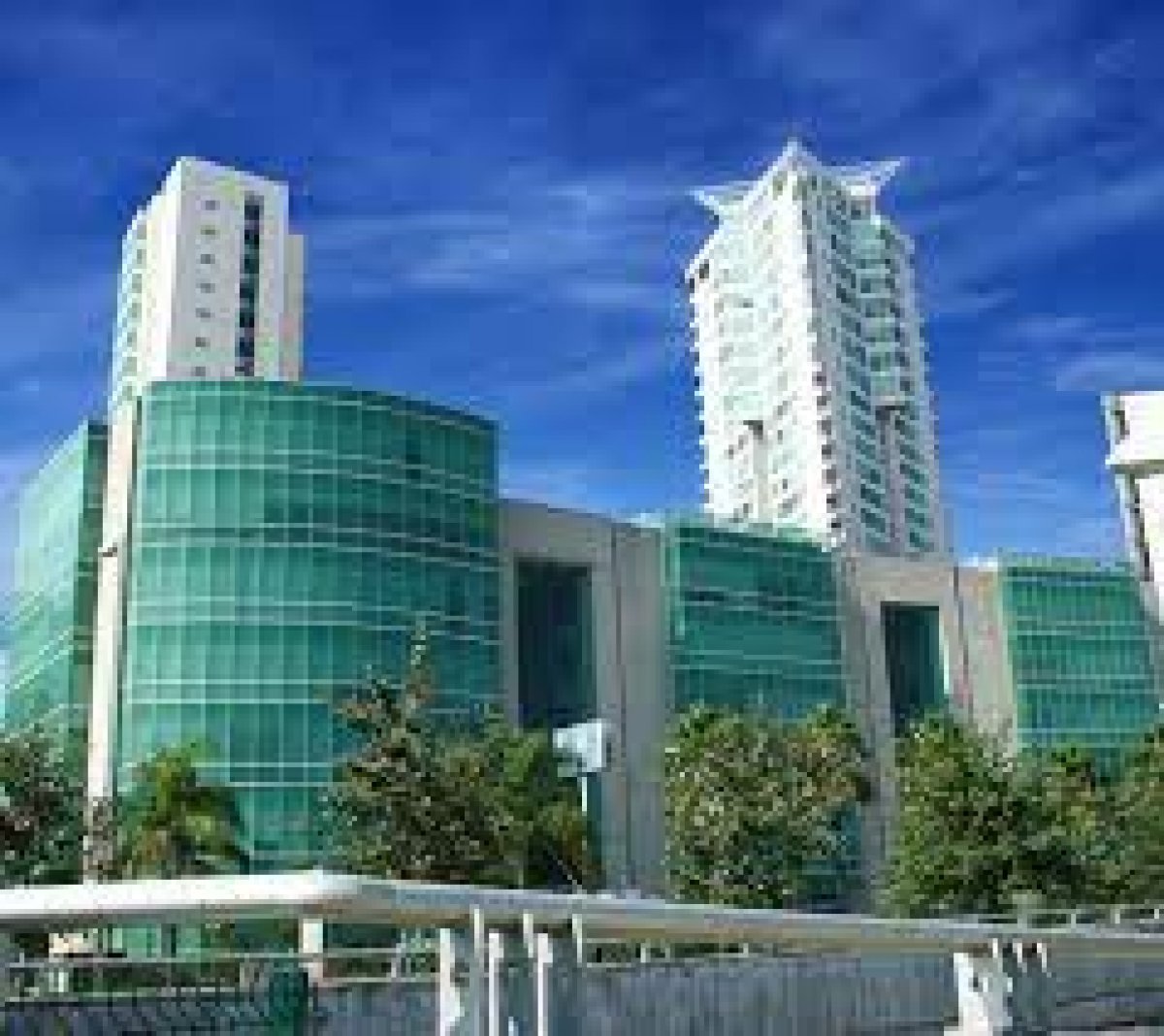
GDL Neurocirugía de Alta Especialidad
Descripción general de Discectomía y fusión cervical anterior en México
- Traquelectomía (cervicectomía) - de $2,500La operación consiste en extirpar el cuello uterino para tratar el cáncer de cuello uterino en etapa temprana y preservar la fertilidad.
- Conización cervical (biopsia de cono) - de $1,500La cirugía extrae una parte en forma de cono del cuello uterino para diagnosticar o tratar los precursores del cáncer de cuello uterino.
- La operación Wertheim-Meigs - de $14,000El procedimiento es una histerectomía radical para tratar el cáncer de cuello uterino avanzado, que implica la extirpación del útero, los tejidos circundantes y los ganglios linfáticos.
- Discectomía y fusión cervical anterior - de $8,500La operación alivia el dolor de cuello y brazo mediante la extracción de un disco dañado en el cuello, seguido de una fusión espinal.
Día 1
- Llegada al aeropuerto del país.
- Traslado al hotel 4* para alojamiento.
- Relájese y aclimate al nuevo entorno.
Dia 2
- Traslado a la clínica para consulta inicial.
- Reúnase con el neurocirujano y el anestesiólogo.
- Sométete a una resonancia magnética de la cabeza.
Día 3
- Prepárese para el procedimiento de discectomía y fusión cervical anterior.
- Someterse al procedimiento bajo anestesia general.
- La cirugía dura unas 2-3 horas.
Día 4
- Comience el cuidado postoperatorio en la clínica.
- Recibir manejo del dolor y cuidado de heridas.
- Iniciar fisioterapia suave.
Día 5-7
- Permanezca en la clínica para seguimiento y cuidados postoperatorios adicionales.
- Continuar con fisioterapia.
Semana 1-2
- Alta de la clínica y traslado al hotel.
- Descanso y recuperación en el hotel.
- Asistir a la cita de seguimiento en la clínica.
Semana 3-4
- Continuar la recuperación en casa.
- Reanudar actividades ligeras.
Semana 5-8
- Regreso gradual al trabajo.
- Reanudar actividades moderadas.
Semana 9-12
- Reanude todas las actividades normales.
- Ver resultados finales de la cirugía.
El cronograma de recuperación de cada paciente puede variar según el estado de salud individual y la complejidad de la cirugía.
- Depósito de Bookimed: 200 $ o 200 €.
- Depósito de la clínica: Pague un porcentaje fijo por adelantado.
Historias en video de pacientes de Bookimed
Reseñas
Todas las reseñasCompartir contenido
 Olena Sikoza
Preguntas frecuentes sobre Discectomía y fusión cervical anterior en México
¿Son seguros los hospitales y cirujanos en México para una cirugía mayor de columna como la ACDF?
La cirugía de columna en México es segura cuando se realiza en instalaciones acreditadas por el Consejo de Salubridad General o la Joint Commission International. Los centros privados de primer nivel mantienen riesgos de infección del 1% al 3%. Los cirujanos certificados por el Consejo Mexicano de Ortopedia o Neurocirugía garantizan resultados clínicos de alta calidad.
- Certificaciones de seguridad: Verifique la acreditación CSG en instalaciones como el Hospital de la Familia en Mexicali.
- Credenciales del cirujano: Asegúrese de que los cirujanos posean la certificación del Consejo Mexicano de Cirugía Neurológica (CMN).
- Estándares de hardware: Confirme el uso de implantes de titanio aprobados por COFEPRIS o la FDA.
- Monitoreo postoperatorio: Exija una estancia hospitalaria mínima de 24 horas para un monitoreo estrecho de la respiración y las vías respiratorias.
Perspectiva de expertos de Bookimed: Los pacientes a menudo pasan por alto la ventaja geográfica de las clínicas en ciudades fronterizas. El Hospital de la Familia en Mexicali está situado a solo unos pasos de la frontera con California. Esta proximidad simplifica el viaje postoperatorio y permite un acceso más fácil a la fisioterapia de seguimiento en comparación con el centro de México.
Consenso de los pacientes: Muchos pacientes consideran que obtener nota
¿Cuáles son los principales riesgos o desventajas de someterse a una ACDF en México?
Los principales riesgos de una ACDF en México incluyen un seguimiento postoperatorio fragmentado y la posible dificultad para asegurar la atención de seguimiento en su país de origen. Aunque clínicas como el Hospital de la Familia mantienen altos estándares, los pacientes deben gestionar los riesgos de los viajes internacionales, las diferencias en el sistema legal y las brechas de comunicación durante la recuperación.
- Logística de seguimiento: El monitoreo remoto complica los controles esenciales de fusión ósea a los 1 y 3 meses.
- Reticencia de los proveedores: Los cirujanos del país de origen pueden negarse a tratar complicaciones de una cirugía que no realizaron.
- Riesgos de viaje: Los viajes aéreos tempranos aumentan significativamente el riesgo de trombosis venosa profunda y estrés biomecánico.
- Variación regulatoria: Los estándares de COFEPRIS difieren de los de la FDA, lo que requiere una verificación cuidadosa de la formación de especialidad del cirujano.
Perspectiva del experto de Bookimed: Los datos de más de 900 solicitudes médicas en México muestran una clara tendencia de seguridad. Centros de neurocirugía de primer nivel como GDL High Specialty Neurosurgery atienden a casi 700 pacientes al año. Elegir clínicas de alto volumen a menudo garantiza un mejor respaldo de UCI y marcas de implantes estandarizadas. Asegúrese siempre de
¿Cuál es la tasa de éxito clínico de la cirugía ACDF?
La cirugía ACDF mantiene una tasa de éxito clínico de entre el 85% y el 95% en cuanto a la satisfacción general del paciente y el alivio de los síntomas. Los resultados son mejores para el dolor irradiado en el brazo, con hasta un 100% de pacientes que reportan una mejoría significativa. Los procedimientos de un solo nivel logran una fusión ósea exitosa en el 94% al 97% de los casos.
- Alivio del dolor en el brazo: Resultados altamente efectivos con un 93% al 100% de los pacientes reportando una resolución significativa de los síntomas.
- Recuperación neurológica: La debilidad y el entumecimiento se resuelven completamente en casi el 100% de los casos quirúrgicos exitosos.
- Éxito de la fusión: Las tasas de fusión de un solo nivel alcanzan el 97%, aunque los procedimientos multinivel pueden ver tasas más bajas.
- Satisfacción a largo plazo: Aproximadamente el 88,9% de los pacientes permanecen satisfechos con sus resultados 10 años después de la cirugía.
Perspectiva de expertos de Bookimed: Los datos clínicos muestran una ventaja clara para los pacientes de un solo nivel en los principales centros mexicanos como Mexicali y Guadalajara. Si bien los procedimientos multinivel son comunes, la ACDF de un solo nivel proporciona los resultados de fusión más predecibles. Clínicas como GDL High Specialty Neurosurgery manejan altos volúmenes anuales, cent
¿Cuántos niveles cervicales pueden fusionarse en una sola operación ACDF?
La práctica quirúrgica estándar permite fusionar hasta 4 niveles cervicales en una sola operación de discectomía y fusión cervical anterior (ACDF). La mayoría de los procedimientos involucran de 1 a 3 niveles. La fusión de 4 niveles requiere estabilizar 5 vértebras adyacentes utilizando hardware especializado y sistemas de placas anteriores.
- Límite quirúrgico: Los sistemas de hardware estándar suelen soportar un máximo de 4 niveles cervicales contiguos.
- Rango común: La mayoría de los cirujanos realizan 1 o 2 niveles para garantizar una curación ósea óptima.
- Casos complejos: Las raras fusiones de 5 o 6 niveles requieren placas personalizadas especializadas o incisiones verticales.
- Enfoques alternativos: Los médicos pueden utilizar una fusión posterior o de 360 grados para 4 o más niveles.
Perspectiva del experto de Bookimed: Los centros de neurocirugía mexicanos como GDL High Specialty Neurosurgery tratan a más de 600 pacientes al año. Los datos muestran que las fusiones de 3 y 4 niveles aumentan significativamente el riesgo de dificultades para tragar. Las clínicas de alto volumen a menudo mitigan esto utilizando protocolos de seguridad acreditados por el CSG. Estos estándares garantizan un mejor control de la retracción esofágica durante los procedimientos multinivel.
Consenso de los pacientes: Los pacientes inf
¿Cuánto tiempo debo permanecer en México antes de que sea seguro viajar a casa después de una ACDF?
La mayoría de los pacientes deben permanecer en México de 7 a 14 días después de una cirugía ACDF para asegurar que la columna cervical se estabilice y la inflamación interna disminuya. Aunque los cirujanos pueden dar el alta temprana para vuelos cortos después de 7 días, retrasar el viaje por 2 semanas minimiza riesgos como la trombosis venosa profunda y el desplazamiento del material quirúrgico.
- Autorización de viaje: Los neurocirujanos suelen otorgar la aprobación para volar durante la primera revisión postoperatoria.
- Pico de inflamación: La inflamación del tejido interno alcanza su punto máximo entre los días 3 y 5 después de la cirugía.
- Límites de actividad: Los pacientes deben evitar estrictamente levantar más de 10 libras (4.5 kg) durante varias semanas.
- Prevención de coágulos: Use medias de compresión y solicite asientos de pasillo para mantener la circulación durante el viaje.
- Asistencia en el aeropuerto: Organice servicios de silla de ruedas para evitar el esfuerzo físico y las largas caminatas por la terminal.
Perspectiva del experto de Bookimed: Aunque muchos se centran en la ventana de 2 semanas, las primeras 72 horas son las más críticas para la seguridad. Elegir un centro como el Hospital de la Familia en Mexicali es una ventaja estratégica. Su ubicación a solo unos pasos de la frontera con Calif
¿Cuál es el cronograma típico de recuperación después de una cirugía ACDF?
La recuperación después de una discectomía y fusión cervical anterior (ACDF) suele durar de 3 a 6 meses para la fusión ósea inicial. La mayoría de los pacientes logran una curación completa y una estabilización vertebral sólida en un plazo de 12 meses. La recuperación temprana implica controlar el dolor de garganta y las restricciones de movilidad para garantizar el éxito quirúrgico.
- Alta hospitalaria: La mayoría de los pacientes regresan a casa entre 24 y 48 horas después del procedimiento.
- Movilidad temprana: Se recomiendan caminatas cortas de inmediato para mejorar el flujo sanguíneo y prevenir coágulos.
- Transición laboral: Los empleados de oficina a menudo regresan a tareas ligeras dentro de 2 a 6 semanas.
- Levantamiento de peso: Los pacientes deben evitar levantar más de 10 libras (aprox. 4.5 kg) durante las primeras 6 semanas después de la cirugía.
- Fusión completa: Los cirujanos confirman la consolidación ósea exitosa mediante radiografías entre los 6 y 12 meses.
Perspectiva de expertos de Bookimed: Clínicas como el Hospital de la Familia en Mexicali atienden a un gran volumen de pacientes internacionales debido a su ubicación adyacente a la frontera. Este alto flujo de pacientes a menudo significa que los cirujanos tienen una amplia experiencia en fusiones multinivel. Siempre solicite protocolos postopera