Artroscopia de cadera en México: las 6 mejores clínicas y sus precios


Revisado médicamente por
Fahad Mawlood
¿Cuál es el precio de Artroscopia de cadera en México? Descubra ahora
De $10,000. Los precios varían según la clínica, la experiencia del cirujano, la complejidad del procedimiento (reparación del labrum, extracción de cuerpos libres o corrección de FAI) y si se trata una o ambas caderas. UU.
Las clínicas mexicanas suelen incluir la consulta inicial, análisis de sangre preoperatorios, medicamentos postoperatorios, visitas de seguimiento, personal que habla inglés, planes de tratamiento personalizados, instrucciones de cuidado postoperatorio, comidas durante las visitas a la clínica y atención 24/7. En EE. UU., el precio generalmente cubre solo los honorarios del cirujano, mientras que la anestesia, los cargos de las instalaciones y los seguimientos se facturan por separado. Siempre confirmar qué está incluido con la clínica elegida.
| España | Turquía | México | |
|---|---|---|---|
| Artroscopia de cadera | de $20,200 | de $4,100 | de $10,000 |
Sus beneficios y garantías con Bookimed
Precios directos
Bookimed no añade cargos adicionales a los precios de Artroscopia de cadera. Las tarifas proceden de las listas de precios oficiales de las clínicas. Pagará directamente en la clínica por su Artroscopia de cadera a su llegada al país.
Sólo clínicas y médicos verificados
Bookimed está comprometido con su seguridad. Solo trabajamos con las clínicas que mantienen altos estándares internacionales en Artroscopia de cadera y tienen las licencias necesarias para atender a pacientes internacionales en todo el mundo.
Asistencia 24/7 gratuita
Bookimed ofrece asistencia experta gratuita. Un coordinador médico personal le apoya antes, durante y después del tratamiento, resolviendo cualquier problema. Nunca estará solo en su viaje médico de Artroscopia de cadera.

Su coordinador médico personal de Bookimed
- Le apoya en cada etapa
- Ayuda a elegir la clínica y el médico adecuados
- Asegura un acceso rápido y conveniente a la información
Descubra las mejores clínicas de Artroscopia de cadera en México: 6 opciones verificadas y Precios


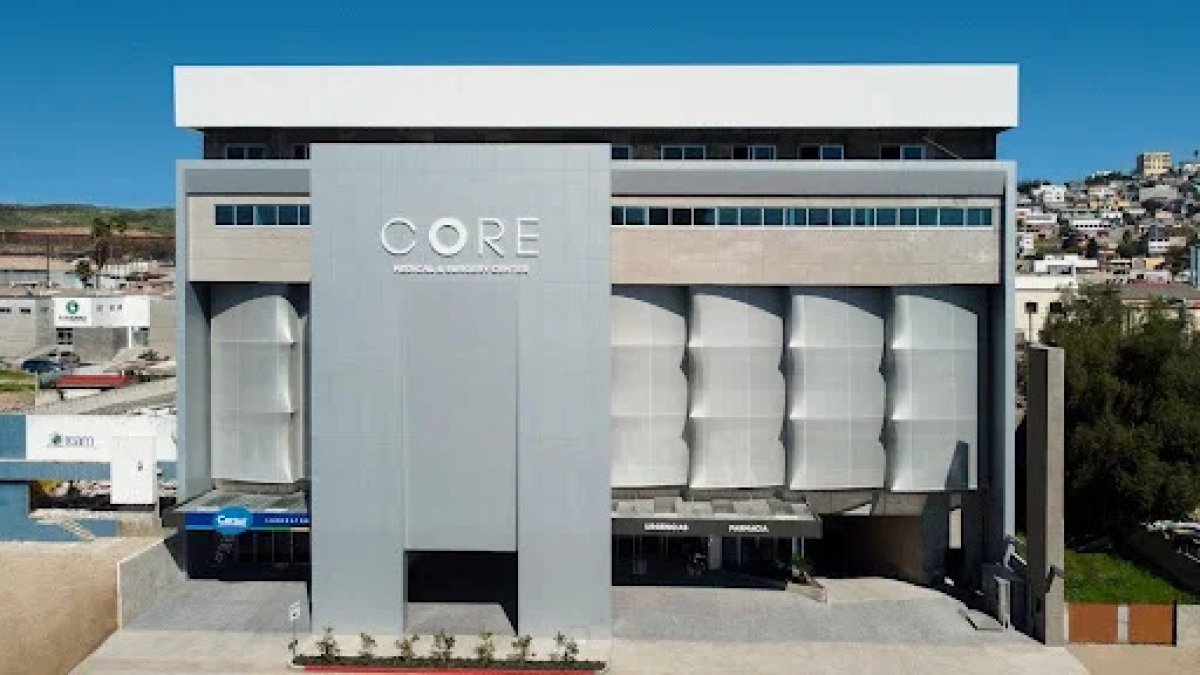
Advance Health Medical Center

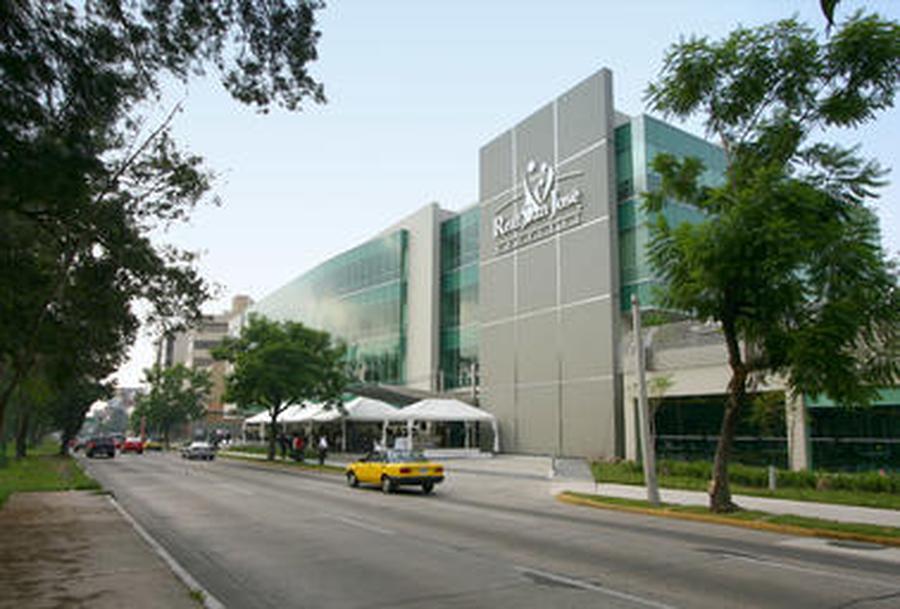
Hospital Zambrano Hellion


Descripción general de Artroscopia de cadera en México
- MAKOplastía - de $12,000El procedimiento utiliza robótica para reemplazos precisos de rodilla y cadera, lo que reduce el tiempo de recuperación y mejora la movilidad.
- Reemplazo de cadera - de $11,300La operación sustituye las articulaciones de la cadera dañadas por otras artificiales, lo que reduce el dolor y mejora el movimiento.
- Reemplazo total de cadera MAKOplasty - de $17,500Esta operación es una cirugía de cadera asistida por robot, para la colocación precisa de la articulación, reduciendo el dolor y mejorando la movilidad.
- ALMIS - artroplastia de cadera mínimamente invasiva - de $13,500La operación, realizada a través de pequeñas incisiones, reemplaza las partes dañadas de la cadera y ofrece menos dolor, una recuperación más rápida y menos complicaciones.
- Artroscopia de cadera - de $10,000Esta terapia implica el uso de una cámara y herramientas pequeñas para diagnosticar y tratar problemas de la articulación de la cadera, proporcionando un tiempo de recuperación mínimo.
- Reemplazo total de cadera - de $10,000La operación reemplaza la articulación de la cadera dañada con partes artificiales, mejorando la movilidad y aliviando el dolor.
- Revisión de protesis total de cadera (artoplastía) - de $22,000El procedimiento revisa un antiguo implante de cadera, mejorando la movilidad y reduciendo el dolor, con técnicas y materiales quirúrgicos modernos.
- Este procedimiento reemplaza una articulación de cadera malformada, mejorando la movilidad y reduciendo el dolor para las personas con displasia de cadera.
Día 1
- Llegada al aeropuerto.
- Traslado al hotel.
- Descanso y aclimatación.
Dia 2
- Traslado del hotel a la clínica.
- Consulta con especialista en ortopedia.
- Someterse a una resonancia magnética de la articulación de la cadera.
Día 3
- Preparación preoperatoria.
- Someterse a los análisis de sangre necesarios.
- Revisar los resultados de la resonancia magnética con su médico.
Día 4
- Ingreso al hospital.
- Someterse a una Artroscopia de Cadera bajo anestesia general.
- El procedimiento dura de 1 a 2 horas.
Día 5-7
- Atención postoperatoria en el hospital.
- Primeras sesiones de fisioterapia.
- Alta del hospital el día 7.
Semana 1-2
- Sesiones continuas de fisioterapia.
- Descanso y recuperación en casa.
- Cita de seguimiento con su médico.
Semana 3-4
- Regreso gradual al trabajo ligero.
- Aumento progresivo de la actividad física.
Semana 5-6
- Vuelta al trabajo habitual.
- Fisioterapia continua.
- Resonancia magnética de seguimiento si es necesario.
Semana 7-12
- Pleno retorno a los deportes y otras actividades.
- Seguimiento final con su médico.
Tenga en cuenta que este cronograma puede variar según la condición y la tasa de recuperación de cada paciente.
- Depósito de Bookimed: 200 $ o 200 €.
- Depósito de la clínica: Pague un porcentaje fijo por adelantado.
Reseñas
Todas las reseñasCompartir contenido
Historias en video de pacientes de Bookimed
 Olena Sikoza
Datos сlave sobre Artroscopia de cadera
Artroscopia de cadera
Cirugía ortopédica mínimamente invasiva utilizada para diagnosticar y tratar problemas en la articulación de la cadera.
Preguntas frecuentes sobre Artroscopia de cadera en México
¿Es seguro someterse a una artroscopia de cadera en México?
La artroscopia de cadera en México es segura cuando se realiza en instalaciones privadas acreditadas por la Joint Commission International o el Consejo de Salubridad General de México. El éxito depende de seleccionar cirujanos certificados por el Consejo Mexicano de Ortopedia y Traumatología que utilicen imágenes de diagnóstico modernas y equipos de tracción especializados.
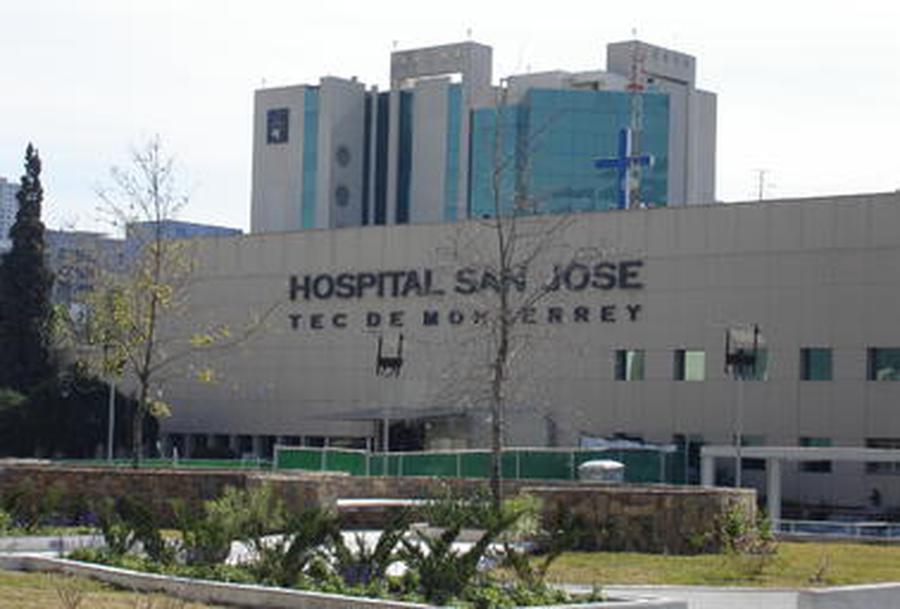
- Acreditación hospitalaria: Centros de primer nivel como el Hospital San José Tecnológico de Monterrey mantienen estándares de seguridad globales.
- Credenciales del cirujano: Los cirujanos verificados a menudo poseen becas internacionales y certificaciones del CMCO o CMCPER.
- Calidad de las instalaciones: Los principales hospitales en Mexicali y Tijuana ofrecen habitaciones privadas tipo boutique con equipos de alta tecnología.
- Proximidad a la frontera: Clínicas como el Hospital de la Familia se encuentran a pasos de la frontera para un acceso más fácil.
Perspectiva de expertos de Bookimed: Aunque muchos se centran en el costo, el verdadero diferenciador en México es la especialización geográfica de las clínicas. Los hospitales cerca de la frontera entre California y México, como los de Mexicali, diseñan específicamente sus protocolos de recuperación para pacientes estadounidenses. Estas instalaciones a menudo facilitan la coordinación con fisioterapeutas en los Estados
¿Cómo elijo un cirujano ortopédico calificado en México?
Para elegir un cirujano ortopédico calificado en México, verifique su certificación del Consejo Mexicano de Ortopedia y Traumatología (CMOT) y su licencia federal Cédula Profesional. Asegúrese de que el centro cuente con la acreditación del Consejo de Salubridad General (CSG) o de la Joint Commission International (JCI) para garantizar los estándares de seguridad.
- Verificación de licencia: Solicite dos números de Cédula Profesional para medicina general y especialización ortopédica.
- Certificación de la junta: Confirme el estado activo a través del registro del Consejo Nacional de Certificación Médica (CONACEM).
- Estándares de las instalaciones: Seleccione clínicas con acreditación CSG como el Hospital Real San José o el Hospital de la Familia.
- Enfoque de especialización: Priorice a los cirujanos enfocados en la preservación de la cadera en lugar de especialistas en trauma general.
Perspectiva de expertos de Bookimed: Muchos pacientes se centran únicamente en el cirujano, pero la ubicación de las instalaciones es un diferenciador importante. Por ejemplo, el Hospital de la Familia en Mexicali se encuentra directamente en la frontera con Estados Unidos. Esta proximidad simplifica la logística postoperatoria y facilita el acceso a imágenes especializadas y soporte de anestesia.
Consenso de los pacientes: Los pacientes
¿Cómo es la recuperación postoperatoria inmediata después de una artroscopia de cadera?
La recuperación inmediata implica controlar los efectos secundarios de la anestesia y proteger la articulación mediante límites estrictos de movilidad. La mayoría de los pacientes regresan a casa el mismo día de la cirugía. El éxito depende del uso de muletas, el control del estreñimiento inducido por narcóticos y la realización de fisioterapia temprana para prevenir la formación de tejido cicatricial en las instalaciones mexicanas.
- Manejo del dolor: Combinación de narcóticos y antiinflamatorios; los ablandadores de heces previenen el estreñimiento relacionado con la medicación.
- Movilidad restringida: El uso de muletas es obligatorio para evitar sentadillas profundas o flexiones superiores a 90 grados.
- Terapia de hielo: La terapia de frío continua durante 20 minutos cada hora ayuda a resolver la hinchazón y los hematomas importantes.
- Cuidado de la incisión: Mantenga los vendajes originales secos durante 48 horas antes de comenzar a ducharse con protección impermeable supervisada.
Perspectiva del experto de Bookimed: Los pacientes que viajan a México se benefician de clínicas como el Hospital de la Familia, ubicado a pasos de la frontera. Esta proximidad simplifica las primeras 72 horas, cuando la movilidad está más restringida. Mientras que los costos en EE. UU. promedian _price_compare_US_average_, las cirugías en México comienzan en _
¿Cuándo es seguro volar a casa después de una artroscopia de cadera en México?
La mayoría de los pacientes pueden volar a casa de forma segura entre 10 y 14 días después de una artroscopia de cadera en México. Aunque los vuelos cortos son posibles después de 2 a 4 días, esperar 2 semanas permite el seguimiento quirúrgico, la fisioterapia inicial y una reducción del riesgo de trombosis venosa profunda.
- Ventana de viaje: Espere de 10 a 14 días para vuelos de menos de 4 horas para controlar la hinchazón.
- Prevención de coágulos: Use medias de compresión y anticoagulantes recetados para prevenir el tromboembolismo venoso durante el viaje.
- Asistencia en el aeropuerto: Solicite servicios de silla de ruedas para evitar largas caminatas y estar de pie en las filas de aduana.
- Protocolo durante el vuelo: Realice bombeos de tobillo cada hora y mantenga la flexión de la cadera por debajo de los 90 grados mientras esté sentado.
Perspectiva del experto de Bookimed: Los centros de alto volumen como el Hospital de la Familia en Mexicali se benefician de estar a pasos de la frontera con California. Para los pacientes que vuelan más lejos, elegir instalaciones acreditadas por la JCI como el Hospital San José Tecnológico de Monterrey garantiza que los protocolos de recuperación cumplan con los estándares internacionales de seguridad antes de partir.
Consenso de los pacientes: Los pacientes enfatizan que navega
¿Cuánto tiempo debo permanecer en México después de una artroscopia de cadera antes de salir del país?
Los pacientes deben planificar permanecer en México de 7 a 14 días después de una artroscopia de cadera antes de volar a casa. Esta duración asegura que los cirujanos puedan monitorear sus incisiones en busca de infecciones y evaluar la movilidad temprana. La autorización final para viajar en avión depende del manejo del dolor y su riesgo de coágulos sanguíneos.
- Seguridad en el viaje: Permanezca al menos 7 días para minimizar los riesgos de trombosis venosa profunda (TVP) durante los vuelos.
- Monitoreo de heridas: Los cirujanos revisan las incisiones portales para verificar la cicatrización y detectar signos de infección antes de que usted parta.
- Chequeo clínico: Espere una visita de seguimiento final entre los días 7 y 14 para la autorización médica.
- Hitos de movilidad: Los pacientes deben sentirse cómodos usando muletas o andadores antes de navegar por las concurridas terminales de los aeropuertos.
Perspectiva del experto de Bookimed: Muchos pacientes eligen Mexicali para sus procedimientos porque clínicas como el Hospital de la Familia se encuentran a pasos de la frontera con California. Esto permite la recuperación en los EE. UU. o un transporte terrestre más sencillo. Si elige Monterrey o Guadalajara, asegúrese de que su paquete incluya de 5 a 7 noches de hotel después del alta hospitalaria.
Consenso de los pacientes: