Tratamiento de Pies planos en Polonia — obtenga 3 coincidencias personalizadas de clínicas


Revisado médicamente por
Fahad Mawlood
Cómo funciona
¿Cuál es el precio del diagnóstico y los tratamientos de Pies planos en Polonia? Descubra ahora
Descubra las mejores clínicas de tratamiento de Pies planos en Polonia: 4 opciones verificadas y Precios

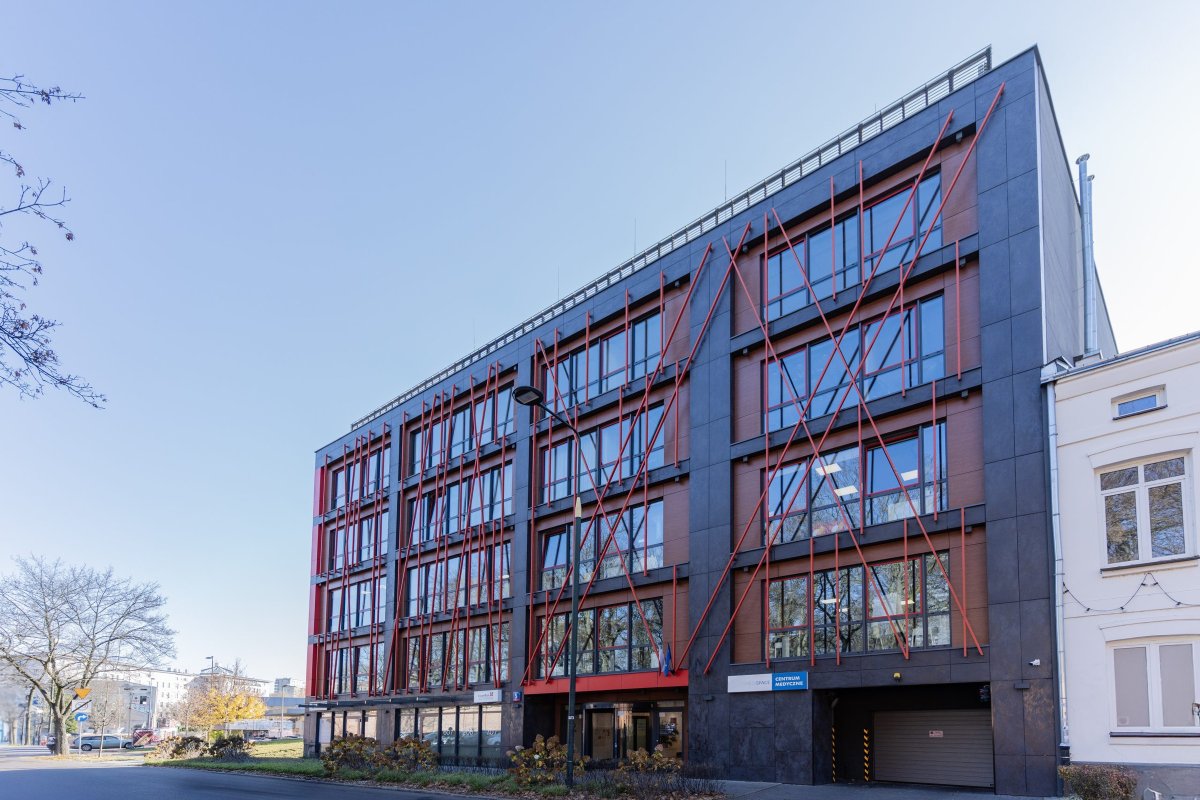
MediSpace (Centrum Medyczne MediSpace)
Rmed Kopernika
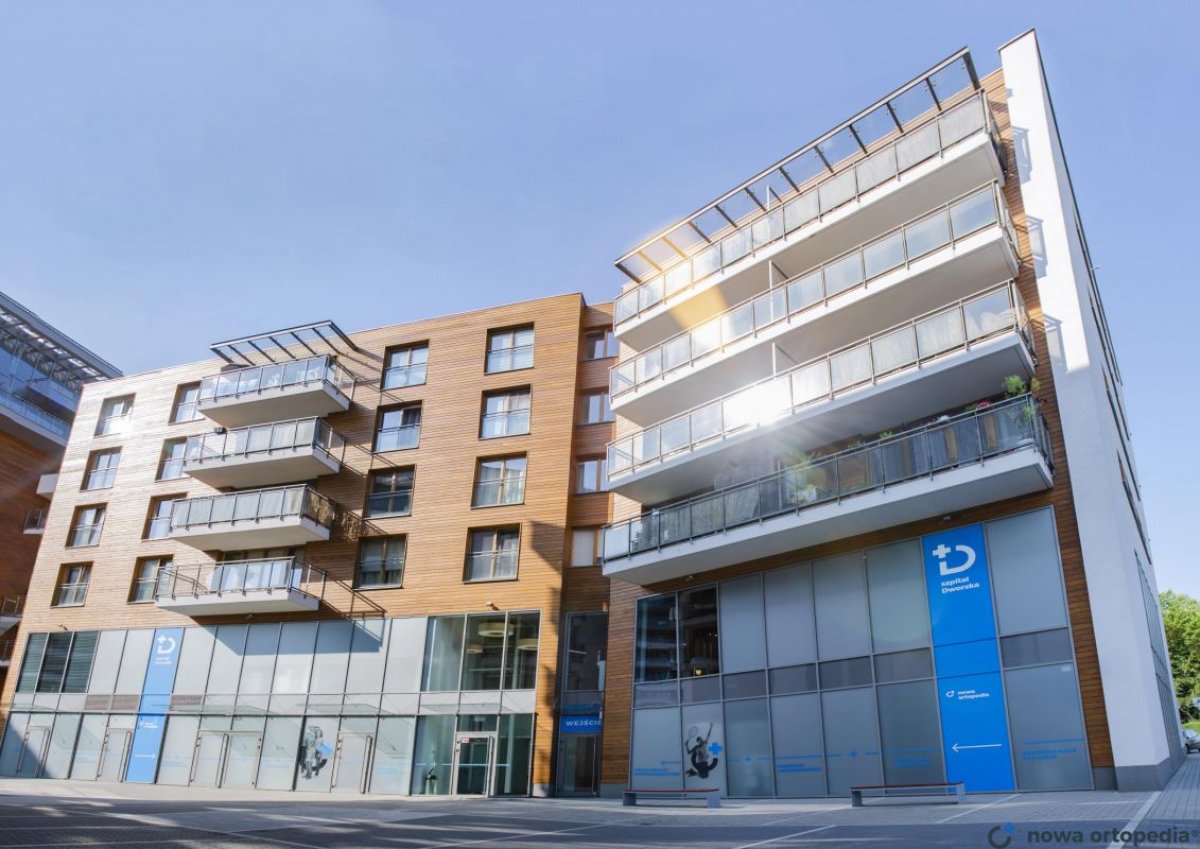
Nowa Ortopedia
Obtenga una evaluación médica para Pies planos en Polonia: consulte con doctores experimentados ahora
Ver todos los médicos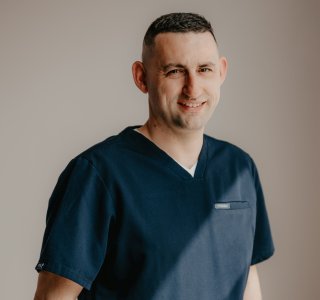
Maksym Własny
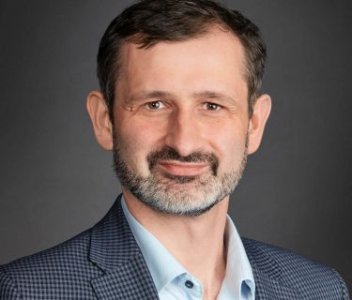

Konrad Kwolek
Marcin Kapusta es fisioterapeuta en Nowa Ortopedia en Cracovia. Trata las causas de los síntomas físicos para favorecer la recuperación funcional. Kapusta utiliza terapia manual junto con tecnología de diagnóstico y tratamiento para desarrollar programas de rehabilitación para pacientes ortopédicos.
- Utiliza los sistemas Biodex System 4 Pro y Game Ready para la recuperación.
- Practica técnicas de terapia manual, incluidos los métodos Kaltenborn-Evjenth y McKenzie.
- Rea
Compartir contenido
Historias en video de pacientes de Bookimed
 Olena Sikoza
Preguntas frecuentes sobre el tratamiento de Pies planos en Polonia
¿Qué herramientas de diagnóstico utilizan las clínicas polacas para evaluar los pies planos?
Las clínicas polacas evalúan los pies planos mediante podoscopia digital y radiografías con carga para medir el colapso del arco. Los especialistas también realizan pruebas biomecánicas como el Jack Test para distinguir entre deformidades flexibles y rígidas. Estas evaluaciones ayudan a los médicos a diseñar plantillas ortopédicas personalizadas o a planificar correcciones quirúrgicas para la alineación esquelética.
- Pedobarografía computarizada: Plataformas electrónicas mapean la distribución del peso y los puntos de presión al caminar.
- Podoscaneo 3D: Escáneres láser crean modelos precisos para calcular métricas como el ángulo de Clarke.
- Radiografía con carga: Las imágenes de pie evalúan la alineación esquelética y ángulos específicos como la inclinación del calcáneo.
- Pruebas funcionales: Las pruebas de elevación del talón determinan si el arco se corrige al ponerse de puntillas.
- Plantografía: Las impresiones tradicionales con tinta o mecánicas identifican qué zonas del pie tocan el suelo.
Perspectiva del experto de Bookimed: Las clínicas en centros médicos como Łódź suelen combinar datos de diagnóstico con software CAD/CAM para mayor precisión. Aunque centros privados como RMED Kopernika atienden a miles de pacientes, las evaluaciones más completas siempre combinan escaneos digitales con un análisis clínico de
¿Qué procedimientos quirúrgicos se realizan para la reconstrucción del pie plano en Polonia?
Los cirujanos ortopédicos en Polonia realizan reconstrucciones de pie plano utilizando una combinación de procedimientos óseos y de tejidos blandos. Las técnicas comunes incluyen la osteotomía calcánea para realinear el hueso del talón y la artroereisis subastragalina para casos flexibles. La fusión avanzada se reserva para deformidades rígidas o artritis severa.
- Artroereisis subastragalina: Se insertan pequeños espaciadores de titanio para restaurar los arcos en casos pediátricos flexibles.
- Osteotomía calcánea: Los cirujanos cortan y desplazan el hueso del talón para mejorar la alineación del retropié.
- Transferencia de tendones: Los tendones dañados se reemplazan por otros sanos para sostener el arco.
- Fusión articular: Cirugía de estabilización permanente para casos severos y rígidos donde se sacrifica el movimiento.
Perspectiva de expertos de Bookimed: Aunque existen procedimientos únicos, centros especializados como RMED Kopernika en Lodz enfatizan que la reconstrucción rara vez es una solución de un solo paso. Los datos sugieren que el 80% de las reconstrucciones polacas exitosas combinan cortes óseos con reparaciones de tejidos blandos, como el aumento del ligamento calcaneonavicular plantar. Elegir a un especialista en pie y tobillo en lugar de un ortopedista general es fundamental para estas correcciones de varias etapas.
¿Qué credenciales y experiencia poseen los especialistas en pies polacos?
Los especialistas en pies polacos incluyen principalmente podólogos y cirujanos ortopédicos. Los podólogos son profesionales paramédicos con títulos vocacionales o diplomas universitarios. Los cirujanos ortopédicos en Polonia poseen títulos de medicina. Tratan los pies planos mediante análisis de la marcha y terapias correctivas. Muchos trabajan en instalaciones con estándares JCI.
- Educación vocacional: Los especialistas obtienen un diploma de dos años en una escuela vocacional.
- Títulos universitarios: Los profesionales pueden poseer una licenciatura de tres años en Cosmetología.
- Certificación estatal: Los profesionales deben aprobar exámenes nacionales para registrarse bajo el código 323014.
- Formación clínica: Los especialistas se forman en biomecánica y análisis computarizado de la marcha en plataformas de presión.
Opinión de expertos de Bookimed: Busque centros como RMED Kopernika en Lodz. Tratan a 6.000 pacientes al año y atienden tanto a adultos como a niños. Este alto volumen de pacientes a menudo indica una sólida experiencia clínica. Es particularmente útil para casos complejos de pies planos pediátricos. Los centros de gran volumen a menudo ofrecen un apoyo multidisciplinario más amplio bajo un mismo techo.
Consenso de los pacientes: Los pacientes abogan por los cirujanos ortopédicos en lugar de los podó
¿Qué terapias no quirúrgicas ofrecen los podólogos polacos para los pies planos?
Los podólogos polacos ofrecen terapias no quirúrgicas avanzadas centradas en la podología ortopédica y la corrección biomecánica. El tratamiento incluye escaneo láser 3D para plantillas termoplásticas personalizadas y análisis de la marcha mediante alfombras baropodométricas. Equipos especializados utilizan cinesiterapia, kinesiotaping y terapia manual para restaurar la función del arco sin cirugía invasiva.
- Diagnóstico biomecánico: La podoscopia digital y las alfombras de presión electrónicas evalúan la distribución del peso y la marcha.
- Ortesis personalizadas: Las plantillas moldeadas en 3D personalizadas sostienen los arcos y corrigen la alineación del valgo del talón.
- Cinesiterapia: Ejercicios específicos como el concepto de Vele fortalecen los músculos intrínsecos del pie y la estabilidad.
- Modalidades físicas: La terapia de ondas de choque y los láseres de alta intensidad alivian el dolor causado por la inflamación plantar secundaria.
Perspectiva del experto de Bookimed: Las clínicas polacas como RMED Kopernika demuestran una tendencia creciente hacia equipos de atención multidisciplinarios. Si bien los podólogos gestionan el soporte conservador del arco, tratan a más de 6,000 pacientes al año integrando ortopedia y estética. Para los pacientes internacionales, esto significa recibir tanto la corrección estructural del pie como el
¿Cuándo debo buscar ayuda médica por pies planos?
Busque ayuda médica para los pies planos si experimenta dolor persistente en los arcos o talones. La evaluación es necesaria cuando los pies se aplanan repentinamente o muestran hinchazón y rigidez visibles. Los especialistas polacos recomiendan una evaluación cuando la movilidad es limitada o los zapatos se desgastan de manera desigual y rápida.
- Inicio de los síntomas: Busque ayuda para el dolor localizado en los tobillos, pantorrillas o espalda baja.
- Cambios estructurales: Consulte a un especialista si un pie previamente arqueado colapsa repentinamente.
- Limitaciones físicas: Se requiere una revisión profesional si no puede ponerse de puntillas.
- Marcadores funcionales: Programe un examen para la inflamación crónica a lo largo del lado interno del pie.
Perspectiva del experto de Bookimed: Polonia es un destino en ascenso para la atención ortopédica, con centros como RMED Kopernika que atienden a 6,000 pacientes al año. Los grandes volúmenes de pacientes en las clínicas polacas sugieren una alta competencia diagnóstica en la identificación de problemas tendinosos subyacentes. Elegir un centro con una alta rotación de pacientes a menudo garantiza el acceso a protocolos de tratamiento conservador refinados.
Consenso de los pacientes: Los pacientes señalan que el dolor es el desencadenante más importante para buscar
¿Qué ciudades en Polonia ofrecen instalaciones líderes para la cirugía ortopédica de pie?
Varsovia, Jelenia Góra, Rzeszów y Cracovia son los principales centros de cirugía ortopédica de pie en Polonia. Estas ciudades albergan instalaciones con certificaciones especializadas. Los hospitales aquí proporcionan reconstrucciones avanzadas para pies planos y deformidades complejas. La mayoría de los centros cuentan con acreditaciones internacionales como JCI o ISO.
- Varsovia: Ofrece implantes de pie impresos en 3D y técnicas avanzadas de aloplastia de tobillo InBone.
- Jelenia Góra: Cuenta con un Centro de Excelencia Global centrado en reconstrucciones de pie mínimamente invasivas.
- Rzeszów: Parte de la red GVM Care and Research especializada en reconstrucciones de ligamentos.
- Cracovia: Centros universitarios de alto volumen gestionan deformidades congénitas complejas y la recuperación de traumas esqueléticos.
- Łódź: RMED Kopernika atiende a 6,000 pacientes al año, brindando atención ortopédica especializada para niños.
Perspectiva del experto de Bookimed: Las clínicas especializadas en Jelenia Góra a menudo ofrecen rehabilitación con todo incluido junto con la cirugía. Si bien Varsovia ofrece la mayor densidad de expertos en medicina deportiva, los centros regionales como RMED Kopernika en Łódź manejan volúmenes masivos de pacientes. Este alto rendimiento a menudo indica una experiencia significativa con caso
¿Qué tan alta es la calidad de la neurocirugía en Polonia?
La neurocirugía en Polonia ofrece atención de alta calidad en centros con certificación JCI e ISO. Los neurocirujanos polacos se adhieren a estrictos estándares de formación adoptados por la Unión Europea. Muchos han completado becas en Estados Unidos o Alemania. Tecnologías avanzadas, como CyberKnife, Gamma Knife y sistemas robóticos, están ampliamente disponibles en centros privados.
- Cualificaciones especializadas: Los médicos suelen ser miembros de la Asociación Europea de Sociedades de Neurocirugía.
- Tecnologías avanzadas: Las clínicas utilizan sistemas CyberKnife y ultrasonido enfocado guiado por resonancia magnética para el tratamiento cerebral no invasivo.
- Volumen clínico: Centros líderes como el Hospital Universitario de Cracovia tratan a más de 455.000 pacientes al año.
- Cirujanos experimentados: El Dr. Maciej Bujko del Hospital Carolina ha realizado más de 2.500 cirugías por su cuenta.
Opinión experta de Bookimed: Los datos muestran una fuerte correlación entre la especialización de una clínica y el origen de sus pacientes. La Clínica KCM atiende a más de 700 pacientes internacionales al año. Se especializa en cirugía de columna mínimamente invasiva. Este volumen de trabajo le permite ofrecer paquetes de servicios especializados, que a menudo incluyen bloques de diagnóstico e implantes específicos, como el DIAM de Medtronic.
¿Cuáles son las cualificaciones de los neurocirujanos polacos?
Los neurocirujanos polacos son especialistas altamente cualificados que han completado al menos 13 años de rigurosa formación médica. Esto incluye seis años de estudios de medicina, 13 meses de prácticas y seis años de residencia. Deben aprobar el Examen Estatal de Especialización (PES) y suelen estar certificados por la Asociación Europea de Sociedades de Neurocirugía (EANS).
- Educación: Los médicos reciben educación médica (medicina) después de 6 años de estudio en la universidad.
- Especialización: La residencia incluye 6 años de formación modular en neurocirugía clínica y neurorradiología.
- Volumen quirúrgico: Los residentes a menudo realizan más de 1.000 cirugías, lo que excede el volumen de capacitación promedio en otras regiones.
- Certificados: Muchos especialistas son miembros de AO Spine o de la Sociedad Polaca de Cirugía de Columna.
Opinión experta de Bookimed: Los datos muestran que los neurocirujanos polacos suelen especializarse en tecnologías altamente especializadas, como el sistema ApiFix o el sistema de endoscopia lumbar SED-YESS. Especialistas como el Dr. Stanisław Kwek, de la Clínica KCM, combinan la investigación postdoctoral con una práctica quirúrgica activa. Esta combinación de profundos conocimientos académicos y un alto volumen quirúrgico los hace especialmente eficaces en cirugías de columna complejas y mínimamente in
¿Cuáles son las mejores clínicas neuroquirúrgicas en Polonia?
Entre las mejores clínicas neuroquirúrgicas de Polonia se encuentran el Hospital Carolina, la Clínica KCM y centros académicos de primer nivel como el Hospital Universitario de Cracovia. Estas instituciones ofrecen tratamientos de vanguardia para enfermedades de la columna vertebral y el cerebro que cumplen con los estándares de calidad ISO y emplean a especialistas miembros de organizaciones internacionales como AO Spine.
- Hospital Carolina: Centro Médico de Excelencia FIFA, especializado en cirugías de columna complejas y mínimamente invasivas.
- Clínica KCM: Reconocida internacionalmente por la calidad de sus procedimientos endoscópicos de columna, atendiendo a más de 700 pacientes internacionales anualmente.
- Hospital Universitario de Cracovia: un gran centro multidisciplinario que realiza más de 800 operaciones neuroquirúrgicas al año desde 1788.
- Luxmed: un reconocido centro médico privado en Varsovia especializado en cirugía de columna avanzada para pacientes internacionales.
Opinión experta de Bookimed: Si bien muchos buscan los hospitales más grandes, los datos muestran que clínicas como el Hospital Carolina ofrecen mayor eficiencia para cirugías electivas. Con más de 40 médicos especialistas en este centro de 30 camas, la proporción médico-paciente es significativamente mayor que en los centros universitarios públicos. Esto se traduc
¿Qué procedimientos neuroquirúrgicos se realizan con más frecuencia en Polonia?
En Polonia, la neurocirugía se centra principalmente en cirugías de columna y extirpación de tumores cerebrales. Los hospitales realizan con frecuencia microdiscectomías, fusiones espinales y estimulación cerebral profunda. Centros como el Hospital Carolina y la Clínica KCM utilizan técnicas mínimamente invasivas para tratar hernias discales, lesiones de columna y trastornos neurológicos complejos.
- Cirugía de columna: La discectomía y la laminectomía son tratamientos comunes para los discos herniados.
- Neurooncología: Los especialistas realizan cirugías para extirpar tumores cerebrales utilizando equipos modernos como la tecnología CyberKnife.
- Neurocirugía funcional: la estimulación cerebral profunda (ECP) se utiliza ampliamente para los trastornos del movimiento.
- Técnicas mínimamente invasivas: Los cirujanos utilizan técnicas endoscópicas para descomprimir la columna y tratar tumores pituitarios.
Opinión experta de Bookimed: Polonia se ha convertido en un centro de estabilización espinal especializada. Clínicas como el Hospital Carolina colaboran con equipos deportivos nacionales, lo que refleja su alto nivel de experiencia en el tratamiento de lesiones espinales complejas. Nuestros datos muestran que estas instituciones suelen integrar la rehabilitación directamente en el tratamiento quirúrgico. Esta combinación reduce el riesgo de compl