Tratamiento de Pies planos en España — obtenga 3 coincidencias personalizadas de clínicas


Revisado médicamente por
Fahad Mawlood
Cómo funciona
¿Cuál es el precio del diagnóstico y los tratamientos de Pies planos en España? Descubra ahora
Descubra las mejores clínicas de tratamiento de Pies planos en España: 2 opciones verificadas y Precios


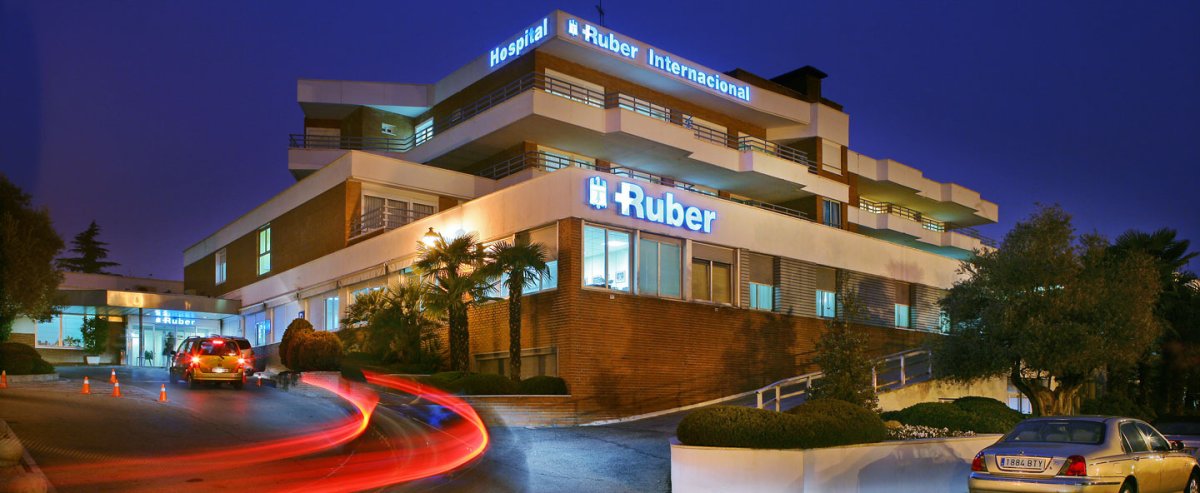


Obtenga una evaluación médica para Pies planos en España: consulte con doctores experimentados ahora
Ver todos los médicos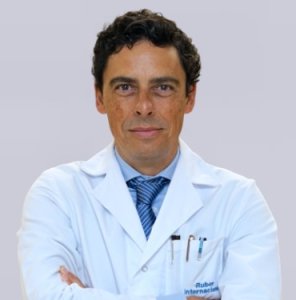
Pablo De La Cuadra
El Dr. Pablo de la Cuadra (Pablo Cuadra de la Virgili) es cirujano ortopédico y traumatólogo en Madrid. Está especializado en lesiones deportivas y cirugía de hombro en el Hospital Ruber Internacional, donde ejerce desde 1999. Cuenta con más de 25 años de experiencia. Dirige una unidad multidisciplinar y un equipo especializado en traumatología. Es un experto reconocido en trastornos complejos del hombro y utiliza técnicas artroscópicas y reconstructivas avanzadas para la inestabilidad y las
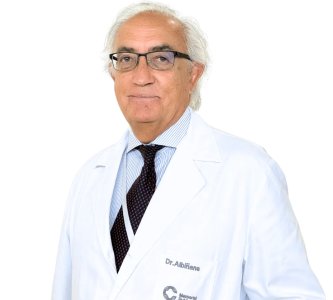
Javier Albiñana Cilveti
El Dr. Javier Albinaña Cilveti es cirujano ortopédico pediátrico en el Hospital Memorial Publio Cordón en Madrid, España. Trata a niños con cáncer óseo, osteosarcoma y displasia del desarrollo de la cadera. El Dr. Albinaña Cilveti también trata pies planos y fracturas de cadera.
Trabaja en un hospital con más de 110 médicos. El centro cuenta con la acreditación de la Joint Commission International, un estándar reconocido en los Estados Unidos para la seguridad y calidad del paciente.
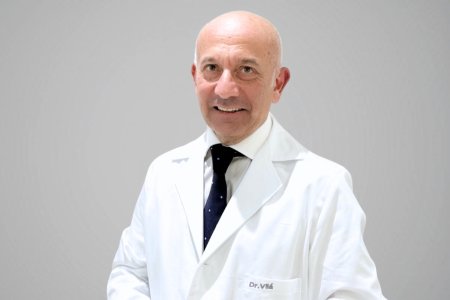
Jesús Vilá y Rico
El Dr. Jesús Vilá y Rico es cirujano ortopédico en el Hospital Memorial Publio Cordón de Madrid. Trata afecciones de pie y tobillo, incluyendo pies planos y hallux valgus. El Dr. Vilá y Rico realiza artroscopias de tobillo y reemplazos totales de tobillo. Trabaja en un centro acreditado por la JCI que cumple con los estándares estadounidenses de seguridad del paciente.
Trata lesiones óseas y articulares, afecciones de la mano y osteoartritis de hombro. El hospital es reconocido por el C
Compartir contenido
Historias en video de pacientes de Bookimed
 Olena Sikoza
Preguntas frecuentes sobre el tratamiento de Pies planos en España
¿Qué tipo de médico debo consultar para los pies planos en España?
En España, debe consultar a un cirujano ortopédico (traumatólogo) o a un podólogo. Los traumatólogos tratan el dolor severo y los problemas estructurales. Los podólogos se especializan en la biomecánica del pie y plantillas personalizadas. La mayoría de los pacientes comienzan con un podólogo para obtener ortesis no quirúrgicas.
- Traumatólogo (Ortopedista): Especializado en evaluación quirúrgica y problemas estructurales óseos graves.
- Podólogo: Se centra en la biomecánica, el análisis de la marcha y las plantillas médicas personalizadas.
- Atención especializada: Busque al Dr. Pablo De La Cuadra en el Hospital Ruber Internacional.
- Credenciales clínicas: Elija instalaciones con certificaciones de la Joint Commission International o ISO.
Perspectiva del experto de Bookimed: Elegir un centro multidisciplinario como el Hospital Ruber Internacional ofrece una ventaja clara. Estas instalaciones albergan a más de 800 médicos en 42 departamentos especializados. Esto permite una colaboración inmediata entre cirujanos ortopédicos y especialistas en rehabilitación. Los pacientes se benefician de la experiencia combinada tanto en la recuperación funcional quirúrgica como en la conservadora.
Consenso de los pacientes: Los pacientes recomiendan ver a un especialista en ortopedia primero si tiene dolor o inestabilidad. Siempre tra
¿Cuándo recomiendan cirugía para pies planos los cirujanos ortopédicos españoles?
Los cirujanos ortopédicos españoles recomiendan cirugía para pies planos sintomáticos cuando los pacientes experimentan dolor crónico a pesar de la fisioterapia y las plantillas personalizadas. La intervención es necesaria si la deformidad limita la movilidad o causa un colapso estructural progresivo. Los casos pediátricos se abordan normalmente entre los 9 y 14 años utilizando implantes mínimamente invasivos.
- Ventana pediátrica: Los cirujanos se enfocan en el rango de edad de 9 a 14 años para guiar el crecimiento óseo natural de manera efectiva.
- Umbral sintomático: El dolor crónico o la fatiga deben persistir después de meses de fisioterapia dirigida.
- Enfoque mínimamente invasivo: La técnica de endortesis de seno del tarso utiliza un pequeño tornillo de titanio.
- Desencadenantes en adultos: La cirugía se recomienda para la disfunción del tendón tibial posterior o la degeneración articular rígida.
Perspectiva de expertos de Bookimed: La atención ortopédica española a menudo integra análisis biomecánicos especializados dentro de instalaciones acreditadas por la JCI como el Hospital Ruber Internacional. Si bien la mayoría de las clínicas tratan tanto a adultos como a niños, los centros que atienden a más de 25,000 pacientes al año priorizan la cirugía reconstructiva para deformidades rígidas. Elegir a un especialista como el Dr. Pablo De L
¿Qué tratamientos conservadores no quirúrgicos son más comunes en las clínicas españolas?
Las clínicas españolas priorizan los tratamientos conservadores para los pies planos, centrándose en ortesis personalizadas y rehabilitación física especializada. El cuidado conservador a menudo implica terapia láser de alta intensidad y reentrenamiento biomecánico para mejorar la función del pie. Los centros acreditados por la JCI, como el Hospital Ruber Internacional, utilizan estos métodos para retrasar o evitar la intervención quirúrgica.
- Ortesis personalizadas: Las plantillas dinámicas recetadas proporcionan soporte estructural y corrigen la alineación del arco durante la actividad diaria.
- Rehabilitación física: Los ejercicios específicos fortalecen el músculo tibial posterior y mejoran la ergonomía de la marcha y la postura.
- Terapias regenerativas: Las inyecciones de plasma rico en plaquetas (PRP) activan la curación natural en tendones o ligamentos dañados.
- Terapia de ondas de choque: Las ondas acústicas no invasivas tratan eficazmente la inflamación crónica y el dolor persistente en los tejidos blandos.
Perspectiva del experto de Bookimed: La atención ortopédica española destaca por combinar la podología tradicional con una biomecánica patentada de alta tecnología. Centros como el Centro de Biomecánica del Dr. Blum en Marbella utilizan métodos patentados para activar la regeneración natural. Este enfoque es particularmente efect
¿Puede un adulto curar naturalmente los pies planos sin cirugía, según los expertos españoles?
Los expertos ortopédicos españoles afirman que los adultos no pueden restaurar naturalmente un arco óseo permanente en pies planos rígidos. Sin embargo, los pacientes con pies planos flexibles pueden mejorar significativamente la función y eliminar el dolor. Los protocolos españoles combinan biomecánica especializada, ortesis personalizadas y fortalecimiento dirigido para estabilizar el pie sin cirugía.
- Clasificación del pie: Los especialistas diferencian entre arcos flexibles y estructuras de pie plano rígidas basadas en el hueso.
- Enfoque muscular: La terapia se centra en el tendón tibial posterior para proporcionar un soporte dinámico al arco.
- Ortesis personalizadas: Las plantillas personalizadas reequilibran la distribución del peso y reducen la fatiga durante las actividades diarias.
- Restauración biomecánica: Clínicas como el Dr. Blums Biomechanics Center utilizan metodologías patentadas para estimular la regeneración natural.
Perspectiva de expertos de Bookimed: Mientras que muchas clínicas generales tratan los síntomas, centros como el Hospital Ruber Internacional integran la cirugía ortopédica con una recuperación funcional avanzada. Los datos muestran que las clínicas que se centran en la regeneración biomecánica, como las de Marbella, priorizan la restauración de la circulación sanguínea y la función de los ligamentos para dete
¿Mi hijo tiene pies planos. Los especialistas pediátricos españoles intervienen de inmediato?
Los especialistas pediátricos españoles generalmente no intervienen de inmediato ante los pies planos. La mayoría de los casos implican arcos flexibles que se desarrollan de forma natural antes de los 5 años. Los médicos priorizan la observación sobre el tratamiento agresivo a menos que el niño experimente dolor, rigidez o limitaciones funcionales durante la actividad física.
- Criterios de decisión: La intervención depende de si el pie plano es flexible o rígido.
- Motivo de tratamiento: Los especialistas actúan si el niño muestra dolor persistente o tropiezos frecuentes.
- Enfoque correctivo: Las ortesis proporcionan comodidad pero no cambian permanentemente la forma del pie.
- Umbral quirúrgico: La cirugía es poco común y se reserva para deformidades rígidas o casos complejos.
Perspectiva de expertos de Bookimed: Clínicas como el Hospital Ruber Internacional tratan a 25.000 pacientes al año utilizando equipos multidisciplinarios. Nuestros datos muestran que los principales centros españoles combinan la experiencia ortopédica con la rehabilitación especializada. Este enfoque garantiza que los niños atletas reciban atención traumatológica específica para el deporte, a menudo omitida en las clínicas generales.
Consenso de los pacientes: Los padres observan que los especialistas se centran mucho en si el arco aparece al p