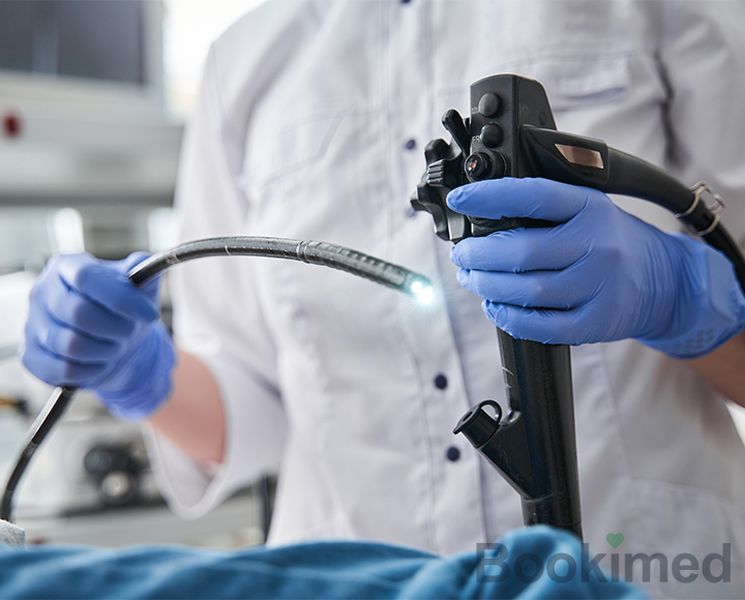
ERCP carries a 5% to 10% complication rate. The primary risk is post-ERCP pancreatitis (PEP), causing pancreatic inflammation in 3% to 10% of cases. Other serious risks include bile duct infection, bleeding from duct widening, and rare intestinal perforations. Korean centres mitigate these using high-resolution imaging.
- Post-ERCP pancreatitis: Most common complication causing severe abdominal pain and required hospitalisation.
- Bile duct infection: Known as cholangitis, this medical emergency requires immediate antibiotic treatment.
- Procedure-related bleeding: Risk increases during sphincterotomy, where doctors widen the bile duct opening.
- Intestinal perforation: Rare tear in the duodenum typically requiring emergency surgical repair.
- Sedation reactions: Potential breathing or heart issues during the medically supervised sedation process.
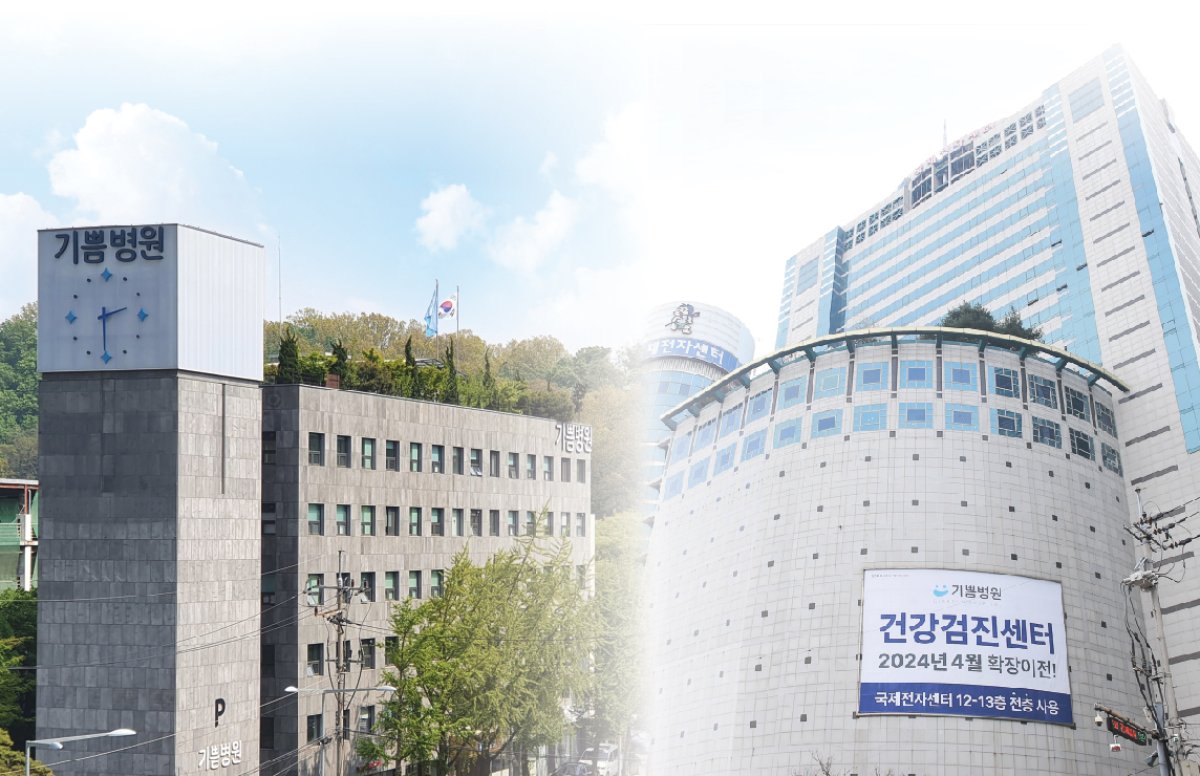
Bookimed Expert Insight: While ERCP averages A$4,800 to A$10,400 in Seoul, the real value lies in volume. Gibbeum General Hospital has performed 150,000+ endoscopy procedures. This high throughput typically leads to faster detection of PEP. This is because staff manage these specific recovery patterns daily.
Patient Consensus: Patients in Republic of Korea highlight that pancreatitis is a painful possibility. However, untreated bile duct stones often pose a higher sepsis risk. They appreciate that clinics provide overnight monitoring to catch any post-procedure flare-ups immediately.